Controversy Ignites as Gábor Csupó Unveils Radically Redesigned Duckman Revival Pitch.

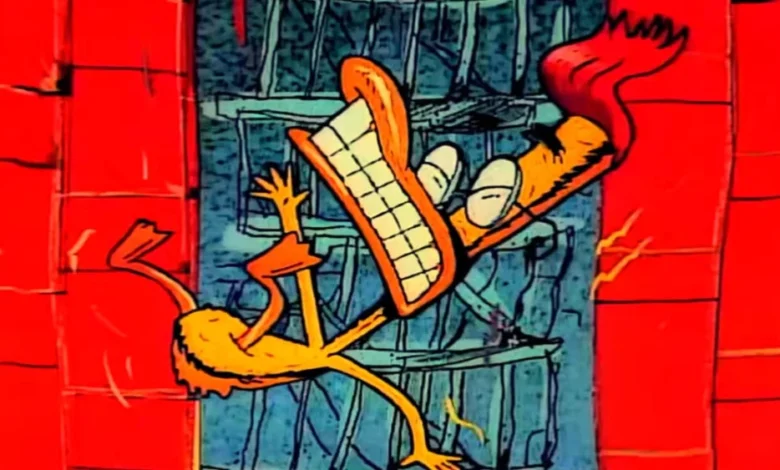
Veteran animation producer Gábor Csupó, co-founder of the influential Klasky Csupó studio, has ignited a fervent debate among animation enthusiasts and industry observers with the recent unveiling of a proposed opening title for a Duckman revival. The pitch video, uploaded by Csupó, presents a drastically reimagined aesthetic for the beloved 1990s adult animated series, leading to widespread discussion and a largely critical reception regarding its perceived reliance on artificial intelligence (AI) aesthetics and a departure from the original show’s distinct visual and tonal identity.
The Legacy of Duckman and Klasky Csupó
To understand the depth of reaction to Csupó’s new pitch, it is crucial to revisit the historical context of Duckman and the indelible mark left by Klasky Csupó on the animation landscape. Gábor Csupó, alongside Arlene Klasky, established Klasky Csupó in 1982, quickly becoming a powerhouse in the animation industry. The studio was instrumental in the early success of The Simpsons, animating the iconic shorts on The Tracey Ullman Show and the first three seasons of the groundbreaking Fox series, establishing much of its initial visual style. Beyond The Simpsons, Klasky Csupó became synonymous with the "Nicktoons" era, producing hugely popular and critically acclaimed children’s series like Rugrats, Aaahh!!! Real Monsters, and The Wild Thornberrys. These shows were celebrated for their distinctive, often quirky and exaggerated animation styles, imaginative storytelling, and memorable characters, cementing Klasky Csupó’s reputation for artistic innovation and a willingness to embrace unique visual languages.
Duckman, which premiered on the USA Network in 1994, stood out as a significant departure from the studio’s more family-friendly fare. Based on characters created by Everett Peck, the series followed Eric Tiberius Duckman, a misanthropic, cynical, and morally bankrupt private detective duck struggling with life, fatherhood, and his own existential angst. Voiced by the inimitable Jason Alexander, Duckman was a character study in sustained misery and self-loathing, navigating a surreal and often brutal world alongside his pig partner, Cornfed. The show was lauded for its sharp, satirical writing, dark humor, social commentary, and a gritty, noir-inspired aesthetic that deliberately embraced a somewhat grotesque and angular visual style. Its themes tackled everything from consumerism and celebrity culture to political corruption and the anxieties of modern life, often employing meta-narrative and fourth-wall breaks long before they became common in adult animation. Duckman ran for four seasons, concluding in 1997, and despite its relatively short run, it garnered a dedicated cult following and is widely considered a precursor to the wave of sophisticated adult animated comedies that would follow. Its influence on later shows exploring complex, flawed protagonists and dark humor is undeniable, securing its place as a significant cultural artifact of 1990s animation.
The Controversial Revival Pitch
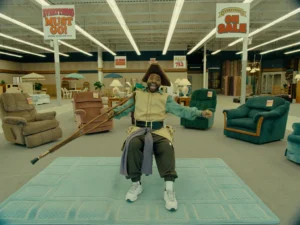
The newly uploaded video, titled "DUCKMAN" new proposed Opening Title, + new updated music and visuals. (2026)," presents a radical departure from this cherished legacy. Described by Csupó as a "new proposed opening title" aimed at securing a series order from CBS or a major streaming platform, the pitch has been met with significant apprehension. The most immediate and striking aspect is the complete overhaul of the show’s visual identity. The original’s deliberately rough, hand-drawn, and noir-inflected animation has been replaced with a glossy, hyper-smooth, and digitally enhanced aesthetic. Characters, once characterized by their sharp angles and somewhat exaggerated features, now appear "digitally Botoxed," possessing a vibrant, almost plasticine sheen that many critics have likened to the output of generative AI.
The new theme song has also drawn considerable ire, being described as "truly painful" and lacking the jazz-infused, sardonic tone of the original’s iconic opening. The original theme, with its frenetic energy and perfectly synchronized visuals, captured the chaotic and cynical essence of Duckman’s world. The proposed replacement, however, appears to miss the mark entirely, failing to evoke the established mood or character of the series. Furthermore, the video inexplicably features a couple of cameos from characters resembling those from The Simpsons, a creative choice that has puzzled many and raised questions about the artistic direction and coherence of the proposed revival.
An Aesthetic Shift: From Deliberately Ugly to Just Plain Ugly?
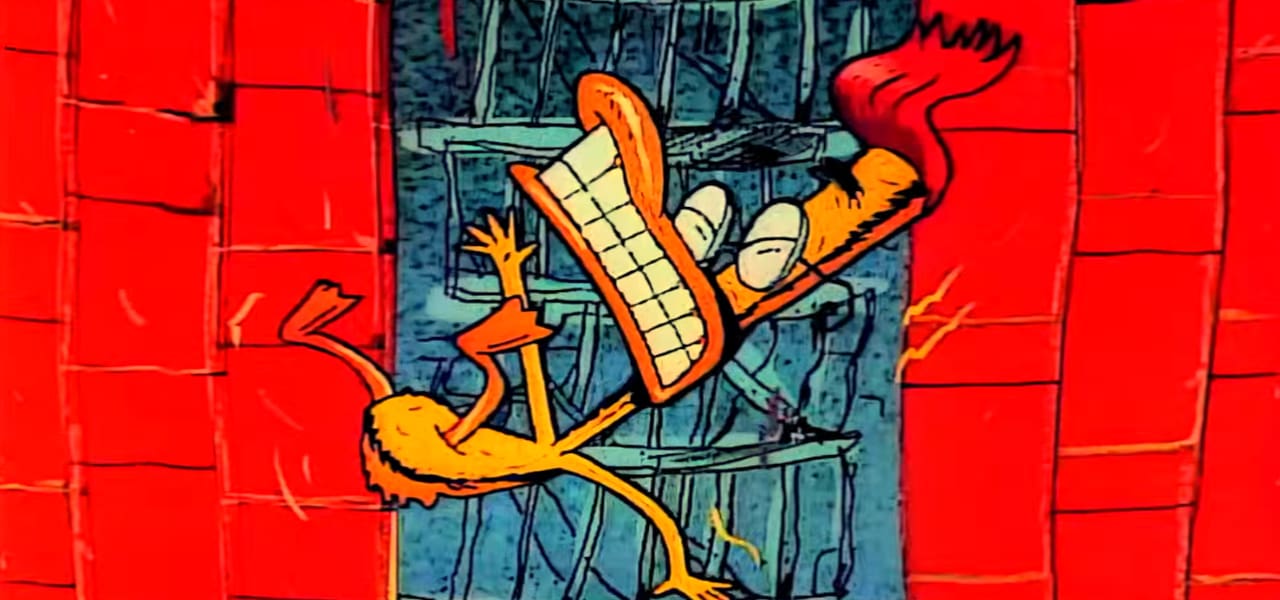
The core of the criticism leveled against the new Duckman pitch centers on its aesthetic transformation. The original series embraced a style that could be described as "deliberately ugly" or "unconventional," which served to enhance its dark humor and differentiate it from more traditionally appealing animation. This was a hallmark of Klasky Csupó’s early work—a willingness to prioritize character expression and thematic resonance over conventional beauty. The new visuals, however, are perceived not as a fresh artistic interpretation but as a homogenized, generic look that strips away the original’s unique charm and grit.
The "AI feel" described by critics taps into broader anxieties within the creative industries regarding the increasing use of artificial intelligence in content creation. Concerns range from the potential for job displacement to the fear of a "soulless" aesthetic that lacks the nuance, intentionality, and human touch of traditional artistry. In the context of the Duckman pitch, this criticism suggests that the visual update feels less like a deliberate artistic evolution and more like a superficial application of modern digital tools, potentially without a deep understanding of what made the original’s visuals so effective. The vibrant, glossy characters, drifting through a familiar setup, are seen as approximations that replace the original’s carefully crafted, if unconventional, aesthetic with one that is simply unappealing and devoid of character.
The Reboot Economy and IP Exploitation
The Duckman revival pitch arrives amidst a pervasive trend in Hollywood: the insatiable appetite for reboots, revivals, and continuations of established intellectual properties (IPs). In an increasingly fragmented media landscape, studios and networks often prioritize known brands with built-in fanbases, viewing them as safer investments compared to original content. This "reboot economy" has yielded mixed results. Successful revivals like Hulu’s Futurama or Max’s Clone High have demonstrated that with careful creative stewardship, a beloved series can be successfully modernized for a new era while respecting its roots. However, there have also been numerous instances where reboots have fallen flat, either by failing to capture the original’s spirit, alienating longtime fans with drastic changes, or simply lacking the creative spark that made the original series compelling.
For Duckman, a show celebrated for its subversive nature and distinct voice, the challenge of a revival is particularly acute. Its biting satire and mature themes were ahead of their time, but also deeply rooted in the cultural context of the 1990s. A modern revival would need to navigate contemporary sensibilities, societal changes, and evolving standards of humor, all while retaining the essence of Eric Duckman’s character and the show’s unique worldview. The current pitch’s aesthetic choices suggest a potential misjudgment of what made Duckman resonate, opting for a visual style that appears more aligned with current mainstream animation trends rather than a faithful or thoughtfully evolved interpretation of the original’s artistic vision.
Rights, Intent, and Future Prospects
According to the video’s description, Klasky Csupó and Grand Allure Entertainment jointly control the future television, streaming, and film rights to Duckman in conjunction with CBS. Csupó’s stated intention is for CBS to order new episodes, with the possibility of a major streaming platform also expressing interest. This clarifies that the pitch is a genuine attempt to bring the character back to screens, rather than merely a speculative fan project or an artistic experiment.
However, the question remains whether the video is a serious artistic proposal or, as some have speculated, a more elaborate provocation. Could it be a subversive critique of modern animation’s obsession with endless reboots, the commodification of IP, and the potential "damage soulless AI slop can inflict on beloved relics of our past?" While this interpretation offers a compelling meta-narrative, the explicit statements about securing a series order lean towards a genuine, albeit controversial, commercial endeavor.
.png)
Anticipated Industry and Fan Reactions
Should this pitch gain traction, industry reactions would likely be divided. While executives might see the value in leveraging a recognized IP like Duckman, particularly one with a cult following, the drastic aesthetic changes could be a point of contention. The animation community, often vocal about artistic integrity and the preservation of distinct styles, would undoubtedly scrutinize the project. Concerns about the use of AI-like aesthetics and the perceived homogenization of animation styles are prevalent, and a Duckman revival that appears to lean into these trends could become a flashpoint for broader industry discussions.
For the dedicated fanbase of Duckman, the reaction has been overwhelmingly one of disappointment and even heartbreak. Many viewers who grew up with the show, cherishing its unique blend of cynicism and surrealism, view the proposed changes as a betrayal of its spirit. The original article’s author, Jamie Lang, articulates this sentiment poignantly, describing Duckman as a "very special place in my heart" and finding the new presentation "a little bit heartbreaking." This emotional connection to classic shows means that any revival faces an exceptionally high bar, needing to respect the original while also finding relevance in a new era. A significant departure in style, particularly one perceived as a downgrade or a genericization, risks alienating the very audience the revival aims to recapture.
Implications for Duckman‘s Legacy
The current Duckman revival pitch presents a critical juncture for the property. On one hand, it signifies a renewed interest in a cult classic, offering the potential for new stories and a reintroduction to a character beloved by many. On the other, the contentious nature of the proposed aesthetic and musical changes raises significant questions about how best to honor and evolve a cherished piece of animation history.
A successful Duckman revival would require a deep understanding of its original appeal: the sharp writing, the subversive humor, the unique voice of Jason Alexander, and the distinct, gritty visual style that underscored its themes. While modernization is often necessary, it should ideally enhance rather than dilute the core identity of the IP. If the current pitch is indeed serious, it suggests a strategic choice to move Duckman into a more contemporary, perhaps more broadly palatable, visual idiom. However, this move risks stripping the series of its unique edge and artistic integrity, potentially sacrificing the very qualities that earned it its cult status.
Ultimately, the future of Duckman hangs in the balance. While the prospect of new episodes is exciting for many, the quality and artistic direction of any revival are paramount. As the original article concludes, "Maybe Duckman deserves another shot. But if it does, it deserves a much better one than this." The debate surrounding this initial pitch serves as a potent reminder of the delicate balance between nostalgic revival and creative evolution in the ever-evolving landscape of animated storytelling.