The Miniature Wife: Unpacking the Colossal Visual Effects Behind Peacock’s Intimate Drama


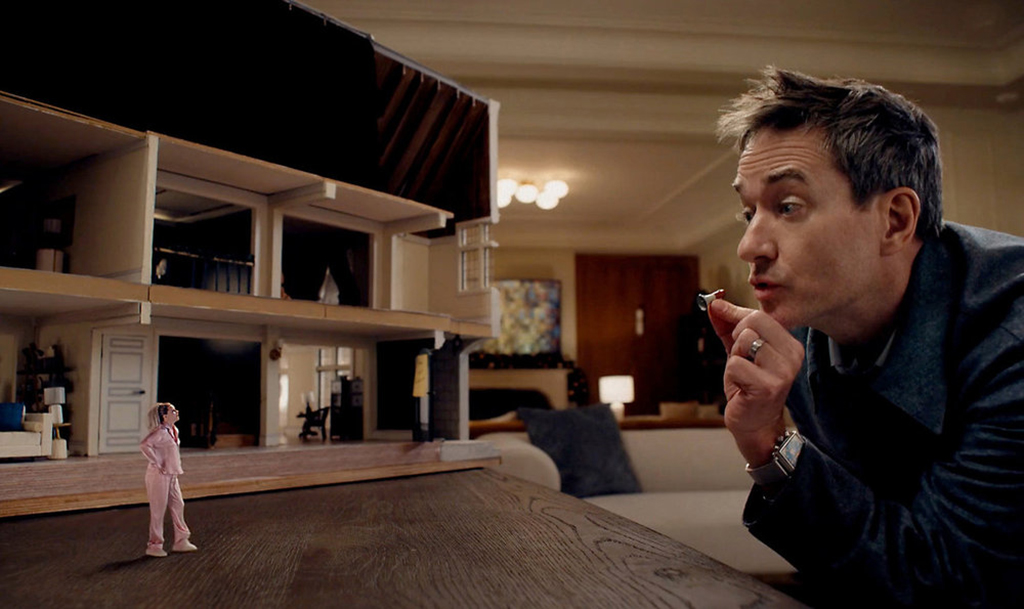
Peacock’s highly anticipated series, The Miniature Wife, premiering June 30, 2026, delves into the complexities of a marriage under extraordinary circumstances, taking the metaphorical feeling of a spouse making the other feel small to its literal, dramatic extreme. Based on Manuel Gonzalez’s acclaimed short story, the romantic comedy-drama series stars Elizabeth Banks and Matthew Macfadyen as Lindy and Les Littlejohn, a couple whose already strained relationship faces unprecedented challenges after an industrial accident shrinks Lindy to a mere six inches tall. This ambitious narrative, shepherded by showrunners Jennifer Ames and Steve Turner, demands a visual effects spectacle of colossal proportions, as detailed by Visual Effects Supervisor Ashley Bernes.
The Genesis of a Grand Vision: From Page to Screen
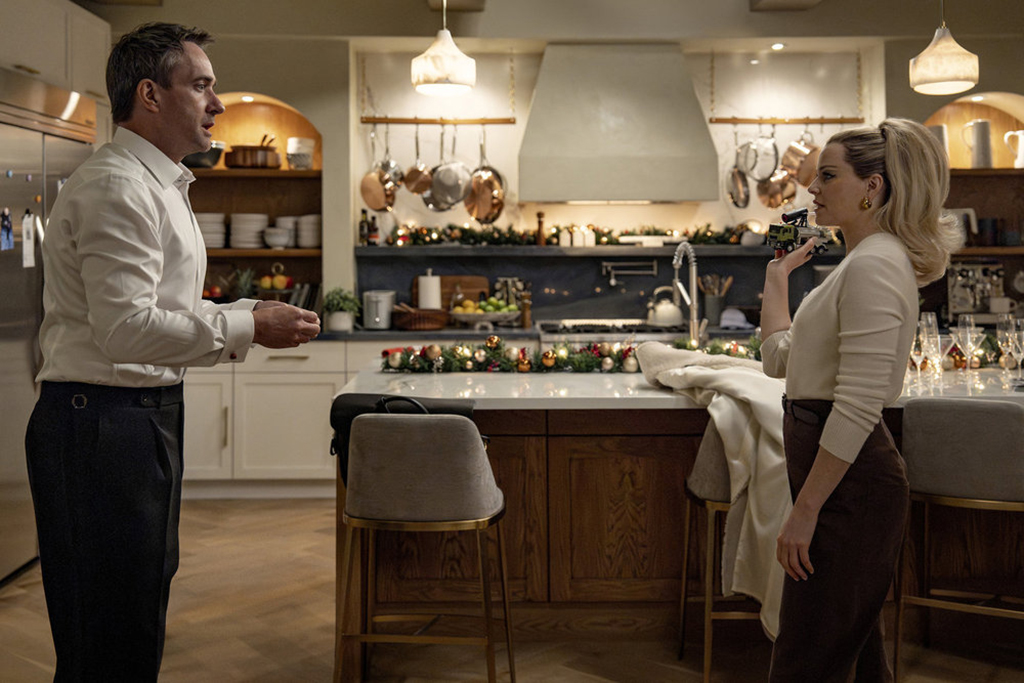
Manuel Gonzalez’s short story, known for its poignant blend of the fantastical and the deeply human, provides a compelling foundation for The Miniature Wife. The adaptation expands on the original narrative, exploring the emotional and logistical ramifications of Lindy’s miniaturization over a 10-episode arc. This premise, while ripe for rich character development and darkly comedic moments, presented an immediate and immense challenge for the production team: how to convincingly portray a six-inch protagonist interacting with a full-sized world, and a full-sized husband.
Peacock’s investment in The Miniature Wife underscores the streaming platform’s strategy to deliver unique, high-concept original content that stands out in a crowded market. The series’ blend of romantic drama, dark comedy, and high-stakes fantasy positions it as a potential flagship title, attracting audiences with its compelling premise and star power. Elizabeth Banks, renowned for her versatile acting career and directorial successes like Pitch Perfect 2 and Cocaine Bear, brings a depth of experience to the role of Lindy. Matthew Macfadyen, fresh off his Emmy-winning performance in Succession, offers a nuanced portrayal of Les, navigating the absurd yet heartbreaking reality of his wife’s transformation. Their combined talent is crucial for grounding the fantastical elements in believable human emotion.
A Colossal Undertaking: The Visual Effects Blueprint
To bring the world of The Miniature Wife to life, the production enlisted Visual Effects Supervisor Ashley Bernes, whose prior work on critically acclaimed series like Severance prepared him for the intricate demands of a narrative reliant on seamless visual trickery. Bernes and his team were tasked with overseeing an astounding 3,000 visual effects shots across the series’ 10 episodes—a volume that speaks to the sheer scale and complexity of the project. This figure places The Miniature Wife among the most VFX-heavy television productions, highlighting the industry’s increasing reliance on digital artistry to realize ambitious storytelling.
The sheer volume necessitated a collaborative approach, engaging a consortium of leading visual effects studios: Mavericks VFX, Zoic Studios, Tippett Studio, SPINVFX, Mr. X, Pixomondo, and an dedicated in-house team. This multi-vendor strategy, common in large-scale productions, allows for specialized expertise to be applied to different types of shots and helps manage the immense workload within tight production schedules. Bernes acknowledged the inherent difficulties of such an endeavor, stating, "A good amount of prep, shooting and post-production were happening at the same time. Naturally, it’s complicated, but it’s what we do, and along with the volume that today’s shows demand, we get it done." He extended particular gratitude to his client-side team – Ziggy, Adam, Aiden, Kelly, Craig, Scott, and Cole – emphasizing that their support was instrumental in navigating the project’s complexities.
Navigating the Unseen: Pre-Production and Planning
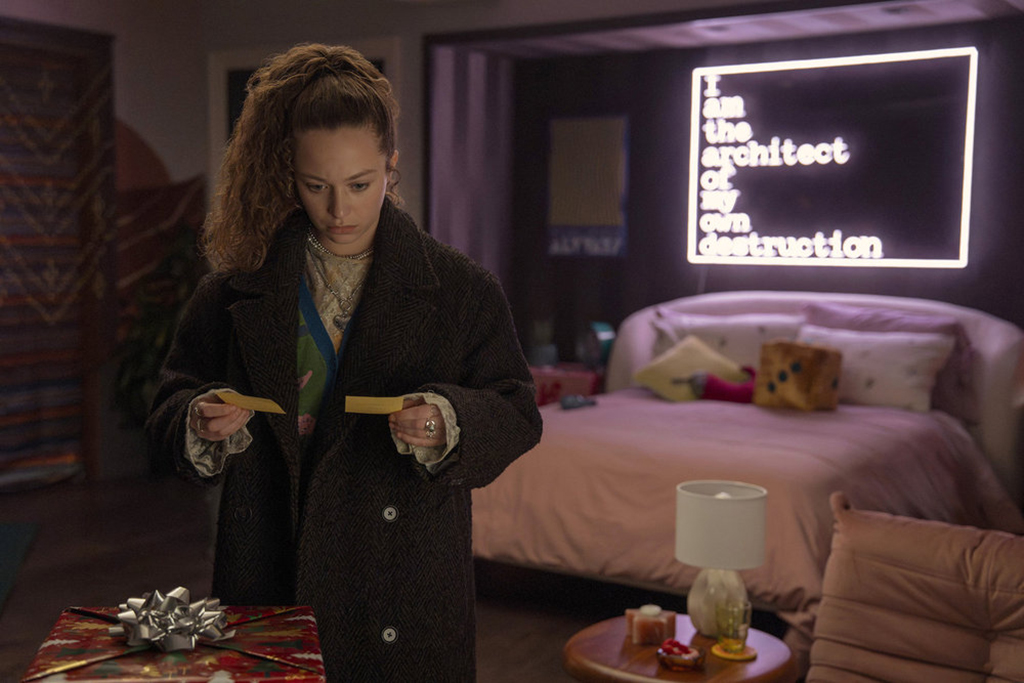
The primary challenge for Bernes and his team revolved around the consistent and believable portrayal of scale. Maintaining a precise 12:1 scale ratio between Lindy and her environment was paramount, requiring meticulous planning from the earliest stages of pre-production. Unlike feature films with extended timelines, television productions often compress these phases, demanding that creative and technical solutions be developed concurrently.
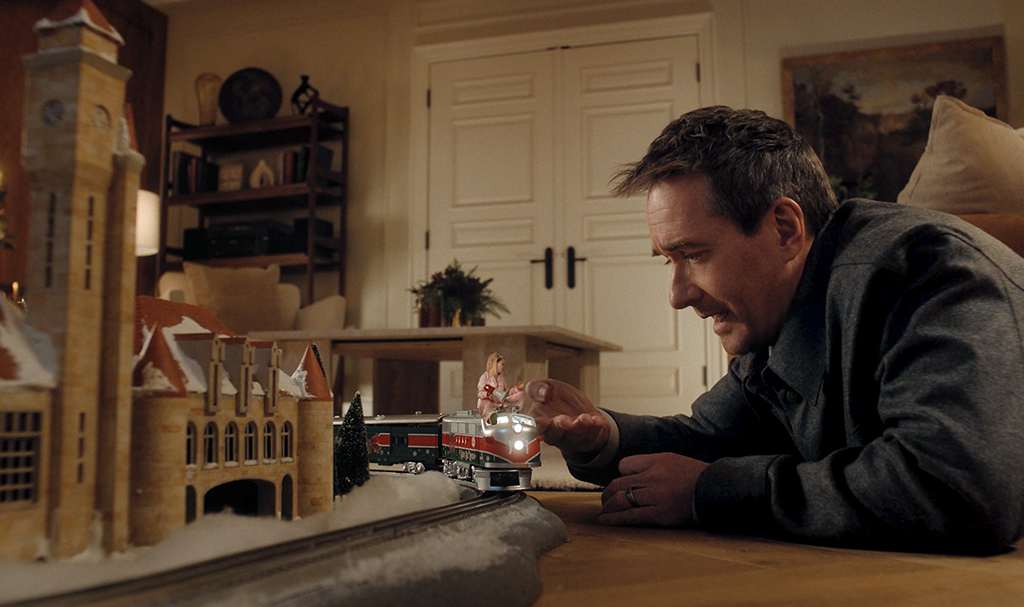
Director Greg Mottola, known for his ability to blend humor with grounded realism, worked closely with Bernes to conceptualize the visual language of the series. Early storyboarding and previs (pre-visualization) sessions were crucial in translating abstract script ideas into concrete visual sequences. Bernes elaborated on this critical phase, particularly concerning a sequence involving Lindy riding a toy train around a life-sized Christmas tree: "Given our show is called The Miniature Wife, my eyebrows raised when reading this in the script early on, due to the challenges with representing multiple subject scales within the same frame at once. Before I officially started, inquiries were already flying around for this sequence. How would we do it?"
The initial question was not how to achieve the effect, but what the creative objective was. "Once we narrowed down the goals behind the frames, I could get creative with camera language and moves to see what stuck," Bernes explained. This iterative process of creative exploration followed by technical feasibility studies became the bedrock of the entire VFX strategy. Techvis (technical visualization) then refined these creative concepts into actionable plans for shooting, considering camera movements, equipment limitations, and spatial requirements.
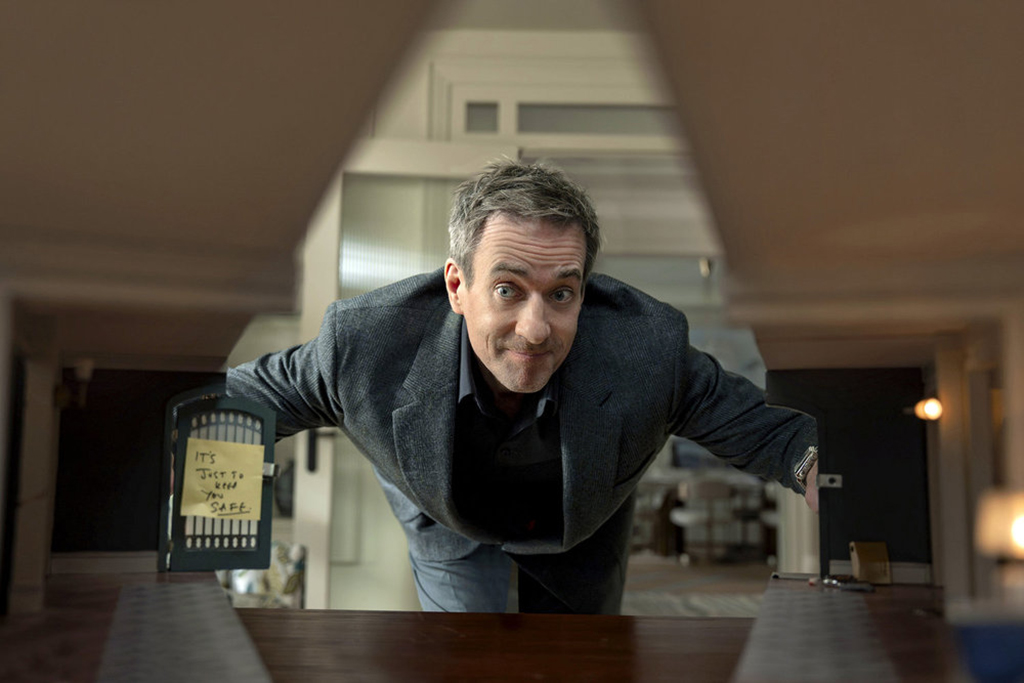
On Set: A Dance of Precision and Performance
Principal photography for The Miniature Wife was a carefully orchestrated ballet of separate performances and innovative staging. Elizabeth Banks and Matthew Macfadyen, despite often being filmed in isolation, needed to deliver performances that conveyed a tangible connection and interaction. Showrunner Jennifer Ames recalled a pivotal moment that solidified her confidence in the show: "Watching the Zoom chemistry test between Sofia Rosinsky and Elizabeth Banks, who play mother and daughter, was the moment Showrunner Jennifer Ames knew the show was going to work." This early validation of the emotional core underscored that while the VFX would provide the spectacle, the actors’ performances would sell the illusion of shared space and genuine relationships.
The art department, led by Maxwell Orgell, played a crucial role in providing practical elements for the actors to interact with. Oversized props were meticulously constructed, giving Elizabeth Banks tangible references for her reactions and movements within her miniaturized world. This blend of practical effects and digital enhancements is a hallmark of effective visual storytelling, ensuring that actors have something physical to react to, which in turn enhances the realism of the final composite shots.
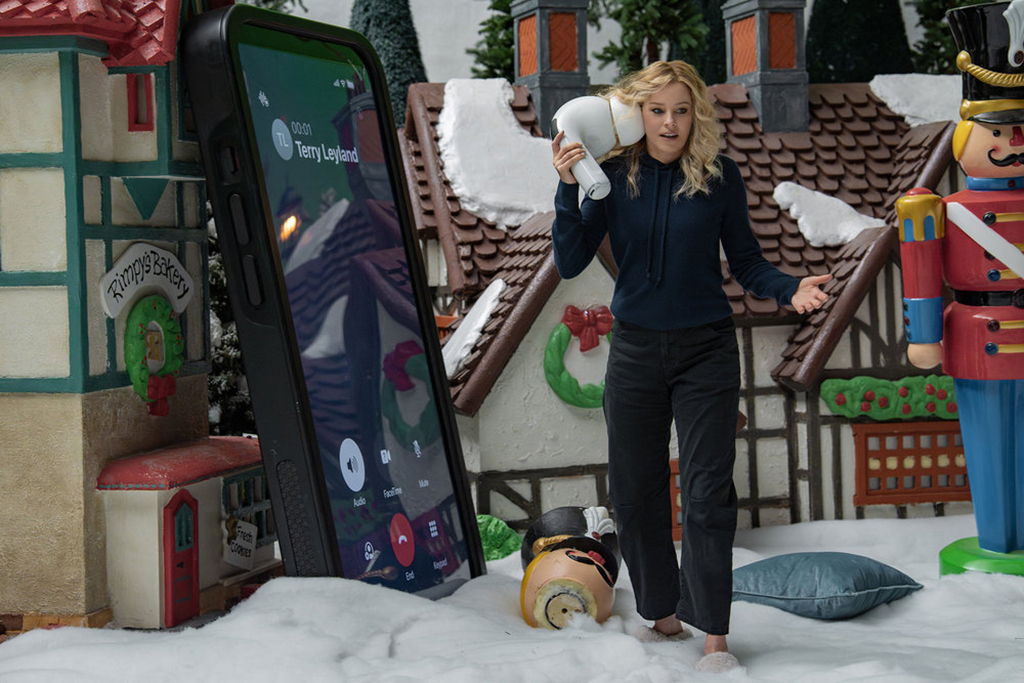
The Christmas train sequence exemplifies the intricate on-set coordination required. The scene, conceived as a single, uncut camera move, demanded a perfect synchronicity between camera motion and character action. Bernes detailed the technical solution: "We were dealing with motion control, looking at different rigs and their speed and distance limitations to ensure we had the right space requirements onstage to execute both the background plate and actor plate requirements, respectively." The solution involved using the Bolt system on track, a high-speed motion control rig, to program precise camera movements. "Where we landed was using the Bolt system on track to program a camera move in the real world that would not exceed our capabilities in the small world to capture our toy train with our camera, as defined in the previs as ‘Part A,’ with ‘Part B’ at a later date being Lindy’s performance."
A significant technical hurdle was the 12:1 scale ratio. "Any real-world camera movements made in our big world needed to be scaled up 12 times in the small world to maintain our correct scale relationship," Bernes noted. This meant a camera moving at a certain speed in the "big world" would need to simulate a much faster movement in the "small world" to maintain realistic perspective. To achieve the necessary speed and distance for Lindy’s performance, the special effects team, led by Mike Innanen (known for his work on The Invisible Man), integrated a six-axis programmable turntable. This turntable, compounding its movement with the Bolt arm, gave Lindy’s "buck" (a stand-in for the miniature character) the appearance of greater speed and distance than the Bolt system could achieve alone. "You can see how just getting to the point where you can direct an actor gets tricky fast with all the variables of working at multiple scales," Bernes remarked, highlighting the complex interplay between technology, creative vision, and performance.
Post-Production: Weaving the Fabric of Reality
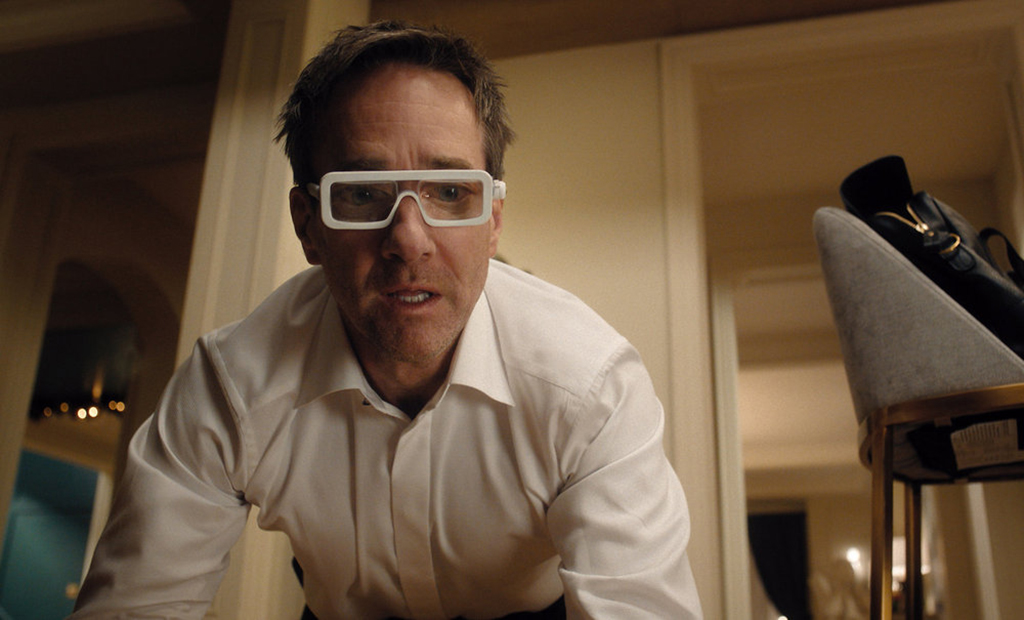
Once principal photography concluded, the 3,000 VFX shots entered the intensive post-production phase, where the various elements—actor plates, background plates, CGI assets, and practical effects—were seamlessly integrated. Each of the multiple VFX vendors brought their specialized skills to different aspects of the series.
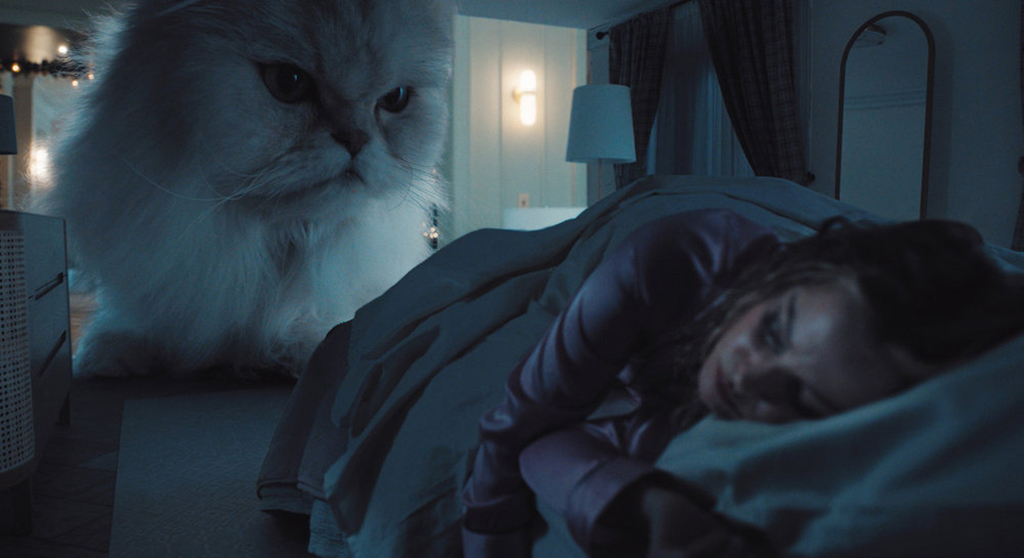
Beyond the intricate train sequence, The Miniature Wife presented a myriad of other complex visual effects challenges. Bernes enumerated a diverse range of tasks: "We had people in hands, a giant housefly duel where Lindy and the fly fought to the death, a playful miniature cat, exploding buildings, car rides, giant LEGO innovations, scooter rides and more."
- Human Interaction with Miniaturized Lindy: Shots involving full-sized characters holding or interacting with Lindy were particularly challenging. These required precise rotoscoping, realistic shadow casting, and subtle distortions to convey weight and texture, ensuring that the interaction felt organic and believable, rather than merely a digital overlay.
- Creature Animation and Interaction: The "giant housefly duel" and the "playful miniature cat" involved sophisticated CGI creature animation, requiring realistic movement, texture, and interaction with both Lindy and the environment. The fly duel, in particular, would have demanded intricate choreography and dynamic camera work to convey the intensity of a life-or-death struggle from Lindy’s perspective.
- Environmental Transformations: Perhaps one of the most ambitious undertakings was the complete seasonal change for an entire episode, transforming summer landscapes into winter scenes. This required extensive digital matte painting, 3D environment creation, and dynamic lighting adjustments to convincingly reinvent backgrounds and locations. This level of environmental manipulation demonstrates the advanced capabilities of modern VFX.
- Dynamic Set Pieces: Exploding buildings, car rides, and scooter rides introduced elements of destruction physics, vehicle animation, and complex compositing to integrate Lindy into dynamic, action-oriented sequences. The "giant LEGO innovations" hint at creative uses of scale and interaction within a familiar, yet exaggerated, context.
Bernes praised the dedication and skill of the post-production teams: "None of this can diminish the stellar work our vendors implemented in post to integrate all the elements together seamlessly." The ability of the various studios to rebuild backgrounds, apply interactive lighting, and meticulously integrate every element was critical to achieving the consistent visual fidelity required for such a concept.
Broader Implications and Industry Impact
The Miniature Wife stands as a testament to the evolving capabilities of visual effects in television. The sheer volume and complexity of the shots, coupled with the condensed timelines of episodic production, push the boundaries of what is achievable on the small screen. This series, much like Severance before it, will likely set new benchmarks for visual storytelling in streaming content.
The success of The Miniature Wife has significant implications for the future of high-concept narratives in television. It demonstrates that streaming platforms are increasingly willing to invest in ambitious, fantastical stories that historically might have been relegated to feature films due to their VFX demands. This trend provides more opportunities for creatives to explore unique premises and for audiences to experience truly immersive worlds from the comfort of their homes.
Furthermore, the collaborative model employed, involving multiple top-tier VFX houses, highlights the robust and interconnected nature of the visual effects industry. It underscores the global talent pool and the sophisticated pipelines required to manage projects of this magnitude. The lessons learned from managing scale issues, integrating practical and digital effects, and maintaining creative consistency across thousands of shots will undoubtedly inform future productions.
Ultimately, The Miniature Wife is not just a story about a woman who shrinks; it is a profound exploration of power dynamics, marital struggles, and the human capacity for adaptation, all amplified by a spectacular visual effects canvas. As Ashley Bernes eloquently summarized, "The sum of all the parts made this hugely collaborative, technical and creative puzzle a joy to be part of." The Peacock series promises to be a visual and narrative tour de force, redefining what audiences can expect from episodic television.