
Julie Chrisley Will Spend Her Prison Sentence With Another Reality Star But They Wont Rub Elbows 2 2
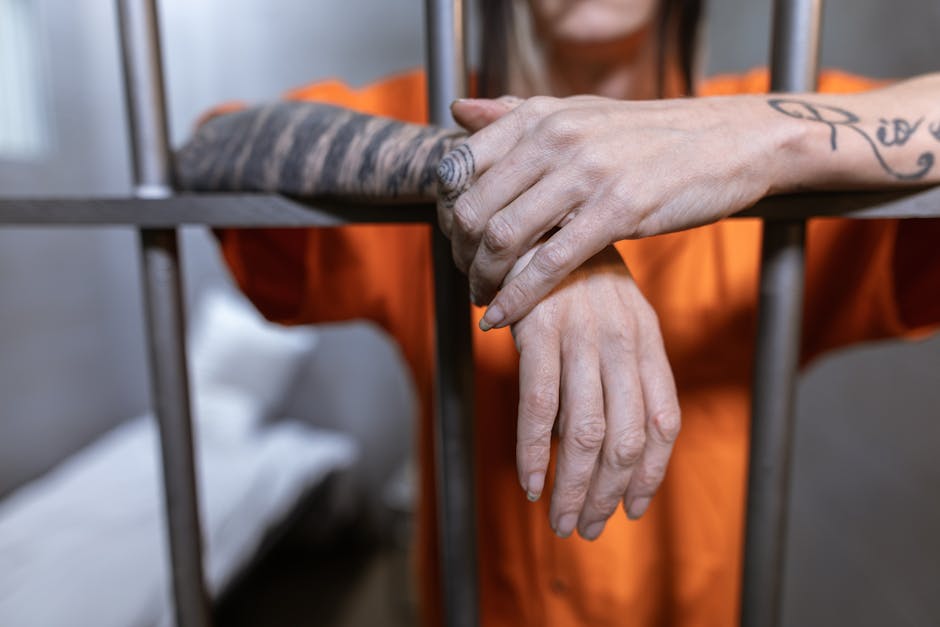
Julie Chrisley to Serve Prison Sentence Separately from Todd Chrisley, Avoiding Direct Interaction in Federal Facilities
The highly publicized legal troubles of reality television personalities Julie and Todd Chrisley have culminated in their respective prison sentences. While both are currently incarcerated, a key detail emerged regarding their incarceration: they will not be serving their time together and will not have direct contact within the federal prison system. This distinction is significant for several reasons, impacting public perception, potential future legal ramifications, and the practical realities of navigating federal correctional facilities. Understanding the nuances of their confinement, specifically Julie Chrisley’s situation, requires an examination of federal prison protocols, the roles of correctional institutions, and the individual circumstances of their sentencing.
Julie Chrisley, a central figure in the reality series "Chrisley Knows Best," began her prison sentence at the Federal Medical Center (FMC) in Lexington, Kentucky. This facility is distinct from the institution where her husband, Todd Chrisley, is serving his time. FMC Lexington is a federal correctional institution with a unique designation. While it houses both male and female inmates, it is specifically equipped to manage inmates requiring medical care, including those with chronic illnesses or who need access to specialized medical services. This means that while Julie is in a federal prison, her environment is tailored to a specific need, which may or may not align with the general population housing of other federal correctional facilities. The separation of spouses within the federal prison system is not uncommon, driven by a multitude of factors aimed at maintaining institutional order, security, and operational efficiency. Prisons are designed with specific housing units, security levels, and programmatic offerings that are often segregated by gender and, in some cases, by medical needs or security classification. The idea of "rubbing elbows" is not a consideration in the operational framework of federal prisons; rather, the focus is on security, classification, and the rehabilitation or incapacitation of the inmate population.
The Federal Bureau of Prisons (BOP) oversees all federal correctional institutions in the United States. The BOP employs a complex system of inmate classification to determine the appropriate facility and housing for each individual. This classification process considers factors such as the nature of the offense, prior criminal history, security risk assessment, medical needs, and even disciplinary infractions. In the case of the Chrisleys, their convictions for bank fraud and tax evasion led to significant prison sentences. Todd Chrisley was designated to the Federal Correctional Institution (FCI) in Pensacola, Florida, a medium-security facility. Julie’s assignment to FMC Lexington, a facility with a medical focus, indicates that either her medical needs played a role in her placement, or it was deemed the most suitable available federal facility for a female inmate with her security classification at the time of her intake. Regardless of the specific reasons for their individual placements, the BOP’s mandate prioritizes the secure and efficient operation of its facilities, which necessitates careful segregation of inmates.
The concept of inmates "rubbing elbows" is a colloquialism that implies casual social interaction. Within the structured and highly regulated environment of federal prisons, such unmonitored and unstructured social mingling, particularly between individuals with prior public profiles and potentially complex personal relationships, is strictly controlled. Inmates are assigned to specific housing units, participate in designated programs, and have controlled movement within the facility. Interaction outside of these prescribed boundaries is limited and subject to disciplinary action. Therefore, even if Julie and Todd were housed in facilities within close geographical proximity, their direct interaction would be virtually nonexistent, absent of any formal legal proceedings or designated visitation that adheres to strict BOP regulations. The separation is not an intentional measure to prevent spousal interaction but rather a byproduct of the system’s design to manage diverse inmate populations.
Furthermore, the separation of married couples in federal prison is a standard operational procedure. While the BOP does permit conjugal visits in some state prison systems, these are generally not permitted in federal facilities. Federal regulations and institutional policies are geared towards managing inmates as individuals, prioritizing security and the proper execution of their sentences. The BOP’s mission is to incarcerate federal offenders safely and humanely, providing for their needs and holding them accountable for their actions. The personal relationships of inmates, while acknowledged, are secondary to the operational requirements of the correctional system. The notion of them “rubbing elbows” is not part of the penal calculus; instead, it’s about security protocols, inmate management, and ensuring the integrity of the correctional process.
Julie Chrisley’s experience at FMC Lexington will likely involve a different daily routine and access to resources compared to a typical medium-security facility. Facilities like FMC Lexington are equipped to handle a range of medical conditions, from chronic illnesses to post-operative care. Inmates in such facilities may spend more time in medical appointments, therapy sessions, or rehabilitation programs. This specialized environment further reinforces the separation from her husband, who is housed in a facility primarily focused on general inmate population management. The BOP’s approach is to place inmates where they can be most effectively managed and where their needs, whether medical or security-related, can be best met. This ensures that each inmate receives the appropriate level of care and supervision, contributing to the overall safety and order of the federal prison system.
The financial and legal repercussions of the Chrisleys’ convictions have been well-documented. Their sentencing aimed to hold them accountable for their crimes, and their incarceration is a direct consequence of those judicial decisions. The separation in their prison sentences is a practical outcome of the federal correctional system’s operational framework, not a strategic maneuver to keep them apart for punitive reasons beyond their sentences themselves. The BOP’s primary objective is to manage its inmate population effectively, and this involves assigning individuals to facilities that align with their security classification, medical needs, and program requirements. The idea of "rubbing elbows" is a trivial concern when weighed against the complex logistical and security considerations that govern federal prisons.
In conclusion, Julie Chrisley’s prison sentence, like that of her husband Todd Chrisley, is being served within the federal correctional system. The fact that they will not be "rubbing elbows" is not a matter of intentional segregation for personal reasons but rather a consequence of the Federal Bureau of Prisons’ established protocols for inmate placement and management. Each inmate is assigned to a facility based on a comprehensive classification process that considers security, medical needs, and program availability. Julie’s placement at FMC Lexington, a facility with a medical focus, further ensures her separation from Todd, who is incarcerated at a different facility. This separation is a standard operational procedure within the federal prison system, prioritizing security, order, and the efficient management of a diverse inmate population, rather than facilitating or preventing social interaction between inmates, particularly those with pre-existing relationships. The focus remains on the execution of their sentences and their individual accountability within the confines of the federal penal system.
