
Category Theme Park Attractions
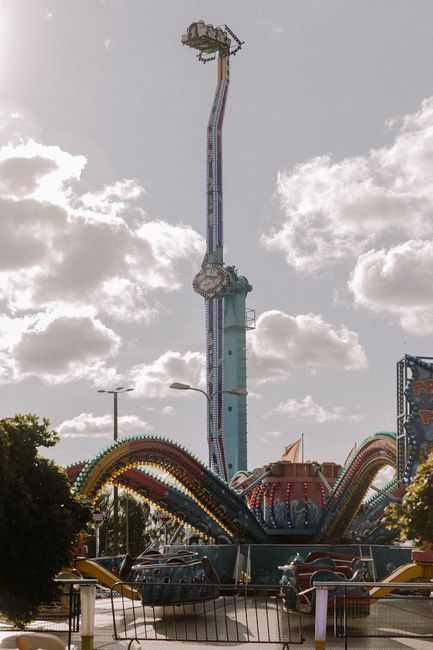
Theme Park Attractions: A Comprehensive Guide to Categories and Experiences
Theme park attractions represent the heart and soul of the amusement experience, offering diverse forms of entertainment designed to thrill, enchant, and immerse visitors. These attractions can be broadly categorized based on their primary mode of operation, target audience, and the type of experience they deliver. Understanding these categories is crucial for both theme park operators seeking to optimize their offerings and for guests planning their visits.
Roller Coasters: The Thrill Seeker’s Domain
Roller coasters are arguably the most iconic theme park attraction, defined by their intricate track layouts, exhilarating drops, and high-speed maneuvers. These rides are engineered to induce adrenaline rushes through a combination of gravity, momentum, and centrifugal force. The diversity within roller coaster design is vast, catering to a spectrum of thrill tolerance. Launched coasters, for instance, use pneumatic or magnetic propulsion to accelerate riders from zero to high speeds almost instantaneously, offering a powerful initial surge. Traditional lift-hill coasters rely on mechanical means to ascend a steep incline before releasing riders into a descent. Inverted coasters suspend riders beneath the track, allowing their legs to dangle freely, enhancing the sensation of exposure. Wing coasters feature seats positioned on either side of the track, creating a feeling of flight. Suspended coasters, distinct from inverted, swing freely below the track. Dive coasters are characterized by a vertical drop followed by a pause at the apex before plunging downwards. Wooden coasters, with their classic rattling feel and unpredictable airtime, evoke nostalgia, while steel coasters allow for more complex inversions, loops, and corkscrews. The engineering behind each type is a testament to innovation, pushing the boundaries of physics and rider experience. Safety is paramount, with rigorous testing and maintenance protocols ensuring reliable operation. The psychological impact of roller coasters is significant, tapping into primal instincts of fear and excitement, fostering a sense of accomplishment and shared experience among riders.
Dark Rides: Immersive Storytelling and Fantasy
Dark rides offer a more subdued yet equally engaging experience, characterized by their enclosed environments and narrative-driven journeys. These attractions transport guests through elaborately themed environments, often populated with animatronics, special effects, and music, to tell a story. The slow, controlled movement of the ride vehicles allows for detailed observation of the scenery and narrative elements. Disney’s "Pirates of the Caribbean" and "Haunted Mansion" are prime examples of classic dark rides, renowned for their immersive theming and storytelling. Modern dark rides increasingly incorporate advanced technologies like projection mapping, augmented reality, and interactive elements. This allows for a more personalized and dynamic experience. Trackless ride systems, for example, enable vehicles to move freely and unpredictably, enhancing the sense of exploration and surprise. Interactive dark rides empower guests to participate in the narrative by shooting targets or making choices that influence the ride’s progression, adding a layer of engagement and replayability. The success of a dark ride hinges on its ability to create a believable and captivating world, transporting visitors beyond the confines of the theme park and into a realm of fantasy and adventure.
Water Rides: Cooling Off and Splashy Fun
Water rides provide a refreshing escape, particularly appealing in warmer climates. These attractions utilize water for propulsion, cooling, and entertainment. Log flumes, a classic water ride, feature a series of channels and drops culminating in a significant splashdown, often soaking riders. River rapids rides simulate a journey down a wild river, with circular rafts navigating turbulent currents, rapids, and waterfalls, guaranteeing a refreshing drenching. Shoot-the-chutes offer a steep drop and a large splash, designed for maximum soaking. Water coasters, a hybrid concept, combine elements of roller coasters and water slides, utilizing water jets and lift hills to propel rafts uphill before sending them down watery inclines. The design of water rides often incorporates elaborate theming, transforming simple channels into pirate coves, jungle rivers, or ancient ruins. The primary draw of water rides is their ability to provide a cool respite from the heat while delivering an element of excitement through splashes and drops. Proper drainage and water filtration systems are critical for hygiene and operational efficiency.
Themed Attractions and Walk-Through Experiences: Escapism and Exploration
Themed attractions and walk-through experiences prioritize deep immersion and storytelling, inviting guests to step into meticulously crafted worlds. These attractions often forgo traditional ride vehicles in favor of direct exploration. This can range from elaborate themed lands that guests can freely wander through, encountering characters, shops, and entertainment, to specific attractions designed for pedestrian access. Examples include immersive lands like "Star Wars: Galaxy’s Edge" at Disneyland or "The Wizarding World of Harry Potter" at Universal Studios. Within these lands, individual attractions might take the form of detailed queues that serve as extensions of the story, interactive exhibits that allow guests to engage with the theme, or simply beautifully designed environments that encourage exploration and photography. Walk-through attractions like haunted houses or maze-like structures create a more intimate and suspenseful experience, relying on atmosphere, special effects, and carefully placed scare actors or sensory stimuli. The success of these attractions lies in their ability to create a sense of place, transporting guests so effectively that they momentarily forget their surroundings. Attention to detail in set design, costuming, soundscapes, and even scent plays a crucial role in achieving this level of escapism.
Children’s Rides and Family Attractions: Gentle Thrills and Playful Adventures
Designed to cater to younger guests and families, these attractions prioritize safety, mild thrills, and engaging play. Children’s rides often feature slow speeds, gentle movements, and whimsical themes. This category includes classic carousel rides, teacup rides where riders control their spinning speed, and gentle boat rides through storybook scenes. Many parks also feature dedicated children’s areas with scaled-down versions of thrill rides or playgrounds. Family attractions, while potentially offering more excitement than purely children’s rides, are designed to be enjoyable for a wide age range. These can include moderately thrilling roller coasters with milder drops, simulator rides that offer visual and motion experiences without extreme G-forces, or motion-based attractions that provide a sense of movement and adventure. The emphasis here is on shared experiences that the entire family can enjoy together, fostering bonding and creating lasting memories. Safety restraints and ride operations are meticulously designed to accommodate children of various sizes and abilities.
Simulator Attractions: Virtual Worlds and Sensory Immersion
Simulator attractions leverage advanced technology to create immersive visual and sensory experiences, often simulating journeys or scenarios that would be impossible in reality. These rides typically involve motion-based platforms that replicate the movements depicted on large screens, accompanied by sound and sometimes even wind or scent effects. Examples include flight simulators, space exploration adventures, or thrilling chase sequences. The primary appeal of simulator attractions lies in their ability to create a highly believable, albeit artificial, reality. Guests are often seated in a theater or individual ride vehicles that tilt, shake, and move in sync with the on-screen action, creating a profound sense of presence. This technology allows for dynamic storytelling and the exploration of diverse environments without the physical constraints of traditional rides. The technological sophistication required for effective simulation is high, demanding seamless integration of visual, audio, and motion elements.
Show Attractions and Live Entertainment: Spectacle and Performance
While not always considered traditional "rides," show attractions and live entertainment are integral to the theme park experience, offering spectacle, storytelling, and opportunities for audience engagement. This category encompasses a wide range of offerings, including theatrical productions, parades, fireworks displays, character meet-and-greets, and acrobatic performances. These attractions often complement the park’s theming, further immersing guests in the park’s narrative or universe. Broadway-style shows with elaborate costumes and sets, stunt shows that thrill with daring feats, and immersive theatrical experiences that involve audience participation all fall under this umbrella. Parades and fireworks displays provide grand-scale entertainment, often marking the beginning or end of a park day. The success of these attractions relies on strong performance, compelling narratives, and high production values, contributing significantly to the overall atmosphere and guest satisfaction.
Specialty and Niche Attractions: Unique Experiences and Novelty
Beyond these broad categories, theme parks often feature specialty or niche attractions that cater to specific interests or offer unique, one-of-a-kind experiences. This can include observation towers offering panoramic views, interactive museums or exhibits, extreme sports demonstrations, or even unique culinary experiences integrated into the attraction. Some parks might have dedicated areas for competitive gaming or esports. This category highlights the evolving landscape of theme park entertainment, where innovation often leads to the creation of entirely new attraction types. The goal is to offer something distinct that sets the park apart and attracts a diverse range of visitors. This often involves significant investment in specialized technology or unique operational models.
Thematic Integration and Future Trends
The categorization of theme park attractions is not static; it continually evolves with technological advancements and shifting guest expectations. The trend towards deeper immersion, interactive storytelling, and personalized experiences is evident across all categories. Future developments are likely to see a greater integration of artificial intelligence, augmented reality, and virtual reality, further blurring the lines between the physical and digital realms. The concept of "attraction" itself may expand to encompass more experiential and educational elements, moving beyond pure thrill to offer richer, more meaningful engagements with theming and narrative. The successful design and implementation of these diverse attractions are crucial for theme park operators to create memorable, engaging, and ultimately, profitable guest experiences that keep visitors returning year after year. The ongoing quest for innovation ensures that the world of theme park attractions will remain a dynamic and exciting frontier of entertainment.
