Hit Indie Sci-Fi Comedy ‘Sunny Side Down’ Wraps Season With A Hard-Earned Finale (EXCLUSIVE)

The six-part sci-fi comedy, produced by Make Originals—the original intellectual property (IP) division of Minnesota’s successful commercial studio, Make—underscores a crucial trend: impactful independent animation can emerge from unexpected locales, challenging the long-held dominance of established animation hubs. This series, culminating with its finale, offers a glimpse into a potential future for creators seeking autonomy and innovative pathways to bring their visions to life.
Redefining Independent Animation: A New Blueprint for Success
In an era marked by seismic shifts in content consumption and production, independent animation has increasingly become a crucible for innovation. Traditional pathways, often requiring significant upfront capital, established distributor relationships, or pre-existing fanbases, have historically presented formidable barriers to entry. Sunny Side Down distinguishes itself by flipping many of these conventional sequences, embarking on a journey that prioritizes creative autonomy and a deliberate, organic approach to audience building.
Make Originals, under the guidance of creator and director Natalia Poteryakhin, chose an unconventional development and release strategy. Rather than initiating with crowdfunding campaigns or leveraging an existing audience, the series was developed largely in-house over an intensive three-year period. This significant upfront investment, a luxury afforded by Make’s hybrid identity as a thriving commercial studio, allowed the creative team to fully flesh out their vision before engaging with the public. Subsequently, episodes were released episodically, building momentum and traction while later installments were still in production. This "develop first, release to build" model contrasts sharply with many indie projects that rely on early public funding to prove concept viability. The strategy appears to be yielding results, with the series having already accumulated over 1.2 million views across its initial five episodes, demonstrating a clear appetite for its unique blend of sci-fi parody and character-driven comedy.
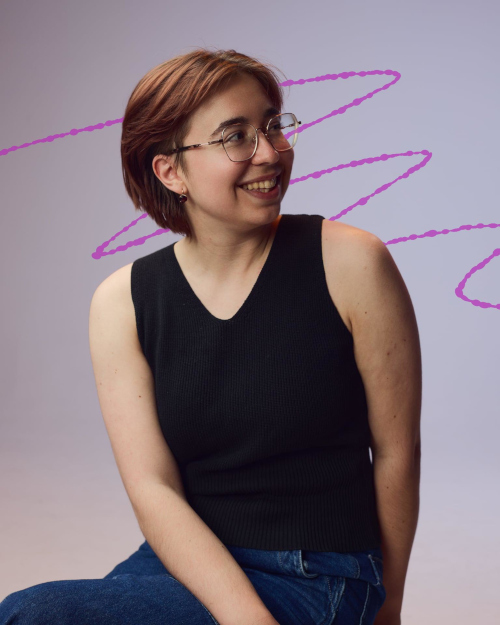
Poteryakhin elaborated on this foundational commitment, stating, "The invisible labor there is that we developed and worked on it for three years before release." This extended incubation period highlights a deliberate absorption of risk, a stark departure from the typical independent creator’s scramble for pre-production financing. The ability to undertake such a venture stems directly from Make Originals’ unique financial structure. "We’re kind of making the thing first, and then we’re hoping to build the audience after," Poteryakhin explained. "We’re only able to afford to do that because we are a commercial studio, balancing these two halves." This symbiotic relationship, where commercial client work effectively subsidizes the development of original IP, positions Make Originals more akin to a European co-production house—where public funding often supports artistic endeavors—than a conventional creator-led indie studio, which typically operates on shoestring budgets and external grants. This financial model grants unparalleled creative freedom, shielding projects like Sunny Side Down from external pressures that often dilute artistic integrity in pursuit of market appeal.
A Lean and Agile Production Pipeline
The production of Sunny Side Down exemplifies efficiency and strategic resource allocation, a hallmark of modern digital-native animation studios. Poteryakhin describes a compact internal team that served as the creative engine for the series, augmented by strategic outsourcing for service work. "On Sunny Side Down, most of the time I’m working with maybe like eight people," she noted, underscoring the lean operational model. This core team was responsible for the initial development and the production of the first episodes.
However, to meet the ambitious goal of a monthly release schedule—a key component of their audience-building strategy—a strategic expansion was necessary. This led to a partnership with DeeDee Animation in Vietnam, an external animation studio known for its high-quality output. Crucially, this collaboration transcended a mere outsourcing arrangement. Make Originals made a concerted effort to integrate the overseas team into the creative fabric of the show, acknowledging their contributions in a meaningful way. "We’re putting all of their animators’ names in our credits alongside ours; they also contributed creatively to this series," Poteryakhin affirmed. This approach fosters a collaborative spirit, treating the external team as true partners rather than simply a labor force, a practice increasingly adopted by studios navigating the global landscape of animation production. This hybrid pipeline, blending a small, agile internal team with specialized external partners, mirrors broader industry trends towards flexible, distributed production models, especially in the digital animation sphere.
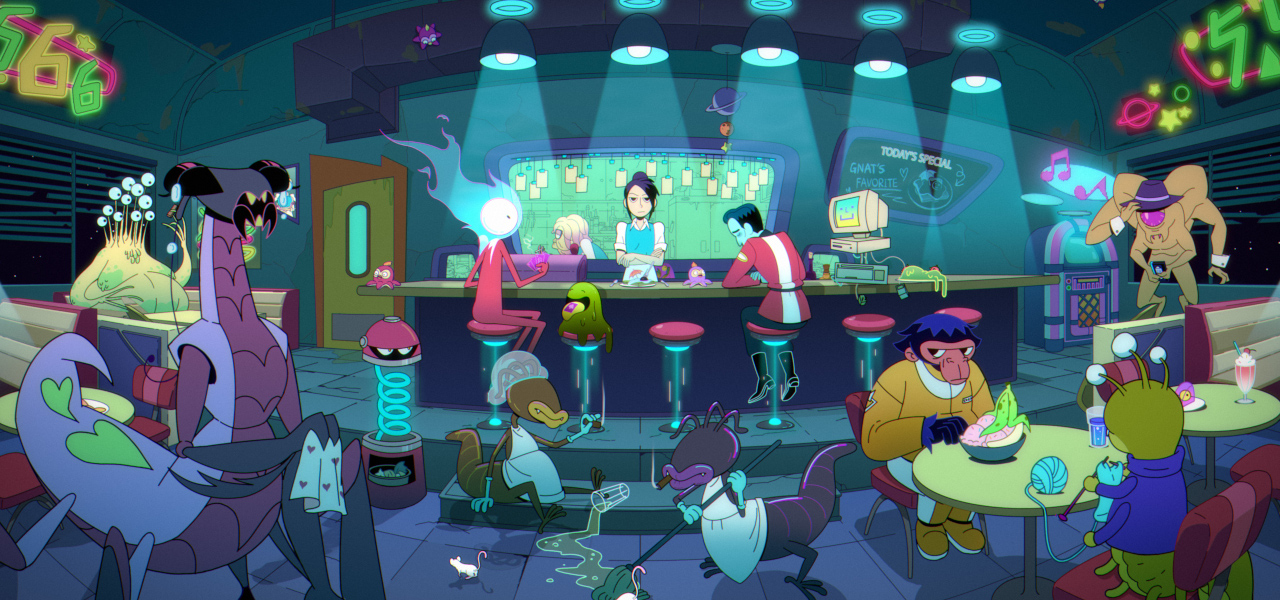
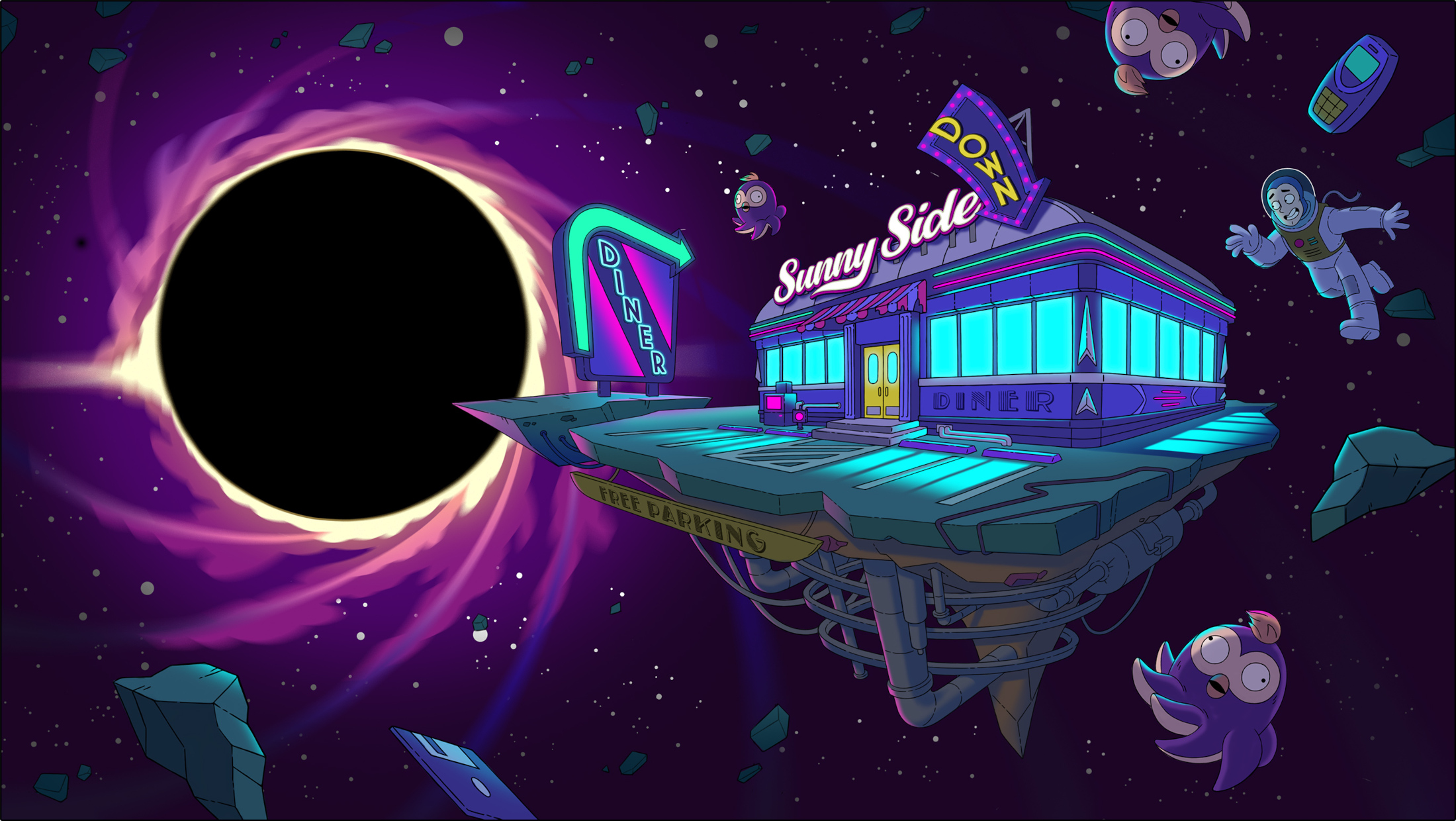
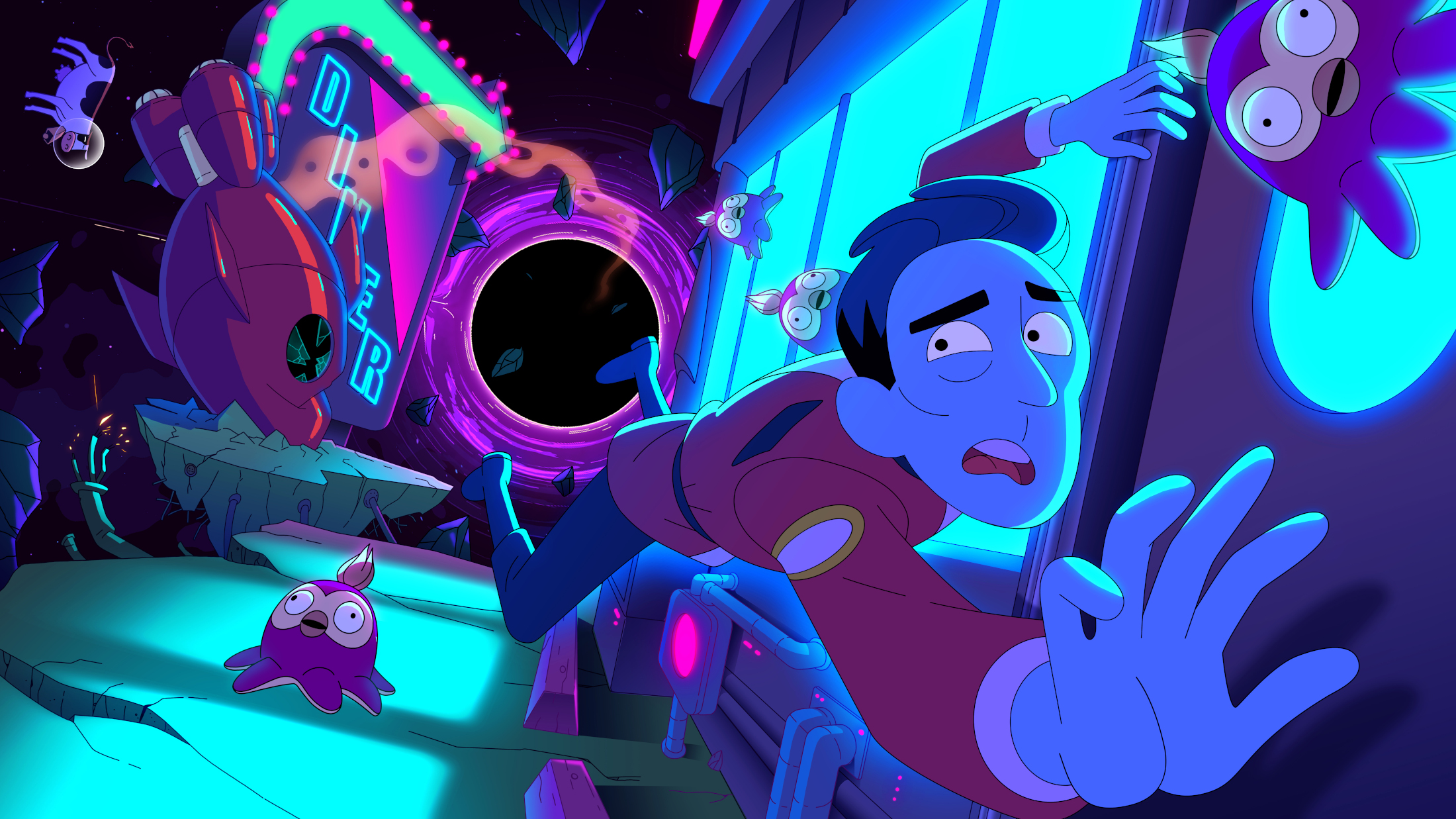
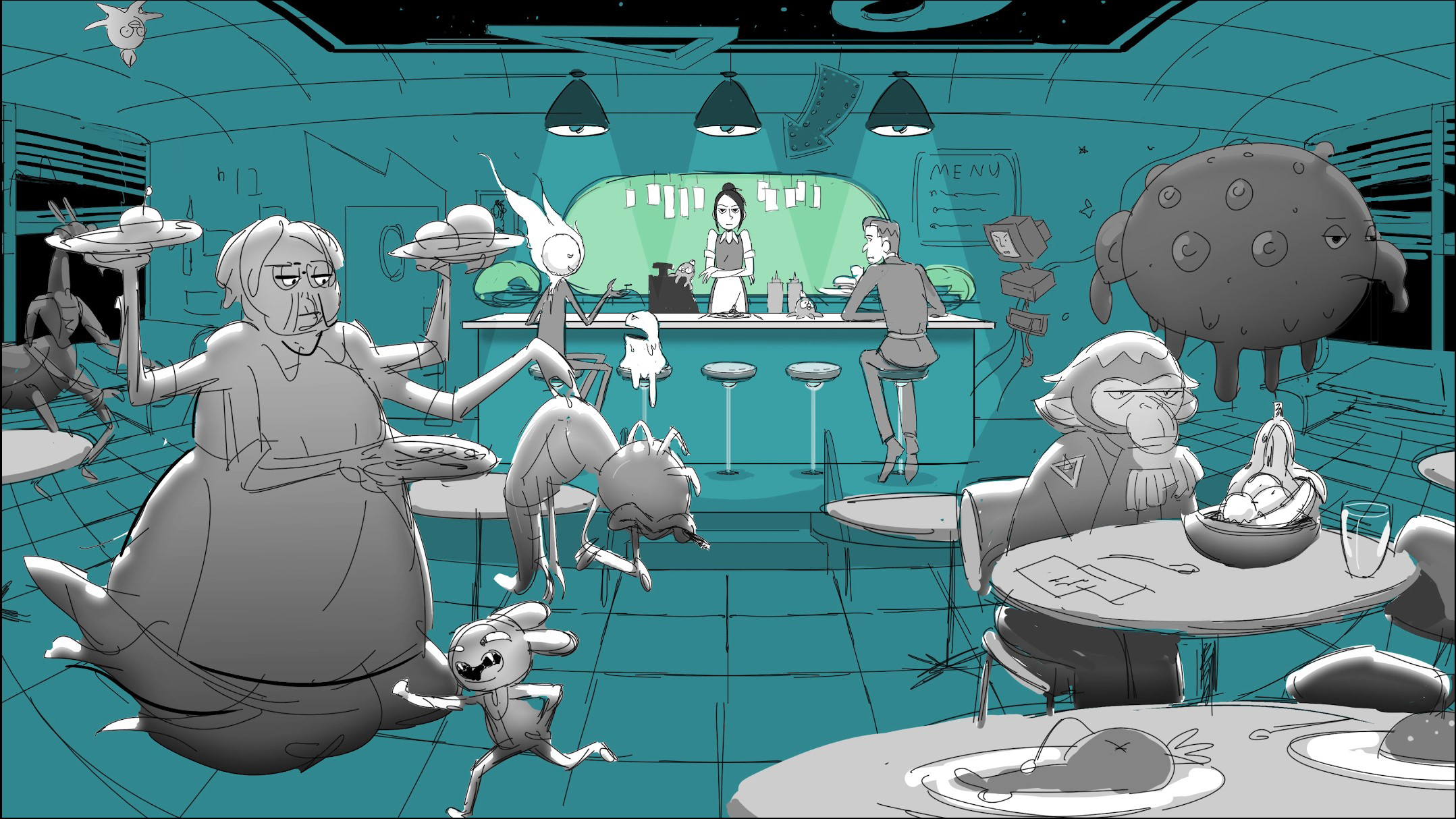
From a technical standpoint, the series was engineered for both speed and aesthetic consistency. The narrative unfolds predominantly within a single, meticulously designed location: a space diner orbiting a black hole. This creative constraint served a practical purpose, maximizing asset reuse and allowing for iterative refinement of environments. Poteryakhin revealed the "sleight of hand" involved: "Every episode happens in the same place. We made a full 3D model of it, to help speed up our background layouts and for storyboarding." By utilizing 3D environments, the team achieved flexible camera staging and significantly reduced the overhead typically associated with 2D background layouts. The software pipeline further reflected this pragmatism: early experiments with animating in Photoshop were quickly abandoned in favor of the vector-based efficiency of Toon Boom Harmony. Backgrounds were rendered in Photoshop, while 3D elements were handled in Autodesk’s 3ds Max, creating a modular and highly optimized workflow for the geographically distributed team.
Creative Vision: Navigating Parody, Style, and Representation
A significant creative challenge for Sunny Side Down was its delicate balance between parody and originality. Each episode cleverly riffs on beloved sci-fi archetypes and narratives, drawing inspiration from classics like Star Trek, Terminator, and The Hitchhiker’s Guide to the Galaxy. However, the team had to meticulously ensure that these homages remained legally distinct and stylistically original. "You have to make sure that it’s very clearly a parody," Poteryakhin humorously noted, highlighting the careful tightrope walk required to evoke familiarity without infringing on established intellectual property.
Visually, the series carves out a distinct aesthetic that blends the sensibilities of Western adult animation with a heightened color palette and dynamic lighting inspired by anime and experimental series. Poteryakhin described this unique blend: "We kind of designed an adult animation look, but nicer and with anime lighting, really colorful neon gradients." Lighting, in particular, became a crucial storytelling tool, not just for atmosphere but also for grounding the fantastical sci-fi setting in a tangible, almost gritty reality. The diner environment oscillates between grimy, shadowed corners and the stark, overexposed fluorescents of the kitchen, adding layers of texture and mood that enhance the narrative. This deliberate artistic choice ensures that while the show is a parody, it maintains its own visual identity and thematic depth.
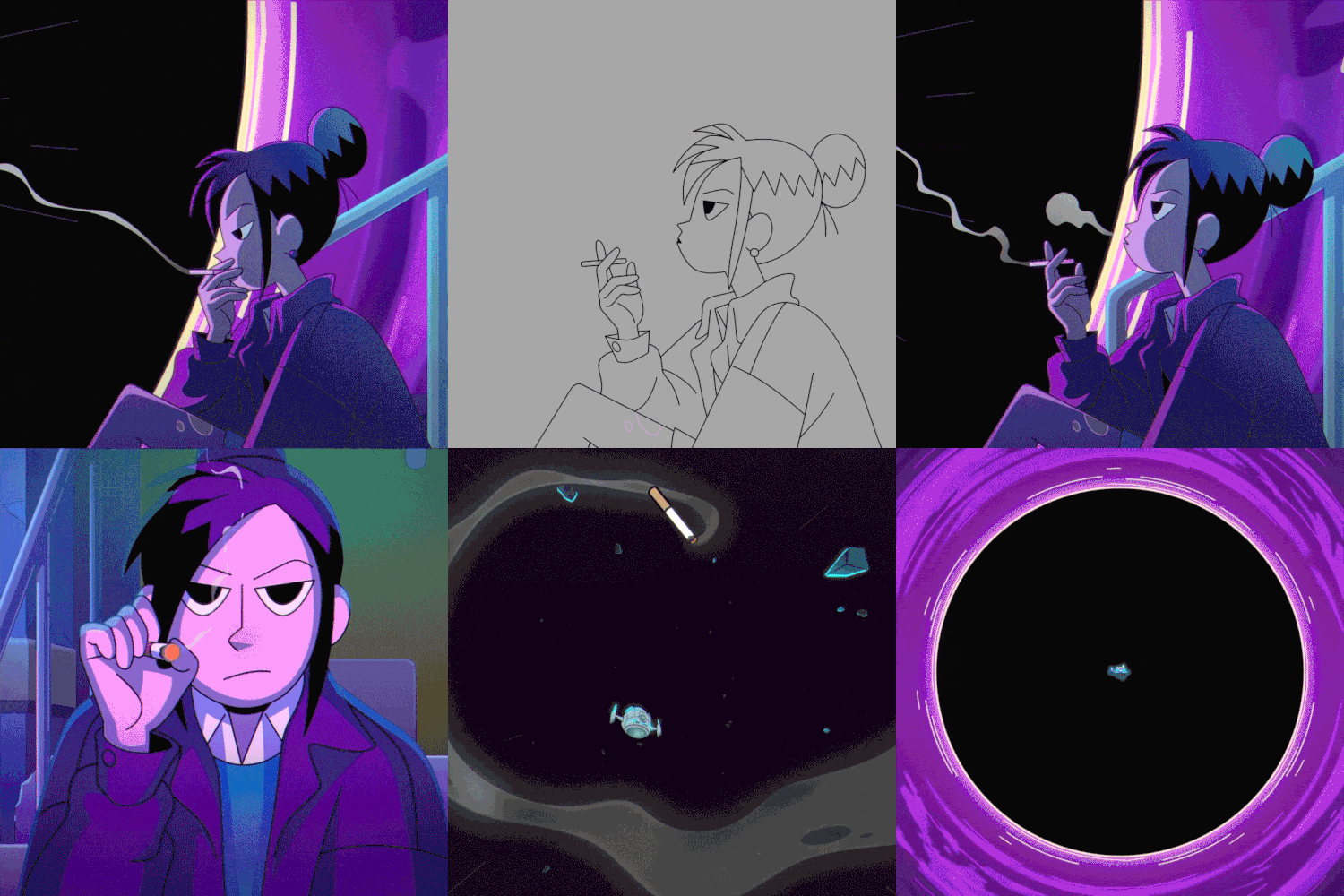
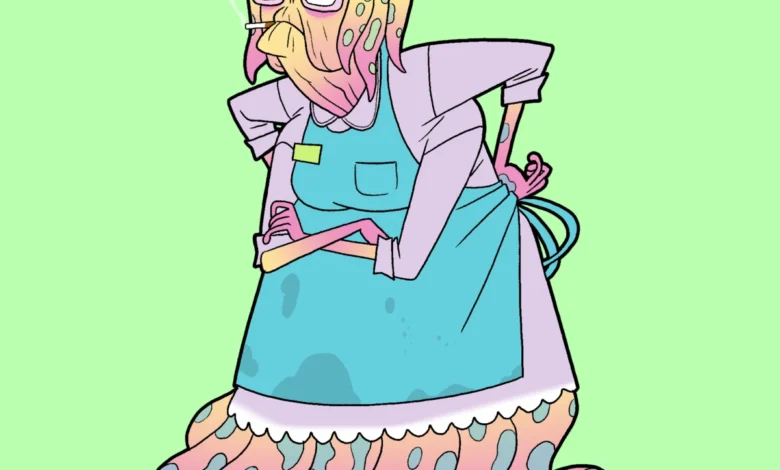
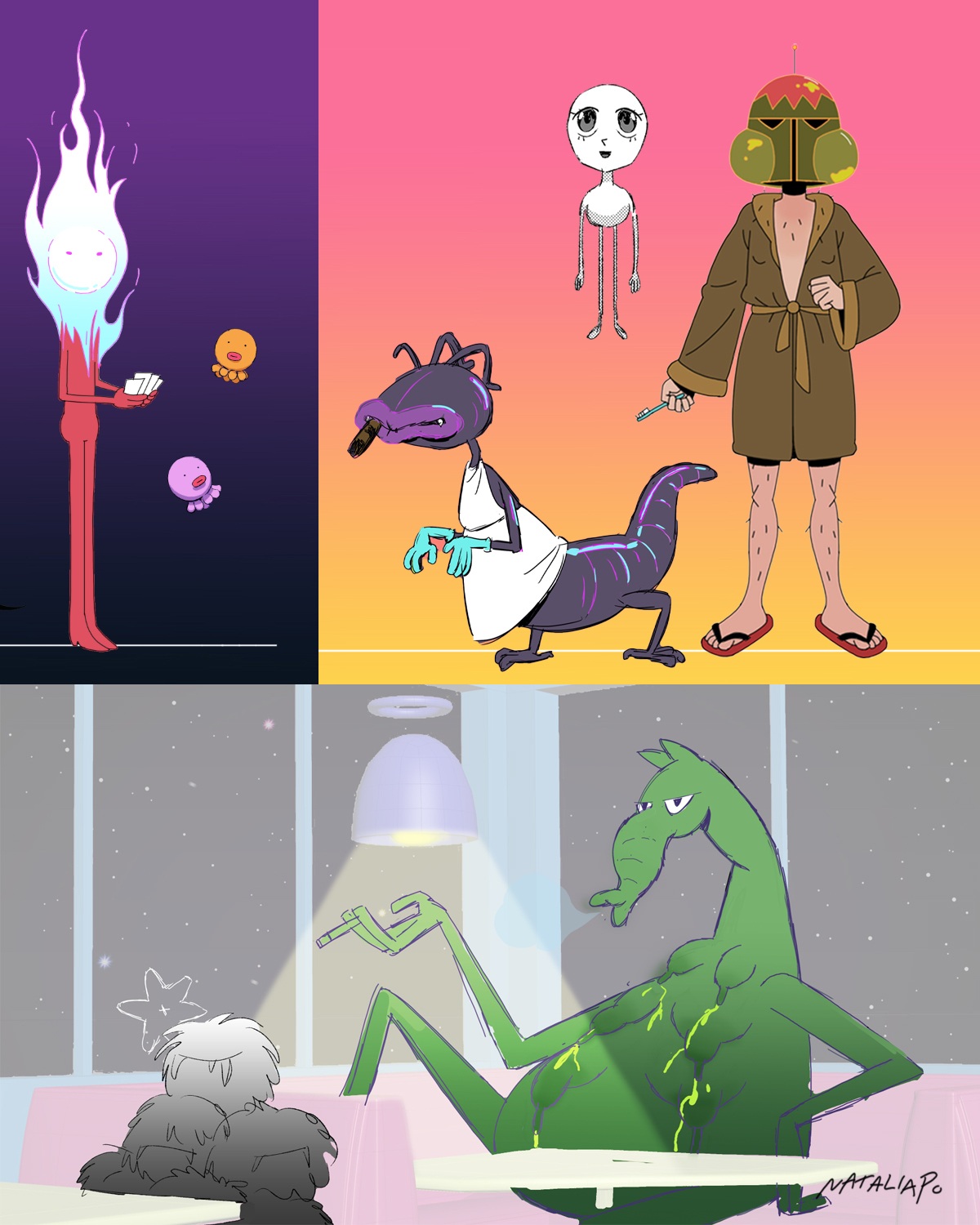
Beyond stylistic choices, Sunny Side Down makes a deliberate and impactful statement through its character design and narrative focus. Poteryakhin expressed a common frustration within the sci-fi genre: the pervasive lack of diverse female representation, extending beyond animation to live-action as well. "It felt like there was always just one stock woman, the love interest," she observed, while still acknowledging her admiration for iconic figures like Princess Leia. This observation spurred a direct and decisive creative choice: instead of one female lead, she opted for two. The series centers on a mentor-mentee dynamic between Nat, a human waitress, and Yabba, a grizzled line-cook mentor figure inspired by archetypes such as Yoda or Gandalf. Poteryakhin pointed out the rarity of such a mentor figure being a woman: "For some reason, that person is never a woman. Why not have this tough coach character be like my Russian great-grandmothers?" This decision to feature strong, multi-faceted female characters, including an older, experienced mentor, stands as a quiet but powerful challenge to long-standing genre conventions. The internal development model of Make Originals proved instrumental here, as these creative choices faced no external scrutiny or pushback. "There was no one else outside of Make that had executive decision-making. We were just going to make the thing we were going to make," Poteryakhin asserted, highlighting the profound benefit of creative independence. This autonomy allowed the team to pursue authentic representation without needing external "permission," setting a precedent for inclusive storytelling within independent animation.
Distribution in the Digital Age: YouTube and Beyond
The distribution strategy for Sunny Side Down is unequivocally digital-first, with monthly episode releases exclusively on YouTube. This approach diverges from the traditional pursuit of immediate viral success, instead prioritizing sustained engagement from a dedicated, albeit potentially niche, audience. Poteryakhin articulated this focus: "It’s more about that continued engagement from a somewhat niche audience." This strategy aligns with a broader paradigm shift in the entertainment industry, where the value of passionate, engaged fandoms is increasingly recognized over fleeting mass viewership. In a fragmented media landscape, where consumer attention is constantly divided, cultivating a deeply invested audience can prove more beneficial in the long run. "When everyone’s attention is so splintered, having people who are 100% passionate becomes way more valuable," she added.
However, this digital-first model, while effective for audience building and creative freedom, presents distinct limitations when attempting to bridge the gap to traditional financing and distribution. Despite the demonstrable success in viewership and engagement, conversations with conventional studios, broadcasters, and streamers frequently encounter a familiar hurdle. "They’ll throw it back at us, like: ‘Could you finance making a full 15-minute pilot then come back to us?’" This response underscores a persistent conservatism within the established industry, which often struggles to recognize and value new metrics of success. Even with proven creative viability and a built-in audience, independent creators are still often expected to bear the upfront financial risk traditionally assumed by larger entities. This reluctance highlights a fundamental disconnect between the agile, audience-driven strategies of indie studios and the more risk-aaverse, established practices of mainstream media.
The Road After the Finale: A Blueprint for the Future
With the final episode now released, Make Originals has a clear strategy for the next phase of Sunny Side Down. A compiled "pilot version" integrating all six episodes is planned. This consolidated version will serve a dual purpose: further driving audience growth and acting as a more traditional pitching tool for potential external partners. "We’re going to do like a compiled pilot after the finale with all of them together," Poteryakhin explained. "Our goal is to give enough of a taste to build an audience and hopefully fund longer and better and more."
The future trajectory of Sunny Side Down—whether it continues to thrive within Make Originals’ independent ecosystem or secures external partnerships for expanded production—remains an open question. However, the blueprint for its creation and sustenance is firmly established. Make Originals is committed to a model characterized by lean, creatively autonomous teams, hybrid production pipelines that leverage global talent, and direct-to-audience distribution strategies.
In an animation industry still grappling with the volatile aftermath of the streaming boom, marked by shifting priorities, budget cuts, and a renewed emphasis on profitability, Sunny Side Down offers a compelling and potentially revolutionary model. It demonstrates not only how to produce high-quality animation outside the conventional studio system but also how to build a sustainable path forward. By prioritizing creative freedom, strategic financial models, technological efficiency, and authentic audience engagement, Make Originals is not just making a show; it is charting a course for how independent creators can define their own success in the complex, ever-evolving landscape of contemporary media. Its success serves as an inspiring testament to the power of independent vision and adaptable strategies in carving out new spaces for animation.