Imaginary Forces Crafts Poignant Dungeons & Dragons-Inspired End Title Sequence for Stranger Things Season 5 Finale

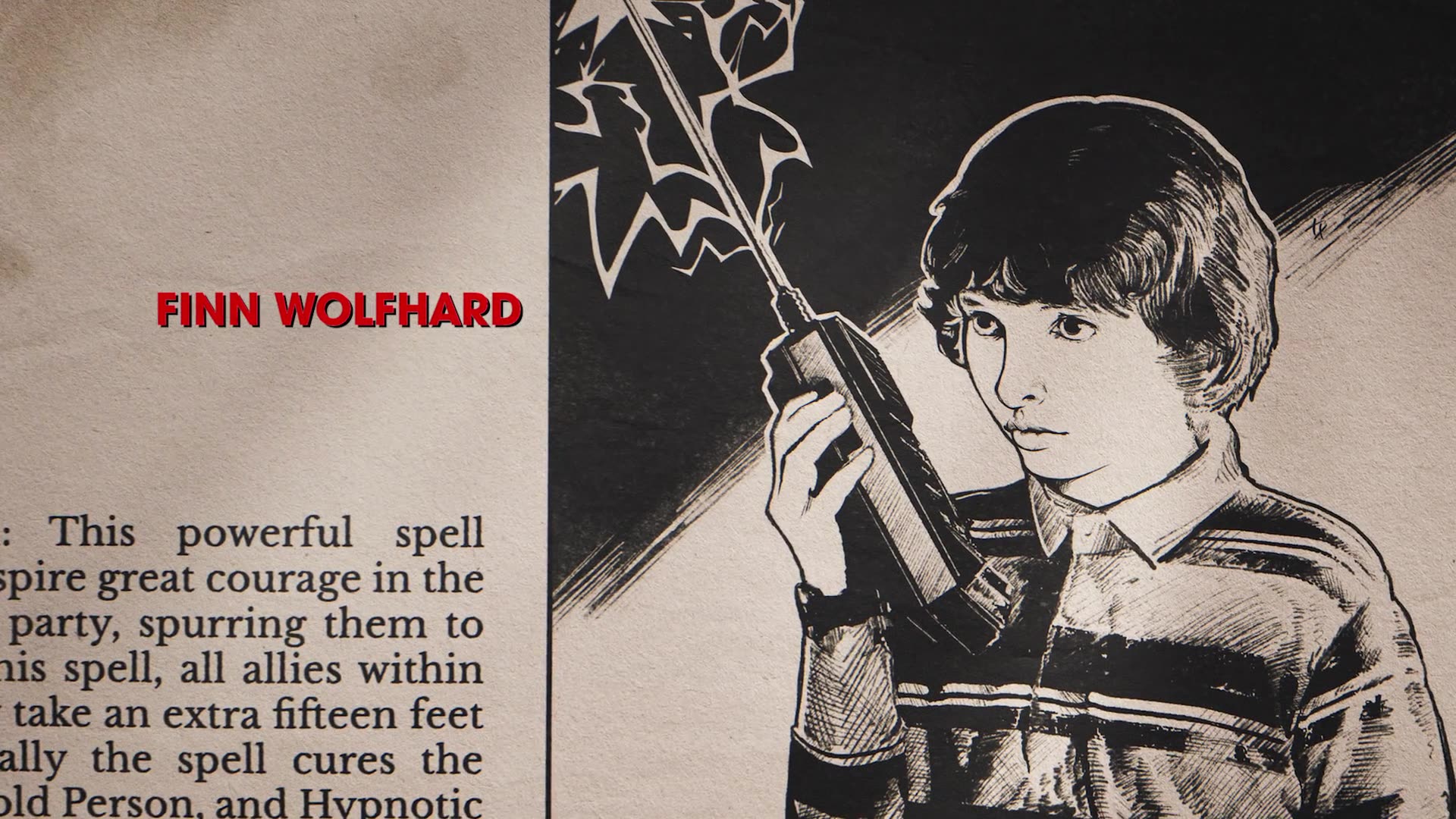
Imaginary Forces (IF), the acclaimed creative studio behind the iconic main titles for all five seasons of Netflix’s global phenomenon Stranger Things, is set to deliver a final, emotionally resonant closing sequence for the series’ highly anticipated fifth and final season. This "main on end" title design promises to be a sweeping illustrated journey, reimagining pivotal moments from the show’s rich history through the authentic lens of 1980s Dungeons & Dragons manuals, offering fans a unique and nostalgic farewell to the beloved characters and world of Hawkins.
From the very inception of Stranger Things in 2016, Imaginary Forces established a distinctive visual language with its instantly recognizable main title sequence. The shimmering red text, the retro synth-wave soundtrack, and the sense of impending mystery perfectly encapsulated the show’s unique blend of sci-fi horror, 80s nostalgia, and heartfelt character drama. Now, as the Duffer Brothers prepare to conclude their epic saga, they have once again entrusted IF with the crucial task of crafting a closing experience that not only honors the journey but also provides a sense of closure and celebration for the dedicated fanbase.
The Creative Genesis: From Will’s Drawings to D&D Manuals
The genesis of this final end title sequence began with a clear directive from series creators Matt and Ross Duffer. They envisioned a design that would serve as both a poignant farewell and a celebratory tribute to the actors and characters who have defined the show for nearly a decade. Initially, the Duffer Brothers explored the idea of incorporating Will Byers’ evocative drawings, a recurring motif throughout the series that symbolizes his artistic nature and his deep connection to the fantastical world of Dungeons & Dragons.
To aid Imaginary Forces in their creative process, the Duffer Brothers provided a treasure trove of authentic props from the show’s production. Among these artifacts, IF’s design team made a crucial discovery: the actual binders and players’ D&D manuals used by the young protagonists in their formative campaigns. This find proved to be the pivotal spark, igniting the idea that would define the final sequence.
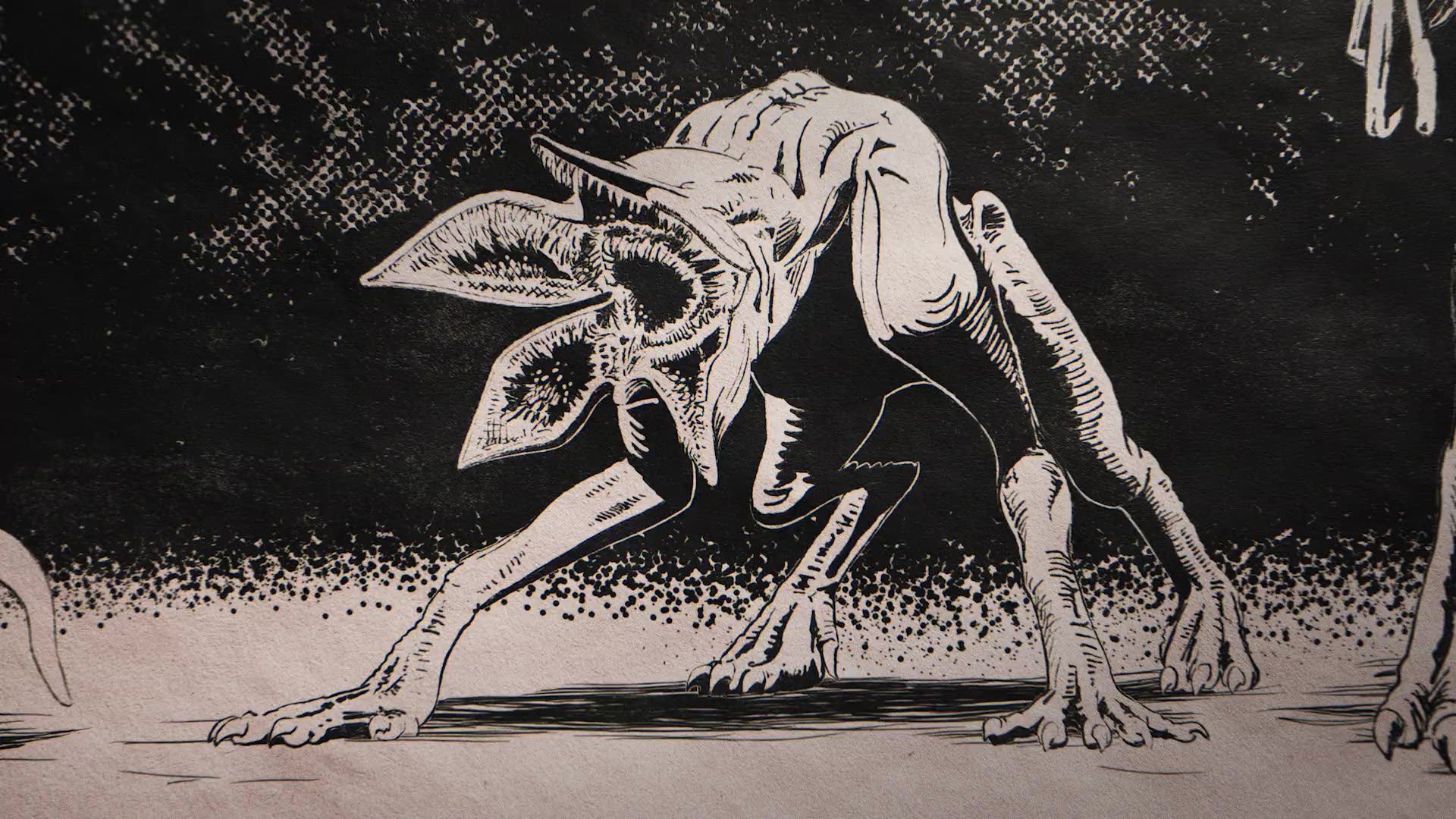
Ross Duffer, reflecting on this discovery and its impact, highlighted the artistic depth found within these vintage materials. "What’s cool about these D&D manuals is there’s color images, and, also, over the years, the style of illustration changes," he explained. The commitment to authenticity extended even further, with the production team going to great lengths to bring back illustrators from the actual 1980s who had contributed to those very D&D manuals decades ago. This dedication ensures that the aesthetic of the end credits will not merely mimic the era but will genuinely embody the artistic spirit and stylistic nuances that characterized the original game publications. This meticulous attention to detail underscores the Duffer Brothers’ commitment to immersing viewers fully in the nostalgic universe they have so carefully constructed.
Imaginary Forces’ Enduring Partnership with Hawkins
Imaginary Forces’ collaboration with Stranger Things is a testament to the power of consistent and visionary design in shaping a brand’s identity. Since the show’s debut, IF’s main titles have become synonymous with the series, instantly transporting viewers into the Upside Down’s eerie embrace. The studio, founded in 1996, has a long-standing reputation for crafting iconic title sequences for both film and television, including critically acclaimed works for Mad Men, Halt and Catch Fire, and the very Netflix "tudum" sound and logo animation that precedes much of the platform’s content. Their ability to distill the essence of a complex narrative into a brief, impactful visual statement is unparalleled, making them the ideal partner to bookend the Stranger Things saga.
The consistency of IF’s involvement across all five seasons of Stranger Things speaks volumes about the creative synergy between the studio and the Duffer Brothers. Each season’s opening, while maintaining the core aesthetic, subtly evolved to reflect the growing scale and darkening tone of the story. This deep understanding of the show’s narrative arc and its characters positions Imaginary Forces uniquely to deliver an end sequence that feels like a natural, yet innovative, culmination of their shared creative journey.
A Deep Dive into the D&D Aesthetic: More Than Just Nostalgia
The decision to anchor the final end titles in the aesthetic of 1980s Dungeons & Dragons manuals is profoundly significant. D&D is not merely a game within Stranger Things; it is a foundational element of the characters’ relationships, a metaphor for their struggles against supernatural forces, and a symbol of their shared innocence and imagination. The creatures, spells, and moral dilemmas of D&D have consistently paralleled the real-world threats faced by the kids of Hawkins, from the Demogorgon to Vecna.
By drawing directly from the visual language of these manuals, Imaginary Forces is tapping into the very heart of the show’s appeal. The distinct illustrative style, often characterized by intricate line work, vibrant color palettes, and fantastical creature designs, evokes a specific era of tabletop gaming and a sense of wonder and danger that defined the 1980s. This approach not only provides a nostalgic trip down memory lane for viewers but also reinforces the narrative’s core themes of friendship, bravery, and the battle between good and evil through the imaginative lens of childhood play. The authenticity achieved by employing original 80s illustrators elevates this tribute from mere homage to a genuine artifact of the era, deeply resonating with fans who grew up with or appreciate the cultural touchstones of that decade.
Crafting a Farewell: The Illustrative Journey Through Seasons
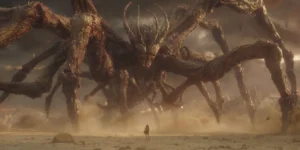
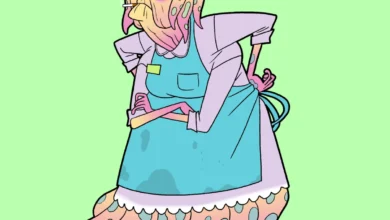
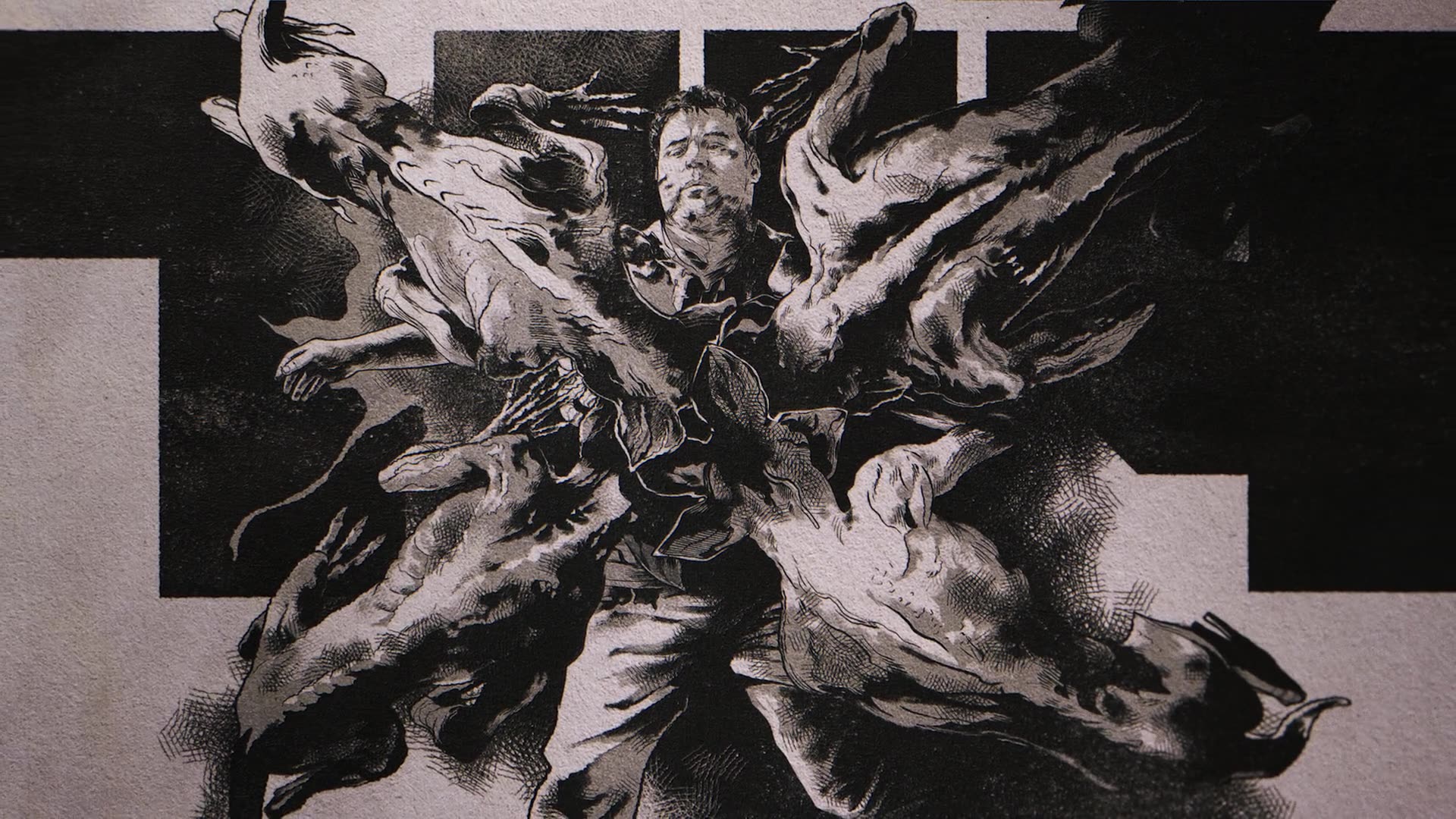
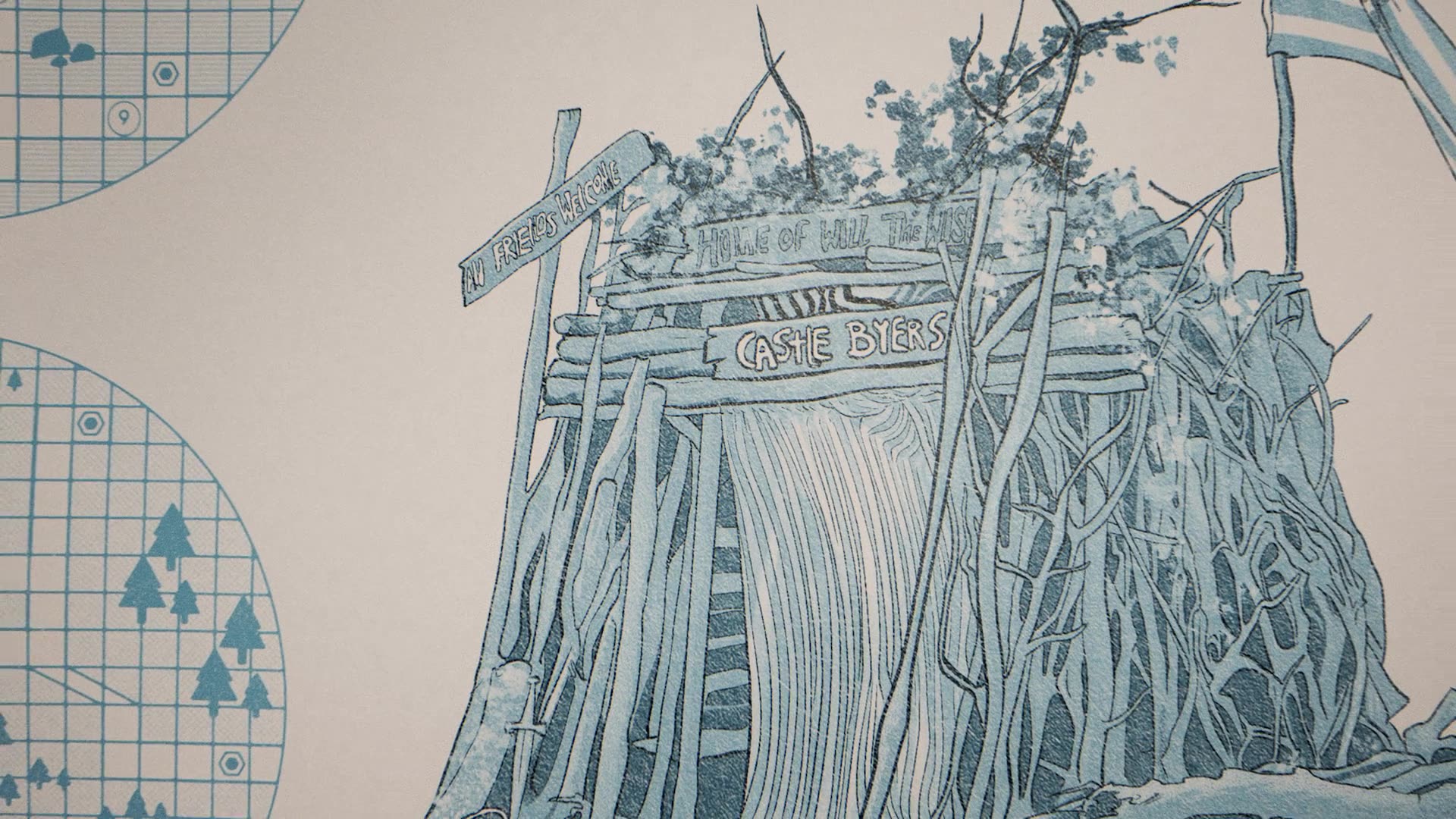
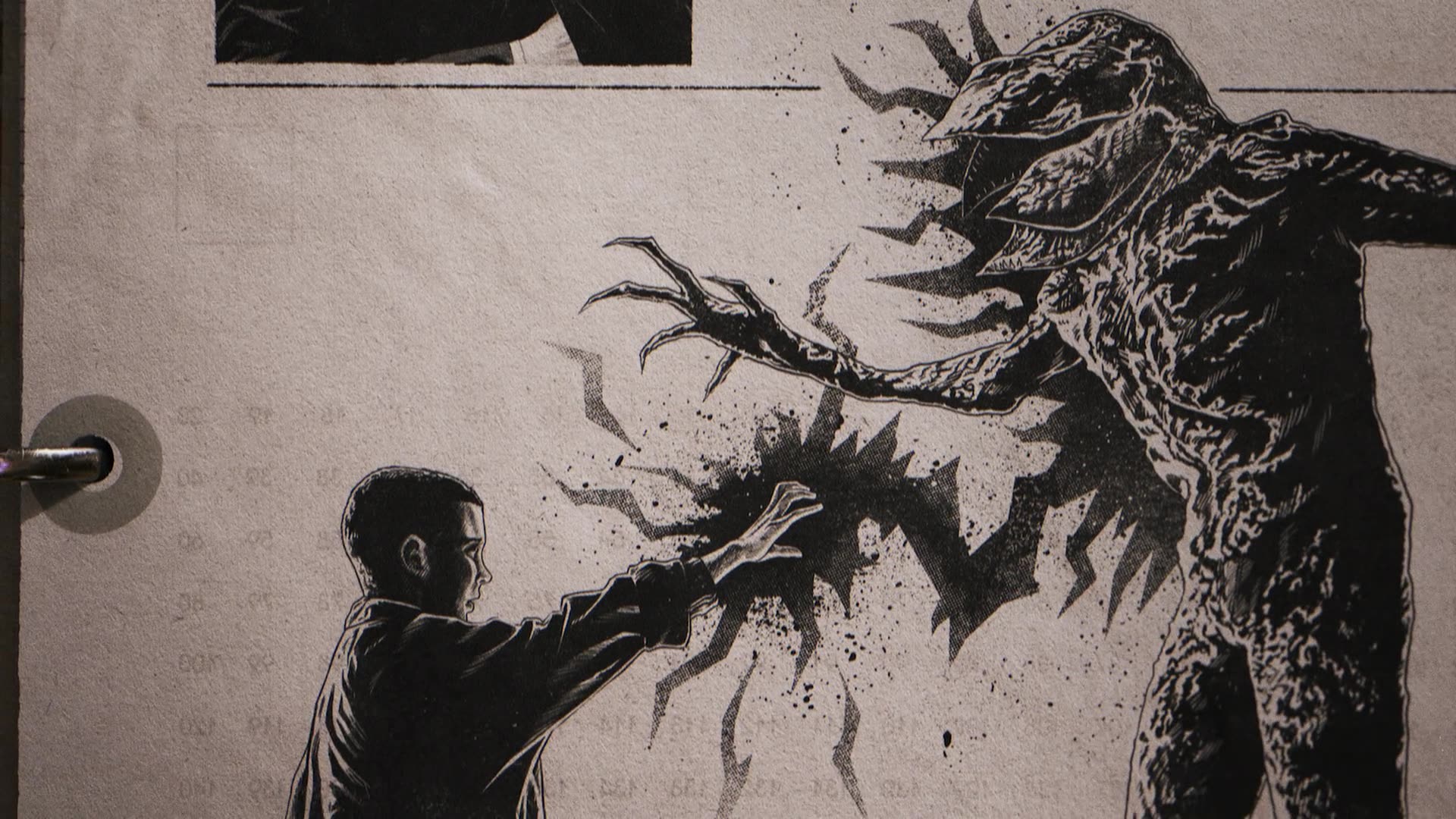
Imaginary Forces has designed the final end credits as a comprehensive, sweeping illustrated journey, meticulously charting the narrative progression across all five seasons of Stranger Things. Each frame of the sequence is envisioned as a meticulously crafted image, capturing an iconic moment or character from the series. These scenes will be reinterpreted and presented in the unmistakable style of authentic 1980s Dungeons & Dragons manuals, offering a fresh yet familiar perspective on beloved events.
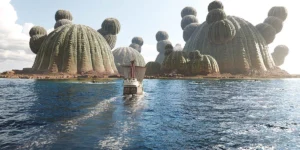
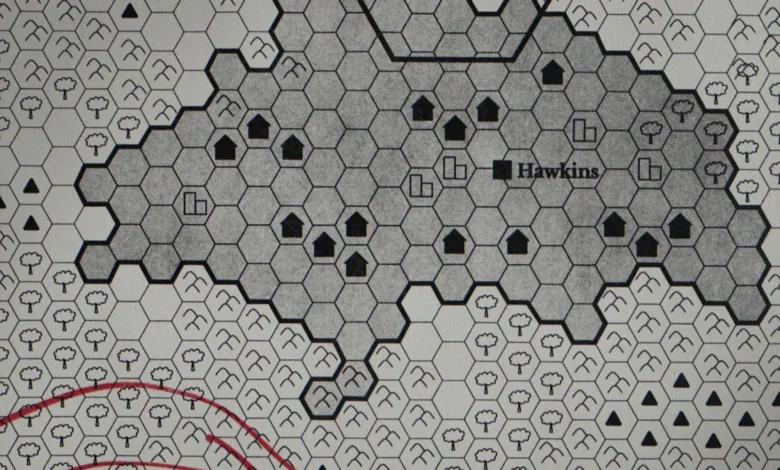
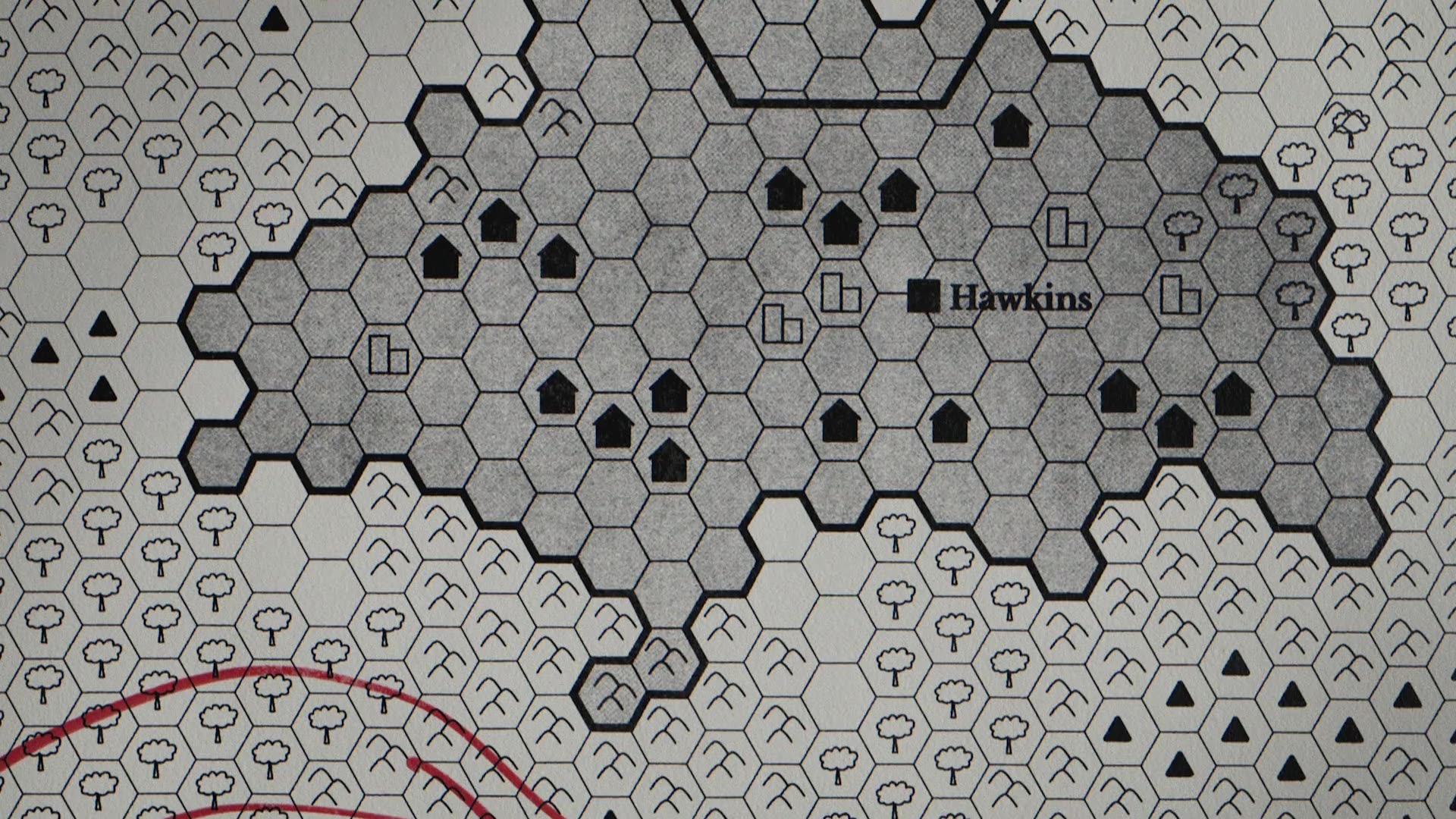
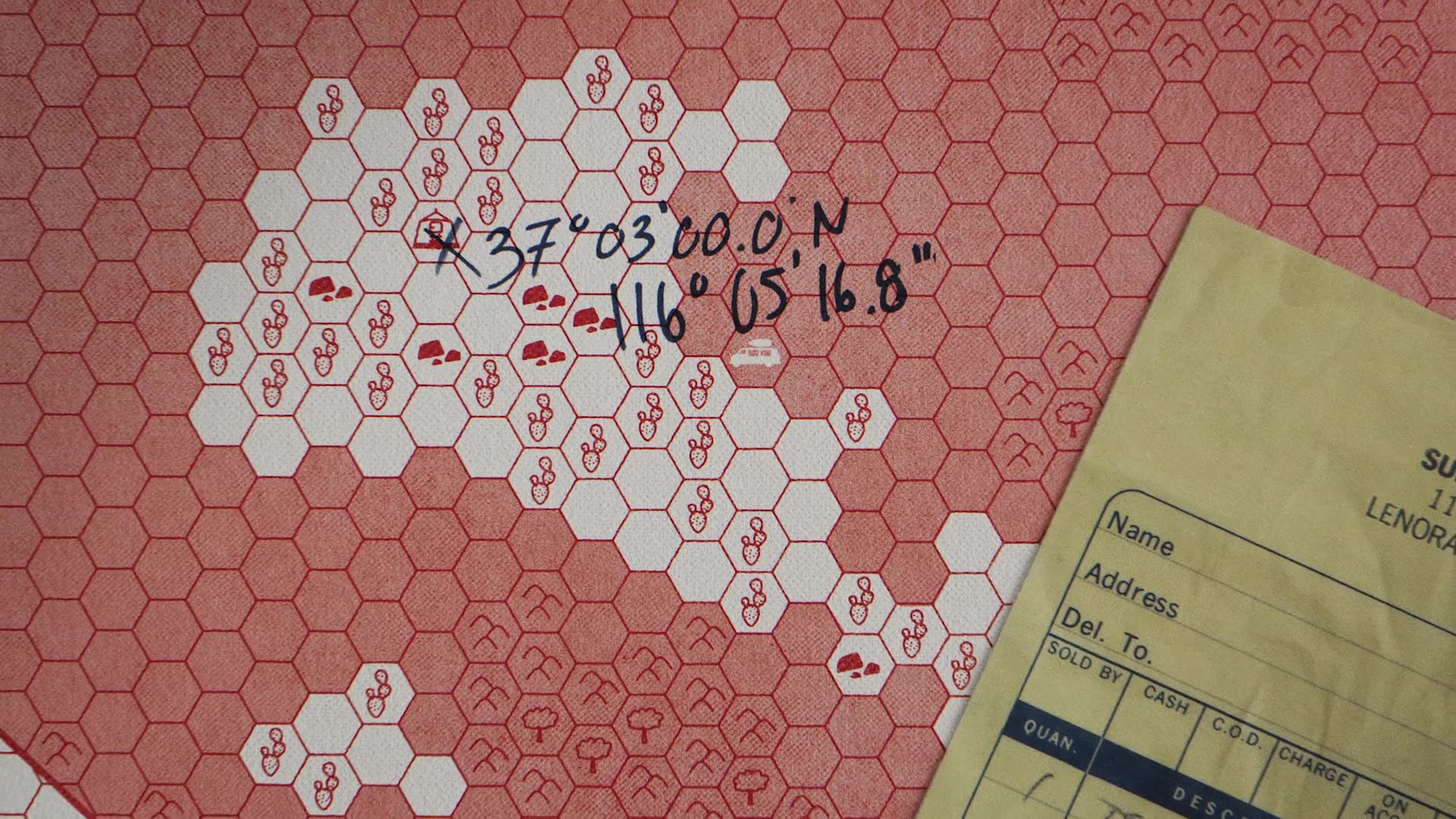
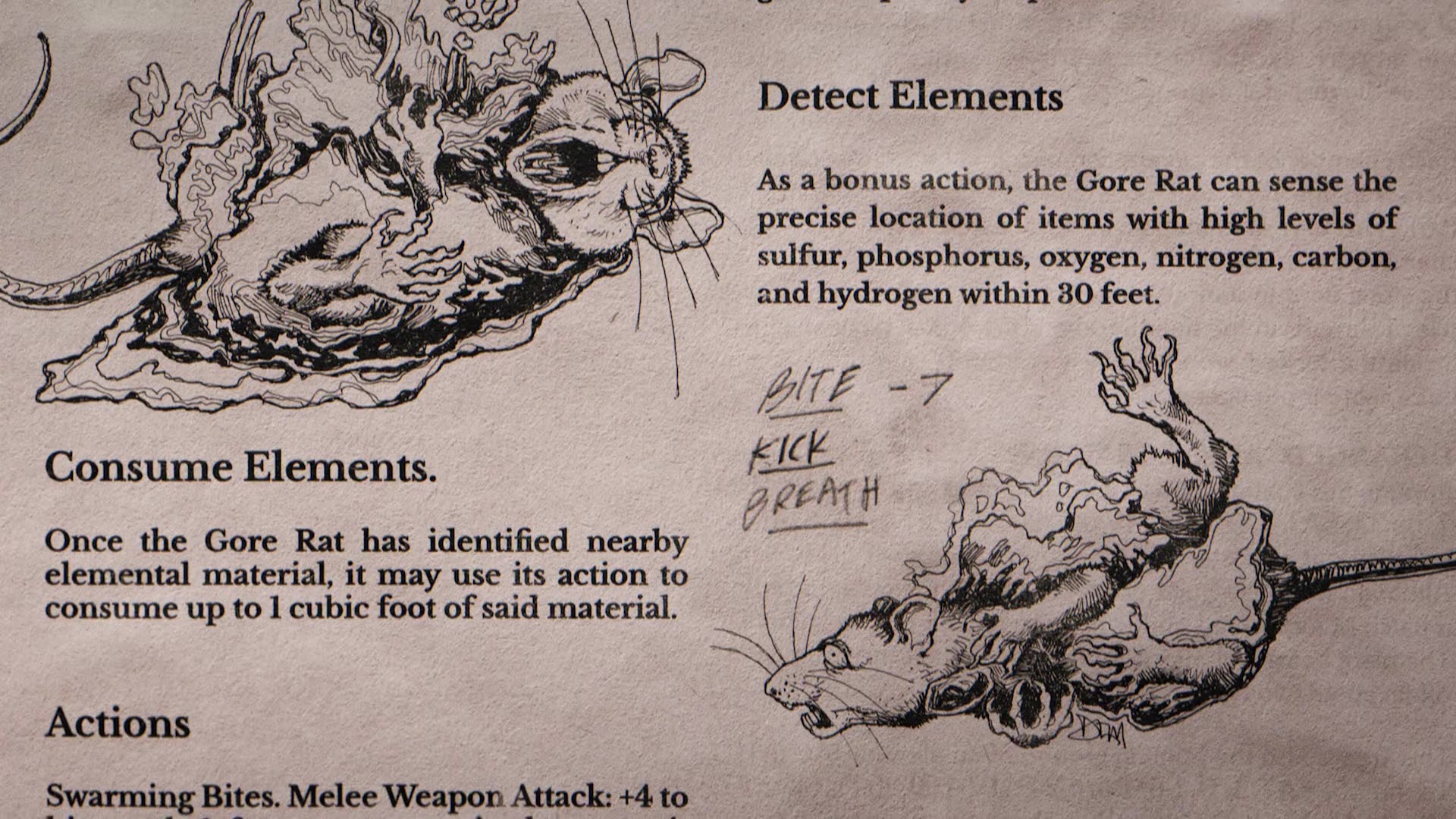
Beyond simply depicting characters and key scenes, the studio has gone further to enrich the visual tapestry. The sequence will feature intricately designed maps of Hawkins, the Upside Down, and other crucial locations, rendered as if pulled directly from a D&D campaign guide. Charts detailing creature stats or character abilities, along with hand-done doodles that evoke the spontaneous creativity of a player’s notebook, will further immerse the viewer. This stylized vision of the show transforms the end credits into an interactive visual narrative, allowing fans to reflect on the entirety of the Stranger Things saga as if reviewing a grand campaign log. The visual storytelling will serve as a powerful mnemonic device, triggering memories of triumphs, tragedies, and the enduring bonds forged amidst supernatural chaos.
The Cultural Phenomenon of Stranger Things
Since its debut, Stranger Things has transcended its genre to become a global cultural phenomenon. With its compelling storyline, stellar cast, and masterful evocation of 1980s aesthetics, the series quickly garnered critical acclaim and a massive viewership. It consistently ranks among Netflix’s most-watched programs, breaking streaming records with each new season. The show has earned numerous awards and nominations, including multiple Primetime Emmy Awards, solidifying its place as one of the most significant television productions of the 21st century. Its influence extends beyond television, impacting fashion, music, and pop culture at large, sparking renewed interest in 80s nostalgia and tabletop gaming. The final season carries immense expectations, and every element, including the end credits, is scrutinized for its ability to deliver a fitting conclusion to such an impactful narrative.
The Art of the Title Sequence in Modern Television
In the golden age of television, title sequences have evolved from simple credits to sophisticated works of art that are integral to a show’s identity. Series like Game of Thrones, Westworld, and The Crown are celebrated not just for their narratives but also for their innovative and often spoiler-laden opening credits. These sequences do more than list names; they set the mood, introduce themes, foreshadow events, and serve as a crucial branding element.
Imaginary Forces has been at the forefront of this evolution, consistently pushing the boundaries of title design. Their work on Stranger Things, from the main titles that immediately became iconic to this final, elaborate end sequence, exemplifies the power of thoughtful, creative design in enhancing the overall viewing experience. The "main on end" concept, while not entirely new, gains particular significance here as it provides a final, reflective moment after the narrative has concluded, allowing viewers to decompress and appreciate the artistic journey.
The Creative Minds Behind the Finale
The intricate and ambitious vision for the Stranger Things Season 5 end titles is brought to life by a dedicated team of artists and designers at Imaginary Forces. The project is spearheaded by Creative Directors Karin Fong and Rob Slychuk, whose leadership guides the aesthetic and narrative direction. Designers Elizabeth Steinberg and Kathy Liang are instrumental in shaping the visual elements, ensuring they align with the Duffer Brothers’ vision and the D&D manual aesthetic. Lexi Gunvaldson serves as the Editor, responsible for pacing and flow of the sequence.
A crucial aspect of achieving the authentic 1980s D&D style falls to the Illustrators, a talented group including Christine Williams, Ken Taylor, Sam Green, Diana Magnuson, Matt Taylor, and Tyler Gibb, some of whom were specifically sought out for their period-appropriate expertise. Animators Merrill Hall and Max Strizich bring these static illustrations to life, while Design Intern Anita Yen contributes fresh perspectives. The complex coordination of such a multifaceted project is managed by Producer Jackson Kerr and Associate Producer Nic Luong, under the executive oversight of Executive Producer Renée Robson and Executive Creative Director Peter Frankfurt. This robust team underscores the significant effort and artistic talent invested in creating a memorable farewell for Stranger Things.
Looking Ahead: The Final Chapter’s Impact
As Stranger Things prepares for its grand finale, the meticulously crafted end title sequence by Imaginary Forces represents more than just a list of credits; it is a final, immersive chapter in the series’ visual storytelling. By blending the core elements of the show’s narrative with the beloved iconography of Dungeons & Dragons, IF is poised to deliver a powerful, nostalgic, and emotionally resonant conclusion. This innovative approach ensures that even after the final dramatic scene unfolds, the audience will have one last, evocative journey through the world of Hawkins, reinforcing the enduring legacy of a show that captivated millions and redefined a generation of television. The "main on end" will serve as a final tribute, a celebration of the epic adventure, and a heartfelt thank you to the fans who have championed the kids of Hawkins against the forces of the Upside Down.