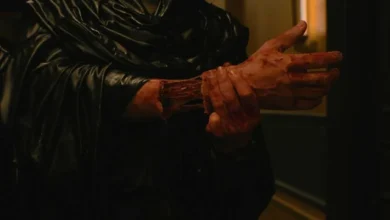
21 Martyrs: An Animated Masterpiece Illuminating Faith Amidst Extremism

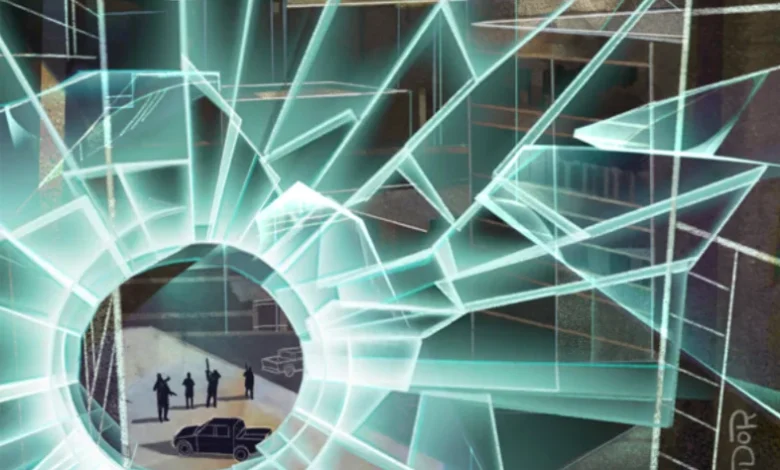
Lesterbanks delves into 21 Martyrs, one of the most critically acclaimed and Oscar-shortlisted animated films of the year, a powerful cinematic achievement that transcends traditional storytelling to immortalize a profound act of faith. Hailed by animation legend Glen Keane as "powerful, heart-wrenching, challenging, and inspiring… not to mention exquisitely beautiful," this 13-minute masterpiece is the culmination of an extraordinary five-year production journey spanning from 2019 to 2024. Written and directed by Tod Polson, with an ethereal original soundtrack by Sarah and Laura Ayoub (The Ayoub Sisters) and evocative sound design by Giles Lamb, the film stands as a testament to global collaboration, drawing creative contributions from 23 countries, including Egypt, Japan, Canada, and South Africa. With invaluable consultation from His Eminence Archbishop Angaelos, renowned animation directors Tomm Moore, and Tom Bancroft, 21 Martyrs is more than just a film; it is a transcendent artistic endeavor that pushes the boundaries of animated narrative, transforming a tragic real-world event into an enduring symbol of spiritual resilience.
The Genesis of "21 Martyrs": A Story of Faith and Resilience
The inspiration for 21 Martyrs stems from one of the most harrowing events of the 21st century: the brutal 2015 beheading of 21 Coptic Christians by ISIS in Libya. This atrocity sent shockwaves across the globe, leaving an indelible mark on collective memory and profoundly impacting individuals like director Tod Polson. Polson recounts how the martyrs’ steadfast faith in the face of overwhelming terror was, and continues to be, both humbling and deeply inspiring. When the opportunity arose to tell their story, he embraced it wholeheartedly, embarking on a creative journey that would demand meticulous research, profound empathy, and an innovative artistic approach. The creation of the film evolved slowly, meticulously shaped by extensive interviews with Coptic Christians, former ISIS members, and journalists embedded with the Libyan army. Polson’s dedication extended to spending time with the families of the martyrs, allowing him to better understand the humanity and courage of these men, further deepening his admiration for their conviction. This rigorous research underpins the film’s authenticity, ensuring that while it employs an animated medium, its emotional core remains deeply rooted in the lived experiences of those affected by the tragedy.
The Horrific Event of 2015: Context and Chronology
To fully grasp the significance of 21 Martyrs, it is essential to revisit the events of 2015. The chaos following the 2011 overthrow of Muammar Gaddafi had plunged Libya into severe instability, creating a power vacuum that extremist groups, including the Islamic State of Iraq and Syria (ISIS), exploited. ISIS established a significant presence in Sirte, a coastal city in central Libya, transforming it into a stronghold.
Timeline of the Tragedy:

- Late 2014 – Early 2015: ISIS militants in Sirte began abducting Egyptian Coptic Christian migrant workers. These men, mostly from impoverished villages in Upper Egypt, had traveled to Libya in search of employment to support their families back home. They were targeted specifically for their Christian faith.
- January 2015: A total of 20 Egyptian Coptic Christians were abducted in two separate incidents. Simultaneously, a Ghanaian Christian, Matthew Ayariga, was also captured alongside them. Although not Coptic, Ayariga reportedly declared his faith in Christ, choosing to stand with his fellow captives.
- February 15, 2015: ISIS released a horrific video titled "A Message Signed With Blood To The Nation Of The Cross." The video depicted the mass execution of the 21 men on a Libyan beach, dressed in orange jumpsuits, kneeling before their masked captors. The militants vowed to "conquer Rome" and "avenge" alleged persecution of Muslims by Christians. The chilling final words of many of the martyrs, "Ya Rab Yasou’" (Oh Lord Jesus), resonated globally, transforming their deaths into a powerful testimony of faith.
The global reaction was one of profound shock and outrage. International leaders condemned the act, and the Egyptian government responded with immediate airstrikes against ISIS targets in Libya. Pope Tawadros II of the Coptic Orthodox Church canonized the 21 men as martyrs, declaring their feast day on February 15th, the day of their martyrdom. Their story quickly became a symbol of Christian steadfastness in the face of brutal persecution, particularly for the Coptic community, which has a long history of enduring hardship for its faith.
Artistic Vision and Global Collaboration
The visual style of 21 Martyrs is deeply rooted in traditional iconography, offering a distinct aesthetic that sets it apart from contemporary animation. This deliberate choice was pivotal in conveying the spiritual depth and historical context of the narrative. Artists from Egypt, Syria, Ukraine, and the United States contributed their expertise, not only helping shape the film’s aesthetic but also influencing director Tod Polson’s own approach to art. This diverse group of animators from around the world lent their unique talents, each adding something personal to the project, embodying the global solidarity that the film itself seeks to inspire.
The international scope of the production is remarkable. Engaging creative minds from 23 countries speaks volumes about the universal resonance of the martyrs’ story and the collaborative spirit of the animation community. This cross-border collaboration is increasingly a trend in the animation industry, as highlighted by reports like "Cross-Border Animation Collaborations in Asia Trend Up as Demand for Content Expands" (Variety, 2024), underscoring the growing interconnectedness of global creative industries. For 21 Martyrs, this meant a rich tapestry of artistic perspectives and technical skills, all converging to serve a singular, powerful narrative.
The Aesthetical Tapestry: Iconography Meets Animation
Producer Mandi Hart elaborates on the profound influence of Coptic iconography on 21 Martyrs. The film’s aesthetic is a meticulous translation of traditional Coptic artistic principles into a dynamic animated form. Key influences are evident in the use of line, shape, and color. Initially, the color palettes were deemed too saturated, prompting iconographer Nikola Sarić to develop a guiding color palette for the concept sketches. This rigorous attention to color specificity is a hallmark of Coptic art, where hues carry symbolic meaning. For instance, gold is frequently used to represent the divine light of God, a motif carefully integrated into the film.
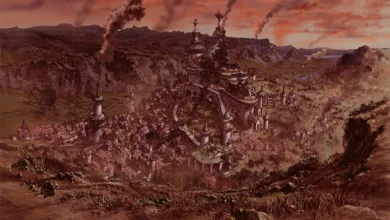
The broken landscapes often depicted in Coptic art also informed the designs for elements such as clouds, the sea, and even animated effects, creating a visually fragmented world that mirrors the emotional turmoil and spiritual journey within the narrative. Character designs for the martyrs subtly reflect traditional depictions of Christ, adhering to Coptic Icon tradition, emphasizing their spiritual purity and sacrifice. Crucially, the eyes of the characters are highlighted, another direct influence from Coptic art, intended to convey profound emotion and inner strength. In stark contrast, the ISIS militants are rendered with a minimalist approach, using simplified graphic forms, stripped of most color, and notably, with their eyes essentially removed. This stylistic choice effectively dehumanizes the perpetrators, symbolizing their lack of emotion and humanity.

Symbolism permeates every frame of the film, much like in traditional iconography. Birds symbolize the Holy Spirit, while the clouds and sea represent the omnipresence of God. To maintain a deeply human and authentic quality, the film incorporates actual hand-painted textures, ensuring a handmade feel that connects the viewer directly to the artistry and the emotional core of the story. The choice of an old square Academy aspect ratio (1.37:1) further reflects the more vertical orientation of Coptic art, creating a more intimate viewing experience that, according to director Polson, helps the audience better relate to the characters. For the Libyan landscapes, inspiration was drawn from futurist and precisionist art, while the horrors captured by Vorticists like Lewis and Nevinson during WWI profoundly influenced the depiction of a broken, fractured world that mirrors the emotional states of the characters.
Voices of Acclaim: Industry Recognition and Consultation
The film’s journey has been significantly bolstered by the involvement and endorsement of respected figures within both the animation world and the Coptic Orthodox Church. Glen Keane, an animation legend known for his work on iconic Disney characters, offered a powerful endorsement, highlighting the film’s profound emotional and aesthetic impact. His recognition underscores the artistic merit and innovative spirit of 21 Martyrs.
Further enhancing the film’s credibility and artistic depth were consultations with other industry luminaries and religious leaders. Tomm Moore, a celebrated Irish animator known for his visually stunning and culturally rich films like Song of the Sea and Wolfwalkers, provided invaluable input, likely contributing to the film’s unique visual storytelling. Tom Bancroft, another veteran Disney animator and character designer, also lent his expertise, ensuring the narrative and character animation resonated powerfully. On the spiritual and theological front, His Eminence Archbishop Angaelos, the Coptic Orthodox Archbishop of London, offered crucial guidance, ensuring the film’s portrayal of the martyrs and Coptic faith was accurate, respectful, and deeply authentic. This multi-faceted consultation process ensured that 21 Martyrs is not only an animation triumph but also a historically and spiritually resonant narrative. The film’s shortlisting for an Oscar in 2025 further validates its exceptional quality and significant impact on the animation landscape.
The Broader Impact: Memory, Message, and Medium
Tod Polson articulates his deepest hope for the film: that "it serves as a tribute to the martyrs and their families." This aspiration speaks to the film’s primary objective—to honor the memory of the 21 Coptic Christians and to offer solace and recognition to those they left behind. In a world grappling with escalating conflicts, extremism, and the erosion of human dignity, their story of unwavering faith and resilience is more vital than ever. The film functions as a powerful counter-narrative to the dehumanization often perpetuated by extremist ideologies, spotlighting the enduring power of the human spirit.
21 Martyrs also exemplifies the evolving capacity of animation as a medium. Traditionally associated with children’s entertainment or fantasy, animation is increasingly being leveraged to tell complex, mature, and real-world stories. Films like Persepolis, Waltz with Bashir, and now 21 Martyrs demonstrate that animation can tackle traumatic historical events, offer profound social commentary, and evoke deep emotional responses, often with a unique visual language that live-action might struggle to achieve. The stylized nature of animation, particularly in 21 Martyrs with its iconicographic roots, allows for a symbolic representation of trauma and spirituality that can be both universally accessible and deeply personal.

The film’s message extends beyond the Coptic community, resonating with anyone confronting adversity or seeking inspiration in acts of courage. It serves as a reminder of the human capacity for faith, even in the darkest of circumstances, and the universal longing for peace and justice. The fact that an animated film is achieving such recognition for addressing such a somber topic also signals a growing maturity in how the industry and audiences perceive the medium.
The Future of Animated Storytelling
The success and critical reception of 21 Martyrs underscore a significant trend in the global animation industry: the increasing demand for diverse content and the power of cross-border collaborations. As reported by Variety, the animation sector is witnessing a surge in international partnerships, driven by the desire to create rich, culturally nuanced narratives that appeal to global audiences. 21 Martyrs perfectly embodies this trend, with its worldwide creative team bringing a multiplicity of perspectives to a story of universal human struggle and triumph. This collaborative model not only enriches the artistic output but also fosters a sense of shared purpose, uniting artists from different backgrounds in a common endeavor. The film’s journey from a deeply personal inspiration to an Oscar-shortlisted international production highlights the potential for animation to serve as a powerful tool for cultural dialogue, historical remembrance, and profound human connection in the 21st century.
Conclusion
21 Martyrs stands as a monumental achievement in animated storytelling, a poignant tribute to 21 Coptic Christians whose sacrifice resonated across the globe. Through its exquisite artistry, deeply researched narrative, and powerful symbolism, Tod Polson and his international team have crafted a film that transcends its medium, offering a message of faith, resilience, and humanity that is both timeless and acutely relevant. As it garners critical acclaim and Oscar recognition, 21 Martyrs not only honors the memory of the martyrs and their families but also redefines the boundaries of what animated cinema can achieve, proving that even the most harrowing events can be transformed into works of enduring beauty and profound spiritual significance. The film serves as a beacon of hope and a testament to the power of art to remember, to inspire, and to challenge audiences to reflect on the deeper meanings of courage and conviction.