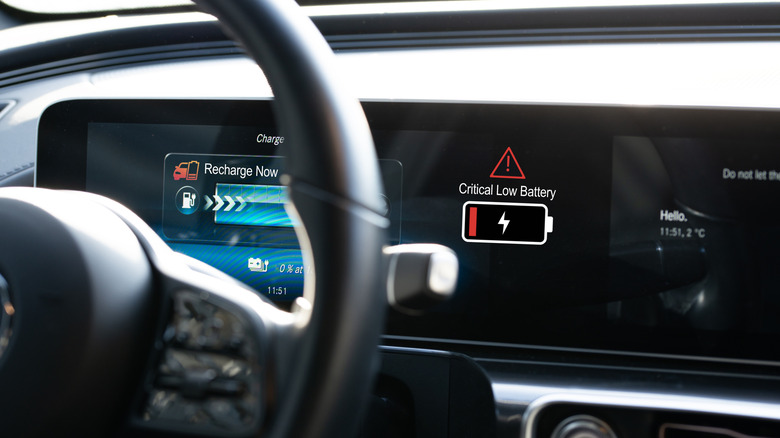
The transition to electric vehicles (EVs) marks a significant shift in personal transportation, offering benefits like instant torque, a quieter driving experience, and reduced reliance on fossil fuels. However, a persistent concern for many EV owners, and a barrier to wider adoption, is "range anxiety"—the fear of depleting the battery before reaching a charging station. While the charging infrastructure continues to expand, mastering the art of maximizing an EV’s range is a crucial skill for all drivers. This involves understanding the fundamental principles of EV operation and implementing practical adjustments to driving habits and vehicle management. This comprehensive guide outlines five key strategies that drivers can employ to extend their electric vehicle’s mileage, transforming the ownership experience from one of apprehension to one of confidence and efficiency.
The Evolving Landscape of EV Range and Consumer Concerns
The electric vehicle market has witnessed exponential growth in recent years, driven by environmental consciousness, government incentives, and advancements in battery technology. Major automotive manufacturers are increasingly prioritizing electric powertrains, introducing a wider array of EV models across various segments. This surge in popularity, however, has brought to the forefront the practical considerations of daily EV use. Range, often cited as a primary concern, is not merely an abstract number but a tangible factor influencing a driver’s ability to undertake everyday commutes, errands, and longer journeys.
Data from the U.S. Department of Energy’s Alternative Fuels Data Center (AFDC) indicates that the average range of new EVs has steadily increased. In 2020, the average EPA-estimated range for new EVs was approximately 250 miles. By 2023, this figure had risen to over 300 miles for many models. Despite these improvements, the actual range achieved by a driver can be significantly influenced by external factors such as driving style, ambient temperature, terrain, and the use of auxiliary systems like climate control. Understanding these variables and implementing proactive measures is therefore essential for optimizing EV performance and alleviating range anxiety.
Strategic Approaches to Extend EV Range
1. Pre-conditioning the Vehicle: Optimizing Cabin Comfort Without Sacrificing Battery Life
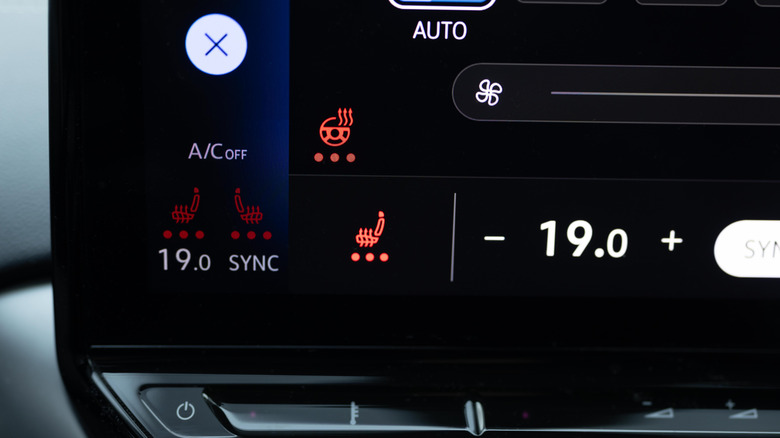
One of the most impactful yet often overlooked strategies for maximizing EV range is pre-conditioning the vehicle’s cabin. In colder climates, the immediate urge upon entering a frigid car is to crank up the heater. However, this process draws a substantial amount of power directly from the battery, noticeably reducing the available range even before the journey begins. Similarly, in hot weather, aggressive use of air conditioning can have a comparable effect.
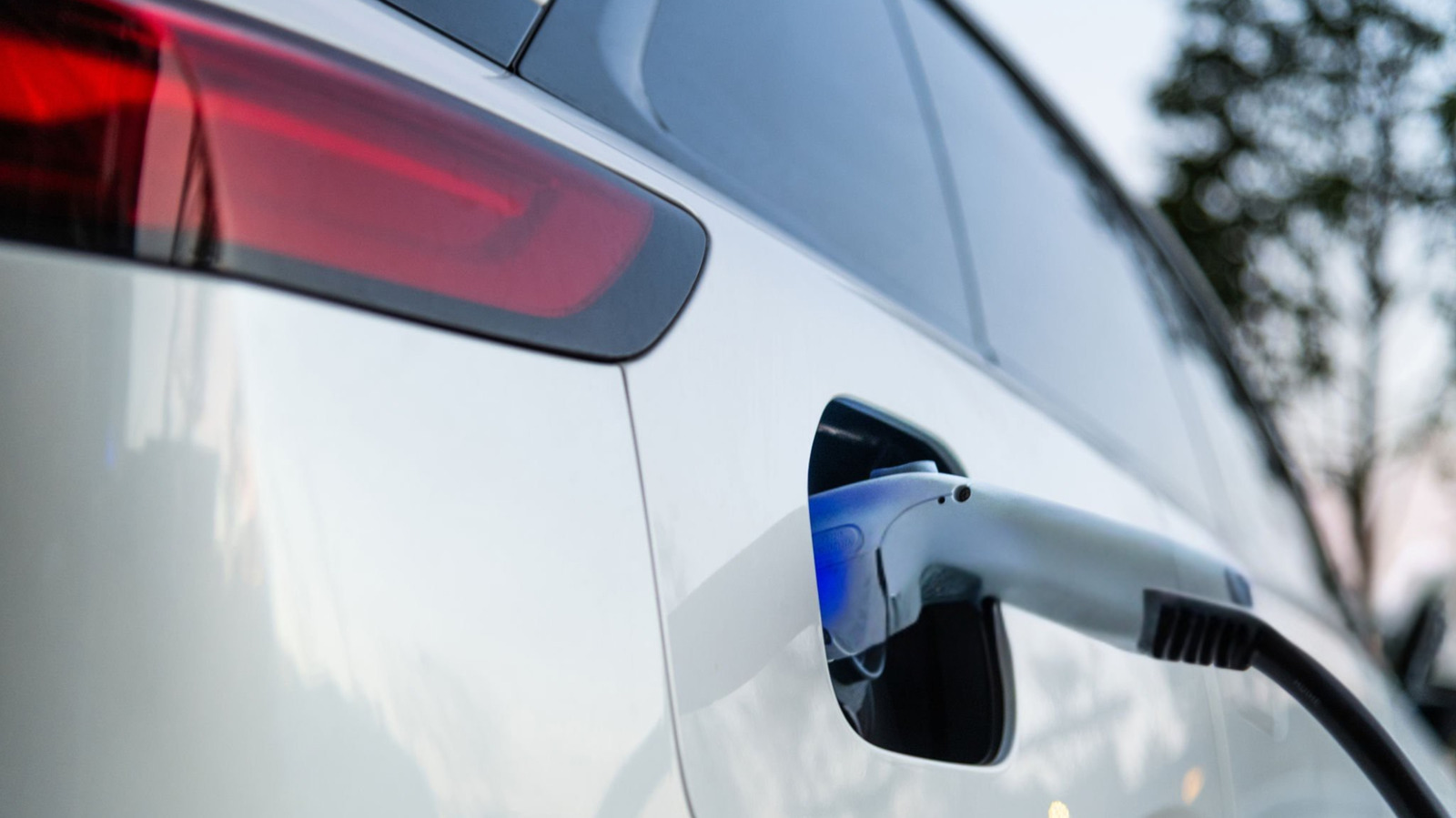
The most effective solution is to pre-condition the cabin while the vehicle is still connected to a charging source. This allows the heating or cooling system to operate using external electricity, rather than depleting the vehicle’s stored battery energy. Many modern EVs offer remote pre-conditioning capabilities through smartphone applications, allowing drivers to schedule cabin temperature adjustments before they even step into the car. For instance, a driver could set their EV to begin warming the interior 30 minutes before their departure time.
The U.S. Department of Energy’s (DOE) 2024 Fuel Economy Guide explicitly recommends heating and cooling EVs while they are plugged in. This practice not only conserves battery power for driving but also contributes to the longevity of the vehicle’s battery system. A cold battery operating at extreme temperatures experiences more stress. By allowing the cabin and, by extension, the battery to reach a more optimal temperature gradually while charging, drivers can help maintain battery health, which is crucial for sustained performance and long-term range capacity. This proactive approach ensures a comfortable driving environment without the penalty of diminished range.
2. Mastering Smooth Acceleration and Deceleration: The Art of Efficient Driving
The exhilarating instant acceleration that EVs offer is a signature feature, providing a rapid and responsive driving experience. However, this immediate power delivery comes at a cost to battery efficiency. When the accelerator pedal is pressed, the electric motor demands a significant surge of energy from the battery. Frequent and aggressive acceleration, especially from a standstill, leads to a rapid drain on the battery, diminishing overall range.
To counteract this, drivers should adopt a smoother, more measured approach to gaining speed. Instead of launching from a traffic light, a gentle and progressive application of the accelerator allows for a more consistent power draw. This not only conserves energy but also contributes to a more comfortable ride and reduces wear and tear on critical components.
The practice of gradual acceleration is analogous to how one might approach driving a conventional gasoline vehicle for optimal fuel economy. By avoiding abrupt throttle inputs, drivers can significantly improve their EV’s efficiency. Furthermore, developing this smoother driving style offers secondary benefits. Rapid starts and stops can accelerate tire wear and place undue stress on braking systems. A more deliberate driving approach minimizes unnecessary friction and mechanical strain, contributing to the overall longevity and reliability of the vehicle. This shift in driving habit is a fundamental aspect of transitioning to EV ownership and maximizing its inherent efficiencies.
3. Harnessing Regenerative Braking: Reclaiming Energy with Every Deceleration
Electric vehicles are equipped with an innovative technology known as regenerative braking, which plays a pivotal role in extending range by recapturing energy that would otherwise be lost. In traditional internal combustion engine vehicles, applying the brakes converts kinetic energy into heat through friction, which is then dissipated into the atmosphere. EVs, however, utilize their electric motors in reverse during deceleration.
When the driver lifts their foot off the accelerator or applies the brakes, the electric motor acts as a generator. This process captures the vehicle’s forward momentum and converts it back into electrical energy, which is then used to recharge the battery. This means that every time an EV slows down, it is effectively replenishing a portion of its battery charge.
The U.S. Department of Energy highlights the importance of regenerative braking for EV efficiency. Drivers can often adjust the intensity of regenerative braking through the vehicle’s settings, with many EVs offering a "one-pedal driving" mode. In this mode, regenerative braking is so effective that it can bring the vehicle to a complete stop without the driver needing to press the brake pedal, maximizing energy recovery. For instance, when descending a hill, instead of relying solely on friction brakes, an EV driver can simply ease off the accelerator, allowing regenerative braking to slow the vehicle while simultaneously recharging the battery. Mastering the use of regenerative braking is a key skill for any EV owner seeking to optimize their vehicle’s range and reduce reliance on frequent charging.
4. Maintaining Optimal Tire Pressure: The Foundation of Rolling Efficiency
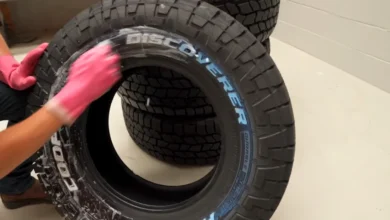
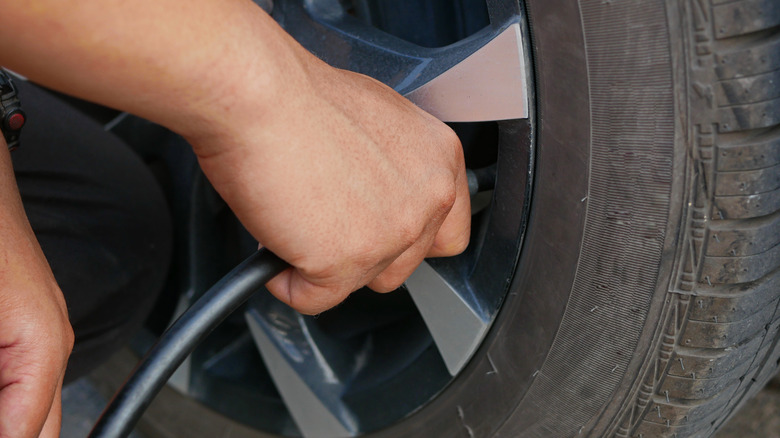
Tire pressure is a critical, yet often overlooked, factor influencing an electric vehicle’s total range. EVs are inherently heavier than their gasoline counterparts due to the substantial weight of their battery packs. This added weight places a greater burden on the tires, making proper inflation even more crucial. When tires are under-inflated, they create increased rolling resistance. This means the vehicle’s motors must work harder to overcome the friction between the tires and the road surface, demanding more energy from the battery and consequently reducing the vehicle’s range.
The principle is similar to riding a bicycle: riding with under-inflated tires requires significantly more effort to achieve the same speed compared to riding with properly inflated tires. This increased energy expenditure directly translates to a shorter driving range for an EV.
Drivers should be aware of their vehicle’s recommended tire pressure, typically found on a sticker inside the driver’s side doorjamb or in the owner’s manual. Regular checks, ideally once a month and before long journeys, are essential. Weather conditions can also significantly impact tire pressure; cold temperatures cause air to contract, leading to lower pressure, while hot weather causes expansion. Many modern EVs are equipped with Tire Pressure Monitoring Systems (TPMS) that alert drivers to low pressure, but manual checks with a reliable gauge are still recommended.
For EV owners seeking to further optimize range, considering EV-specific tires can be beneficial. These tires are engineered with compounds and tread designs that minimize rolling resistance, offering a tangible improvement in efficiency. By ensuring tires are always inflated to the manufacturer’s specifications, drivers can avoid unnecessary energy losses and maximize their EV’s potential range.
5. Strategic Use of Cruise Control: Maintaining Consistency on the Open Road
Maintaining a consistent speed is paramount for maximizing EV range, especially on highway journeys. Fluctuations in speed—slight accelerations and decelerations—require small, incremental energy demands from the battery. While these variations may seem insignificant on short trips, over the course of a long drive, they can cumulatively lead to a noticeable reduction in overall efficiency and range.
The most effective way to combat these minor speed variations is by utilizing the cruise control feature. Highways, with their generally straighter paths and less frequent traffic interruptions, are ideal environments for cruise control. By setting a desired speed, the vehicle’s system precisely manages acceleration and deceleration, ensuring a steady and consistent rate of energy consumption. This automated precision prevents the "human error" of unconsciously accelerating or decelerating due to distractions or minor road variations, thus preventing unnecessary energy drainage.
Many contemporary EVs are equipped with advanced adaptive cruise control systems. These systems not only maintain a set speed but can also automatically adjust to the speed of the vehicle ahead, ensuring a safe following distance and further optimizing efficiency by mirroring the flow of traffic. By engaging cruise control on suitable roads, drivers can allow the vehicle’s sophisticated systems to manage power delivery with optimal efficiency, contributing to a more extended and relaxed driving experience.
Broader Implications and Future Outlook
The strategies outlined above represent practical, actionable steps that EV owners can take to enhance their driving experience and alleviate range anxiety. As battery technology continues to advance and charging infrastructure becomes more ubiquitous, the practical limitations of EV range are diminishing. However, the principles of efficient driving and vehicle management remain timeless.
The widespread adoption of EVs is a critical component of global efforts to combat climate change and reduce carbon emissions. By empowering drivers with the knowledge to maximize their EV’s efficiency, we not only improve individual ownership experiences but also contribute to a more sustainable transportation ecosystem. As the automotive industry continues its electric revolution, the focus on range optimization underscores a commitment to making electric mobility accessible, practical, and desirable for an ever-growing segment of the population. The journey towards a fully electric future is not just about the vehicles themselves, but also about the intelligent and informed way in which we choose to drive them.