Navigating the Digital Frontier: Why Modern Enterprises Need a Comprehensive Social Media Policy in 2026

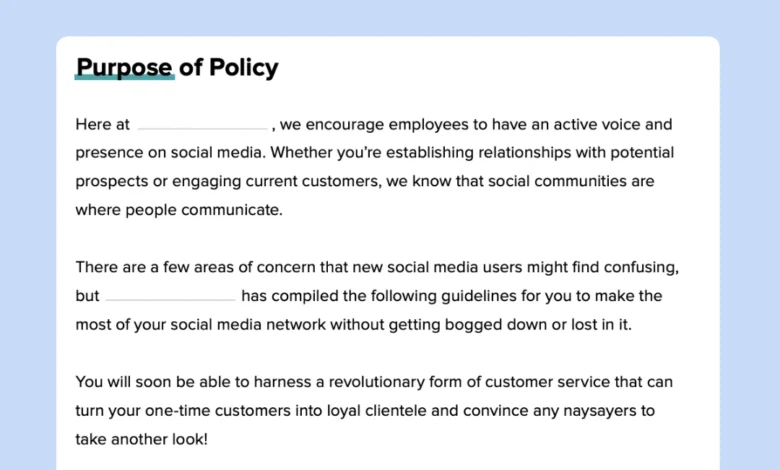
Over the past decade, the digital ecosystem has undergone a profound transformation, evolving from a simple social networking space into a multifaceted corporate infrastructure. Today, social media platforms function simultaneously as public relations channels, customer service desks, and community-building hubs. As organizations strive to build active, authentic online presences that resonate with modern consumers, the complexity of managing a brand’s digital footprint has multiplied exponentially. This challenge is further compounded by the rise of employee-generated content (EGC) and artificial intelligence, forcing corporate leaders to reconsider how they govern online behavior. Recent industry data underscores this shift. According to a Sprout Social Q2 2026 Pulse Survey, 40% of consumers find employee-generated content to be significantly more authentic than official brand page posts. While EGC and influencer partnerships offer unprecedented reach, they also introduce substantial risks to corporate reputation, data privacy, and legal compliance. To address these vulnerabilities, forward-thinking organizations are increasingly adopting comprehensive social media policies to protect their brand equity, navigate emerging technologies like AI, prioritize consumer privacy, and establish clear boundaries for digital advocacy.
Defining the Corporate Social Media Policy and Its Evolution

To understand the necessity of modern digital governance, one must first distinguish between a social media policy and social media guidelines. A social media policy functions as an official component of a company’s business code of conduct. It dictates binding rules regarding how employees represent themselves and the brand across digital networks, incorporating strict protocols to protect brand security, customer privacy, and legal interests. Conversely, social media guidelines typically refer to best practices for utilizing specific social channels effectively.
The historical evolution of these frameworks reveals a steady adaptation to technological milestones. In the mid-2000s, pioneering enterprises such as IBM established some of the earliest corporate social computing standards to address the burgeoning blogging phenomenon. Over the past twenty years, these frameworks have expanded to encompass microblogging, visual platforms, professional networks, and now, generative artificial intelligence. Modern policies routinely address whether AI-generated content is permissible, how it must be labeled, and how it aligns with broader corporate governance guardrails.
The Rise of Employee Advocacy and Associated Risks
The modern digital landscape is defined by the employee-as-influencer phenomenon. Data from the Sprout Social Influencer Marketing Report indicates that more than half of consumers encounter content from brand employees at least once a week, with 15% witnessing it daily. Furthermore, consumer demand for direct engagement is high, with 46% of respondents expressing a specific desire to hear from frontline employees. When leveraged correctly, employee advocacy can exponentially increase brand awareness, establish organizational thought leadership, drive qualified leads, and bolster recruitment efforts.
However, this decentralization of brand messaging carries inherent risks. An unguided employee with a substantial following can inadvertently—or intentionally—ignite a public relations crisis. Without training in corporate voice and protocol, well-meaning staff members can misrepresent company values or violate regulatory boundaries. Consequently, a robust social media policy serves as a critical governance tool, unlocking the benefits of employee advocacy while safeguarding institutional credibility.
Mitigating Legal, Security, and Public Relations Vulnerabilities
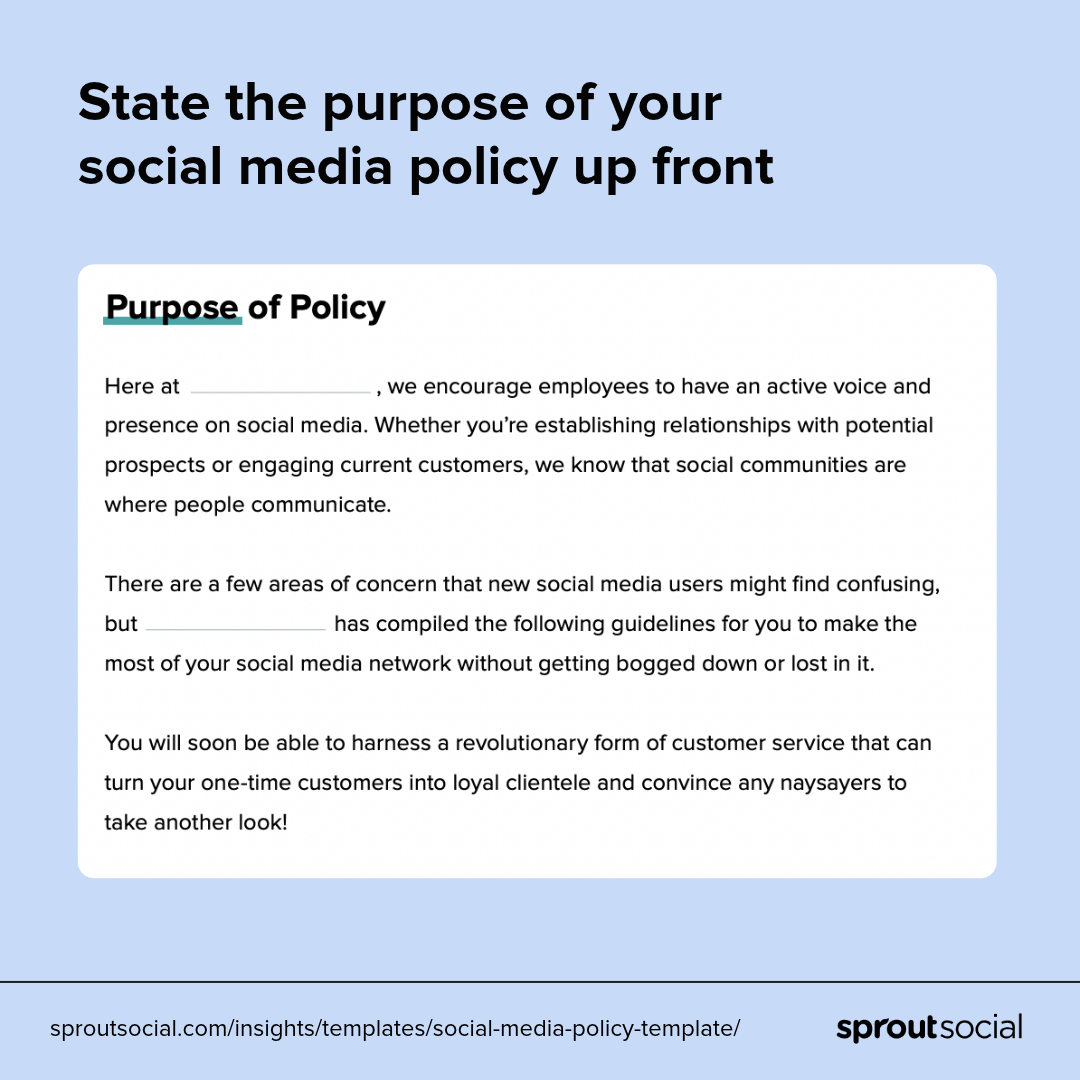
Beyond brand reputation, contemporary social media policies play a vital role in mitigating legal action, privacy violations, and security breaches. Regulatory frameworks governing copyright, intellectual property, and consumer privacy are increasingly complex and vary significantly across jurisdictions. Legal counsel is essential in drafting clear do’s and don’ts to ensure that internal staff and external contractors remain fully compliant.
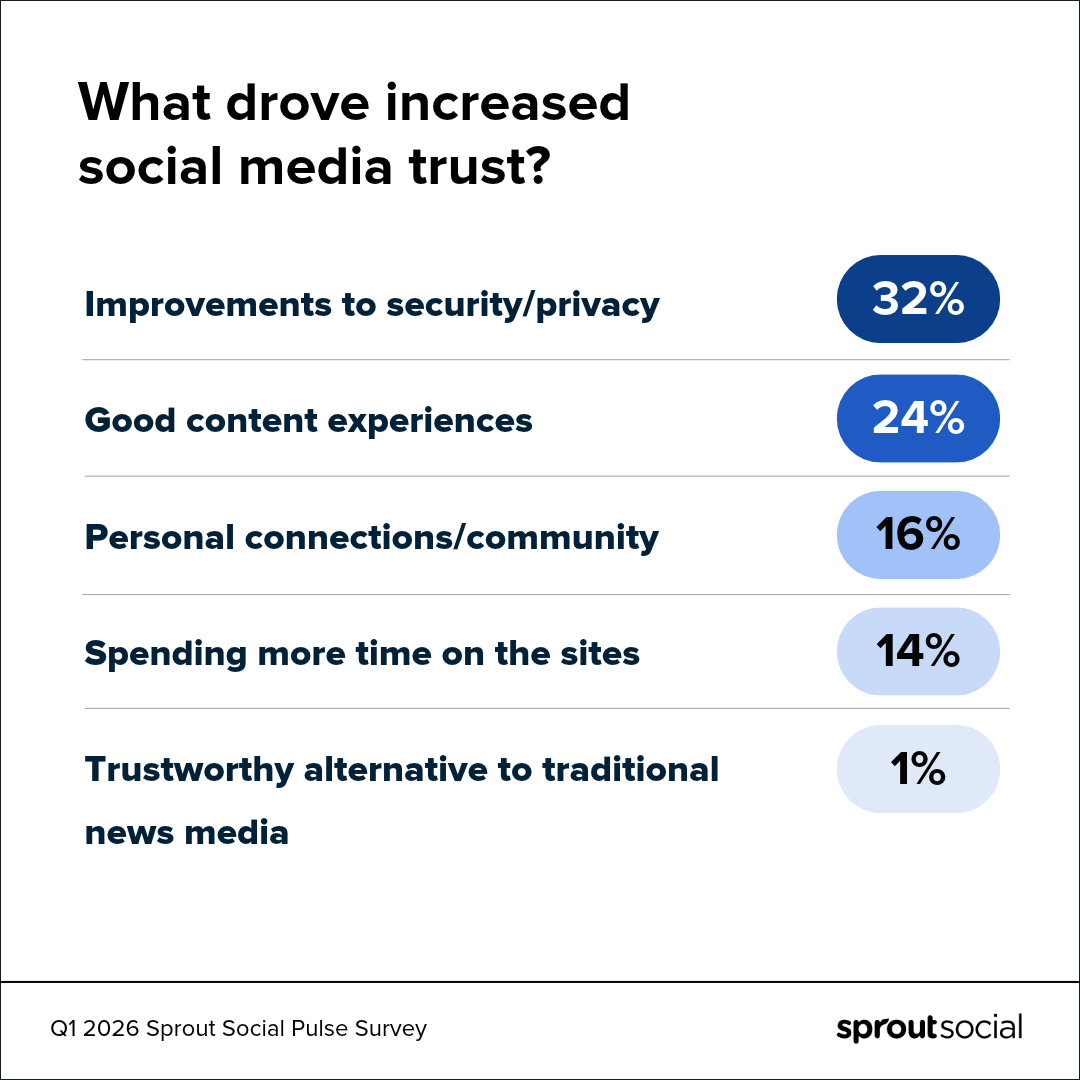
Security and privacy concerns represent another critical frontier. According to a Q1 2026 pulse survey, increases in consumer trust on social media are most frequently attributed to demonstrable improvements in security and privacy protocols. Cybercriminals frequently target social media channels for phishing, fraud, and ransomware attacks. A comprehensive policy establishes strict protocols to fortify accounts against external threats while educating employees on vigilant online behavior.
Furthermore, public relations readiness is paramount. Social media frequently serves as the primary medium where consumers first encounter unfolding brand crises. Survey data indicates that 64% of consumers expect brands to respond publicly to a crisis on social media rather than through traditional press releases or website announcements. Integrating a social media crisis plan directly with the corporate policy ensures that designated response teams can act swiftly to contain reputational damage before it escalates.
Core Components of an Effective Social Media Policy
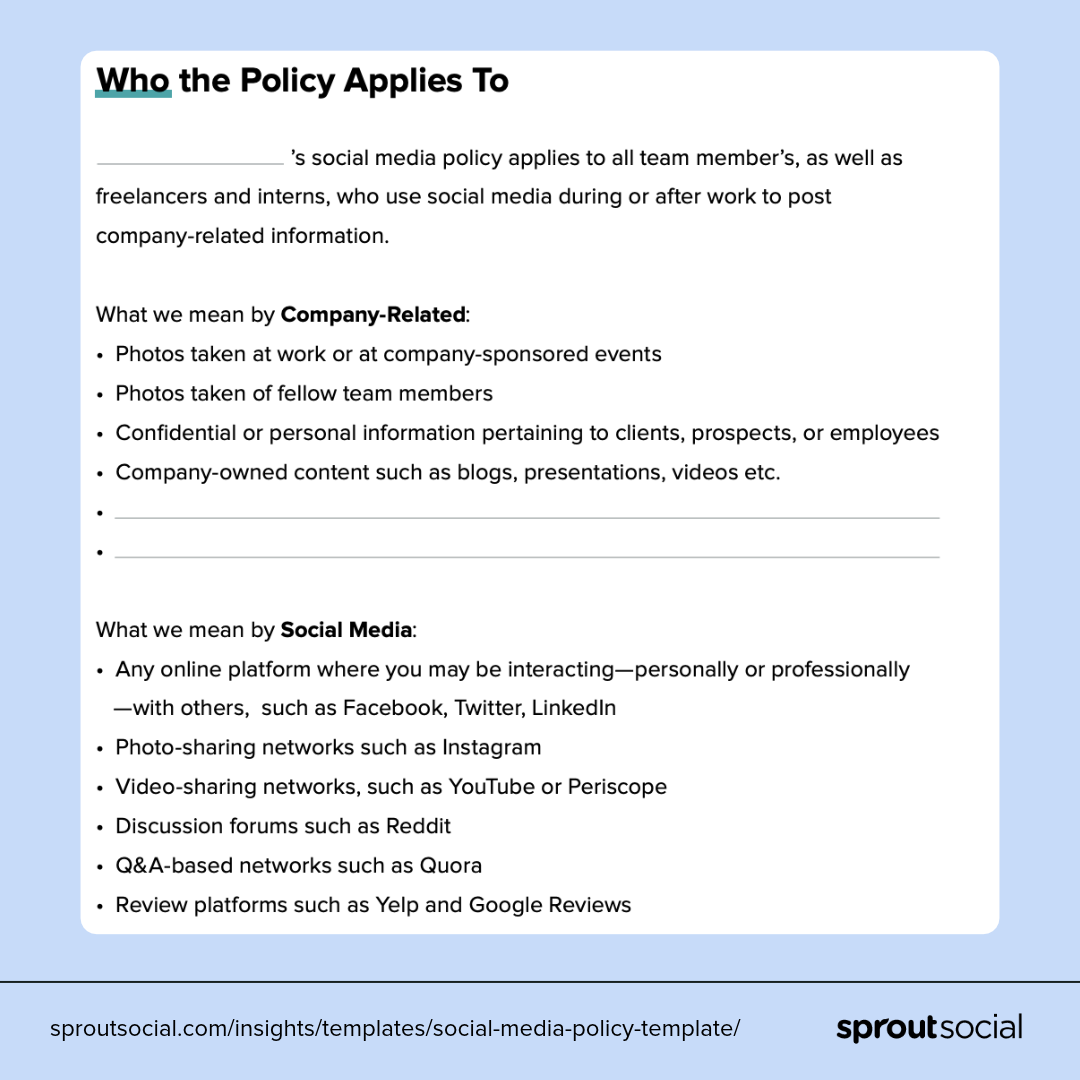
Crafting a resilient social media policy requires a meticulous approach that balances institutional protection with employee empowerment. Organizations must outline several foundational elements to ensure comprehensive coverage:
- Purpose and Scope: The policy must transparently articulate why the organization requires governance and explicitly state to whom the rules apply—ranging from executive leadership and department managers to interns and independent contractors.
- Personal Account Guidelines: While employers cannot police every action on private profiles, policies must clarify that personal online behavior can reflect upon the broader organization. Employees are reminded of basic behavioral expectations and the importance of professional discretion.
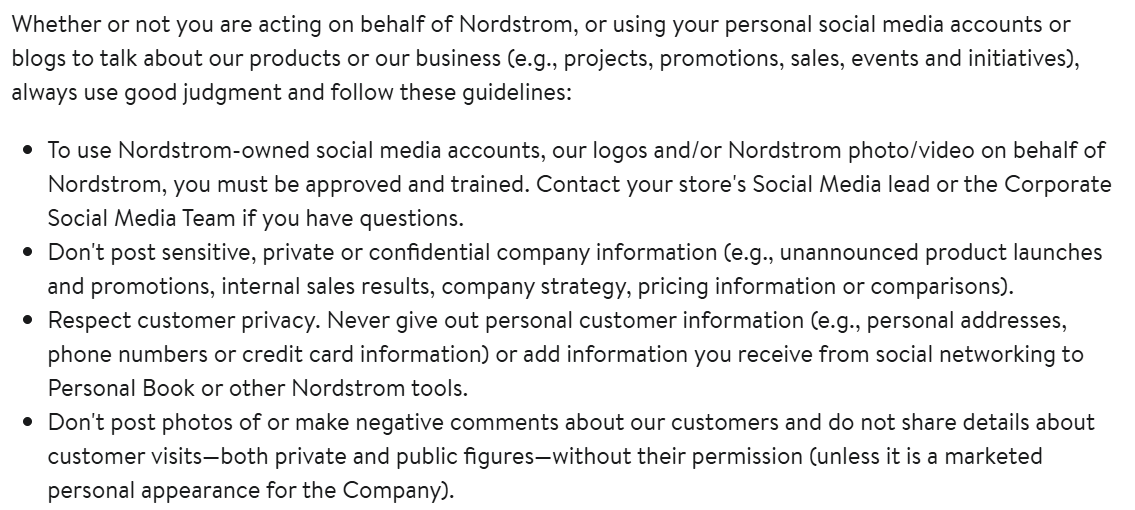
- Company Association Rules: To mitigate liability, many policies encourage or mandate the use of personal disclaimers—such as noting that all views expressed are strictly personal and do not represent the employer.
- Security and Privacy Protocols: Mandatory rules regarding the handling of sensitive corporate data, customer information, and multi-factor authentication procedures help prevent security breaches.
- Legal and Regulatory Compliance: Clear instructions on navigating intellectual property laws, industry regulations, and disclosure requirements reduce exposure to litigation.
- Responsible Engagement Framework: Clear protocols dictate who is authorized to speak on behalf of the company and provide standard operating procedures for addressing negative customer feedback or inquiries.
- Artificial Intelligence Governance: With the rapid integration of AI tools, policies must address transparency, appropriate use cases for content creation and customer service, and mandatory human sign-off processes. Consumer sentiment regarding AI remains nuanced; while approximately 70% of survey respondents are comfortable with AI usage for expedited customer service, nearly half express discomfort regarding AI-generated influencers.
- Influencer Partnerships: Clear adherence to Federal Trade Commission (FTC) guidelines ensures that all sponsored content, gifted products, and paid partnerships are explicitly disclosed as commercial advertisements.
Industry Case Studies: Nordstrom, IBM, and Mailchimp
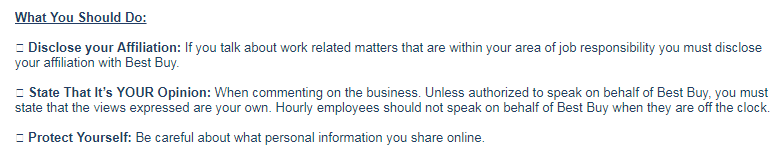
Several major enterprises have established benchmark standards for social media governance. Nordstrom’s social media policy prioritizes customer privacy and transparency, offering clear distinctions between official brand channels and personal employee profiles. The policy strictly prohibits sharing sensitive customer data or imagery and mandates that official communications be handled exclusively by trained personnel. Additionally, Nordstrom maintains explicit guidelines for endorsers, defining anyone with a relationship to the company—including product recipients and event attendees—as an endorser subject to truthful disclosure rules.
IBM’s Social Computing Guidelines, which trace their lineage back to 2005, demonstrate the importance of long-term policy evolution. Integrated directly into the company’s broader business conduct guidelines, IBM’s framework provides precise instructions for how employees should respond if contacted by journalists or industry analysts on social media. It carefully delineates the pathway for employees seeking authorization to speak publicly on behalf of the corporation.
Mailchimp approaches governance through the lens of brand voice and tone. As a content-centric enterprise, Mailchimp’s policy establishes a delicate balance between authentic consumer connection and brand preservation. By centralizing channel ownership within the marketing team, the company maintains a clear approval structure for all published material while providing conversational, accessible guidance for internal content creators.

Legal Disclaimer and Analytical Implications
As organizations continue to adapt to the realities of the digital age, the implementation of a thoughtful social media policy remains an indispensable administrative safeguard. However, corporate leaders must recognize that internal policy documents do not constitute formal legal advice. Organizations are strongly advised to consult with qualified legal counsel to tailor compliance frameworks to their specific industry regulations and jurisdictional requirements.
Ultimately, the successful integration of a social media policy transforms social media from a liability into a strategic asset. By establishing clear boundaries, embracing technological advancements responsibly, and empowering employees as authentic brand advocates, modern enterprises can secure their digital footprint while fostering enduring trust with their audiences.
Frequently Asked Questions
What is the difference between a social media policy and social media guidelines?
A social media policy establishes binding rules regarding how content is created, secured, and shared within a brand’s digital ecosystem, focusing on legal compliance, security, and risk mitigation. Social media guidelines are operational best practices designed to help users optimize content creation and posting strategies for specific social media channels.
How often should a company update its social media policy?
Organizations should conduct formal reviews of their social media policies at least quarterly. Regular evaluations ensure that the framework adapts effectively to rapidly evolving technologies, emerging digital platforms, shifts in consumer behavior, and broader updates to corporate governance standards.