The Nikon ZR Represents a Landmark Convergence of Legacy Engineering and Digital Cinema Innovation


When Nikon Corporation announced the development of the Nikon ZR, the imaging industry recognized a significant shift in the competitive landscape of digital cinematography. By integrating Nikon’s legendary optical heritage with the sophisticated color science and workflow DNA of RED Digital Cinema, the camera serves as a tangible manifestation of a strategic partnership that has been years in the making. This collaboration marks the first time a major traditional manufacturer has fully internalized the R3D workflow, effectively bridging the gap between high-end professional cinema production and the versatile, lightweight needs of the modern hybrid content creator.
A Strategic Partnership: The Genesis of the ZR
The genesis of this camera lies in the strategic acquisition of RED Digital Cinema by the Nikon Corporation. For decades, the two companies occupied distinct tiers of the imaging market: Nikon, a titan of photography known for its robust Z-mount ecosystem and reliable autofocus, and RED, the disruptive innovator that fundamentally altered the motion picture industry with the 2007 release of the RED ONE.
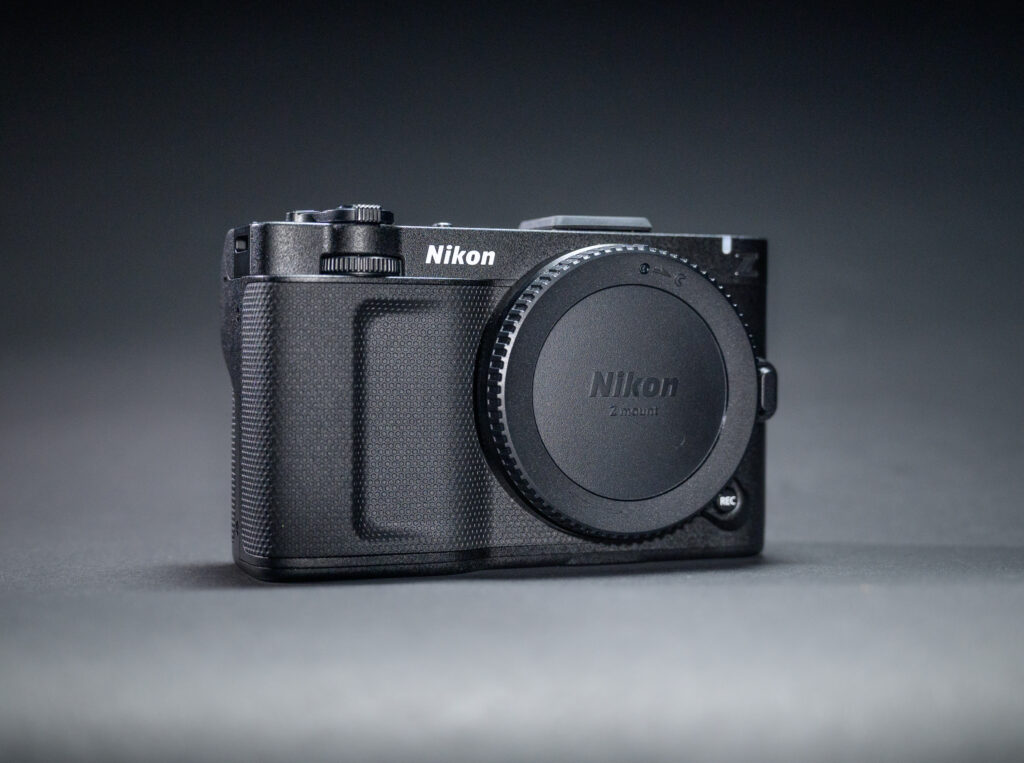
Industry analysts have long speculated about a union of this nature. Nikon’s deliberate, sometimes cautious approach to market releases—frequently criticized for a slower pace than its competitors—has been historically balanced by the high optical fidelity of its NIKKOR glass. Conversely, RED’s "hard-charging" ethos focused on modularity and proprietary RAW codecs. The Nikon ZR is the first product to emerge from this union, designed to satisfy the demand for a compact, full-frame cinema camera that does not compromise on image quality.
Technical Specifications and Workflow Integration
The core value proposition of the Nikon ZR is the internal implementation of R3D NE RAW recording. While other manufacturers have utilized third-party RAW formats, the ZR allows users to capture 12-bit 6K footage at up to 60 frames per second using the same codec that has powered Hollywood productions for over a decade. This integration is supported by a comprehensive adoption of the RED color pipeline, including Log3G10 and REDWideGamutRGB.
This technical decision allows for a seamless match between the ZR and larger RED cinema bodies, a feature that is expected to appeal to production houses that utilize the ZR as a "B-cam" or a specialized POV camera. Beyond the proprietary RED format, the camera supports N-RAW and ProRes RAW, providing filmmakers with a degree of flexibility that is rarely found in bodies weighing just over one pound.
Firmware 2.0: Addressing Market Feedback
Nikon’s commitment to the ZR’s lifecycle was underscored by the release of the 2.0 firmware, a critical update that followed initial user feedback regarding noise reduction in compressed codecs. The update, which solidified the camera’s standing in the market, introduced H.265 Log3G10 and REDWideGamutRGB for users who require high dynamic range without the storage overhead of R3D files.
Furthermore, the 2.0 update addressed specific performance issues related to low-light capture. By adjusting the high ISO noise reduction levels and suppressing frame-by-frame black-level fluctuations, Nikon has mitigated the "flicker" often associated with early-generation mirrorless video. Testing indicates that the camera performs reliably at ISO 3200 and 6400, offering a usable signal-to-noise ratio that meets current industry standards for documentary and low-light production.
Ergonomics and Design Philosophy
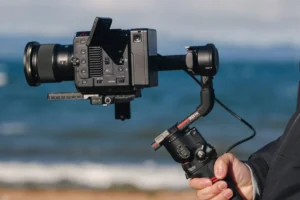
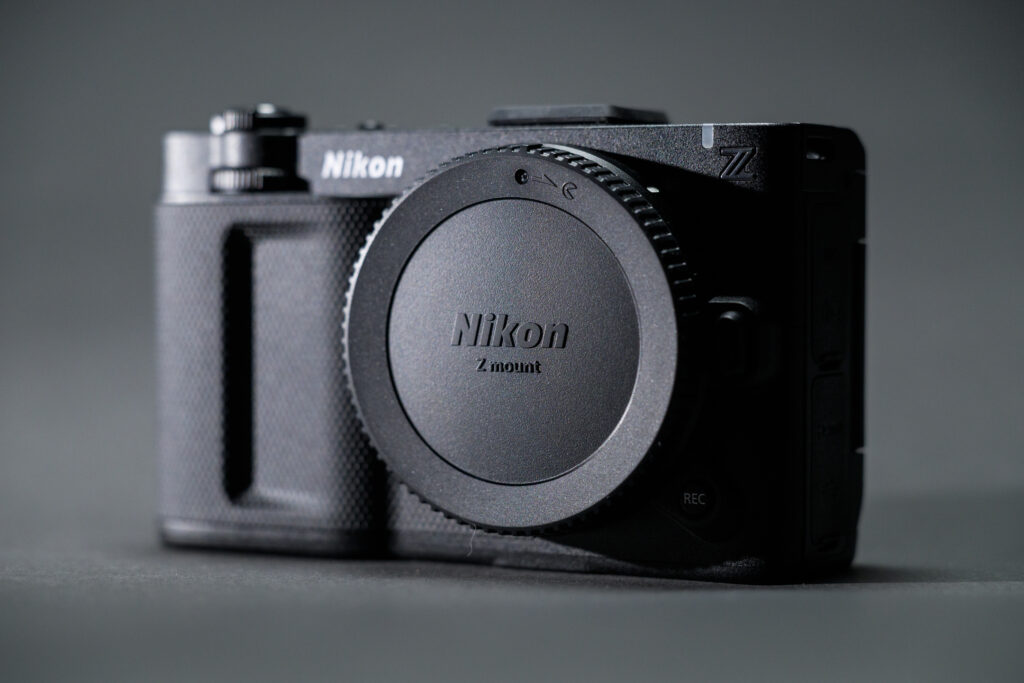
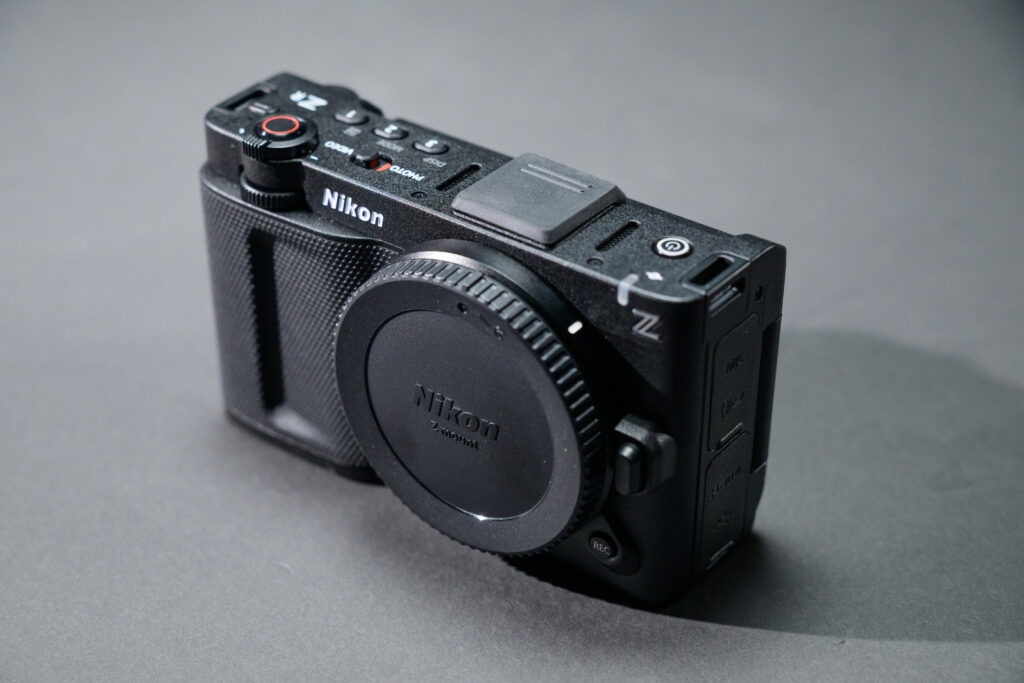
The physical design of the Nikon ZR deviates significantly from the traditional cinema form factor. By omitting an electronic viewfinder (EVF) and favoring a high-resolution, 4-inch rotatable LCD, Nikon has signaled that the device is intended for video-centric workflows where external monitoring or handheld operation is the priority.
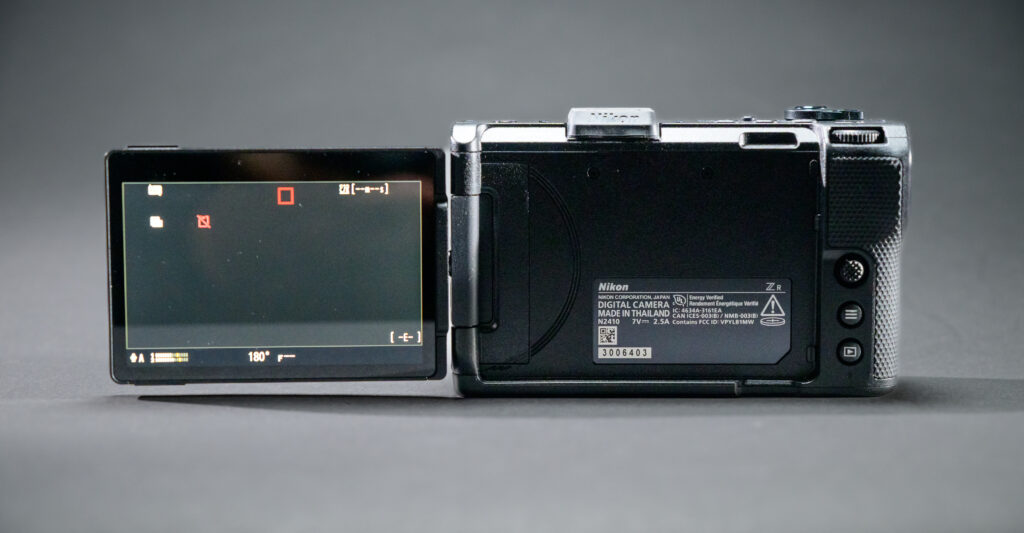
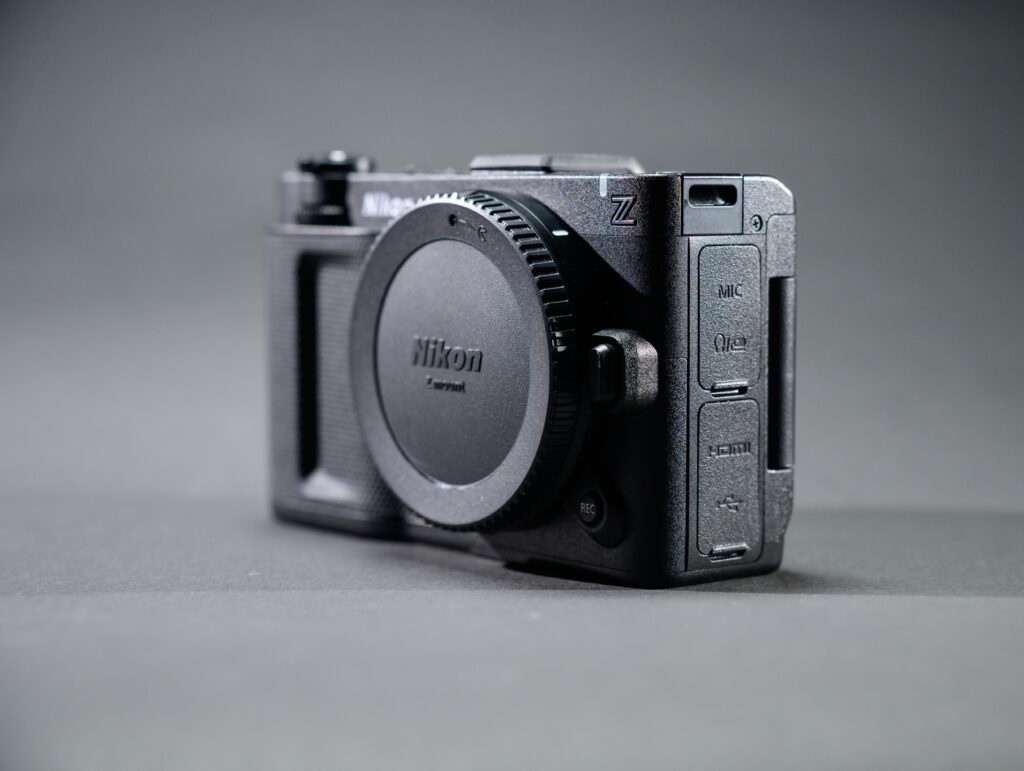
The camera’s design occupies a unique space in the current market. It is smaller and more compact than the Sony FX6 or the Canon C300 Mark III, yet it retains a robust set of professional features. However, this design choice comes with trade-offs. The reliance on a Micro HDMI port—rather than a full-size port—has been a point of contention among professional operators who view the interface as a potential failure point in high-stress production environments. Additionally, the lack of built-in rigging points necessitates the use of third-party cages, which increases the total weight and footprint of the camera system for most field applications.
Audio and Advanced Processing
A notable inclusion in the Nikon ZR is the implementation of 32-bit float audio recording. By enabling the camera to record a wider dynamic range of audio, Nikon has effectively reduced the risk of clipping during high-decibel recording sessions. This feature is a significant advantage for solo operators, as it reduces the dependency on external audio mixers for simple run-and-gun setups. When combined with the camera’s advanced subject-tracking autofocus—which utilizes deep learning to identify people, animals, and vehicles—the ZR is positioned as a powerful, autonomous tool for documentary filmmakers.
Comparative Market Analysis
The camera occupies a distinct middle ground. It is not intended to replace high-end cinema production cameras, nor is it merely a still-camera with video capabilities. Instead, it serves as a "bridge" device. The inclusion of a 15-stop dynamic range and a dedicated "Cinematic Video" mode—which automates the 180-degree shutter rule—suggests that Nikon is targeting creators who want the "RED look" without the complexities of a traditional cinema rigging process.
From a competitive standpoint, the Nikon ZR provides a more accessible entry point to the RED ecosystem than any previous iteration. By leveraging the existing Nikon Z-mount, the company has effectively incentivized its current user base to transition into professional-grade cinema production without requiring a total overhaul of their existing lens collections.
Implications for the Future of Imaging
The success of the Nikon ZR will likely set the tone for future collaborative efforts between Nikon and RED. The industry is currently watching to see if this "hybrid-cinema" segment will grow to become the standard for independent content creators. If the adoption rate remains high, it is probable that future firmware iterations will continue to refine the low-light performance and, perhaps, introduce even more robust connectivity options to address the current limitations of the I/O interface.
For the solo filmmaker, the ZR represents a departure from the "rig-heavy" culture of the past. The ability to carry a high-quality 6K cinema camera in a small, lightweight kit allows for a level of agility that was previously unattainable without sacrificing image quality. As production timelines continue to compress, the move toward efficient, internal, and high-fidelity recording solutions—as seen in the Nikon ZR—appears to be a permanent trend.
Conclusion: A New Standard for Hybrid Production
The Nikon ZR is a technical achievement that demonstrates the value of strategic integration. By acknowledging the strengths of both the Nikon Z system and the RED workflow, the resulting camera offers a compelling solution for a wide range of production environments. While minor hardware limitations exist, the camera’s overall performance, color science, and workflow integration make it a formidable competitor in the mirrorless cinema market.
As the camera gains traction in the professional sector, the broader implication is clear: the wall between "prosumer" mirrorless cameras and "professional" cinema equipment is continuing to erode. The Nikon ZR is not just a new model in a long line of products; it is a signal that the future of cinematography is becoming increasingly accessible, efficient, and, above all, integrated.