Mastering the BFCM Surge: Strategic Approaches for Record-Breaking Holiday Retail Performance

Black Friday and Cyber Monday (BFCM) represent the most critical inflection point in the global retail calendar, serving as the high-stakes launchpad for the year-end holiday shopping season. What began as a localized, brick-and-mortar tradition in the United States has evolved into a hyper-digital, global economic phenomenon. As consumer behavior shifts toward earlier browsing and deeper omnichannel integration, the period between late November and December has become a battleground for market share, requiring precision, agility, and a clear understanding of shifting consumer values.
The stakes for the 2026 season are historically high. Following a 2025 performance that saw Black Friday generate $11.8 billion in online sales—a 9.1 percent increase over the previous year—and Cyber Monday reach an unprecedented $14.25 billion, the momentum is undeniable. With total online spending for the 2025 holiday season reaching $257.8 billion and the National Retail Federation (NRF) projecting total holiday sales to surpass $1 trillion for the first time in 2026, brands are under immense pressure to optimize their outreach. With Black Friday falling on November 27, 2026, and Cyber Monday on November 30, the window to capture this massive capital inflow is narrow and requires sophisticated planning.
The Evolution of the Retail Timeline
The traditional "weekend" concept of Black Friday has effectively dissolved into a multi-week endurance race. Data from the NRF indicates that approximately 43 percent of consumers initiate their holiday shopping before November, driven by a desire to distribute financial outlays and secure early-bird pricing. However, the period surrounding Thanksgiving remains the critical juncture, with 64 percent of shoppers planning to complete a significant portion of their holiday purchases during that specific weekend.
For marketers, this necessitates a staggered strategy. "Warm-up" campaigns, which introduce holiday collections and early-access discounts, are now standard practice to build momentum before the high-traffic days arrive. This approach prevents brand fatigue and ensures that the core marketing message is not lost in the "shouting" of the crowded marketplace on Black Friday itself.
Leveraging Editorial Authority and SEO
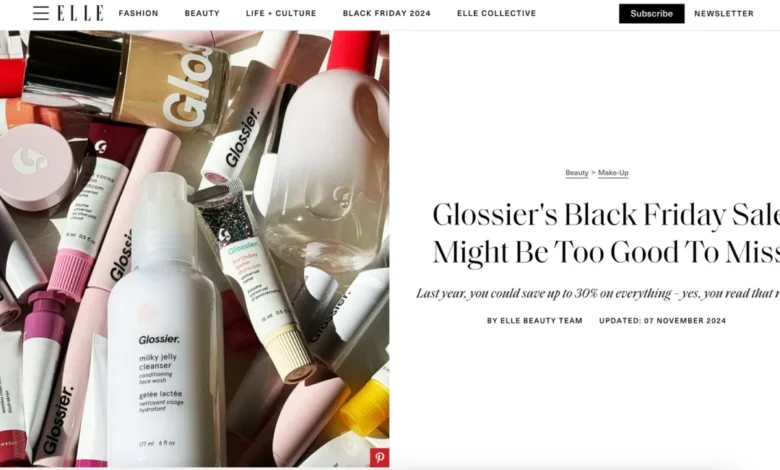
A frequently overlooked component of a successful BFCM campaign is the integration of high-authority media coverage. As lifestyle journalists and industry experts curate "best-of" lists and product round-ups, brands that secure placement within these articles benefit from more than just immediate conversion. These editorial mentions provide high-quality backlinks, which serve as a critical signal to search engine algorithms, boosting a brand’s organic search ranking well beyond the immediate holiday season.

Brands like Women’s Health, Cosmopolitan, and Good Housekeeping initiate their holiday coverage weeks in advance. For a business owner, the strategy is clear: reach out to relevant niche publications early, offering affiliate commission structures or unique product insights. This establishes a mutually beneficial relationship where the publication gains content and revenue, and the brand gains both visibility and long-term SEO equity.
Brand Values as a Competitive Differentiator
While deep discounts are the standard, a growing segment of the consumer base is becoming increasingly skeptical of the environmental and social costs of aggressive, rapid-fire consumerism. This has given rise to the "anti-Black Friday" movement, where brands differentiate themselves by aligning with social causes or advocating for mindful consumption.
Outdoor retailer REI pioneered this approach with its #OptOutside initiative, closing its physical locations on Black Friday to encourage employees and customers to spend time in nature rather than in retail stores. Similarly, Patagonia’s iconic "Don’t Buy This Jacket" campaign, launched in the New York Times, challenged the status quo by urging customers to repair or reuse their items rather than purchase new ones. These campaigns do not necessarily decrease total revenue; instead, they build profound brand loyalty and solidify a company’s position as an ethical leader, which can result in higher customer lifetime value (CLV) long after the holidays end.

Other brands, such as Lush and Allbirds, have utilized the date to facilitate philanthropic action. Lush’s strategy of selling special-edition products where 100 percent of proceeds benefit conservation efforts—such as the Sumatran Orangutan Society—creates a tangible, impact-driven reason for consumers to engage. Allbirds similarly "flipped the script" in 2020 by raising prices on Black Friday, with all proceeds donated to the climate movement Fridays For Future. These strategies prove that aligning with consumer values can be just as effective as traditional price slashing.
The Power of Exclusivity and Data Segmentation
For many premium brands, the "race to the bottom" in pricing can erode brand equity. A more sustainable strategy involves shifting from mass-market discounting to exclusive, invite-only access. By segmenting mailing lists to identify the most engaged subscribers, brands can offer personalized discounts that feel like a reward rather than a generic transaction.
This tactic echoes the structure of Amazon’s invite-only sales, which build anticipation and ensure that the most loyal customers are prioritized. A personal, curated outreach to a smaller group of high-frequency shoppers often yields a higher conversion rate than a broad, impersonal email blast, as it fosters a sense of community and exclusivity that resonates with modern consumers.

Leveraging User-Generated Content (UGC)
As production budgets for holiday campaigns balloon, brands that tap into their own communities for content often see the highest return on engagement. User-generated content—such as authentic customer reviews, photos, or videos showcasing a product in a real-world setting—acts as powerful social proof.
On platforms like TikTok, the algorithm heavily favors genuine, unpolished content. Brands like BPerfect Cosmetics have successfully dominated holiday trends by encouraging customers to share their own "hauls" and reactions, effectively outsourcing the creation of authentic marketing assets. By incentivizing this participation through giveaways or featured mentions, brands can amplify their reach without the overhead costs of traditional advertising.
Live Commerce: The Future of Real-Time Engagement
Live streaming has emerged as a cornerstone of the modern BFCM experience, particularly for younger demographics who favor interactive shopping. By hosting "live events" on Instagram, TikTok, or Facebook, brands can create a sense of urgency that static posts cannot match.

The success of the MeUndies "Drawer Buster" event, which featured a live DJ and tiered promotions that increased in value as more people joined the stream, serves as a masterclass in this format. With a 25 percent conversion rate—13 times the industry average for their platform at the time—it demonstrates that engagement and entertainment are as vital as the product itself. Live shopping allows for direct, real-time interaction, enabling brand representatives to answer questions, build trust, and close the deal instantaneously.
Strategic "Mistakes" and Narrative Marketing
In an era of hyper-curated marketing, intentional "mistakes"—such as the infamous McDonald’s tweet in 2017—can generate immense organic reach. Whether or not these moments are truly accidental is often debated, but their impact on brand visibility is undisputed. The McDonald’s example garnered over 60,000 likes and 21,000 retweets by sparking a conversation that went beyond a simple discount advertisement.
Similarly, Brooklinen’s "accidental" intern email regarding a site-wide sale provided a humanizing narrative that allowed the brand to announce a week-long promotion in a memorable, viral way. These tactics work because they disrupt the predictable, sterile nature of holiday marketing, forcing the consumer to engage with the brand on a more relatable, human level.

Long-term Implications and Future Outlook
The retail landscape is undeniably shifting. The data from the 2025 season confirms that while the Thanksgiving weekend remains the peak of activity, the "holiday season" now effectively stretches from early November through late December. Retailers that view Black Friday and Cyber Monday as isolated events risk missing the broader opportunity to engage with consumers who are increasingly looking for value, authenticity, and brand alignment.
As the industry moves toward 2026 and beyond, the most successful brands will be those that manage to balance aggressive conversion tactics with the strategic use of data, the cultivation of community, and the courage to stand for something beyond the sale. The goal of any BFCM strategy should not merely be to achieve a single record-breaking day, but to leverage that day as a catalyst for sustained growth, brand loyalty, and long-term customer relationships. By focusing on the intersection of technological capability and human-centric marketing, businesses can navigate the complexities of the modern holiday season and ensure their brand remains at the forefront of the consumer experience.