Mastering the Art of Tonal Control: Mikkel E. G. Nielsen Discusses the Editing Process Behind Wild Horse Nine

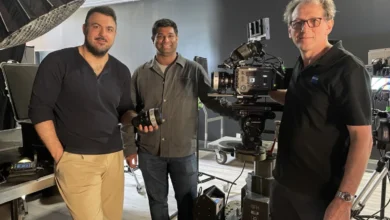
In the latest installment of the Editors on Editing podcast, host Glenn Garland sits down with Academy Award, BAFTA, and Eddie-winning editor Mikkel E. G. Nielsen to dissect the intricate post-production process behind his latest collaboration with director Martin McDonagh, Wild Horse Nine. This project marks the second creative union between the two, following their critically acclaimed work on 2022’s The Banshees of Inisherin. While their previous effort established a baseline for their working dynamic, the production of Wild Horse Nine represented a shift toward a more collaborative and experimental editing environment. Nielsen describes a heightened sense of trust that empowered both the editor and the director to aggressively reshape the film’s narrative structure, performance pacing, and tonal fluidity during the months spent in the cutting room.
The Collaborative Evolution of McDonagh and Nielsen
The professional relationship between Mikkel E. G. Nielsen and Martin McDonagh has evolved significantly since their first encounter. In the film industry, the "director-editor" relationship is often cited as the final stage of scriptwriting. Following the success of The Banshees of Inisherin, which garnered nine Academy Award nominations, including a Best Film Editing nomination for Nielsen, the duo approached Wild Horse Nine with a refined shorthand.
Nielsen notes that their initial collaboration required a period of adjustment to align their respective creative visions. By the time they began work on Wild Horse Nine, that foundation had been solidified, allowing for a more daring approach to the material. This shift in dynamics permitted a greater degree of "editorial freedom," where the focus moved beyond basic scene assembly to the deeper manipulation of character arcs and audience emotional response. The editorial process for a film of this complexity typically spans several months, often beginning during the principal photography phase and continuing through to the final color grade and sound mix.
The Challenge of Genre Blending and Tonal Control
Wild Horse Nine presents a narrative challenge that defies conventional genre categorization. The film navigates a volatile spectrum between absurdist comedy, stark drama, high-stakes political thriller, and quiet existential reflection. Balancing these disparate elements requires what Nielsen defines as "tonal control." In the context of professional film editing, tonal control refers to the ability to calibrate the rhythm of a scene so that the audience remains grounded even as the narrative trajectory shifts.
Nielsen emphasizes that editing is fundamentally an exercise in micro-adjustments. A change in the frame rate, the truncation of a pause, or the placement of a reaction shot can fundamentally alter the audience’s perception of a character’s intent. By carefully managing the "payoffs" of specific setups and strategically utilizing silence, Nielsen maintains a cohesive experience despite the film’s erratic narrative shifts. The technical precision required to ensure that a scene can pivot from a moment of dark humor to one of profound political gravity without alienating the viewer is a hallmark of the editor’s craft.
Visual Storytelling and the Role of Rapa Nui
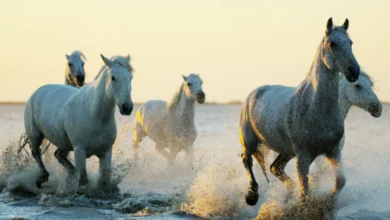
A defining feature of Wild Horse Nine is the integration of the landscape of Rapa Nui into the film’s internal logic. Rather than serving as mere background, the island’s environment—characterized by the iconic Moai statues, local wildlife, and extreme atmospheric shifts—is treated as a primary character. Nielsen’s approach to editing the location footage was rooted in the concept of the "silent witness." He posits that the landscape acts as a repository for the characters’ histories, reflecting their moral choices through the visual language of the island.
To further deepen the visual texture, the production employed a multifaceted cinematography strategy. The film utilizes a combination of digital capture, archival documentary footage, Super 8, and 16mm film. This aesthetic hybridization serves a dual purpose. First, it provides a vivid, tactile period texture that distinguishes the film from more polished, purely digital productions. Second, the use of lower-fidelity formats like Super 8 serves to evoke the intimacy of home movies or recovered memories. By intercutting these formats with crisp digital imagery, Nielsen creates a visual rhythm that helps connect the personal, domestic stories of the characters to the broader, often turbulent, political history of the island.
The Technical Landscape of Modern Editing
The editing of Wild Horse Nine took place within an industry landscape that is increasingly favoring hybrid workflows. With the rise of high-resolution digital cinema, the demands on editors to handle massive amounts of raw data have increased exponentially. Nielsen’s work is supported by organizations such as the American Cinema Editors (ACE), which advocate for the professional standards and artistic recognition of editors in the filmmaking hierarchy.
Industry data suggests that the role of the film editor has become increasingly central to the commercial and critical success of motion pictures. According to reports from the Motion Picture Editors Guild, the integration of non-linear editing systems has allowed for a level of precision that was historically impossible, yet it has also increased the complexity of the "decision-making" process. For a film like Wild Horse Nine, which relies on a precise mix of historical record and fictional narrative, the editor acts as the primary curator of tone. The ability to weave archival footage into a contemporary narrative requires a deep understanding of continuity and visual storytelling, a task that Nielsen executed by treating every frame—regardless of its source format—as an essential component of the emotional narrative.
Broader Implications for Cinematic Narrative
The implications of Nielsen’s work on Wild Horse Nine suggest a continuing trend in cinema where the boundaries between documentary-style realism and stylized narrative are becoming increasingly porous. As audiences become more accustomed to non-traditional narrative structures, the demand for editors who can manage complex tonal shifts grows. The success of this project hinges on the editor’s ability to act as a bridge between the director’s conceptual vision and the audience’s experience.
By treating the environment as a witness and utilizing a mix of film formats to create emotional resonance, Nielsen and McDonagh have produced a work that challenges the conventions of the thriller genre. The meticulous nature of this process serves as a case study for future filmmakers on the importance of "tonal control" in creating works that are both intellectually challenging and emotionally resonant.
Conclusion and Future Perspectives
The collaboration between Mikkel E. G. Nielsen and Martin McDonagh continues to set a high standard for narrative editing in contemporary cinema. Through the lens of the Editors on Editing podcast, listeners gain insight into the exhaustive labor that informs the final, seamless product seen on screen. As the film industry continues to evolve, the focus on editorial precision, the thoughtful use of archival and multi-format imagery, and the mastery of tone will remain the pillars of effective storytelling.
For those interested in the craft of film editing, the discussion between Glenn Garland and Mikkel E. G. Nielsen provides a roadmap for understanding how technical decisions translate into profound cinematic moments. The Art of the Frame podcast series continues to serve as a vital platform for documenting these processes, ensuring that the often-invisible work of the editor is brought to the forefront of the critical conversation. For further exploration of the technical and creative facets of professional editing, the American Cinema Editors organization remains a primary resource for industry standards and historical context.