The fundamental choice between prime and zoom lenses represents the most significant decision for any photographer, whether they are a hobbyist upgrading their kit or a professional building a specialized arsenal. At the core of optical engineering, this debate centers on the trade-off between the uncompromising image quality and wide apertures of prime lenses and the versatile, multi-focal range capabilities of zoom lenses. As camera sensor technology advances, the demand for lenses that can resolve high-megapixel images has intensified, making the selection of the correct glass more critical than ever for both commercial and artistic success.
The Evolution of Optical Engineering
Historically, the distinction between prime and zoom lenses was stark. Prime lenses—those with a fixed focal length—were traditionally synonymous with superior sharpness, less chromatic aberration, and faster maximum apertures. Zoom lenses, while offering convenience, were once hampered by optical compromises required to allow for variable focal lengths.

However, the late 20th and early 21st centuries saw a revolution in glass manufacturing. Through the introduction of aspherical elements, fluorite glass, and advanced computer-aided design, manufacturers like Canon, Nikon, and Sony significantly closed the quality gap. By the mid-2000s, the "professional" f/2.8 zoom became a staple for photojournalists and event photographers. Despite these advancements, the physics of optics remains constant: a lens with fewer moving parts and a singular focal objective will inherently allow for greater light transmission and lower distortion than its complex, multi-element counterpart.
Defining Prime and Zoom Optics
A prime lens, by definition, is engineered for a single, fixed field of view. Whether it is a 35mm street photography lens or an 85mm portrait specialist, the optical path is optimized for that specific length. This design simplicity often results in smaller, lighter housings. Because the lens does not need to extend or shift internal elements to change focal length, prime lenses are frequently faster, boasting apertures of f/1.4, f/1.2, or even f/0.95.
Conversely, zoom lenses are marvels of mechanical complexity. A standard 24-70mm zoom must manage optical corrections across a wide spectrum of focal lengths. This requires a sophisticated internal barrel design with sliding lens groups. While this allows a photographer to transition from a wide-angle environmental shot to a tight portrait in seconds, it introduces weight, bulk, and a mechanical vulnerability that prime lenses generally avoid.

Comparative Performance Metrics
When analyzing the trade-offs, several key metrics emerge:
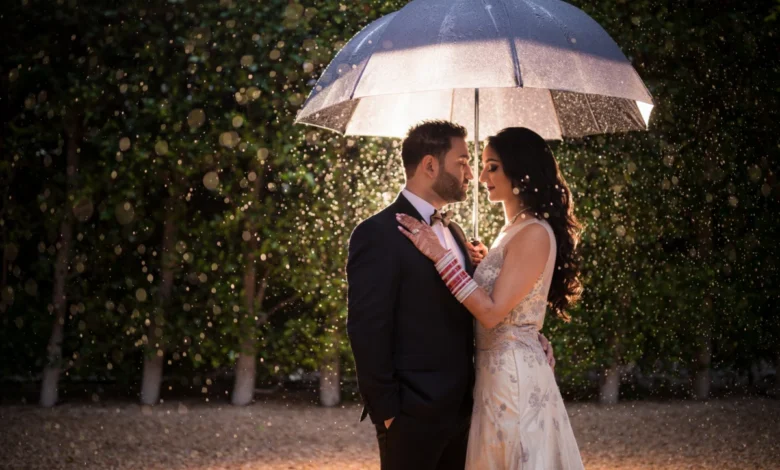
- Aperture and Low-Light Performance: The primary advantage of a prime lens is its "speed." In photography, a fast lens is one with a wide maximum aperture. A 50mm f/1.4 prime can capture four times as much light as a 50mm f/2.8 zoom. This difference is critical for photographers working in dimly lit venues, such as wedding receptions or indoor theaters, where raising the ISO would result in unacceptable digital noise.
- Resolution and Sharpness: Prime lenses generally suffer from less "softness" in the corners of the frame. Because the lens elements are fixed, engineers can calibrate the glass for optimal resolution across the entire sensor surface. While top-tier zoom lenses (often designated as "L-series" or "Gold Ring") are exceptionally sharp, they rarely match the edge-to-edge clarity of a comparable prime at the same aperture.
- Size and Ergonomics: For street photographers or travel enthusiasts, weight is a primary constraint. A single, compact 35mm lens allows for a discreet shooting profile, whereas a professional-grade 24-70mm f/2.8 zoom is bulky and can make the photographer more conspicuous in public spaces.
The Case for Versatility in Professional Work
The argument for zoom lenses is predicated on the "decisive moment." In fast-paced environments—sports, photojournalism, and event coverage—the ability to re-frame a shot without physically moving is invaluable.
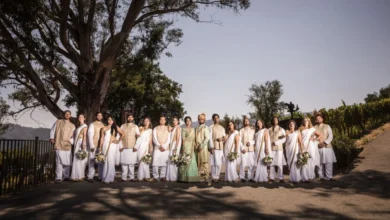
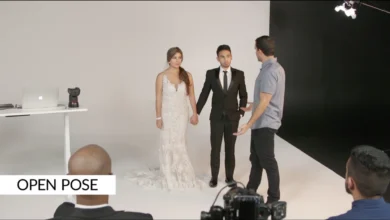
Consider a wedding ceremony: the photographer may need to transition from a wide shot of the altar to a close-up of the couple’s rings within seconds. A photographer using primes would require two camera bodies with two different lenses already mounted, or would need to spend precious seconds changing lenses. The latter risks exposing the camera sensor to dust and, more importantly, missing the fleeting emotional beats that define the event. Consequently, the zoom lens is not merely a tool of convenience; it is a tool of reliability in unpredictable environments.

The Impact on Photographic Workflow and Technique
A significant, albeit subjective, aspect of the prime vs. zoom debate is the effect on the photographer’s creative process. Prime lenses force the photographer to "zoom with their feet." This physical engagement with the subject often leads to more intentional composition. Because the focal length is locked, the photographer must consider their position in relation to the subject more carefully.
Data from wedding and portrait photographers suggests that those who transition from zooms to a kit of prime lenses often report a decrease in total shutter actuations per event but an increase in the percentage of "keeper" images. By removing the ability to simply twist the zoom ring, the photographer is encouraged to pre-visualize the image. This meditative approach often results in a more cohesive aesthetic style, as the photographer becomes intimately familiar with the specific compression and perspective of their chosen focal length.
Economic Considerations and Long-Term Investment
From a financial perspective, the prime lens offers a lower barrier to entry for high-end results. A "nifty fifty" (50mm f/1.8) is widely considered the best value-per-dollar investment in photography, offering pro-level image quality for a fraction of the cost of a professional zoom.

However, the total cost of ownership must be evaluated. To replicate the range of a 24-70mm f/2.8 zoom with primes, a photographer would need to purchase at least three lenses (e.g., 24mm, 35mm, and 85mm). This increases the initial investment and the weight of the photographer’s bag. Therefore, for the professional, the "expensive" zoom is often a cost-saving measure compared to the cumulative cost of a high-end prime lens set.
Expert Perspectives and Industry Trends
Industry experts generally advise that the decision should be dictated by the specific "genre" of photography. Landscape photographers, who prioritize resolution and have the luxury of time, often lean toward high-quality primes or specialty wide-angle zooms. Wildlife and sports photographers, however, are almost exclusively tethered to super-telephoto zoom lenses (like the 100-400mm or 200-600mm) because the physical distance to the subject makes prime lenses impractical for anything other than specific, controlled scenarios.
Recent trends in mirrorless camera technology have further complicated this landscape. New lens mounts (such as the Canon RF or Nikon Z) allow for larger rear elements, which has enabled manufacturers to create zoom lenses that are sharper than ever before, rivaling the performance of primes. This technological shift suggests that the historical gap between the two, while still present, is becoming less of a defining factor for the average user.

Final Considerations for Selection
Ultimately, the choice is not binary. Most professional photographers maintain a hybrid kit: zooms for high-pressure, fast-moving environments and primes for portraiture, low-light work, and creative projects.
Before committing to a significant purchase, prospective buyers should consider the following:
- Shooting Environment: Will you have the time and space to move around?
- Light Conditions: Are you consistently shooting in low-light environments that demand f/1.4 or wider?
- Physical Limitations: Does the weight of a heavy zoom lens negatively impact your ability to work for long hours?
- Subject Matter: Is the subject fast-moving and unpredictable, or is it static and controlled?
Lenses are the most enduring part of a photographer’s kit; camera bodies are replaced every few years, but quality glass can remain relevant for decades. Renting various focal lengths and types is a recommended step for any photographer before finalizing a long-term investment. By aligning the tool with the specific demands of the work, photographers can ensure their gear supports, rather than hinders, their creative vision.