The Sihoo Doro C300 Pro receives a significant price reduction as ergonomic office furniture demand shifts toward home-office optimization.

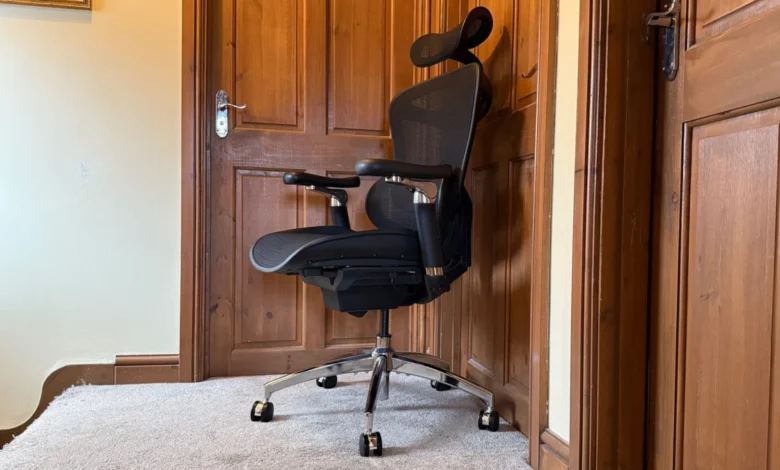
The Sihoo Doro C300 Pro has entered a new pricing bracket, with the manufacturer announcing a $70 discount, moving the unit from its original MSRP of $509 down to $439. This adjustment marks a strategic move for the brand, which has historically occupied the budget-conscious segment of the ergonomic furniture market. Known primarily for the M18 model—widely cited as an entry-level staple for those seeking basic ergonomic support—Sihoo is currently attempting to bridge the gap between "budget-friendly" and "premium ergonomic" through the C300 Pro.
Market Context and Strategic Positioning
The global ergonomic office chair market has undergone a rapid transformation since 2020. As the remote work model transitioned from an emergency measure to a permanent fixture for millions of professionals, the demand for high-end seating—previously the domain of corporate procurement departments—has moved directly into the consumer sphere.
Competitors such as Herman Miller and Steelcase have long dominated the high-end sector, with flagship chairs often retailing for well over $1,200. Sihoo’s decision to discount the Doro C300 Pro highlights an ongoing "mid-market squeeze." By pricing the C300 Pro at $439, the company is positioning itself as a high-utility alternative to ultra-premium chairs, offering advanced mechanical features that were historically reserved for chairs double or triple its current price point.
Technical Breakdown: The Ergonomic Specification
The C300 Pro is characterized by a specific suite of features designed to mitigate the physical strain associated with sedentary desk work. At its core is the "dynamic lumbar support" system, which is engineered to adapt to the user’s weight and spinal alignment automatically. Unlike fixed lumbar supports that require manual adjustment knobs, this system utilizes a weight-sensing mechanism to maintain contact with the lumbar region regardless of whether the user is leaning forward to type or reclining for a call.
Perhaps the most significant technical feature is the 4D armrest array. In traditional office seating, armrests typically move in two dimensions (height and depth). The C300 Pro allows for lateral movement, meaning the armrests can swivel or slide toward the center of the body. This is a critical development for professionals who use narrow keyboards or laptops, as it allows the user to keep their elbows tucked closer to their ribs, reducing strain on the rotator cuffs and traps—common areas for chronic pain in office environments.
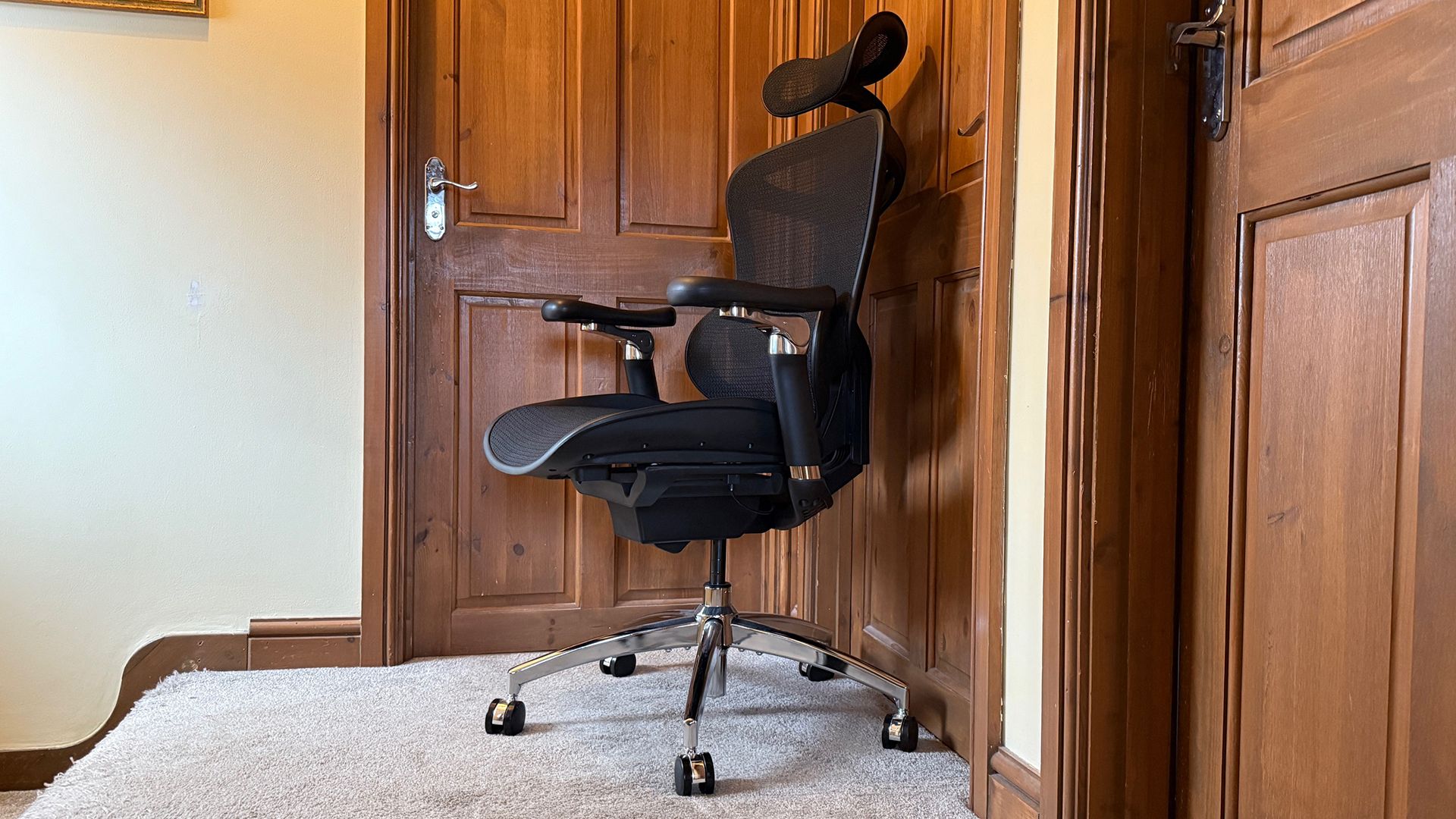
The chair also utilizes high-tensile mesh material. From an engineering perspective, the transition from foam and fabric to mesh has been driven by the need for thermal regulation. Mesh allows for passive ventilation, preventing heat accumulation that can lead to discomfort during extended sessions.
Assembly and Manufacturing Considerations
While the C300 Pro offers sophisticated features, it remains a "Direct-to-Consumer" (DTC) product. This business model entails certain trade-offs, most notably in the assembly process. Unlike premium office chairs that are delivered fully assembled via white-glove service, the C300 Pro requires the end-user to perform the final construction.
Industry analysts often point out that the trade-off for such a significant discount—nearly 14% off the original price—is the time and labor required for assembly. The modular design, while efficient for shipping and logistics, requires precise alignment of mechanical components. For users, this means that the "value" of the chair is partially contingent on the initial setup. Proper assembly is not merely a matter of convenience; it is essential to the longevity of the pneumatic gas lift and the mechanical tension springs that provide the chair’s structural support.
The Science of "S-Curve" Support
The human spine possesses a natural "S" curve. Prolonged sitting in chairs that lack contoured support often forces the spine into a "C" shape, which increases pressure on the lumbar discs. The Doro C300 Pro’s design philosophy focuses on maintaining this S-curve. By providing continuous, dynamic support, the chair acts as a passive intervention tool for workers who may not otherwise have access to professional ergonomic assessments.
Data from the Bureau of Labor Statistics and various occupational health reports suggest that musculoskeletal disorders (MSDs) remain the leading cause of work-related disability. The shift toward equipment that promotes "active sitting"—where the chair encourages small movements and adjustments rather than static locking—has become a priority for manufacturers. The C300 Pro’s reliance on a flexible backrest frame is an attempt to capture this "active sitting" market share.
Broader Implications for the Remote Workforce
The $70 reduction in the C300 Pro’s price is indicative of a broader trend: the democratization of high-end office equipment. When manufacturers lower prices, it forces a re-evaluation of what constitutes "essential" office equipment. For the past decade, ergonomic chairs were largely considered a luxury item. With the current pricing strategy, Sihoo is suggesting that professional-grade back support should be accessible to the general workforce.

Furthermore, this pricing action reflects the increasing importance of lifecycle value. A chair that prevents chronic back pain can be seen as a long-term investment in personal productivity and health. By lowering the entry barrier, Sihoo is effectively expanding its footprint in the home office sector, potentially setting a new benchmark for what features consumers should expect at the $400–$500 price point.
Industry Outlook and Future Trends
As we look toward the remainder of the year, it is expected that other manufacturers will follow suit with promotional pricing as the "back to school" and "home office upgrade" cycles converge. The challenge for companies like Sihoo will be to maintain the balance between manufacturing costs and the expectations of a consumer base that is increasingly educated about ergonomics.
The shift toward modular, high-adjustability chairs is unlikely to reverse. As office culture evolves, the focus on "the desk setup" as a holistic environment—encompassing lighting, posture, and equipment—will continue to grow. The C300 Pro serves as a case study for how a mid-range manufacturer can disrupt the market by iterating on features rather than simply lowering the quality of materials.
Conclusion and Recommendations
For those currently evaluating their workspace, the discount on the Sihoo Doro C300 Pro provides a timely opportunity to secure an ergonomic tool that offers features typically reserved for more expensive models. While the assembly process requires patience and the aesthetic may not appeal to those seeking a minimalist, high-design look, the functional benefits—particularly the 4D armrests and dynamic lumbar support—represent a high value-to-cost ratio.
However, users are reminded that no chair is a panacea for poor habits. Regardless of the equipment used, the fundamental rules of office ergonomics remain: eyes should be level with the top of the monitor, feet should be flat on the floor, and, most importantly, the user should incorporate movement breaks into their daily routine. The Doro C300 Pro is designed to support the body, but it is the user’s responsibility to maintain the behavioral patterns that ensure long-term physical health. As the market for ergonomic furniture continues to mature, consumers should prioritize chairs that offer a range of adjustments, ensuring the furniture fits the person, rather than forcing the person to fit the furniture.