12th Edition of the Rome MIA Market Highlights Shifting Landscapes in Global Animation

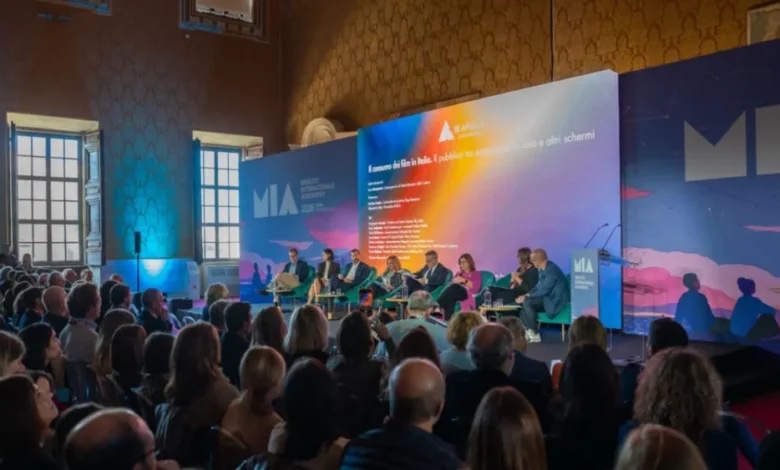
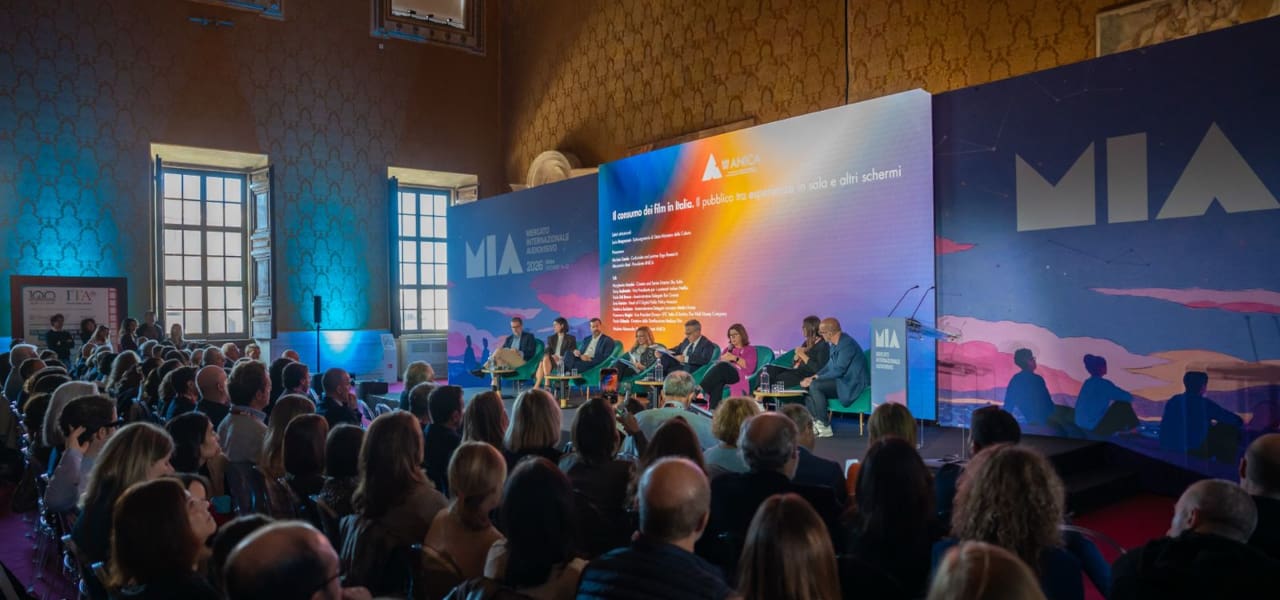
The 12th edition of the Mercato Internazionale Audiovisivo (MIA) concluded in Rome this past weekend, leaving the international filmmaking community with a complex roadmap for the future of the industry. As one of Europe’s most vital hubs for audiovisual trade, the 2026 iteration served as a litmus test for a sector grappling with systemic consolidation, tightening budgets, and a rapidly evolving digital ecosystem. With over 100 projects representing 43 countries showcased, the market underscored that while the appetite for original storytelling remains robust, the mechanisms for financing and distribution are undergoing a profound transformation.
The event, which has cemented its reputation over more than a decade, functioned this year as a critical stress test for the animation industry. MIA’s decision to introduce a dedicated gap-financing market for animated series—showcasing 19 projects from 15 different nations—was a direct response to the increasing difficulty of securing early-stage funding. This new initiative provided a platform for creators to connect with distributors, co-producers, and private equity investors, effectively bridging the chasm between concept and completion in an environment where traditional commissioning models are faltering.
A Chronology of Uncertainty and Innovation
The history of MIA has been defined by its ability to adapt to the shifting needs of the European market. Since its inception, the event has transitioned from a localized gathering to a premier international nexus. However, the 2026 edition was marked by a palpable sense of apprehension. Industry veterans and emerging producers alike navigated the event with the awareness of the recent wave of layoffs at major streaming entities, such as Netflix, and the widespread impact of studio mergers.
Throughout the four-day event, the atmosphere remained focused on pragmatic survival. The absence of open discussion regarding the role of Artificial Intelligence in creative workflows was perhaps the most notable aspect of the gathering. Despite the technology’s presence in the background of almost every technical discussion, it remained an "unspoken specter," reflecting a deep-seated industry anxiety regarding copyright, labor standards, and the devaluation of human-led creative output.
The Rise of the Co-Production Model
With major studios reducing their development slates, the industry has turned toward a more collaborative, decentralized model of production. International co-production has moved from a tactical choice to a structural necessity. By spreading financial risk across multiple regional partners, producers are finding ways to maintain production quality despite the shrinking of traditional "big-budget" financing.
A prime example of this strategy displayed at the market was Storie in Viaggio (Stories on the Run). Produced by La Sarraz Pictures, the series employs a modular production structure, utilizing different animation styles—ranging from traditional 2D and stop-motion to paper cutouts—to explore Italian folklore. By designing the series as a collaborative anthology, the producers are actively courting international partners, hoping to integrate diverse cultural traditions into the project. This strategy serves a dual purpose: it mitigates the financial burden on any single entity and increases the project’s marketability across multiple territories.
Addressing the Capital Gap: The European Investment Hub
The challenges of financing long-cycle animation projects were a focal point of the event’s closing sessions. MIA Director Gaia Tridente, reflecting on the current climate, noted that the complexity of modern financial structures requires a departure from traditional models.
"With commissioners becoming more selective and financing structures increasingly complex, producers need to explore new sources of investment and international partnerships," Tridente stated during a post-market debriefing. The introduction of the European Investment Hub at MIA 2026 was the direct answer to this requirement. By centralizing public institutions, private equity firms, and traditional financial organizations, the hub aims to standardize access to capital for IP-heavy projects. For animation, which requires high upfront investment and long gestation periods, this institutional support is crucial for ensuring that original intellectual property can survive the "valley of death" between development and production.
The Identity Crisis of Target Audiences
A significant portion of the discourse at MIA revolved around the "blurring" of audience demographics. A closed-door panel featuring representatives from major European public broadcasters revealed a consensus that traditional age-based targeting—the cornerstone of children’s programming for decades—is failing to reflect modern viewing habits.
Data shared during the summit indicated that children are increasingly bypassing content specifically tailored to their age groups in favor of media that aligns with their personal interests, regardless of the target demographic. This creates a difficult dilemma for creators and distributors: how do you greenlight a project when the traditional metrics of success are no longer reliable? This uncertainty is compounded by the "pre-teen void," specifically the 10-to-14 age demographic.
Industry analyst Monica Levy of Federation Studios highlighted that the market is currently underserving this cohort. While teenagers are prolific consumers of animation, they are frequently turning to non-European sources, such as anime, or pivoting to live-action titles simply because the domestic animation market fails to offer a viable alternative. This disconnect represents a significant lost opportunity for European producers, as the demand exists, but the supply chain is inhibited by a lack of investment in "bridge" content—animation that is sophisticated enough for young adults but retains the visual storytelling strengths of the medium.

IP and Brand-Building as a Defensive Strategy
In an era of economic volatility, intellectual property (IP) has become the industry’s safest hedge. The overwhelming majority of projects pitched at the gap-financing market were based on existing books or established media properties. This reliance on pre-existing IP serves as a signal to investors that the project has a proven audience and a lower risk profile.
However, the discussion at MIA also shifted toward the concept of "brand-making." It is no longer enough to produce a high-quality series; creators must now think in terms of multi-platform expansion from the start. Diego Ibáñez Belaustegui of DeAPlaneta Entertainment pointed to the success of Milo and the global reach of Australia’s Bluey as benchmarks for this strategy. The focus is now on how a property can be expanded through licensing, merchandising, and international distribution to create a global brand that can sustain itself independently of its original broadcast platform.
Implications for the Future
The 2026 MIA Market serves as a clear indicator of a maturing, yet defensive, animation industry. The transition toward co-productions, the integration of diverse financial sources via the European Investment Hub, and the struggle to define and reach a fragmented audience represent the new reality of the business.
The industry is currently in a state of recalibration. The "easy money" of the streaming boom has largely evaporated, and in its place, a more disciplined, risk-averse, and collaborative culture is emerging. As the industry moves into 2027, the focus will undoubtedly remain on identifying sustainable financing models that can support original IP while navigating the competitive pressure of global media conglomerates. The success of the projects currently in the gap-financing pipeline will be the ultimate measure of whether the strategies discussed in Rome were sufficient to insulate the sector from the broader economic headwinds facing the entertainment industry at large. For now, the takeaway is clear: in a landscape of uncertainty, collaboration and brand-building are the only reliable currencies.