The Ultimate Guide to the Best Link-In-Bio Tools for Maximizing Social Media Traffic and Conversions

Social media platforms have long imposed strict functional limitations on outbound linking, forcing brands and digital creators to navigate restrictive barriers. Chief among these challenges is Instagram’s historic prohibition of clickable URLs within standard post captions. For years, digital marketers, corporate social media teams, and independent creators have had to rely entirely on a single, permanent hyperlink nestled inside their profile biographies. This structural constraint transformed the humble bio link into one of the most valuable digital real estate assets on the web.
To solve the friction caused by the one-link rule, the digital ecosystem developed dynamic link-in-bio tools. These platforms serve as centralized landing pages that host multiple destination URLs behind a single master link. As social commerce continues to accelerate globally—with global social commerce sales projected to surpass trillions of dollars—optimizing the customer journey from a fleeting social media post to a tangible website conversion has become an operational necessity for businesses of all sizes.
The evolution of these tools has moved far beyond simple lists of text links. Today’s market features sophisticated platforms offering shoppable grids, integrated checkout systems, advanced tracking pixels, and seamless workflow automations. Below is an exhaustive journalistic analysis of the leading link-in-bio solutions currently available, evaluated through the lenses of workflow efficiency, monetization capabilities, tracking precision, and overall return on investment.
1. Sprout Social (SproutLink)
Best for: Social teams that need link-in-bio features baked into a larger social media workflow.
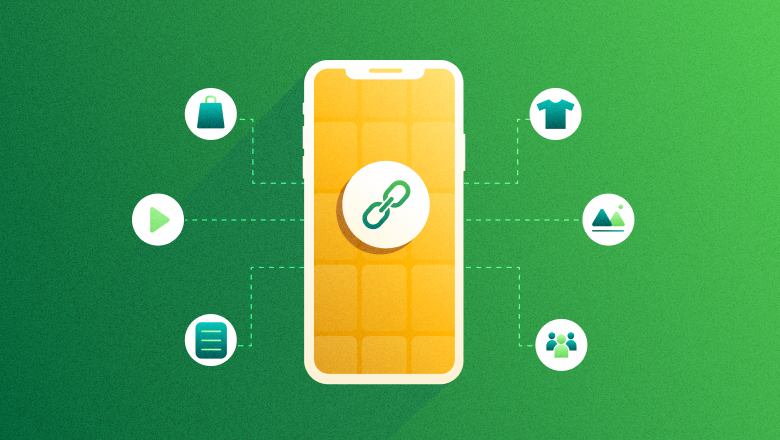
Sprout Social approaches the link-in-bio challenge from an enterprise workflow perspective. Rather than treating the landing page as an isolated marketing channel, Sprout integrates its proprietary SproutLink feature directly into the broader content scheduling and publishing ecosystem. When users configure their SproutLink, the platform generates a custom landing page featuring a clickable, shoppable grid that visually mirrors the brand’s live Instagram feed.
When an audience member clicks the bio link, they encounter a familiar visual layout, allowing them to easily connect a specific post they saw on their feed to its corresponding destination page. Internal analytics data compiled by Sprout Social indicates that utilizing this integrated tool leads to an average 17% daily lift in profile engagement for participating customers. Because destination URLs are assigned during the standard content creation and scheduling phase, social media managers are spared the administrative burden of manually updating a separate third-party website every time a new piece of content goes live.
Key Advantages:
- Flawless native integration with existing publishing and scheduling pipelines.
- Shoppable grids that mirror social feeds to reduce user drop-off.
- Custom branded URLs that elevate corporate credibility and trust.
- Multi-profile management capabilities suited for scalable team environments.
2. Linktree
Best for: Solopreneurs and individual creators needing a tool with fast, no-frills setup.
As the widely acknowledged pioneer of the category, Linktree established the foundational framework for modern link centralization. Designed with simplicity in mind, the platform allows users to deploy a pre-built, customizable landing page within minutes. Linktree bridges content gaps across multiple social networks simultaneously, extending its utility beyond Instagram to platforms like TikTok, X (formerly Twitter), and LinkedIn.
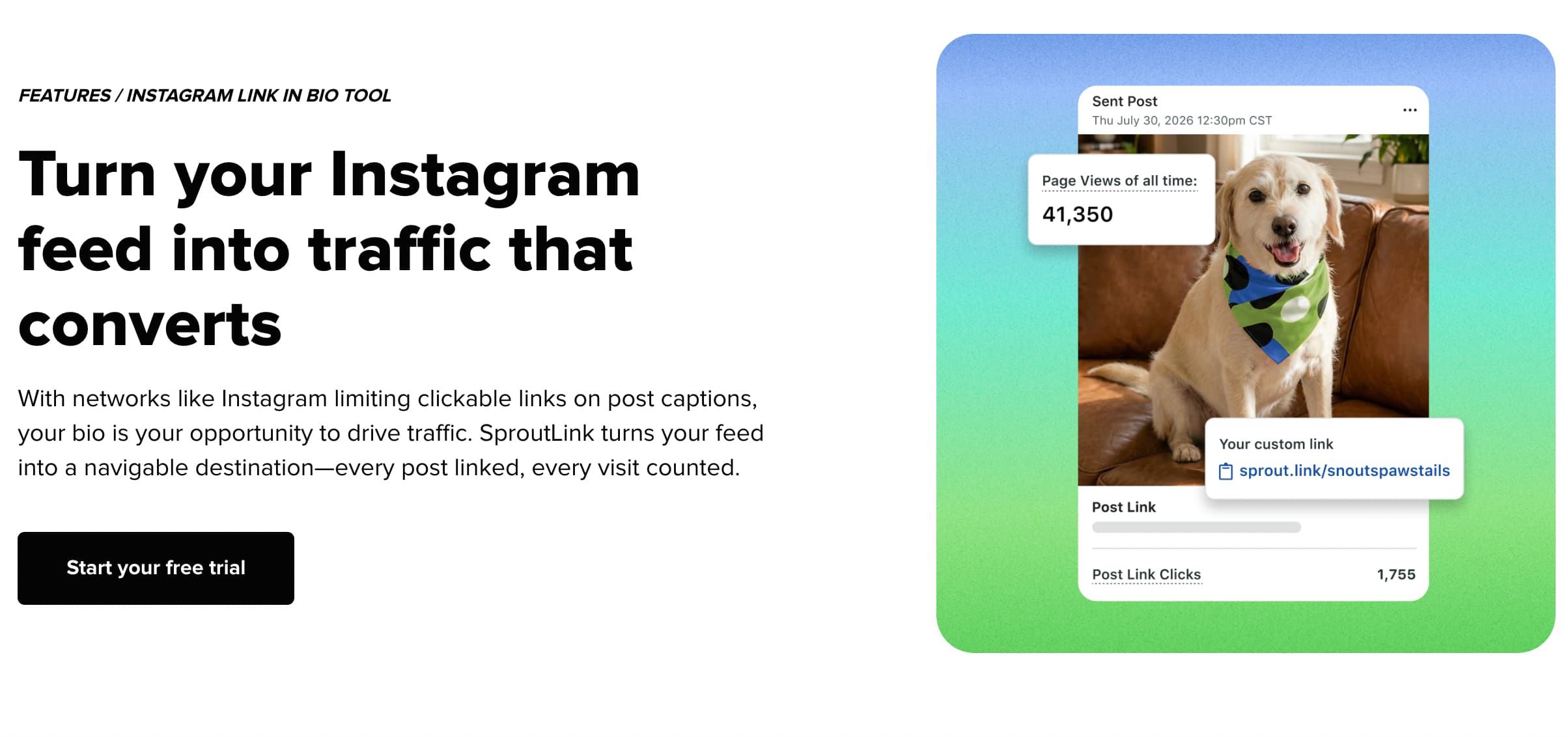
The platform offers a functional free tier that supports an unlimited number of basic links alongside introductory analytics. For creators and small businesses seeking deeper consumer insights, premium tiers unlock advanced customization options, traffic source tracking, and direct integration with third-party email marketing software. Furthermore, Linktree incorporates offline-to-online capabilities via downloadable QR codes, enabling brands to bridge physical marketing collateral—such as product packaging or live event banners—with their digital link hubs.
Key Advantages:
- Rapid, frictionless onboarding requiring minimal technical expertise.
- Cross-platform compatibility spanning virtually all major social networks.
- QR code generation for seamless offline-to-online marketing campaigns.
- Scalable pricing tiers accommodating both hobbyists and growing businesses.
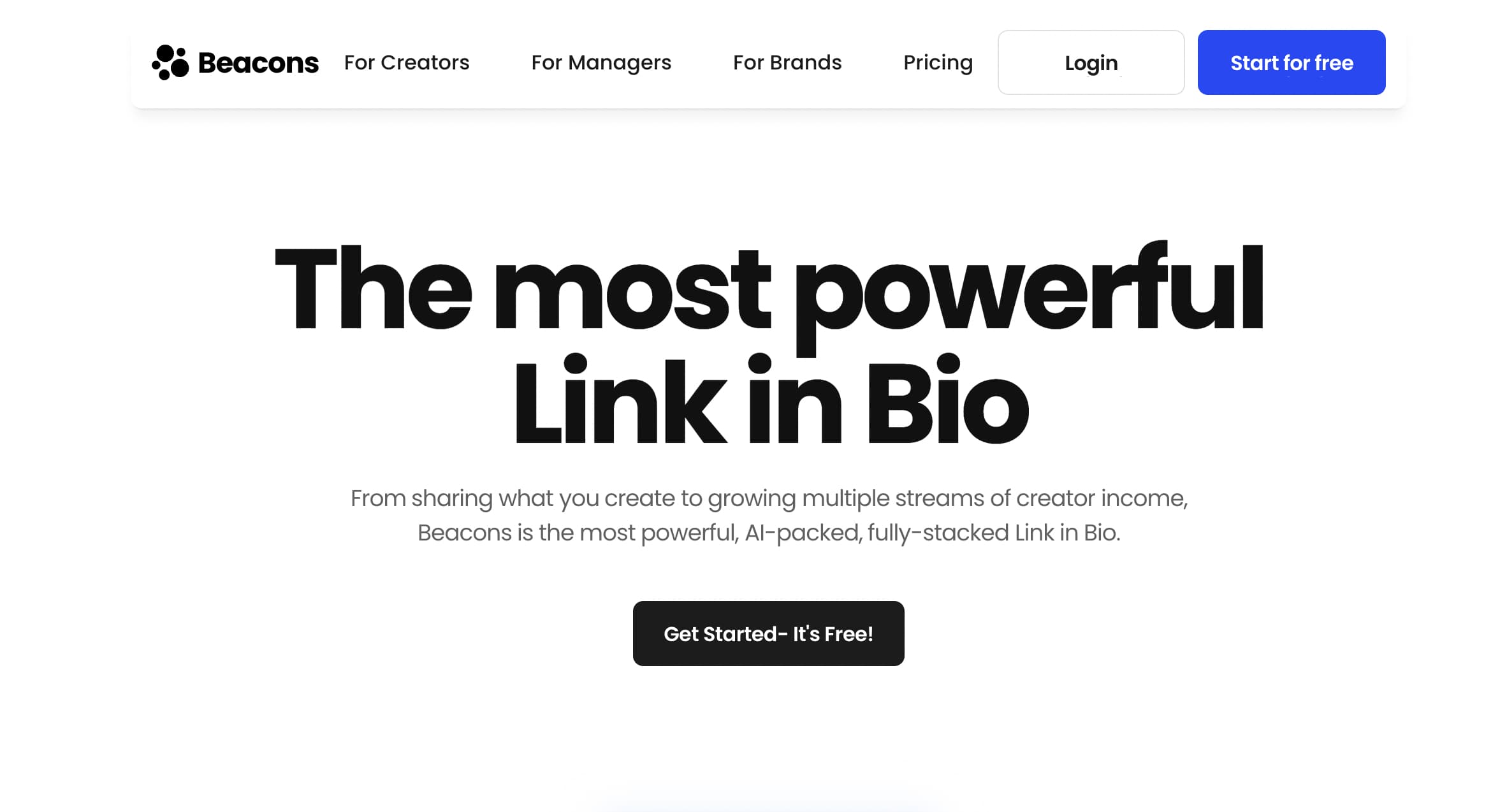
3. Beacons
Best for: Creators needing a tool to monetize their social media links.
Beacons operates less as a traditional link directory and more as a comprehensive creator-commerce suite. Recognizing that modern influencers and digital entrepreneurs require more than just a list of URLs, Beacons integrates link management with monetization architecture. Users can construct a centralized digital storefront featuring embedded multimedia, digital product sales, fan mailing list signup forms, and tipping jars.
The platform relies heavily on artificial intelligence and modular blocks to help creators design aesthetically distinct hubs that reflect their personal branding. While the complimentary starter tier provides fundamental analytics and a foundational link page, advanced e-commerce features, custom domain mapping, and comprehensive marketing tools require a paid subscription.
Key Advantages:
- Robust creator-commerce infrastructure built directly into the link hub.
- Integrated digital product sales and audience acquisition forms.
- AI-assisted page setup and customization features.
- Flexible modular design blocks tailored to personal brands.
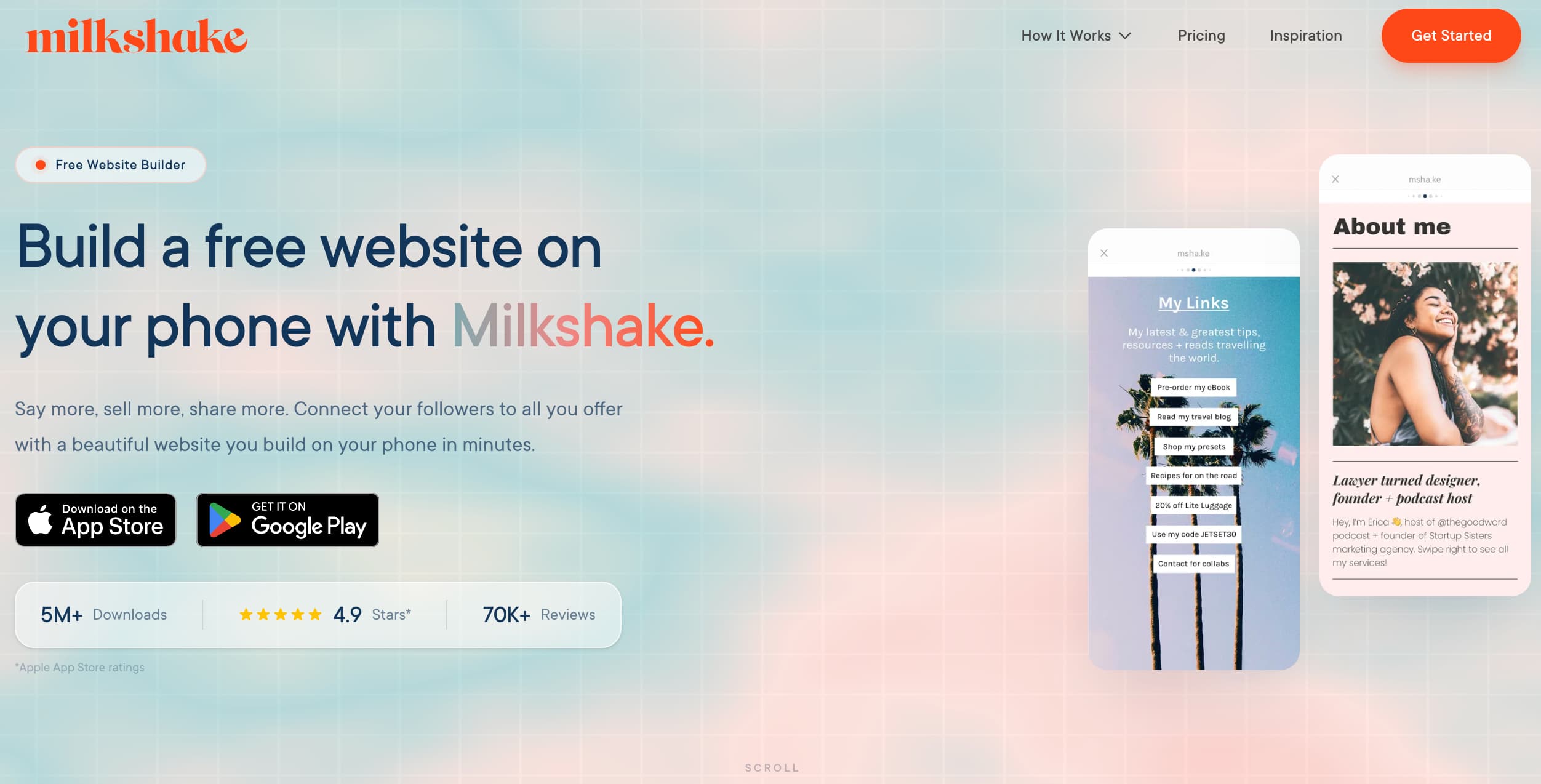
4. Milkshake
Best for: Beginners needing a fast, visual, mobile-first builder.
Milkshake rethinks the traditional desktop-first approach by positioning itself as a dedicated mobile website builder. Instead of generating a long, vertically scrolling list of text links, Milkshake utilizes a multi-page architecture composed of individual "Cards." Each card serves a distinct functional purpose—such as an "About Me" page, a YouTube video showcase, or a Links Card that stacks multiple destination URLs.
Designed natively for mobile devices, the platform mimics the user experience of a native smartphone application. This makes Milkshake particularly attractive to absolute beginners, entrepreneurs, and micro-influencers who manage their entire digital presence directly from a smartphone and require an attractive, app-like landing page without touching a line of code.
Key Advantages:
- Unique mobile-first "Card" architecture resembling a mini-website.
- Highly visual, template-driven design requiring zero technical skills.
- Fast, streamlined deployment managed entirely via mobile devices.
- Clean aesthetic that reduces visual clutter for visitors.
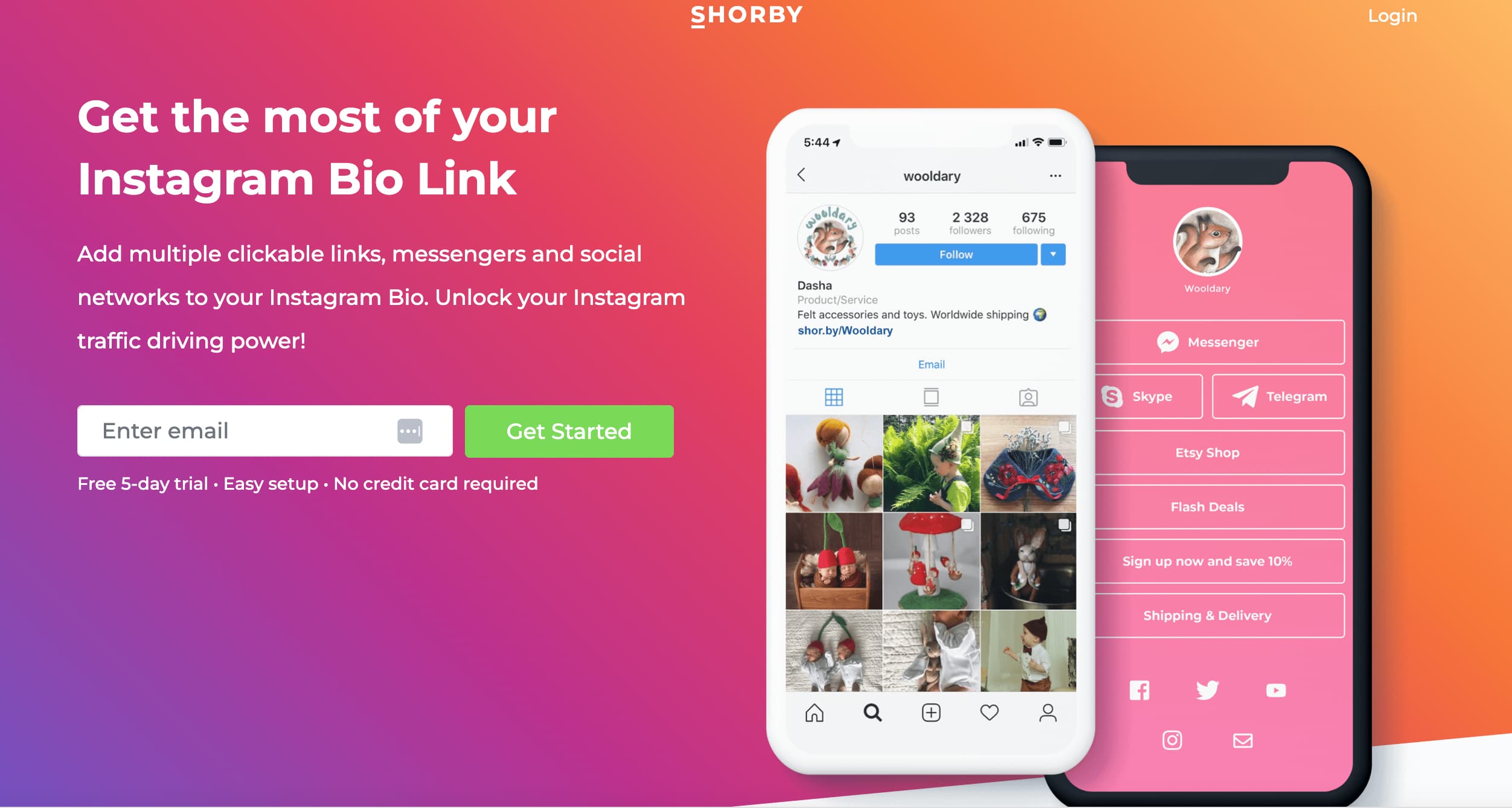
5. Shorby
Best for: Marketers needing better tracking and campaign control.
For performance marketers and data-driven organizations, Shorby provides deep technical capabilities focused on real-time analytics and attribution modeling. The platform automatically tracks every interaction occurring on the personalized bio URL down to the exact timestamp and traffic source.
Crucially, Shorby supports direct integration with external tracking pixels—including Meta, Google, and TikTok pixels. This capability allows marketing teams to retarget custom audiences who clicked through the social media bio link with highly relevant, conversion-focused paid advertising campaigns. For businesses allocating substantial advertising budgets across social channels, Shorby offers the granular attribution control necessary to measure true return on ad spend (ROAS).
Key Advantages:
- Real-time click tracking and granular visitor analytics.
- Direct tracking pixel integration for advanced audience retargeting.
- Accelerated page load speeds designed to minimize bounce rates.
- Optimized specifically for paid social advertising campaigns.
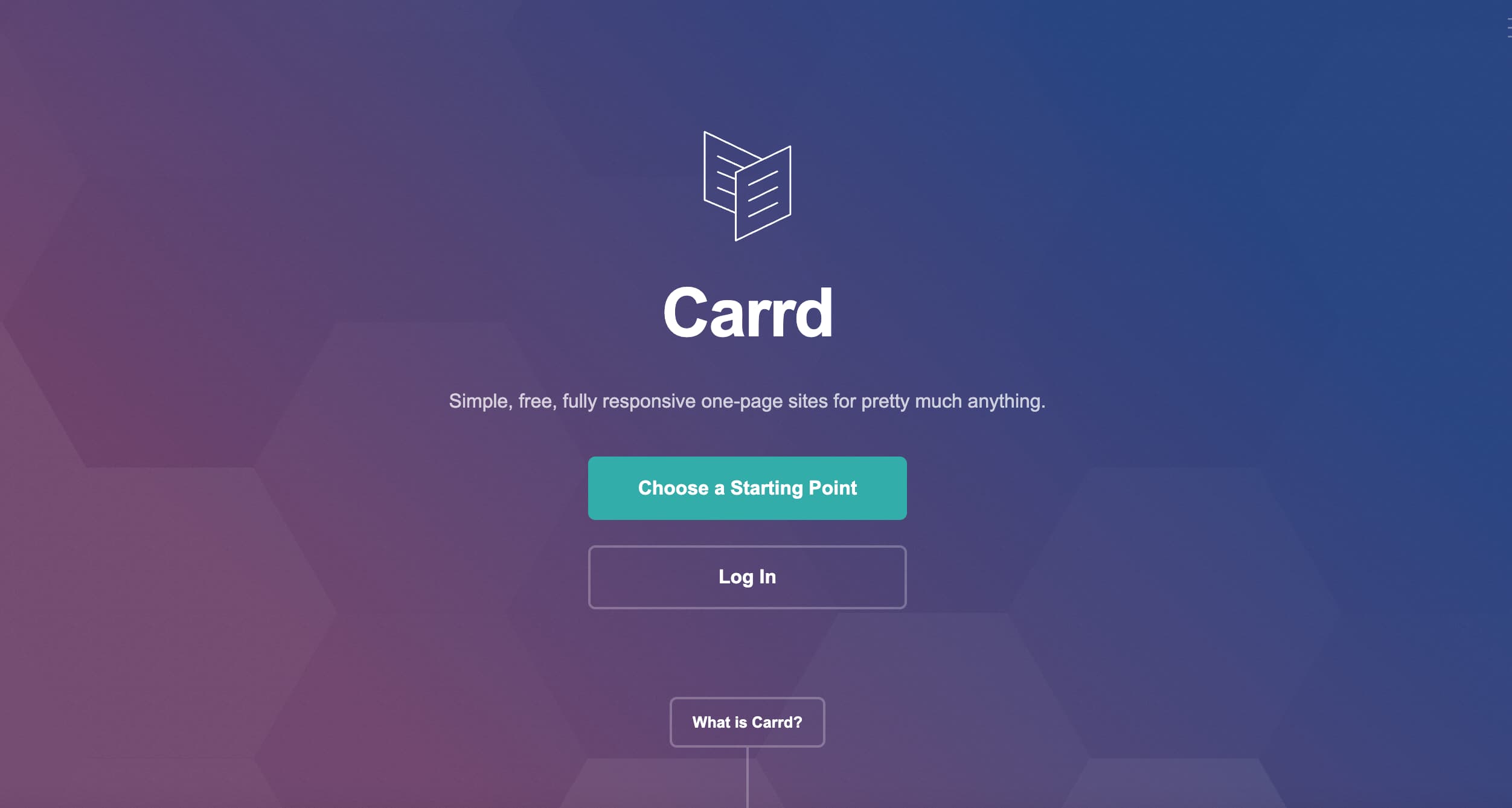
6. Carrd
Best for: Brands wanting more design freedom than a template allows.
Carrd bridges the gap between basic link-in-bio tools and full-scale web development platforms. Rather than forcing users into rigid, pre-determined templates, Carrd provides responsive one-page site builders equipped with deep design customization capabilities. Users can build clean, highly professional landing pages from scratch or modify an extensive library of professional templates.
The platform’s paid tiers unlock advanced capabilities such as custom domain integration, site analytics, and form submissions. Furthermore, Carrd supports custom code embeddings and direct integrations with powerful third-party tools like Stripe for payment processing and Typeform for data collection, transforming a simple social bio link into a functional transactional gateway.
Key Advantages:
- Exceptional design flexibility and creative control.
- Fully responsive layouts that render perfectly across all screen sizes.
- Support for third-party widget embeddings (Stripe, Typeform, etc.).
- Cost-effective paid tiers offering custom domain mapping.
7. Stan Store
Best for: Creators selling digital products or coaching directly.
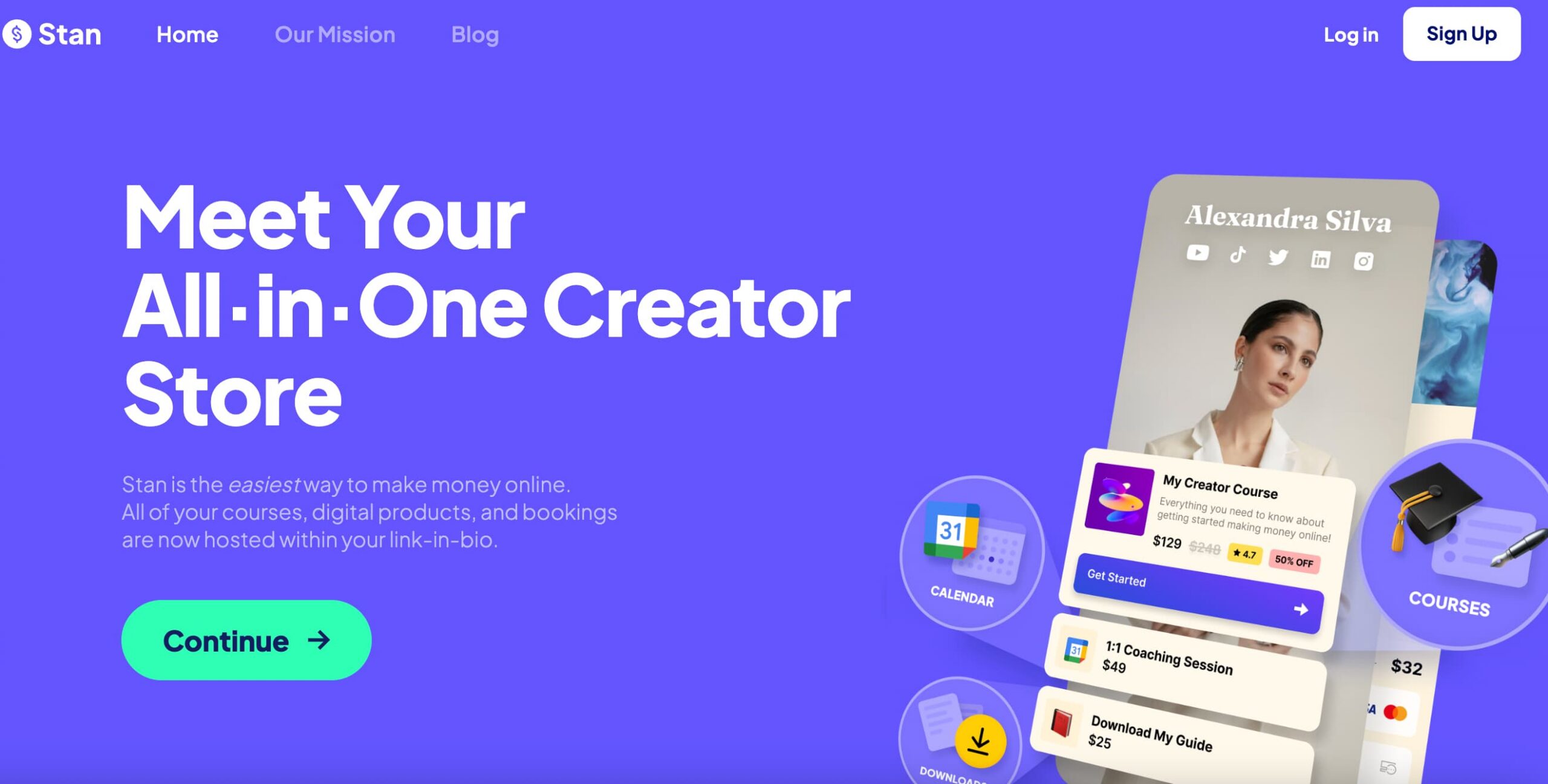
Stan Store eliminates the traditional "one link, multiple destinations" paradigm entirely, opting instead to function as an all-in-one transactional storefront hosted directly within the social bio. Created specifically for educators, coaches, and digital creators, Stan Store consolidates appointment booking, digital course delivery, community access, and content links into a single unified dashboard.
A core differentiator for Stan Store is its friction-reducing, one-tap checkout system. By streamlining the path from discovery to transaction, the platform helps creators monetize their existing social audiences without forcing potential buyers to navigate away to external e-commerce sites. This direct conversion pipeline significantly increases social media return on investment.
Key Advantages:
- Frictionless one-tap checkout process designed to maximize sales conversions.
- Native hosting for digital courses, consultations, and membership programs.
- Centralized dashboard combining content distribution with financial transactions.
- High conversion efficiency specifically tailored for knowledge-based businesses.
8. Lnk.Bio
Best for: Users wanting the simplest possible link list without the extra features.
For individuals who find modern creator-commerce suites overly complex and wish for a minimalist link directory, Lnk.Bio delivers a straightforward, no-nonsense solution. The platform’s free tier permits users to add an unlimited number of basic links to a clean landing page, supplemented by optional multimedia and map embeds.
Upgrading to a paid tier unlocks an Instagram-style grid layout, password-protected destination links, advanced click analytics, and UTM tracking presets. Lnk.Bio appeals primarily to users who value execution speed, minimalistic aesthetics, and freedom from extraneous marketing features.
Key Advantages:
- Unlimited basic links available even on the free plan.
- Lightweight architecture ensuring lightning-fast load times.
- Optional Instagram grid integration on paid tiers.
- Zero learning curve for setup and ongoing maintenance.
Strategic Framework: How to Choose the Right Link-In-Bio Tool
Selecting the optimal link-in-bio solution requires organizations and creators to evaluate three foundational criteria: defining operational objectives, assessing administrative capacity, and analyzing budgetary constraints.
1. Identifying Core Objectives
Brands must align their tool selection with their primary business goals. Organizations focused heavily on performance marketing and attribution modeling will benefit most from platforms like Shorby, which offer robust pixel tracking and retargeting capabilities. Conversely, independent creators and educators aiming to monetize their expertise directly should prioritize platforms like Stan Store or Beacons, which feature native checkout systems and digital product delivery. Meanwhile, larger enterprises managing complex content calendars will find unmatched workflow efficiency in integrated solutions like Sprout Social’s SproutLink.
2. Evaluating Administrative Capacity and Team Structure
Another critical factor is determining who will operate the tool. Solo creators typically require lightweight, mobile-optimized applications such as Milkshake or Linktree. In contrast, multi-member marketing teams require enterprise-grade access controls, multi-profile management, and publishing integrations. For instance, platforms that automatically generate tracking pages for every connected social profile eliminate the administrative bottlenecks associated with manual link updates.
3. Balancing Budget and Ecosystem Integration
While many link-in-bio utilities offer free introductory tiers, these options frequently restrict critical analytics data and aesthetic customization. Furthermore, decision-makers must weigh the hidden operational costs of adopting standalone tools. Utilizing a separate, disconnected link builder introduces manual labor friction, as team members must constantly remember to update the external landing page every time a new social post is published. Investing in a tool that integrates natively into an existing social media management and publishing ecosystem often yields a higher long-term return on investment by preserving staff hours and preventing broken links.
Conclusion
In the modern digital attention economy, the journey from casual social media engagement to a verified commercial conversion hinges on the optimization of every available touchpoint. Link-in-bio tools have evolved from rudimentary workarounds into sophisticated infrastructure components that bridge the gap between social discovery and bottom-line revenue. Whether an organization’s primary focus is driving high-volume traffic to content articles, processing direct e-commerce transactions, or synchronizing links seamlessly within an enterprise publishing workflow, the right tool transforms a restrictive social bio into a dynamic, high-performing conversion engine.