Sony ELF-MN1: A Compact 6-Inch Spatial Reality Display Redefining Desktop Immersion

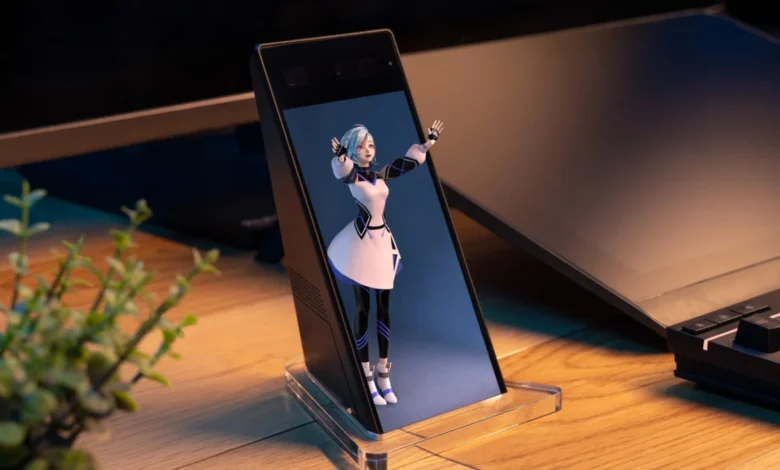
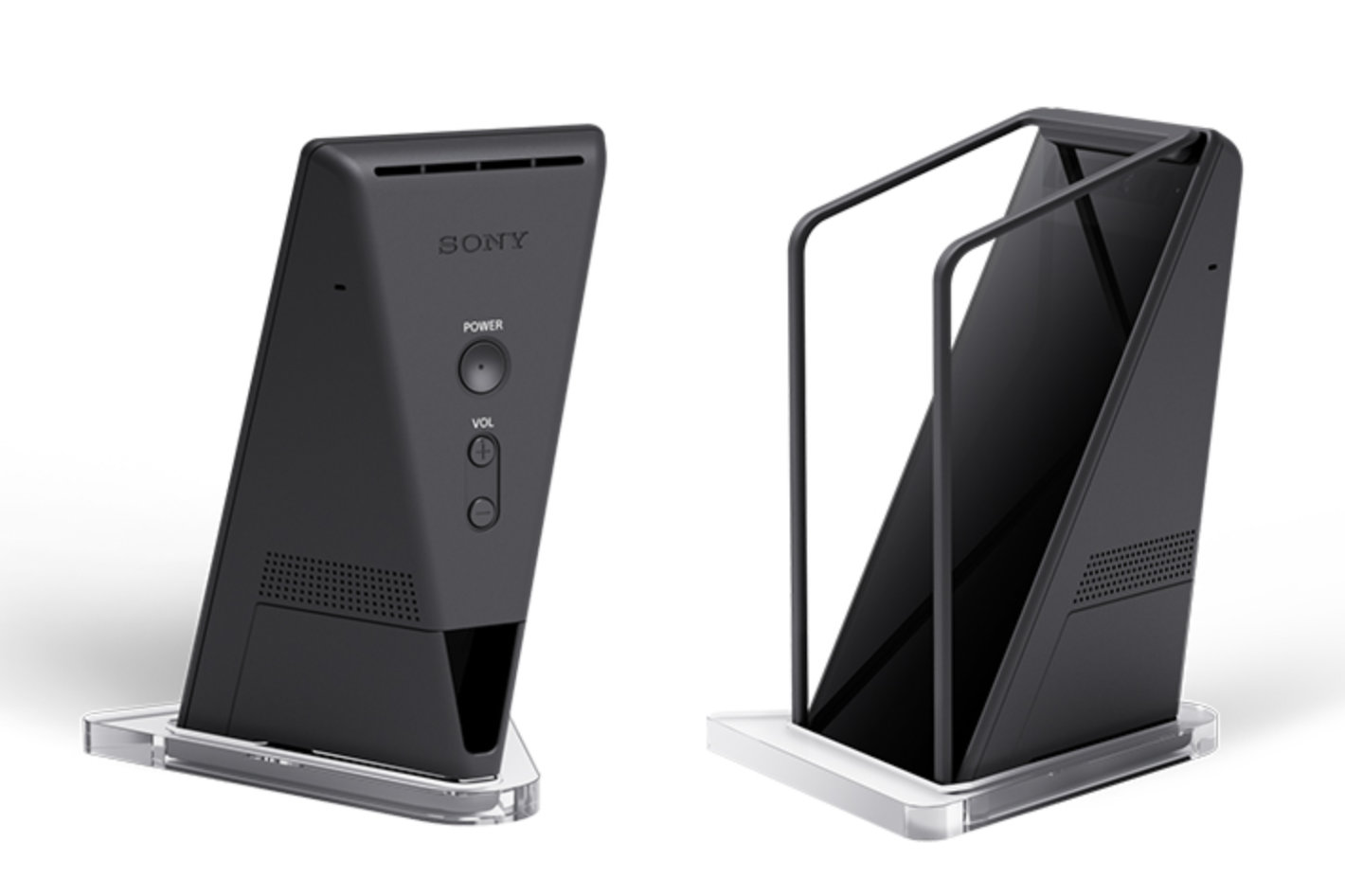
Sony has officially expanded its footprint in the burgeoning field of Extended Reality (XR) with the introduction of the ELF-MN1, a compact 6-inch Spatial Reality Display designed to bring high-fidelity, glasses-free 3D visualization directly to the professional and consumer desktop. This release marks a significant milestone in Sony’s broader strategy to democratize spatial computing, moving away from bulky, tethered headsets toward a seamless, "everyday" integration of 3D digital assets into the physical workspace.
The launch of the ELF-MN1 coincides with the broader North American rollout of the XYN spatial content solution, an ecosystem designed to simplify the capture of real-world objects into high-quality 3D Computer Graphics (3DCG) assets. By bridging the gap between raw spatial capture and intuitive display hardware, Sony is positioning itself as a comprehensive provider of the full XR pipeline.
The Evolution of Sony’s Spatial Reality Ecosystem
Sony’s foray into glasses-free 3D is not a recent development, but rather the culmination of years of iterative research in light-field display technology and eye-tracking sensors. The journey began with the original, larger-format Spatial Reality Display, which was primarily targeted at enterprise architects, medical professionals, and automotive designers requiring high-precision 3D visualization without the fatigue associated with VR headsets.
The chronology of this development highlights a shift in focus:
- Initial Prototype Phase: Sony showcased early iterations of its light-field technology at industry trade shows, focusing on depth-sensing algorithms that track viewer position to project stereoscopic images.
- The Enterprise Debut: The first-generation Spatial Reality Display hit the market as a high-end, workstation-integrated tool, carrying a price point that reflected its professional-grade optics and computational requirements.
- The XYN Integration: Recognizing that hardware is only as effective as the content it displays, Sony introduced the XYN spatial capture solution, allowing users to scan physical objects into 3D environments, thereby creating a closed-loop content creation workflow.
- The Consumer Pivot (ELF-MN1): With the introduction of the 6-inch ELF-MN1, Sony is scaling down the footprint to fit standard office desks, signaling an intent to capture the interest of digital artists, character designers, and hobbyists who operate in smaller environments.
Technical Architecture and User Experience
The core technology behind the ELF-MN1 relies on a sophisticated combination of a micro-optical lens layer and high-speed vision sensors. The display uses a high-definition liquid crystal panel paired with a micro-optical lens that covers the display surface. This lens acts as a beam splitter, directing light specifically to the viewer’s left and right eyes based on real-time data provided by high-speed vision sensors.
Unlike traditional 3D televisions that required polarized or active-shutter glasses, the ELF-MN1 creates an autostereoscopic effect. The system tracks the viewer’s eye position at a high frame rate, adjusting the perspective of the 3D object in real-time. This creates the illusion that the object is physically occupying space in front of the screen, a phenomenon known as "spatial presence."
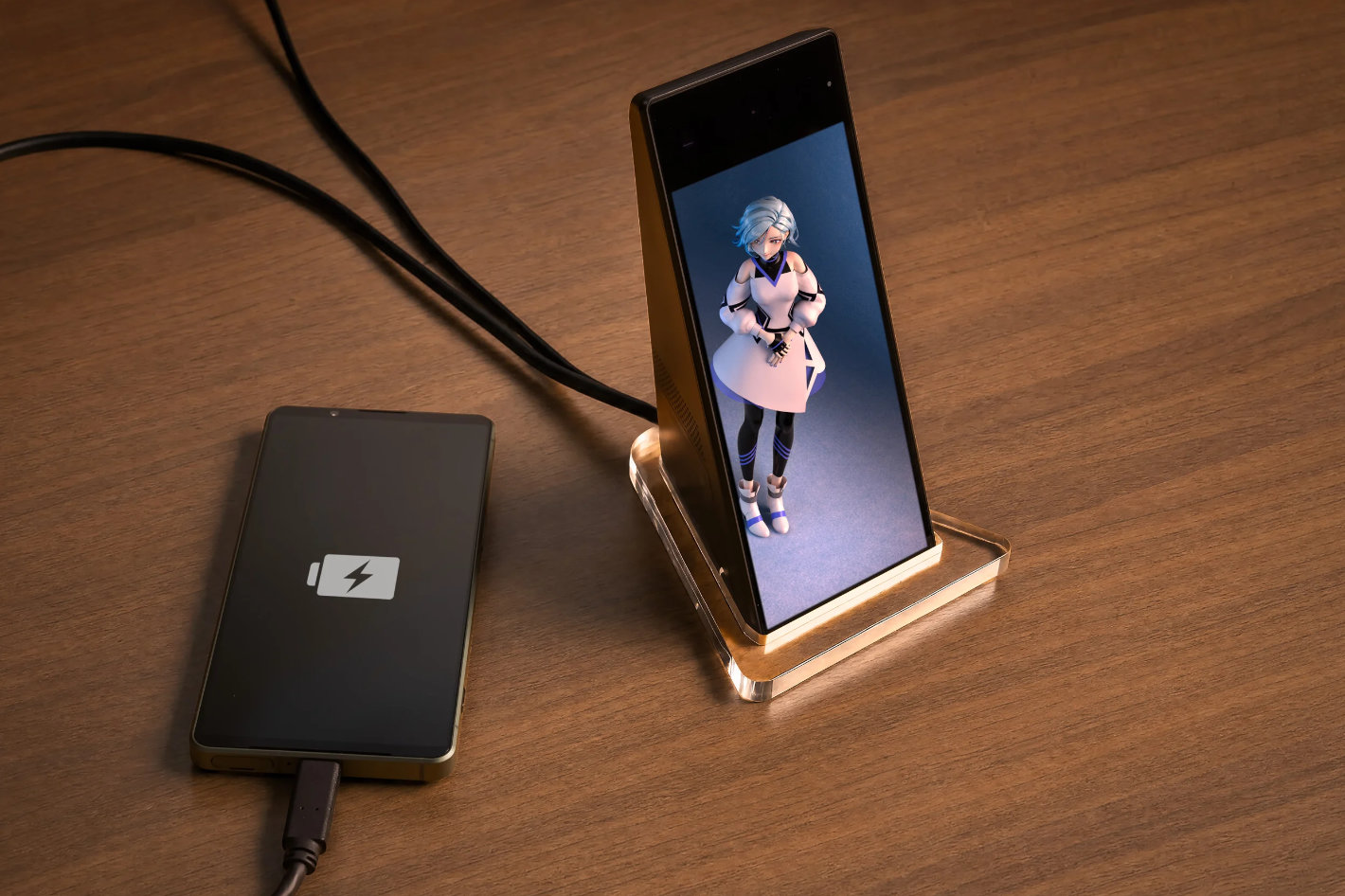
From a connectivity standpoint, the device has been engineered for simplicity. By utilizing a USB-C interface for both power and data transmission, the display connects directly to a PC or smartphone, bypassing the need for complex GPU-heavy setups. This "plug-and-play" philosophy is a departure from previous iterations, which often required high-end workstations and dedicated graphics cards to render complex spatial data.
Bridging the Gap for Creators and Developers
The success of the ELF-MN1 hinges on the strength of its software ecosystem. Recognizing this, Sony has launched a dedicated developer portal that provides the necessary Software Development Kits (SDKs) and documentation for creators to build applications optimized for the 6-inch form factor.
For 3D modelers using software such as Blender, Maya, or Unity, the ELF-MN1 offers a significant advantage: the ability to review work in 3D during the creative process. Traditionally, a 3D artist would have to toggle between different views on a 2D monitor or put on a heavy XR headset to gauge depth and scale. The ELF-MN1 allows for "on-the-fly" adjustments, where the artist can see the model, rotate it, and judge its spatial proportions in real-time.
Sony’s collaboration with the "HoloModel" platform serves as a primary example of this utility. By showcasing digital figures on the ELF-MN1, the company is demonstrating the display’s potential for the anime, gaming, and collectible industries. These digital figures appear as tangible, miniature statues on the desk, providing a level of engagement that 2D screens cannot replicate.
Market Implications and Economic Outlook
The pricing strategy for the ELF-MN1—set at approximately $350 (54,000 yen)—is highly strategic. By positioning the device at a price point accessible to prosumers and serious hobbyists, Sony is attempting to catalyze a market for spatial content that was previously locked behind a "professional use only" barrier.
Industry analysts observe that this move is part of a broader trend where major technology companies are moving toward "ambient computing." As hardware becomes more capable and compact, the screen becomes a portal rather than just a frame. While the current 6-inch size limits the display to smaller, object-centric content, it effectively serves as a "spatial monitor" for the desktop, complementing the standard 2D monitors that dominate modern office environments.
The potential for this technology in education and remote collaboration is vast. Imagine a classroom where a 6-inch display on every student’s desk shows an interactive 3D model of a biological cell or a mechanical component. Because no glasses are required, the barriers to adoption—such as hygiene concerns with shared headsets or the physical discomfort of prolonged wear—are effectively eliminated.
Official Stance and Future Roadmap
While Sony has not released specific sales projections for the ELF-MN1, company representatives have emphasized that the device is a long-term investment in the "spatial internet." By making the hardware available through flexible purchasing options in North America and Canada, the company is testing the appetite for spatial desktop peripherals.
Exhibition schedules at Sony Stores in Ginza and Nagoya provide a glimpse into the company’s retail strategy. By allowing the public to interact with the device, Sony is collecting valuable user feedback on the "spatial" feel of the display. Future updates, according to the official product roadmap, will likely focus on improving the resolution of the sensors and expanding the compatibility of the SDK to support more mainstream creative software suites.
Fact-Based Analysis: Challenges and Opportunities
Despite the excitement, the ELF-MN1 faces challenges. The primary obstacle is the scarcity of native spatial content. While the XYN solution facilitates the creation of such assets, the ecosystem is still in its infancy. For the display to achieve mass adoption, the conversion of legacy 3D content into a "spatial-ready" format must become an automated, one-click process.
Furthermore, the 6-inch screen size, while perfect for individual desk use, inherently limits the display to single-user experiences. Unlike a television or a projection screen, the light-field effect is optimized for a single viewer’s perspective. This makes it an ideal tool for creators but potentially less effective for collaborative meetings where multiple people need to view the same 3D model simultaneously from different angles.
However, the implications for the future of digital asset management are profound. As high-fidelity, glasses-free 3D becomes a standard desktop utility, the demand for high-quality, volumetric, and 3D-scanned assets will surge. This shift will likely influence how companies store, index, and share digital twins of their products, transitioning from 2D catalogs to interactive 3D archives.
Conclusion
The Sony ELF-MN1 is a calculated, well-executed step toward a future where 3D content is as ubiquitous as text or video. By combining a compact, high-resolution display with a robust software ecosystem and an accessible price point, Sony is positioning itself at the forefront of the spatial computing revolution. As developers and creators begin to fill this new medium with content, the ELF-MN1 will likely serve as the primary window into a new, three-dimensional digital reality that sits comfortably on our desks.
Whether this leads to a widespread shift in professional workflows remains to be seen, but the underlying technology represents a significant leap forward in human-computer interaction, bringing the virtual world into our physical space with unprecedented clarity and ease.