Inaugural LA Silicon Valley AI Film Festival 2026: Recap on AI Filmmaking, Creativity & Copyright

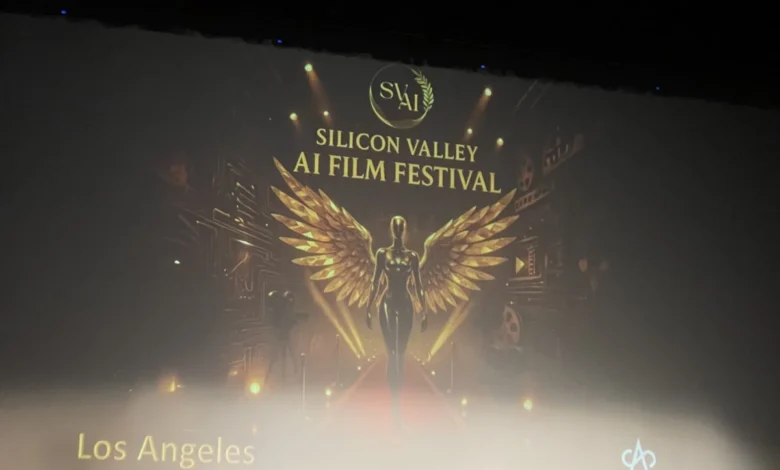
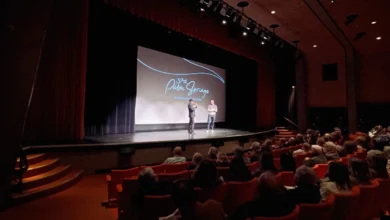
The intersection of artificial intelligence and traditional cinema took center stage in Beverly Hills as the inaugural Silicon Valley AI Film Festival (SVAIFF) convened industry leaders, technologists, investors, and filmmakers to chart the future of motion picture production. Presented by Star Alliance Culture Inc., the landmark event drew a diverse crowd to the historic Saban Theatre on November 1, 2026, serving as a high-profile forum to address the rapid integration of machine learning tools into the Hollywood pipeline.
The festival opened with remarks from Sing Chang, CEO of Star Alliance Culture Inc. and founder of SVAIFF, alongside Sarah Wang, CEO of the LA-Silicon Valley AI Film Festival. Together, they underscored the mission of the event: to bridge the gap between Silicon Valley’s technological innovation and Los Angeles’s deeply rooted storytelling traditions. As generative video, neural audio rendering, and automated post-production workflows mature, the festival provided a much-needed platform to debate not only the artistic potential of these systems but also their economic, legal, and operational implications for global entertainment markets.
The Evolution of Production: Main Facts and Festival Chronology
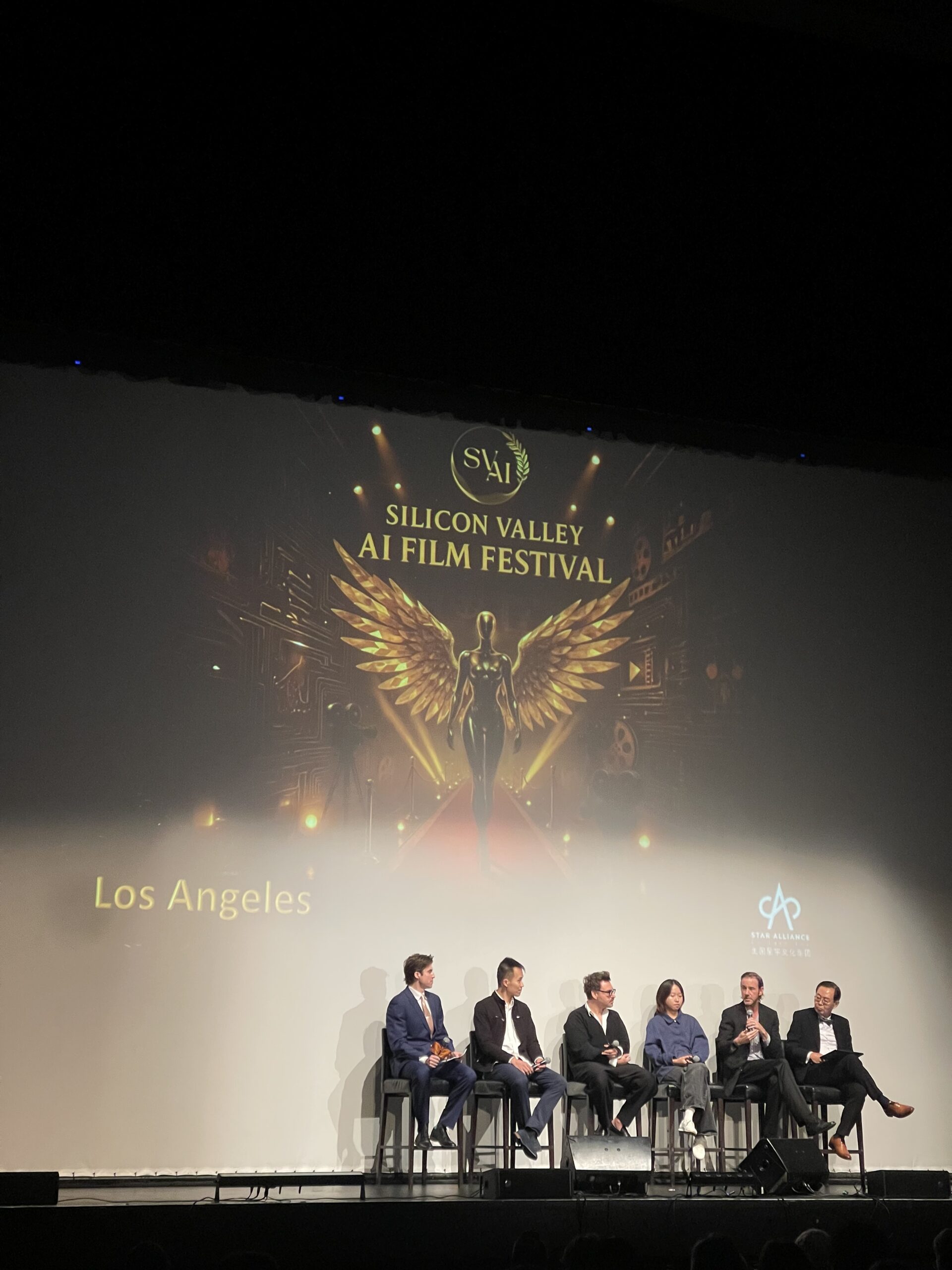
The one-day summit featured a packed schedule of screenings, networking sessions, and deep-dive panel discussions. Among the day’s highlights was Panel A, titled Investment, AI-Native Production, Brand Strategy & IP Innovation. This session brought together a multidisciplinary roster of experts to examine how artificial intelligence is reshaping every facet of the media lifecycle, from initial ideation and venture capital funding to consumer brand integration and intellectual property protection.
Over the past four years, the conversation surrounding AI in Hollywood has shifted from skeptical curiosity to urgent operational necessity. While early software iterations were viewed primarily as experimental novelties or budget-saving visual effects hacks, the 2026 festival highlighted a maturation of the medium. Studios and independent creators are increasingly deploying AI-native workflows to prototype scenes, localize content, and scale production capacities that were previously restricted by capital limitations.
However, this technological leap has not occurred without friction. Concerns regarding copyright infringement, data provenance, and the dilution of authentic human expression dominated much of the dialogue, positioning the festival as both a celebration of capability and a cautionary summit on ethics and governance.
Expert Insights: Balancing Technological Scale with Narrative Integrity
A central theme of the discussions was the tension between operational efficiency and creative authenticity. Panelists were pressed on critical decision-making criteria, including what circumstances would lead them to reject an AI-driven project outright.
Wanyi Zhao, representing Storyverse AI, emphasized that narrative primacy must remain absolute. Collaborating closely with veteran Hollywood creatives, Zhao’s work focuses on merging legacy filmmaking disciplines with cutting-edge synthetic media tools. While she noted that AI dramatically reduces production overhead and facilitates the generation of hyper-realistic digital environments that would otherwise demand prohibitive resources, she maintained that technical prowess is ultimately irrelevant if the underlying story fails to forge an emotional bond with the audience.
Echoing this sentiment from a corporate and consumer perspective, Hank Leber cautioned against the temptation to view artificial intelligence merely as a shortcut for brand communication. Drawing on his firm’s methodology of analyzing extensive consumer interactions and social media engagement data, Leber argued that the technology should be utilized to amplify human connection and strategic clarity rather than to bypass rigorous creative effort. In his view, superficial execution masked by sophisticated algorithms quickly alienates discerning modern audiences.
Navigating Intellectual Property, Provenance, and Legal Risk
As commercial productions increasingly incorporate synthetic assets, the question of legal ownership has emerged as a primary bottleneck for institutional financing and studio adoption. Artem Petrov addressed these pressing concerns by outlining the rigorous frameworks required to protect intellectual property in an AI-centric ecosystem.
Petrov’s primary directive to filmmakers was clear: meticulous documentation of the creative pipeline is non-negotiable. Creators must actively track the provenance of every data point, prompt, and AI-generated asset utilized in a production to mitigate the risk of third-party copyright infringement claims. In the commercial sphere, establishing a transparent chain of custody for digital assets is essential. Without documented evidence of substantial human creative contribution and verified sourcing, studios expose themselves to severe legal liabilities and financial vulnerabilities that could stall distribution and invite costly litigation.
Venture Capital Perspectives: Evaluating AI Startups and Leadership
The financial underpinnings of the AI filmmaking revolution were dissected by Han Li, whose venture capital firm has evaluated between 600 and 700 early-stage artificial intelligence companies over a rolling two-to-three-year window.
Offering a glimpse into the minds of institutional investors, Li revealed that technological sophistication represents only a fraction of what venture capitalists look for when deploying capital. The decisive factor, according to Li, is the quality, resilience, and vision of the founding team. Execution capability and the capacity to forge durable strategic relationships within legacy industries carry far more weight than raw algorithmic output. Consequently, Li’s firm frequently focuses on helping promising startups cultivate crucial industry alliances before committing financial resources, ensuring that technical innovation aligns with market realities.
Global Expansion: South Korea’s Blueprint for AI Production
International perspectives added significant breadth to the summit, with Dr. Hoyoung Lee shedding light on South Korea’s aggressive and coordinated push into AI-driven filmmaking. Lee identified three primary competitive advantages propelling the nation to the forefront of the movement: exceptional technical talent, rapid execution speed, and robust national commitment.
Driven by decades of sustained investment in both high-speed digital infrastructure and globally competitive entertainment exports, South Korea has successfully integrated public-private partnerships to foster innovation. This governmental and industrial alignment has enabled the country’s creative sector to transition rapidly from experimental testing to full-scale commercial production. Furthermore, Lee used the platform to announce the upcoming SVAIFF Korea event, scheduled for December 17, 2026, signaling the festival’s expanding global footprint.
Industry Implications and the Road Ahead
The overarching consensus emerging from the inaugural Silicon Valley AI Film Festival points to a fundamental paradigm shift: artificial intelligence is no longer an external threat or an isolated novelty, but an embedded layer within the modern cinematic toolkit. Industry veterans note that computational tools have quietly powered post-production pipelines and software environments for more than a decade, meaning the current wave represents an evolution rather than a complete replacement of craft.
Yet, this continuity does not diminish the profound challenges ahead. The rapid proliferation of synthetic media necessitates updated regulatory frameworks, standardized industry guidelines for digital provenance, and renewed commitments to compensating human artists whose labor trains the underlying models.
Ultimately, the dialogue in Beverly Hills reinforced the foundational truth that technology alone cannot manufacture resonance. Craftsmanship, collaborative vision, directorial intent, and emotional intelligence remain the indispensable pillars of great cinema. As AI capabilities continue to accelerate at a compounding rate, the enduring challenge for filmmakers will be to wield these instruments with deliberate purpose—safeguarding their intellectual property while ensuring that human creativity remains the beating heart of every story brought to the screen.