Behind the Scenes of Ridley Scott’s The Dog Stars: How Visual Effects Brought a Post-Apocalyptic Colorado to Life in Italy

The collaboration between visionary filmmaker Ridley Scott and Visual Effects Supervisor Charley Henley has yielded some of the most striking cinematic imagery of the past decade. Initially intimidated by the prospect of working alongside the legendary director of Alien and Blade Runner, Henley has since solidified his place within Scott’s trusted inner circle. Their creative partnership reached a new milestone with The Dog Stars, a gritty post-apocalyptic thriller adapted from Peter Heller’s acclaimed 2012 novel. The narrative centers on Hig, a civilian pilot who loses his wife during a catastrophic global pandemic and navigates a world gone mad, accompanied by his dog, Jasper.
Bringing this desolate yet strangely beautiful landscape to the silver screen required a massive multidisciplinary effort. Spanning a rigorous post-production schedule that lasted 28 weeks—supplemented by a critical six-week extension—the project ultimately encompassed approximately 800 visual effects shots. Distributed across premier studios including Bluebolt, Outpost VFX, RISE, Untold Studios, TPO, and Light VFX, the visual effects pipeline was tasked with seamlessly blending practical location work with complex digital environments, hyper-realistic wildlife, and high-octane aerial cinematography.
The Evolution of Ridleygrams and Pre-Production Planning
A defining hallmark of Ridley Scott’s directorial process is his meticulous pre-visualization through hand-drawn storyboards, affectionately known in the industry as "Ridleygrams." For The Dog Stars, these planning tools underwent a significant stylistic evolution. According to Henley, Scott elevated the standard blueprint process by producing fully colored, graphic-novel-style panels that served as the definitive visual bible for the entire crew.
"For both Napoleon and The Dog Stars, we got the next evolution in Ridley’s storyboards," Henley notes. "They’re now in color, and he’s doing what feels like a graphic-novel version of the script. It’s so readable and invaluable for all the crew and certainly for planning visual effects. If a shot is all CG or we’re doing previs, we start by matching his drawing. Also, when we were figuring out how to achieve a scene, we referenced the boards."
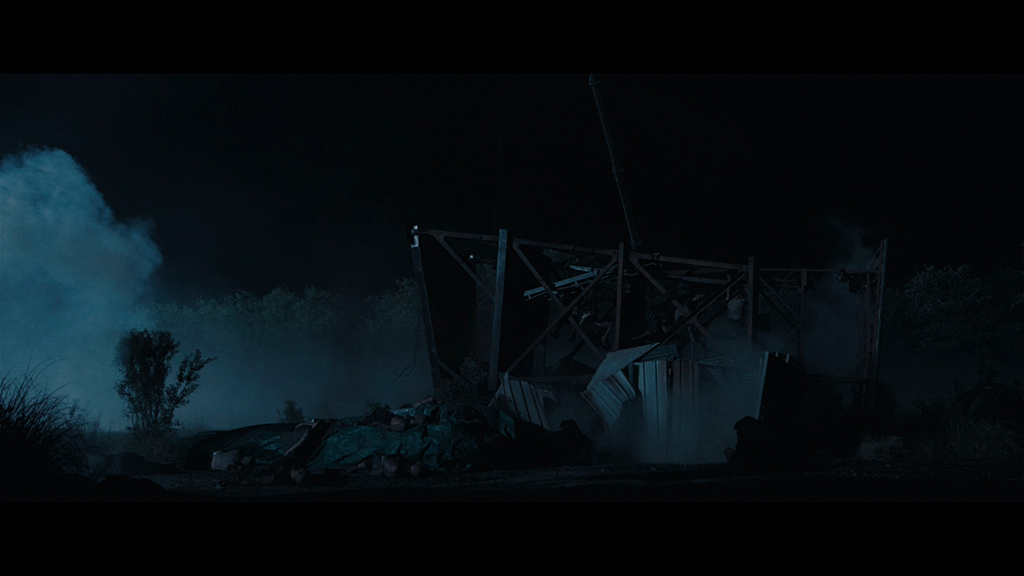
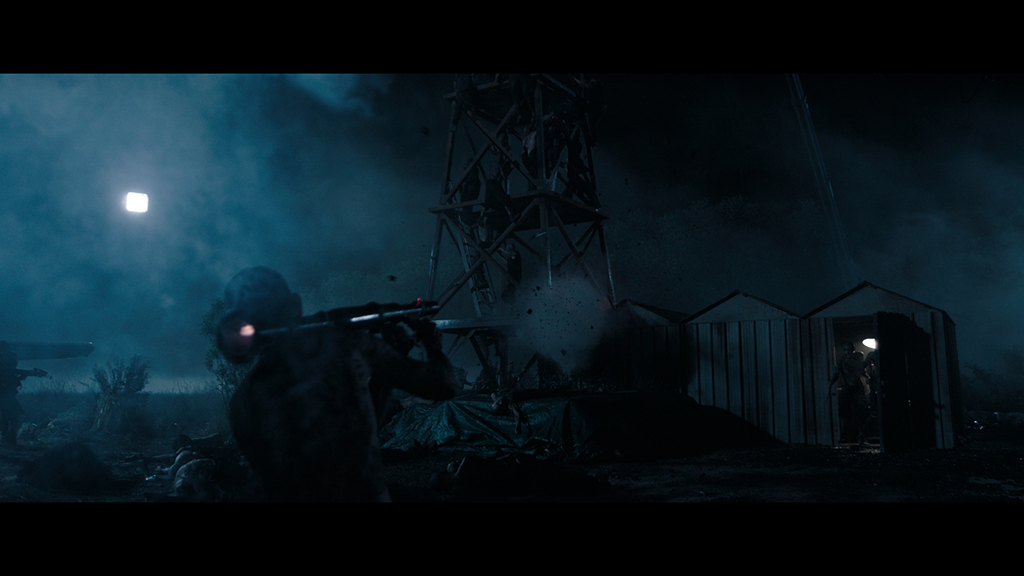
This granular level of communication streamlined pre-production. Whether mapping out the moody, shadow-drenched night raid on the character Bangley or orchestrating complex aerial choreography, the visual effects teams had immediate access to Scott’s precise vision regarding lighting design, atmospheric density, and composition. This eliminated much of the guesswork typically associated with high-budget visual effects workflows.
Reclaiming the Earth: Environmental Design and Location Scouting
The core thematic engine of The Dog Stars relies on nature reclaiming industrialized civilization a decade after a devastating societal collapse. To accurately depict how abandoned towns and overgrown farmland would look after ten years of neglect, the visual effects and art departments conducted extensive environmental research.
The production drew primary inspiration from rewilding initiatives such as the Knepp Estate in the United Kingdom, studying how agricultural sectors evolve when left entirely to natural processes. Furthermore, the team conducted rigorous visual studies of historical and contemporary night-vision technology to ground Bangley’s tactical sequences in scientific plausibility, alongside comprehensive animal motion studies to inform digital wildlife integration.
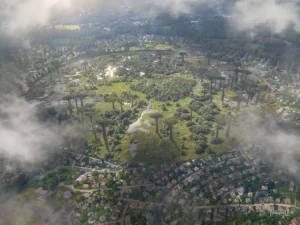
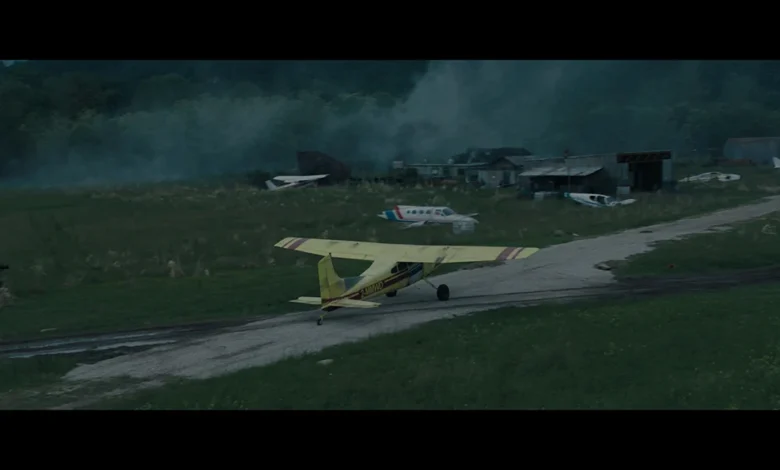
Logistically, the production faced the formidable challenge of recreating a desolate, post-apocalyptic Colorado. Remarkably, the search for the right terrain led the production team to Italy. Despite the geographic distance, the Italian landscape offered striking similarities in latitude, weather systems, and biomes to the American West.
"A major part of the work was shifting Italian cues to American ones, but we were surprised as we recced Italy how well it could work," Henley admits. "They have similar latitude, weather and biome. Most of the work was in removing small villages and adding straight roads. For Grand Junction, we built a CG environment based on the real Grand Junction in the States."
While minor structural elements like small villages were digitally erased and replaced with expansive, empty highways, certain sequences required entirely digital urban builds. For instance, the pivotal Grand Junction sequence encountered unexpected hurdles during principal photography: the filming schedule suffered from equipment failures, unfavorable weather changes, and dwindling natural light. Consequently, the sequence was partially reinvented in post-production, requiring Outpost VFX to construct a massive, highly detailed computer-generated urban environment that had never been part of the original production blueprint.
Engineering the Cessna 185: Practical and Digital Aircraft Configurations
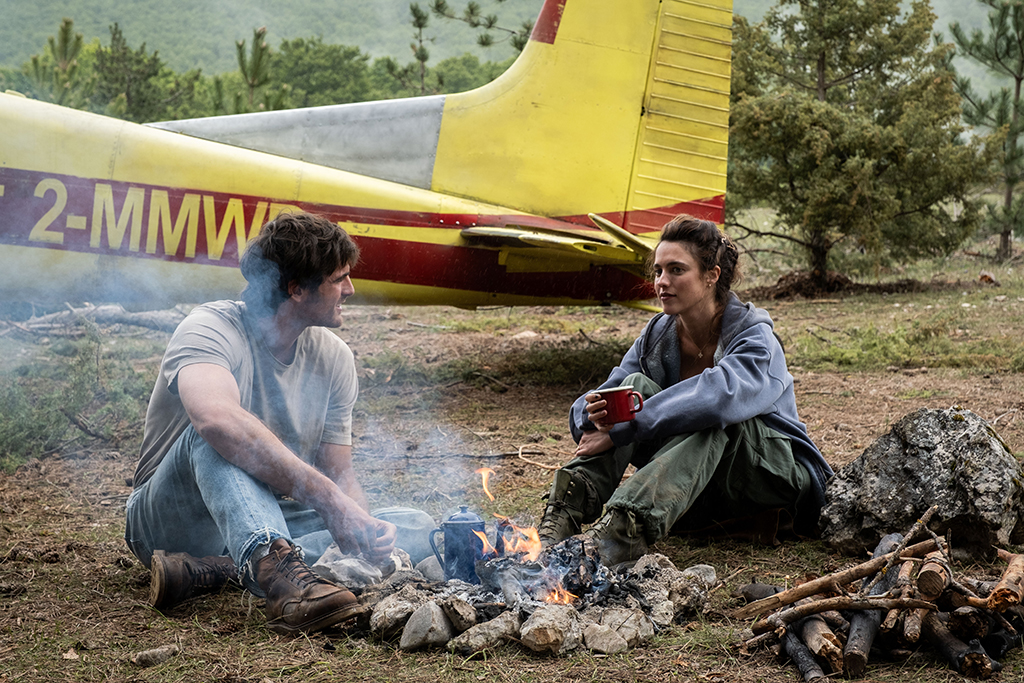
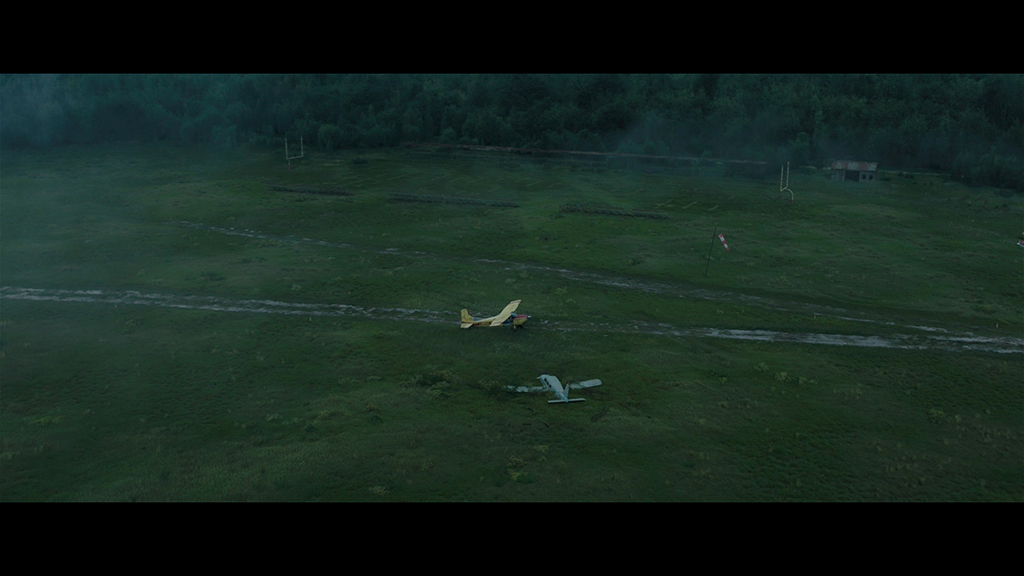
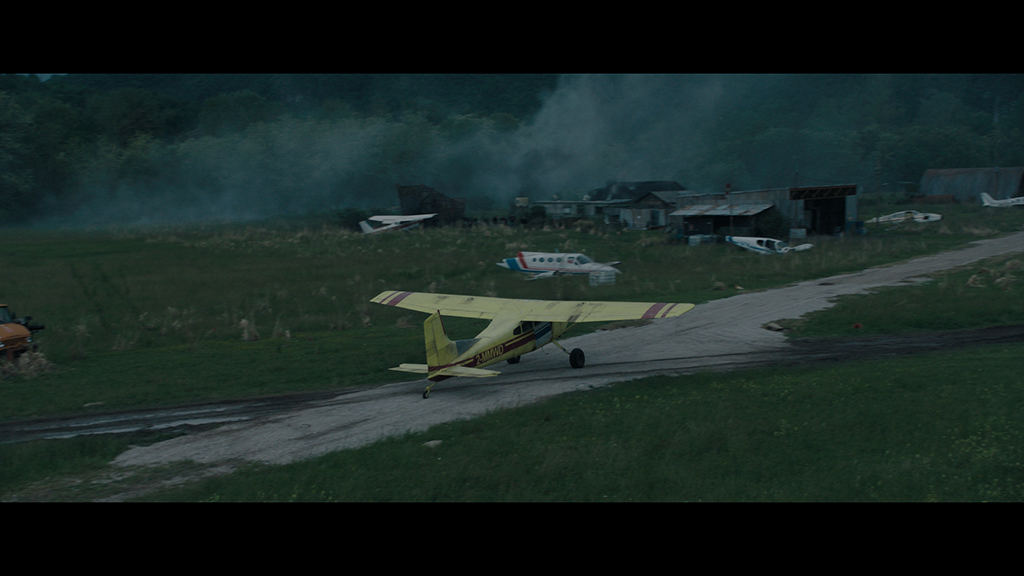
At the mechanical heart of The Dog Stars is a single-prop Cessna 185 aircraft, which serves as the protagonist’s primary mode of survival, exploration, and escape. The production’s approach to realizing the aircraft on screen was exceptionally multifaceted, demanding the creation of four distinct configurations to satisfy rigorous safety, stunt, and aesthetic requirements.
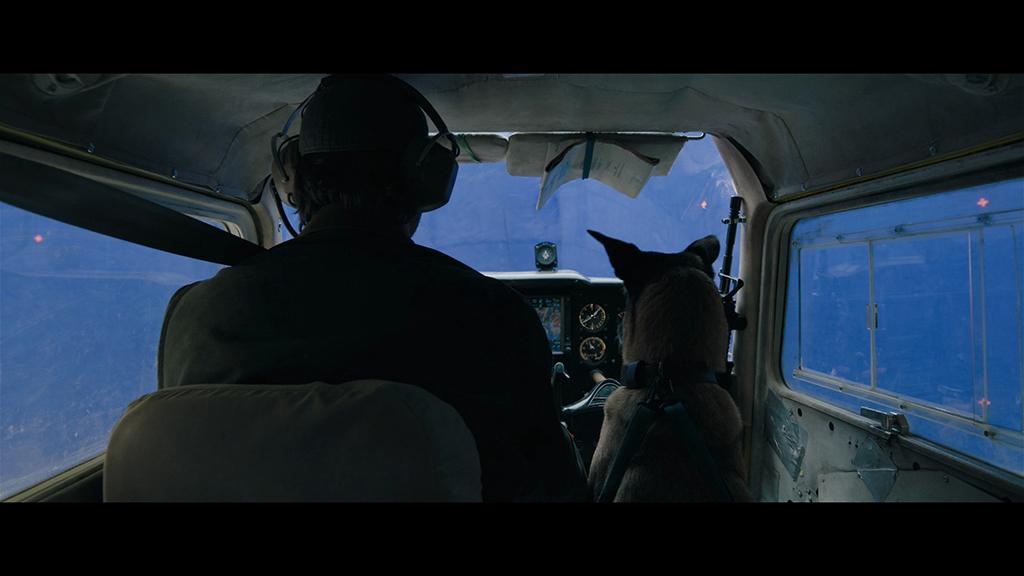
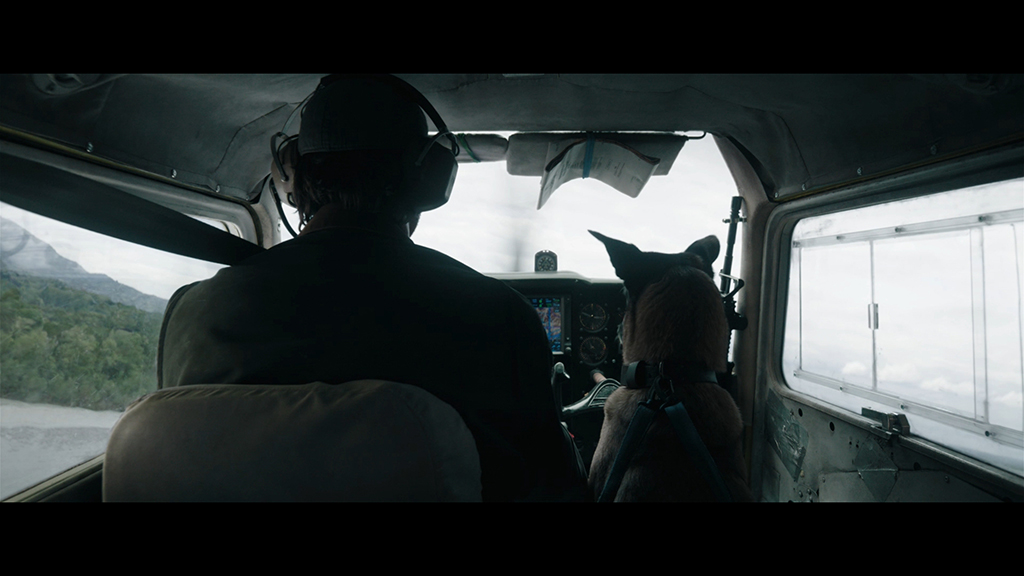
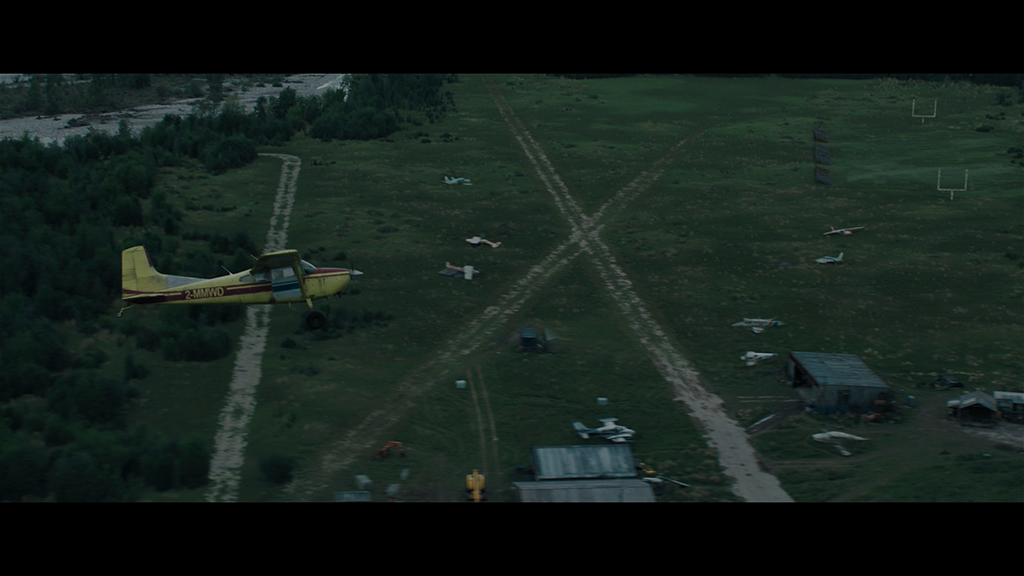
To capture authentic aerial footage, the production purchased a real single-prop Cessna 185, piloted expertly by stunt pilot Tom Berger. The aerial unit successfully filmed a vast majority of the takeoffs, landings, and air-to-air dogfights in-camera. To capture intimate, visceral perspectives of the pilot, production rigged small RED cameras inside the cabin for over-the-shoulder angles, while two additional cameras were securely mounted directly onto the wing struts.
However, filming actors and animals near a functioning aircraft introduced significant safety and logistical constraints. To solve this, Special Effects Supervisor Neil Corbould engineered a custom, Tesla-powered electric version of the Cessna. This electric stand-in could taxi autonomously via remote control, allowing actors and Jasper the dog to interact safely with the machine. It could also be towed behind specialized camera vehicles to facilitate dynamic ground-level stunt sequences.
For interior dialogue scenes, the production constructed a specialized cockpit buck. This physical set piece could be mounted on the back of a truck or placed on a motion gimbal inside a controlled studio environment. Finally, a fully computer-generated replica of the Cessna was utilized to augment or entirely replace the physical aircraft during extreme maneuvers, crashes, or when environmental conditions dictated digital intervention.
Mastering the Cockpit: Balancing Practical Bluescreen and Advanced Plate Photography
One of the most delicate technical hurdles for Henley and Director of Photography Erik Messerschmidt was ensuring that the studio-bound cockpit scenes retained the gritty realism established by the on-location shooting.
"Both our DP Erik Messerschmidt and I were wary of the interior buck shots looking fake. So much of the film was based on real locations, but these needed to be studio-based," Henley explains.
Although the team initially explored the possibility of utilizing advanced LED video walls for interactive cabin lighting, the demanding pace of the production schedule and the sheer volume of pre-prepared aerial plates rendered the technology impractical. Instead, the team relied on traditional bluescreen methodologies, elevated by cutting-edge digital post-production techniques.
To achieve authentic, dynamic interactive lighting inside the cockpit, the visual effects vendors utilized a digital model of the Cessna interior. They re-lit the studio footage using final aerial array plates, ensuring that reflections, ambient light shifts, and moving shadows perfectly matched the aircraft’s banking and rotating movements against the sun.
To acquire these reference backgrounds, the aerial unit rigged a helicopter with a custom five-camera RED Raptor array capable of capturing a sweeping 270-degree field of view. This camera setup meticulously traced the real flight paths of the Cessna to guarantee absolute spatial and temporal continuity between the practical skies and the studio performances.
The Climax: Merging Practical Stunts with Digital Violence
The culmination of these technical efforts is showcased in the film’s most exhilarating sequence: a high-stakes valley escape in which Hig, Pops, and Cima attempt to flee mountain raiders on horseback while piloting the Cessna.
Inspired directly by Ridley Scott’s intricate storyboards, the sequence blends old-school stunt work with modern digital artistry. The studio cockpit buck was mounted on a moving truck and aggressively pursued by professional stunt riders on horseback. In post-production, the physical stand-in aircraft was digitally retrofitted with the tail, wings, and spinning propeller of the Cessna.
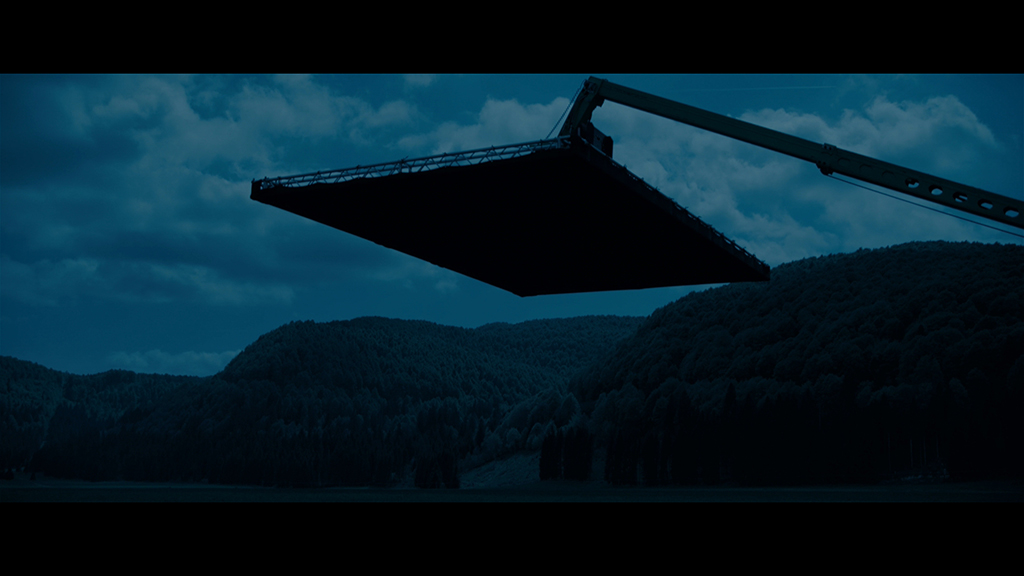
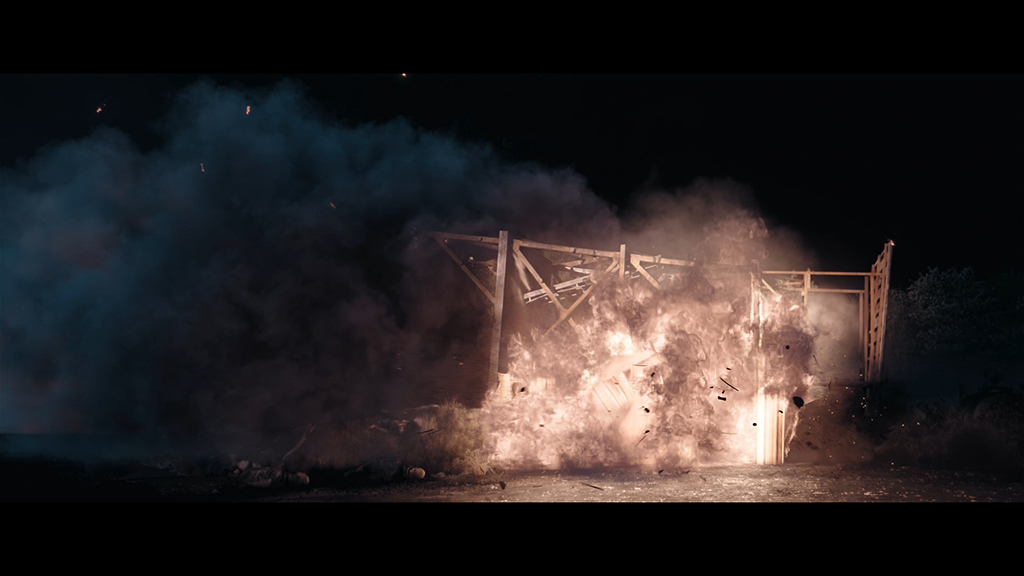
For the explosive climax where the aircraft collides with the pursuing raiders, live-action aerial and ground footage was heavily augmented with digital environmental elements. Artists layered in sweeping stands of CG trees, dynamic dust clouds, and graphic details like severed limbs and debris to heighten the visceral peril of the scene, evoking comparisons to high-intensity action masterworks like the Mad Max franchise.
The Integration of Living Ecosystems: Wildlife and Atmospherics
Beyond the mechanical engineering and digital environment builds, breathing life into the post-apocalyptic world required meticulous attention to biological detail. Rather than relying entirely on synthetic fauna, the production favored practical animal shoots wherever scale permitted.
Under the supervision of Henley, specialist crews filmed targeted element shoots of deer, wild dogs, Harris’s hawks, crows, and vultures on stage at Ember Films. These practical creature plates were then carefully color-graded, tracked, and composited into specific landscape shots. CG animation was strictly reserved for massive flocking sequences or environmental scales impossible to capture practically. Similarly, the creeping overgrowth of vegetation strangling human infrastructure was constructed using a seamless hybrid of digital geometry and traditional matte paintings.
Atmospheric effects—such as localized mist, dense smoke, and shifting particulate matter—were treated as narrative instruments rather than mere background dressing. These elements were carefully managed across all 800 visual effects shots to establish the oppressive, haunting mood characteristic of Scott’s dystopian vision.
Conclusion: A Masterclass in Collaborative Filmmaking
Reflecting on the monumental undertaking required to complete The Dog Stars, Charley Henley’s gratitude extends equally to the natural landscape of Italy and the global network of digital artists who executed the film’s expansive visual vocabulary.
By combining uncompromising practical photography—ranging from real stunt aviation to custom electric aircraft rigs—with state-of-the-art digital environments and Scott’s definitive graphic-novel storyboards, the production successfully bridged the gap between raw naturalism and controlled cinematic spectacle. As audiences prepare to witness this harrowing journey of survival and rediscovery, The Dog Stars stands as a testament to the enduring power of disciplined pre-planning and technical ingenuity in modern filmmaking.
Related posts: