2027 Oscars Short Film Contenders: ‘Dear Upstairs Neighbors’ Director Connie Qin He


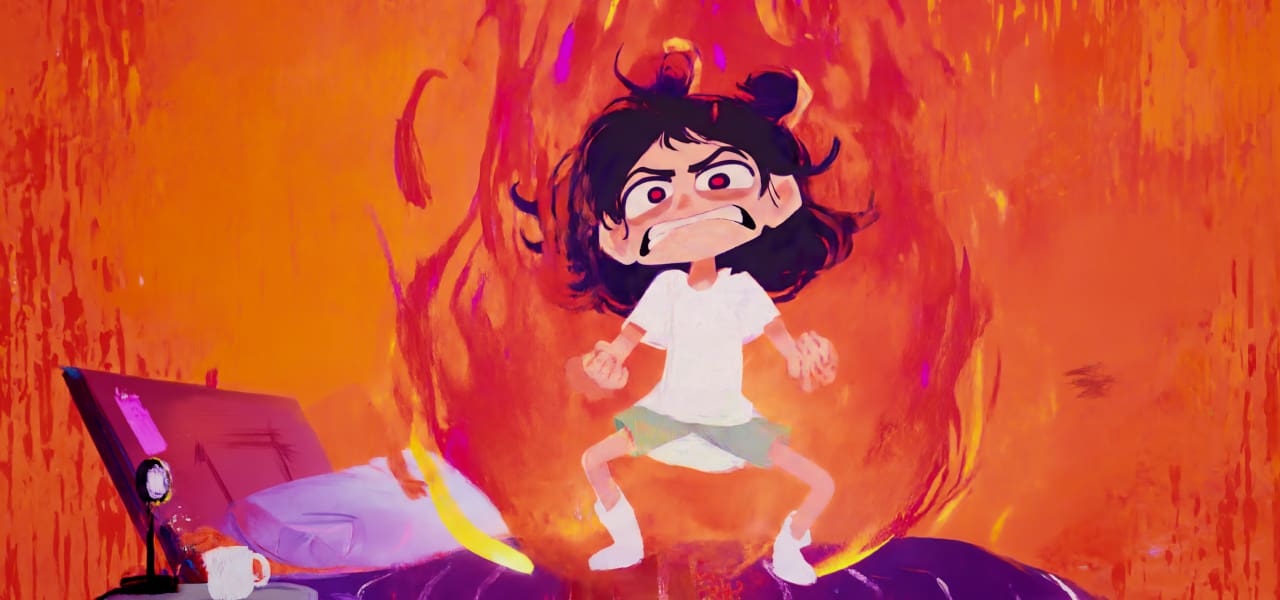
The narrative of the short, which centers on a protagonist named Ada struggling with the intrusive, unexplained noises emanating from an apartment directly above her, serves as a visceral metaphor for the isolation and hyper-awareness experienced by many during the global pandemic. As the film progresses, Ada’s internal state shifts from mere irritation to a series of elaborate, surreal fantasies, with the visual language of the film evolving in lockstep with her deteriorating composure.
A New Frontier in Animation Pipelines
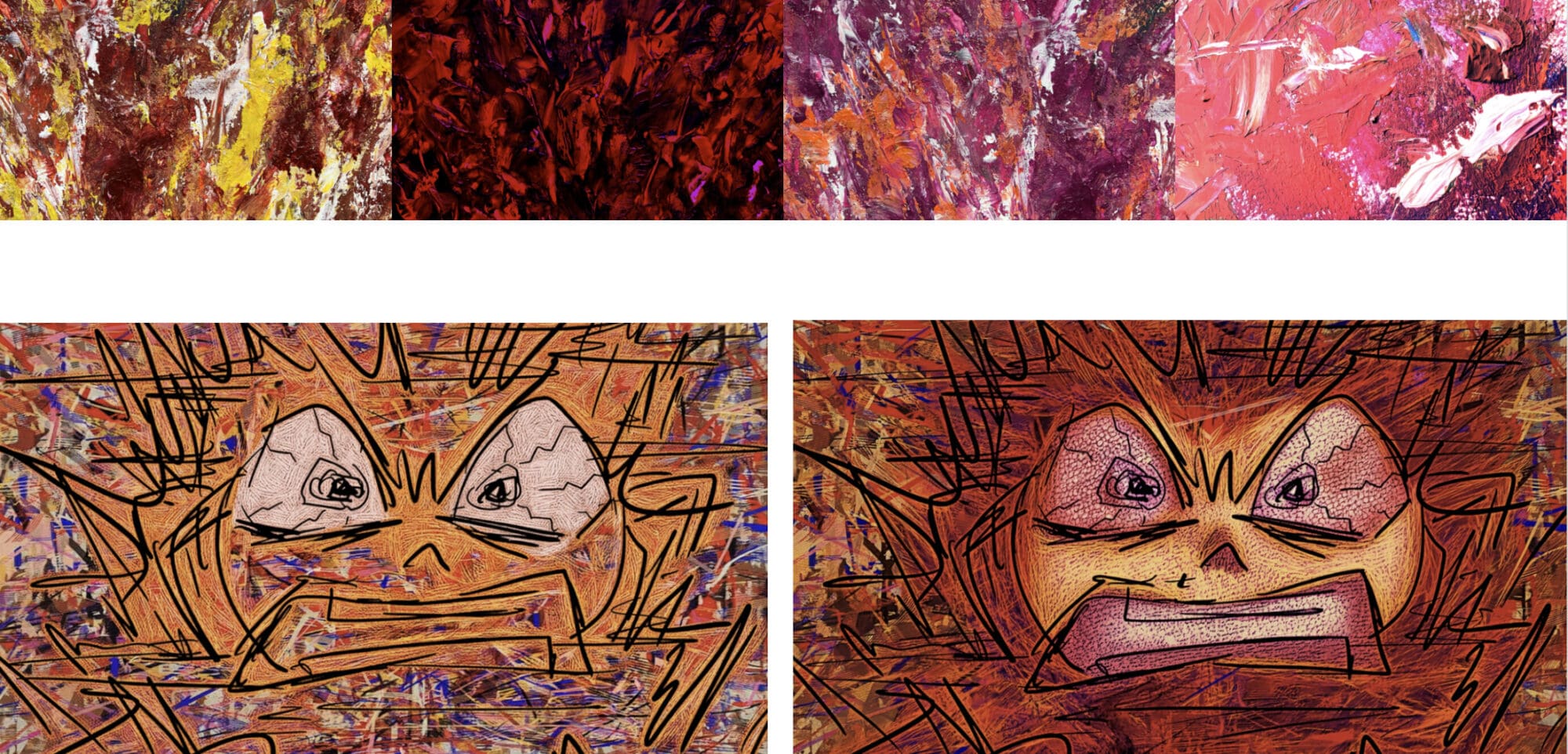
The production of Dear Upstairs Neighbors represents a departure from conventional 2D and 3D workflows. According to the filmmakers, the project utilized a bespoke pipeline where generative AI models were fine-tuned specifically on the team’s original concept art. By training these models on the unique brushwork, color palettes, and stylistic choices of the production’s primary artists, the team was able to achieve a cohesive, painterly aesthetic that retains a human touch despite the digital nature of its generation.
This approach was not merely a stylistic choice but a necessary response to the ambition of the project. Connie Qin He notes that the team operated without a standardized playbook, requiring them to bridge the gap between creative storytelling and experimental engineering. The collaboration between traditional artists and software researchers was constant, allowing the team to treat the AI not as an autonomous creator, but as a sophisticated tool for rendering complex textures and perspectives that would have been prohibitively time-consuming using legacy techniques.

Contextualizing the Shift in Independent Film
The rise of AI-assisted animation has prompted intense debate within the industry regarding the definition of authorship and the preservation of labor-intensive craft. However, the success of projects like Dear Upstairs Neighbors suggests a shifting paradigm. Rather than replacing the artist, the technology here is framed as an extension of the artist’s intent.
In historical terms, the field of animation has always been defined by its technological leaps—from the transition from hand-drawn cels to digital ink and paint, and from the advent of CGI to the current era of real-time rendering. The inclusion of an AI-integrated film in the Oscar race signals that the Academy of Motion Picture Arts and Sciences is increasingly comfortable with evaluating work that challenges the traditional boundaries of production. This development places the film within a growing cohort of shorts that utilize "hybrid pipelines," a category that is expected to expand significantly over the next five years.

Thematic Resonance and Production Timeline
The development of the film began as a cathartic exercise for director Connie Qin He during the height of the Covid-19 lockdowns. The experience of forced proximity in multi-unit housing provided the raw material for the story, transforming the mundane frustration of urban living into a canvas for psychological exploration.
The production timeline reflects the challenges of integrating experimental workflows. Following the initial storyboarding and character design phases, the team spent a substantial period refining the generative models. This required the artists to provide consistent feedback, ensuring that the AI could replicate specific elements like two-point perspective and the representation of sound through visual motion—a core aesthetic goal for the project. By the time the film reached its theatrical exhibition phase in late 2026, the team had effectively built a specialized "painterly" engine that could maintain visual consistency across the short’s duration.

Data and Industry Implications
The Oscar qualification process for animated shorts is notoriously rigorous. Films must typically win a qualifying award at a major festival or complete a minimum seven-day theatrical run in a commercial theater in Los Angeles or New York. The fact that Dear Upstairs Neighbors achieved this qualification through a theatrical run highlights the commitment of the producers to the traditional cinematic experience, even when the underlying technology is at the bleeding edge of software development.
Industry analysts suggest that the cost-to-quality ratio of AI-integrated films is beginning to disrupt the independent animation market. For smaller teams, the ability to automate complex texture mapping or environmental rendering means that high-fidelity, stylistically complex projects—which were once the exclusive domain of large studios with massive budgets—are now increasingly accessible to independent directors.
Expert Perspectives on Human-AI Collaboration
When asked about the future of this workflow, director Connie Qin He emphasized that the technology remains subservient to the narrative. "The magic happens when artists and researchers work hand in hand," she explained. "We initially hoped the models would pick up on surface-level brushwork, but they began to interpret the emotional weight behind our visual choices."
This sentiment is echoed by peers in the animation community who argue that the "human element" is not defined by the tools used, but by the directorial vision guiding them. In Dear Upstairs Neighbors, the use of AI to visualize Ada’s deteriorating mental state—where the environment itself seems to warp and distort as the noise persists—is cited as a primary example of technology serving the story rather than distracting from it.
Broader Impact and Future Outlook
The entry of this film into the 2027 Oscar season serves as a bellwether for the future of the medium. As the industry looks toward the next decade, the criteria for "originality" and "craft" will likely be redefined by how effectively filmmakers can blend these new tools with traditional storytelling principles.
Furthermore, the success of this film may encourage other independent studios to invest in custom-trained models rather than relying on generalized, off-the-shelf software. This shift toward "proprietary AI" could lead to a more diverse visual landscape in animation, as different studios develop unique, trademarked looks through their own specific datasets.
As the awards season progresses, the reception of Dear Upstairs Neighbors will provide a clearer picture of how the broader filmmaking community views the intersection of generative tools and artistic expression. For now, the film stands as a testament to the resilience of the independent animation sector and its willingness to embrace the uncomfortable, often surreal, evolution of modern production pipelines. Whether or not it secures a nomination, its place in the 2027 conversation is already assured, marking it as a critical touchstone for the ongoing debate over the future of the moving image.