View Conference 2026 Debates the Role of Generative Artificial Intelligence in Animation and VFX

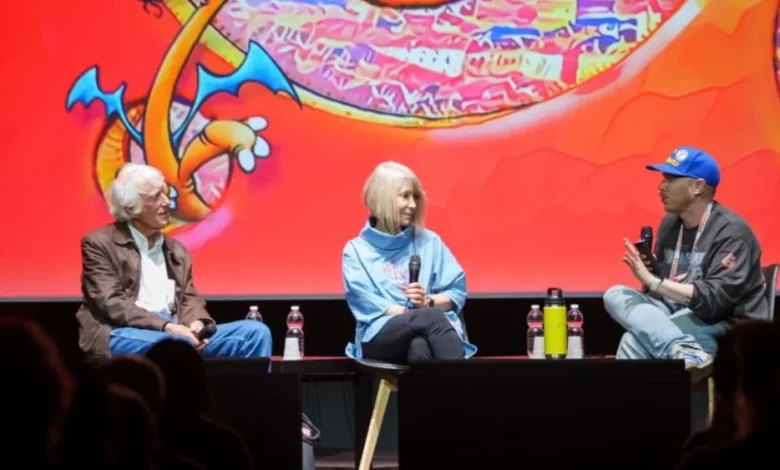
The 2026 edition of the View Conference in Turin, Italy, concluded with a stark ideological divide regarding the future of the animation and visual effects industries. While the event served as a high-level forum for discussing the craft behind upcoming cinematic features, it simultaneously became a theater for the intensifying conflict between traditional production workflows and the aggressive push for generative artificial intelligence (AI) integration. The conference, which annually draws the world’s leading filmmakers, studios, and technologists, provided a snapshot of an industry at a crossroads, caught between technological inevitability and a defensive commitment to human-centric artistry.
The View Conference: A Hub for Cinematic Innovation
For over two decades, the View Conference has functioned as a premier international gathering for the digital arts. Set against the historic backdrop of Turin, the event attracts a diverse assembly of industry professionals, ranging from Oscar-winning directors to technical leads at major animation houses. The 2026 iteration was no exception, highlighting a slate of high-profile projects, including the highly anticipated Toy Story 5, the hand-crafted aesthetic of Wildwood, and the viral marketing success behind the upcoming film Hoppers.
Throughout the week, sessions focused on technical problem-solving and creative storytelling. Notable presentations included Pixar director McKenna Harris detailing the two-week production hiatus taken to rectify core narrative issues in Toy Story 5, and Disney producer Yvett Merino providing an early look at the upcoming project Hexed. These sessions reinforced the traditional view of animation as a labor-intensive, collaborative, and deeply human process. However, these successes were frequently punctuated by sessions focused on the rapid advancement of generative AI tools, creating a noticeable tension between the practical reality of current film production and the speculative future being marketed by tech-sector stakeholders.
The Clash of Narratives: Human Agency vs. Automated Production
The central point of contention emerged during the presentation titled "Every Pixel Will Be Generated," which featured insights from NVIDIA’s Richard Kerris and Runway co-founder Cristóbal Valenzuela. The session presented the adoption of generative AI not merely as a potential optimization tool, but as an absolute, deterministic future for the industry.
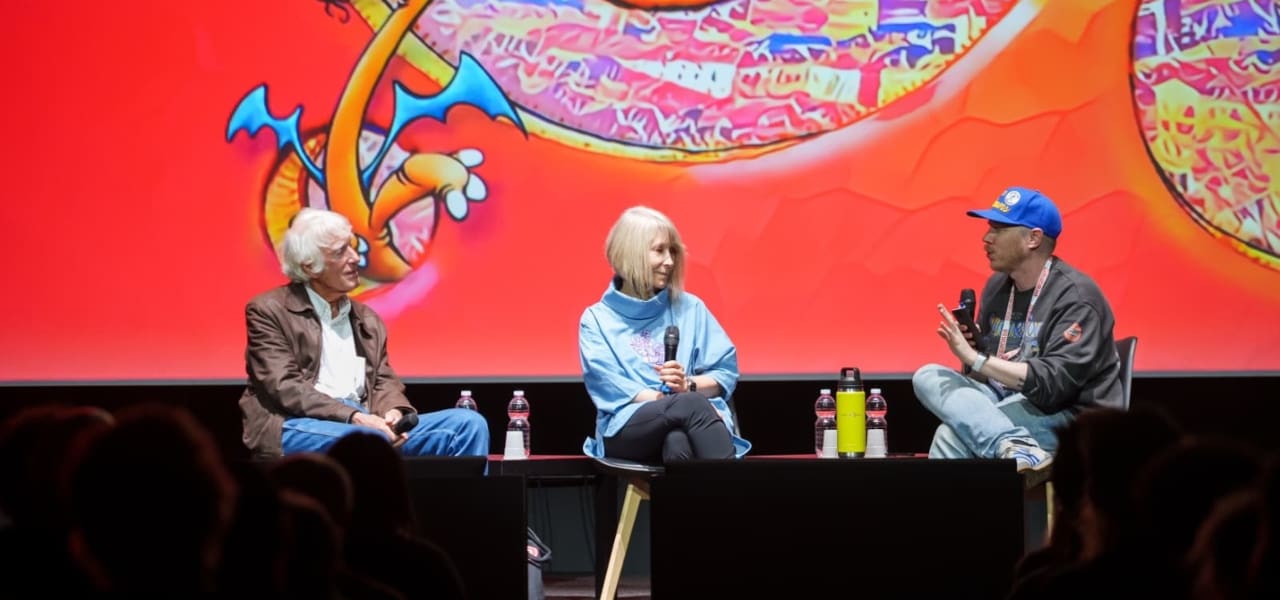
This assertion of inevitability faced immediate pushback from creative practitioners. During a panel featuring prominent directors, questions regarding the use of AI in their workflows were met with firm denials. Januel Mercado, co-director of Forgotten Island, explicitly stated that the project utilized no generative AI tools. Similarly, McKenna Harris addressed the topic regarding Toy Story 5, confirming the absence of such technologies in their pipeline. These declarations stand in direct opposition to comments made by Jeff Kember, NVIDIA’s Principal Technical Evangelist for Media2, who during his presentation argued that AI adoption is pervasive, asserting that the only reason some studios do not discuss its use is due to legal constraints.
Industry Implications and the AI Adoption Curve
The disconnect between the claims made by hardware and software providers and the testimonies of creative directors highlights a significant misalignment in industry expectations. From a technical perspective, the industry is currently navigating a period of "stealth integration." While large-scale generative AI models are not yet the standard for feature-length narrative production—due to concerns regarding copyright, consistency, and intellectual property—smaller applications are becoming common. These include AI-assisted rotoscoping, noise reduction, and background asset generation.
However, the leap from using AI as a task-specific utility to "generating every pixel" remains a point of significant skepticism among veteran filmmakers. Historical precedents in the industry—such as the transition from hand-drawn to computer-generated (CG) imagery—are often cited by proponents of AI to argue that change is always resisted before it is accepted. Yet, the current discourse at the View Conference suggests that the resistance is not to the technology itself, but to the narrative that human creative agency is becoming redundant.
Data and Trends: The Economic Drivers of Integration
The push for AI integration is driven by substantial economic pressures. According to recent industry reports, the cost of producing a tentpole animated feature has risen significantly over the last decade, with major studio projects often exceeding budgets of $200 million. Tech companies like NVIDIA and Runway are positioning their AI toolkits as a mechanism to mitigate these rising costs, improve efficiency, and shorten production cycles.
However, the adoption of these tools is not uniform. A recent survey of independent animation studios suggests that while 40% are experimenting with AI for pre-production storyboarding and concept art, only 12% have integrated it into final rendering or animation pipelines. The disparity between these figures and the industry-wide claims of universal adoption suggests that the "inevitability" being marketed at conferences is a strategic push to gain market share rather than a reflection of current creative standards.

The Regulatory and Legal Landscape
Beyond the creative concerns, the legal framework surrounding AI in entertainment remains in flux. The ongoing debates regarding the training of large language and image models on copyrighted works have led to significant anxiety among creative unions and guilds. Many studios are cautious about adopting generative workflows precisely because the legal ownership of AI-generated content remains untested in many jurisdictions.
Jeff Kember’s assertion at the View Conference that "everyone is using it" underscores this legal tension. If studios are indeed utilizing these tools while withholding public disclosure, it suggests a profound lack of transparency that could have long-term consequences for contractual agreements, residuals, and credit attribution within the industry.
Looking Toward the Future
The 2026 View Conference confirmed that while the tools of the trade are evolving, the definition of what constitutes a "filmmaker" remains firmly rooted in the tradition of human-led creative direction. The success of projects like Wildwood and the critical attention paid to narrative structural changes in Toy Story 5 serve as evidence that audiences still demand the specific, intentional artistry that comes from human decision-making.
As the industry moves forward, the divide between the "AI-first" vision—where pixels are generated by algorithm—and the "Human-first" vision—where technology remains a secondary support tool—will likely widen. The challenge for upcoming industry events will be to facilitate a more nuanced conversation that separates the marketing of commercial software from the practical, legal, and artistic realities of animation production.
Ultimately, the View Conference serves as a vital barometer for the health and direction of the industry. While the technological sales pitches were a prominent feature of this year’s agenda, the depth of talent, the rigorous debate, and the commitment to artistic excellence demonstrated by the directors in attendance suggest that the future of animation remains a domain where human imagination and technical skill remain the primary drivers of success. The narrative of inevitable, total replacement appears to be a commercial projection rather than an industry-wide consensus, leaving the creative future of the medium more open, and perhaps more contentious, than ever before.