Navigating the 2026 Holiday Shopping Season: How Tariffs, Early Timelines, and Social Commerce are Redefining Retail

The retail landscape is undergoing a profound transformation as the 2026 holiday shopping season approaches, characterized by an unprecedented convergence of economic pressures, shifting consumer timelines, and the dominance of social media as a primary shopping destination. Even as traditional retail shelves remain stocked with Halloween merchandise, modern shoppers are already compiling wish lists, hunting for early deals, and attempting to outmaneuver forecasted economic hurdles. Recent proprietary data from Sprout Social’s Q3 2026 Pulse Survey sheds light on this shifting paradigm, highlighting three critical pillars that will define market success this year: strategic campaign timing, acute price sensitivity, and the integration of social commerce into the consumer journey.
The realities of the 2026 economic environment dictate that while the window of opportunity for brands has widened due to earlier shopping habits, competition for every consumer dollar has never been fiercer. Retailers are forced to balance the consumer demand for early inspiration against the reality of tightening household budgets, pushing marketing teams to rethink traditional seasonal playbooks.
The Chronology of Consumer Intent: When Holiday Shopping Actually Begins
The timeline for holiday shopping has historically followed a predictable trajectory, kicking off in earnest with Black Friday and Cyber Monday following Thanksgiving. However, consumer behavior has evolved dramatically over recent years. In 2026, the shopping season routinely begins months in advance, driven by a dual desire to secure items before inventory constraints set in and to mitigate the impact of anticipated price hikes.
This behavioral shift has created a complex psychological landscape regarding campaign timing. According to the Sprout Social survey, consumer sentiment regarding early marketing is nuanced and seemingly contradictory. Nearly half of all surveyed consumers—49%—report that holiday campaigns launched as early as August increase their likelihood to purchase, with 19% stating they are much more likely to buy. Conversely, only 11% express a negative reaction to these early-bird efforts.
Yet, when asked directly about the ideal window for brands to launch holiday campaigns, preferences shift toward traditional autumn. Exactly half of respondents pinpoint October or November as the optimal timeframe. Only 21% favor an August or September rollout, while 12% suggest waiting until December.

This dichotomy illustrates a fundamental shift in how shoppers interact with seasonal marketing. Consumers do not necessarily want holiday music playing and winter messaging dominating their digital feeds in the heat of August; rather, they are open to early product discovery, gift ideas, and subtle seasonal inspiration. Brands that navigate this successfully avoid going "all-in" on aggressive holiday messaging too early. Instead, the current industry best practice involves a phased approach: utilizing August and September to build brand awareness, test product resonance, and plant the seeds of consideration, followed by a full-scale promotional ramp-up in October and November.
Demographic nuances further complicate this timeline, particularly regarding younger demographics. Gen Z consumers exhibit a significantly higher appetite for early engagement, with 66% stating that August campaigns enhance their purchasing propensity, vastly outpacing the general population. Brands targeting younger buyers are consequently accelerating their content strategies to capture this eager segment before competitors can establish a foothold.
Economic Pressures, Tariffs, and the Rise of Price Sensitivity
Behind the early start to the 2026 shopping season lies a palpable anxiety regarding personal finance and macroeconomic headwinds. Chief among these concerns are looming tariffs and the persistent cost-of-living crisis, which are actively reshaping purchasing patterns across demographics.
Data indicates that 36% of holiday shoppers are initiating their purchasing journeys earlier specifically to preempt tariff-related price increases. An additional 27% report holding off on early purchases while nevertheless harboring deep concerns over potential price escalations. Combined, an overwhelming 63% of the consumer base is factoring the specter of higher prices into their holiday planning.
These financial anxieties are directly curtailing projected spending volumes. More than half of consumers—56%—anticipate reducing their total holiday expenditure this year due to ongoing macroeconomic pressures. A mere 30% expect their spending levels to remain untouched by economic constraints.
For retail brands, this heightened price sensitivity does not mandate a race to the bottom or a reliance exclusively on discount-driven strategies. Rather, it requires a meticulous communication of value. With shoppers scrutinizing every purchase decision, successful marketing campaigns must clearly articulate product quality, durability, and versatility.
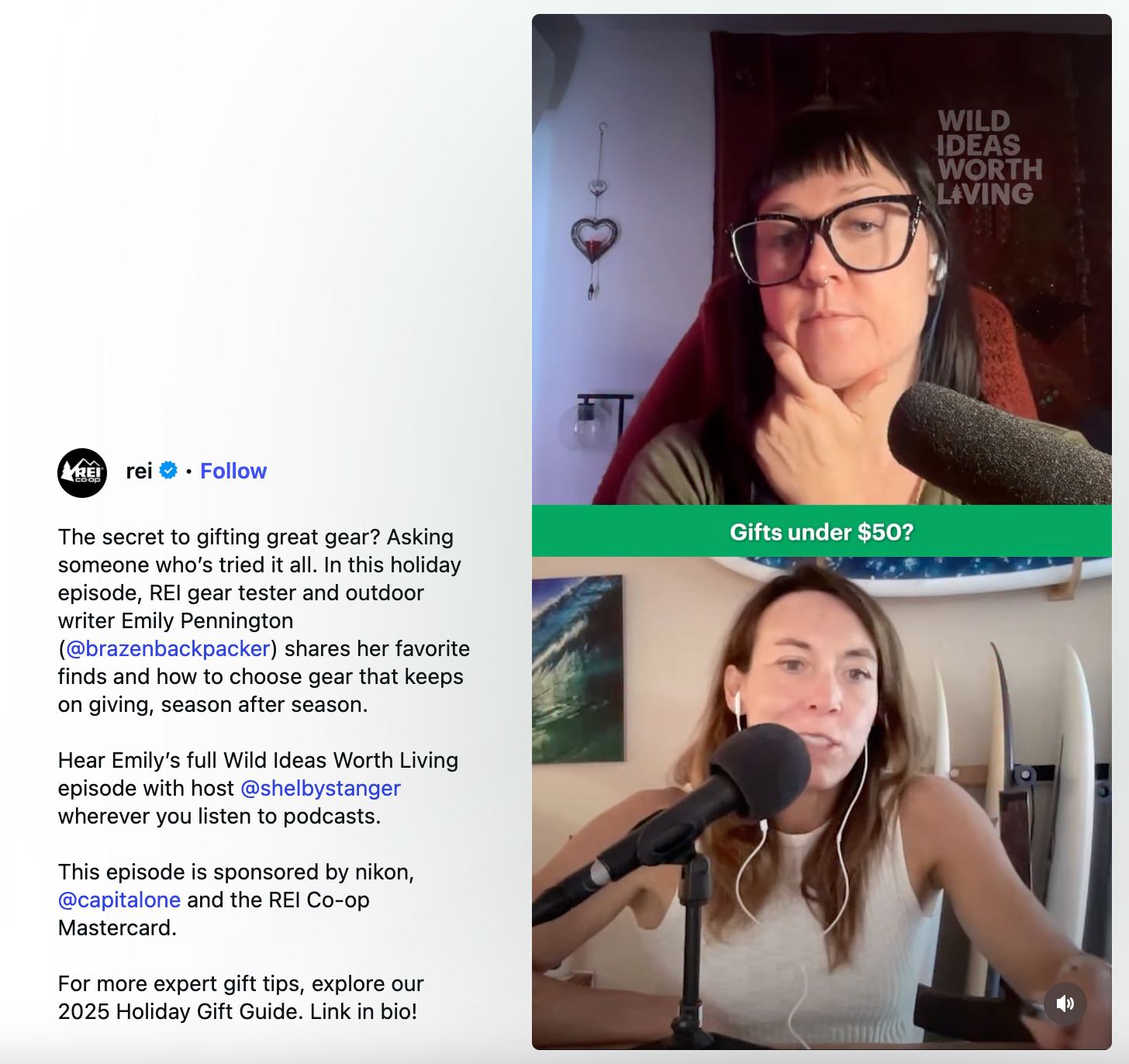
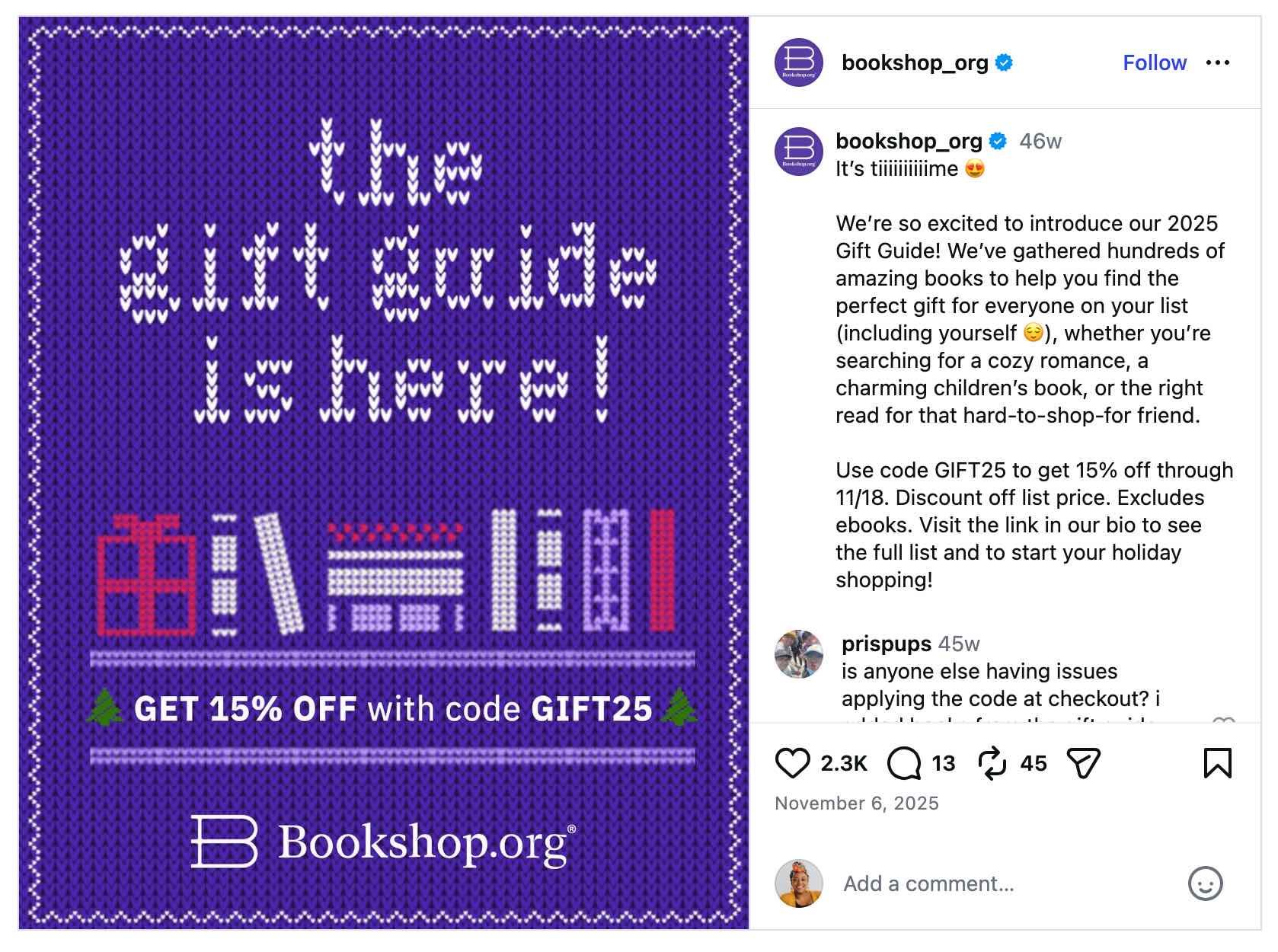
Financial incentives remain powerful catalysts; promotional codes shared directly by brands or trusted influencers serve as the single largest purchase driver, cited by 30% of consumers. Furthermore, retailers with diverse product catalogs are finding success by organizing gift recommendations by strict budget tiers. By curating clear, accessible guides—such as expert-selected items under $50—brands can alleviate consumer friction and capture budget-conscious buyers without eroding their profit margins.
The Social Media Revolution in Gift Discovery
Perhaps the most structural shift in the 2026 retail environment is the democratization of gift discovery via social media platforms. Social channels no longer serve merely as top-of-funnel awareness tools; they now rival physical brick-and-mortar retail locations as the primary destination for holiday inspiration.
The Sprout Social data reveals that 46% of consumers will turn to social media for gift ideas and product discovery this holiday season, putting digital platforms on an exact parity with physical stores. This influence is projected to compound: 28% of consumers plan to utilize social media more heavily for gift discovery compared to the 2025 holiday season, while 50% anticipate maintaining their current high usage levels.
This behavioral permanence requires brands to rethink how their products are presented in a digital-first environment. When a consumer encounters a brand for the first time via a social feed, the content must instantly communicate the utility, target audience, and intrinsic value of the product. Organizing content around specific recipients, hobbies, life occasions, or price points simplifies the discovery journey.
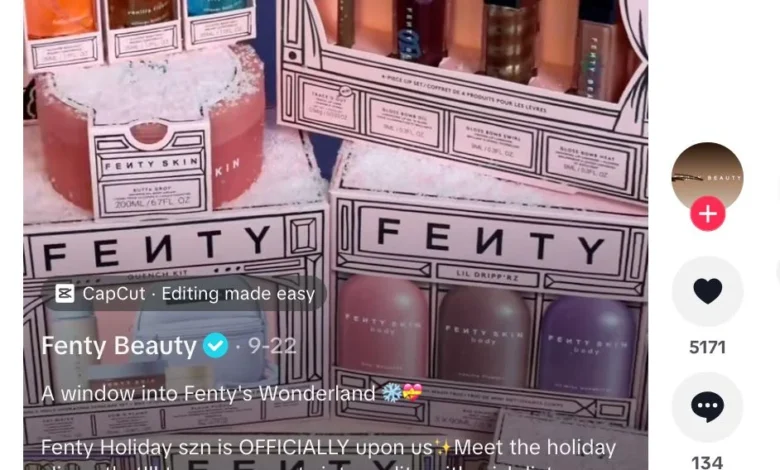
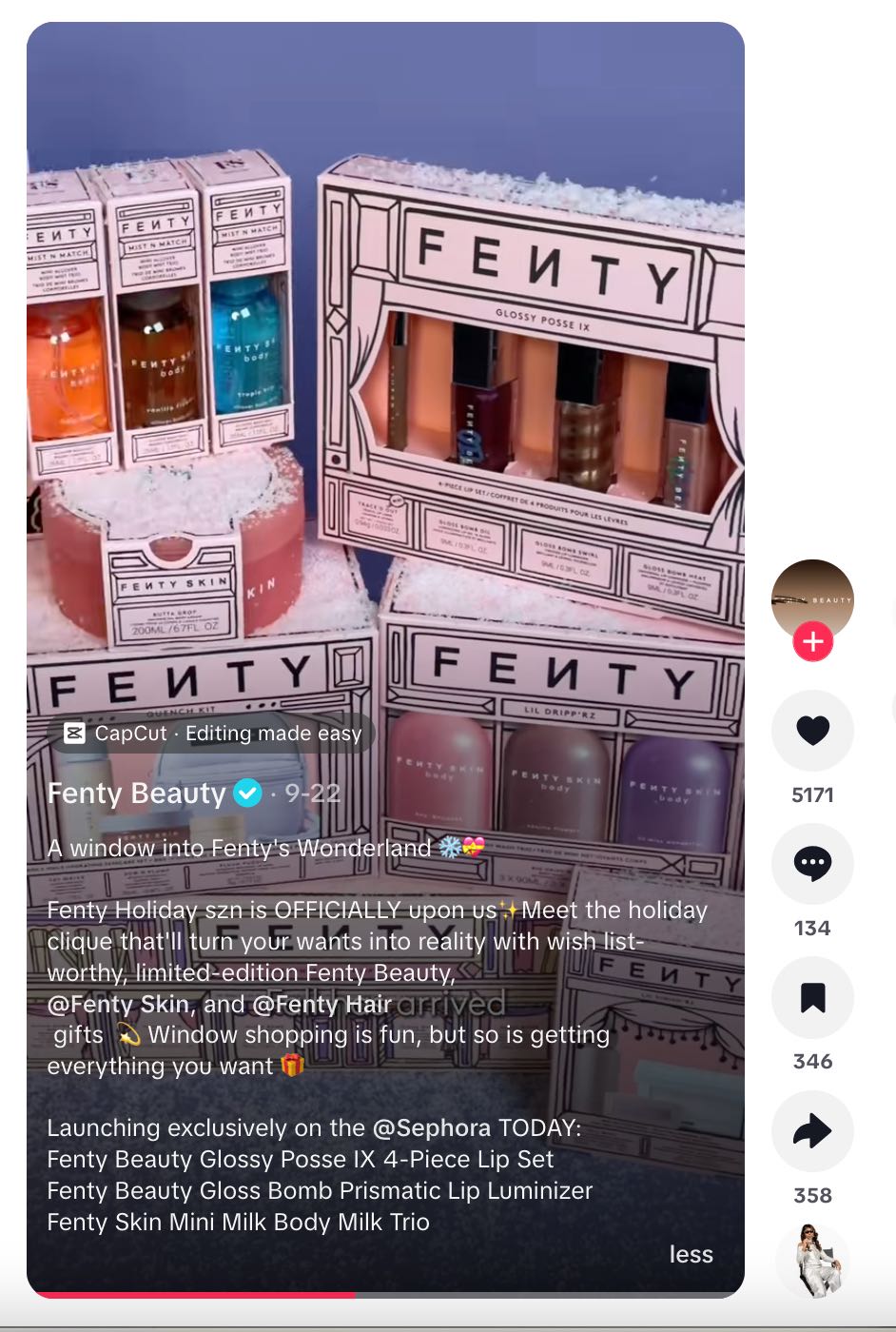
Once discovery occurs, the mechanics of conversion rely heavily on content variety. While promotional posts capture deal-seekers, a comprehensive strategy must incorporate product education, original seasonal storytelling, and user-generated content. Creator partnerships, in particular, provide essential context. By collaborating with trusted creators to showcase products—such as detailed walkthroughs of luxury holiday gift sets—brands can bridge the gap between initial curiosity and final conversion.
Seamless Social Commerce and the Evolution of Customer Care
As discovery and inspiration increasingly migrate to social media, consumers naturally expect the transactional phase of shopping to follow suit. The barrier between browsing a feed and completing a purchase has dissolved, giving rise to robust social commerce ecosystems.
More than half of consumers (57%) are open to completing a financial transaction directly within a social application during the 2026 holiday season. This group is split between 38% who have previously utilized social checkout and plan to repeat the experience, and 19% who are prepared to test the functionality for the first time. To capitalize on this readiness, brands must audit their social commerce funnels, ensuring that product catalogs are synchronized, stock availability is accurate, and essential information regarding shipping timelines and return policies is readily accessible.
Concurrently, the convergence of commerce and customer service on social channels presents both an operational challenge and a strategic advantage. Over a quarter of consumers (27%) anticipate utilizing social media channels for holiday customer service inquiries more frequently than they did in 2025, with 59% expecting their service usage to remain consistent with previous years.
Questions regarding sizing, inventory availability, shipping speeds, or discount code application frequently represent the final hurdle preventing a conversion. Consequently, retail brands are scaling their social customer care operations to handle peak-season volumes throughout the entirety of the fourth quarter, rather than isolating resources solely to the traditional rush of Black Friday and Cyber Monday. Equipping social media management teams with streamlined workflows, rapid access to inventory databases, and clear escalation protocols is now a baseline requirement for enterprise success.
Strategic Implications for Retailers in the 2026 Landscape
As the retail industry navigates the complexities of the 2026 holiday season, the empirical data provides a clear roadmap for adaptation. Brands finalizing their strategic initiatives must center their operations on three core priorities:
First, calibration of timing is paramount. While early awareness campaigns in August and September are vital for capturing early-intent buyers—particularly within Gen Z—promotional weight and aggressive holiday messaging should be strategically paced to peak in October and November, aligning with consumer readiness.
Second, messaging must pivot toward demonstrated value. Amid widespread economic anxiety driven by tariffs and the cost-of-living crisis, brands must clearly communicate product utility, leverage tiered gift guides for budget-conscious shoppers, and utilize targeted promotional incentives like creator-shared discount codes.
Third, the entire consumer journey must be optimized for the social ecosystem. Because social media now matches physical retail in gift discovery, brands must integrate seamless in-app checkout capabilities while simultaneously fortifying their social customer service operations to resolve pre-purchase inquiries in real time.
By aligning marketing timing with consumer psychology, addressing economic anxieties with transparent value, and embracing the operational demands of social commerce, brands can successfully navigate the headwinds of 2026 and connect meaningfully with shoppers throughout the critical holiday trading period.