The traditional landscape of tech product launches is undergoing a profound transformation. For decades, the gold standard of product unveiling was the press event, where journalists were invited to witness keynotes, ask pointed questions during Q&A sessions, and provide critical, often skeptical, analysis. However, as of late 2026, tech giants including Apple, Google, and Samsung have increasingly shifted their focus toward a new class of gatekeepers: social media creators and influencers.
The upcoming Apple "Pro and Tell" product experience in Los Angeles, scheduled for late October 2026, serves as a high-profile case study in this trend. Reports confirmed by industry observers indicate that Apple has extended invitations to a curated list of creators, offering them business-class travel, luxury hotel accommodations, and, most notably, direct access to executive leadership. This includes planned meetings with Apple’s new CEO, John Ternus, and other senior staff, signaling a departure from the company’s once-guarded approach to external communication.
The Evolution of the Apple Event
Historically, an invitation to an Apple event was considered a badge of honor for tech journalists. It was a high-stakes, exclusive environment where technical specifications were dissected and product utility was scrutinized. The transition toward a "creator-focused" model has been incremental. In March 2025, Apple hosted a group of student creators in Los Angeles at an event dubbed "Apple University." The surprise nature of these invitations, as noted by attendees like creator Heaven Marley, suggests a strategic effort to build grassroots excitement that bypasses traditional editorial filters.
This strategy continued through January 2026 with an "Apple Experience" event, timed to coincide with the launch of the Apple Creator Studio—a subscription-based suite of creative applications. By bringing influencers into the fold during the development and launch cycles of software specifically designed for content creation, Apple is effectively turning users into ambassadors.
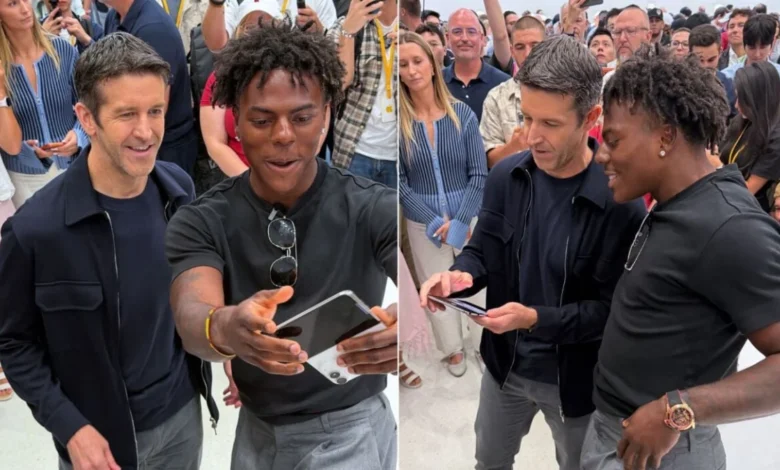
The most visible manifestation of this strategy occurred during the September 2026 iPhone launch event, where high-profile livestreamer IShowSpeed performed a stunt involving an iPhone Duo in front of CEO John Ternus. The clip generated millions of views, demonstrating that a single viral moment involving a creator can achieve a level of reach that traditional press coverage often struggles to replicate in the modern digital ecosystem.

The Broader Tech Industry Pivot
Apple is by no means an outlier. The "creator-first" approach is becoming standard operating procedure across the Silicon Valley spectrum. Samsung’s "Team Galaxy" initiative has long utilized a diverse roster of influencers to build brand loyalty, bringing nearly 150 creators from over 35 countries to San Francisco for its Galaxy S26 launch earlier this year. Similarly, Google and Microsoft have institutionalized the practice of hosting influencers at major events, covering all travel and logistics in exchange for high-engagement content.
For these companies, the calculus is straightforward. Traditional media outlets are trained to provide objective, often critical assessments of hardware and software. Creators, by contrast, are often viewed as partners in the brand experience. As industry analyst Jason Snell has noted, this shift allows companies to maintain greater control over their messaging. Influencers are more likely to echo promotional talking points, whereas journalists are structurally incentivized to probe for flaws or ethical concerns.
Data-Driven Marketing and the Trust Deficit
The shift is supported by compelling market research. According to data from Deloitte, approximately 70 percent of U.S. consumers who regularly engage with creators report that they follow the same individuals consistently. More significantly, roughly 60 percent of these consumers confirmed they had made a purchase in the last six months based primarily on a creator’s recommendation.
For companies grappling with skepticism—particularly those in the artificial intelligence sector—this level of trust is a commodity. Anthropic and OpenAI, two of the most prominent players in the generative AI space, have faced public pushback regarding the environmental and ethical implications of their technology. By utilizing creators to "humanize" their products, these firms are attempting to bridge the gap between complex, controversial technology and the average consumer.
OpenAI’s recent hiring of former Instagram executive Charles Porch as its first vice president of global creative partnerships marked a pivotal moment in this strategy. The company has since hosted creators at luxury retreats, such as the event at Wildflower Farms, featuring amenities like monogrammed pajamas and high-end dining. These events are designed to cultivate a community of supporters who view the technology through a lens of lifestyle integration rather than technical or ethical scrutiny.
The Ethical Complications of Influencer Partnerships
The move to integrate creators into corporate PR strategies has not been without controversy. In August 2026, when OpenAI hosted its Hudson Valley retreat, the backlash was swift. Social media users on platforms like X and Reddit questioned the optics of influencers promoting AI products—which rely on data centers that are often energy-intensive—in a "nature-filled" setting.

Critics pointed out the irony of the brand trip, with some users accusing the creators of being complicit in "greenwashing" or ignoring the potential labor displacements caused by AI. This highlights the inherent tension in the creator economy: the very attribute that makes a creator valuable—their authentic relationship with their audience—is also the thing most likely to be damaged if the audience perceives the partnership as cynical or tone-deaf.
However, creators face their own economic realities. For many, these partnerships provide significant financial stability. As career creator Megan Lieu revealed to CNBC, sponsorship deals can range from $5,000 to $30,000 per engagement. When faced with these figures, the decision to participate in a brand event is rarely purely ideological; it is a business decision. Some creators, such as Jack the Whipper, have famously turned down five-figure deals due to personal ethical concerns regarding the impact of generative AI, but such refusals remain the exception rather than the rule.
Analysis: The Future of Product Unveilings
The migration from press-heavy events to creator-centric showcases suggests that the definition of "news" in the technology sector is being redefined. In the past, the tech press functioned as the intermediary between the corporation and the public. Today, the corporation has effectively integrated the intermediary role into its own marketing apparatus.
By bypassing the press, companies like Apple avoid the "tough questions" that a journalist might ask about supply chains, privacy, or product longevity. Instead, they provide a curated experience where the product is demonstrated in the best possible light, framed by the personality of a creator the audience already trusts.
The implications for consumers are significant. While the information provided by creators is often highly visual and easy to digest, it lacks the rigor of independent review. As the lines between advertising and editorial content continue to blur, consumers are increasingly tasked with discerning the difference between a genuine product endorsement and a paid brand experience.
For the tech industry, the strategy is currently yielding high returns. By investing in relationships with the next generation of digital media moguls, companies are securing their influence over the cultural conversation. Whether this strategy will hold up under the long-term scrutiny of a public increasingly wary of AI and corporate consolidation remains to be seen. As the "Pro and Tell" event approaches, one thing is certain: the era of the exclusive press junket has faded, and the age of the creator-influencer partnership is firmly in control of the narrative.