The Evolution of Immersive Imaging: A Comprehensive Technical Analysis of the DJI Osmo 360 II

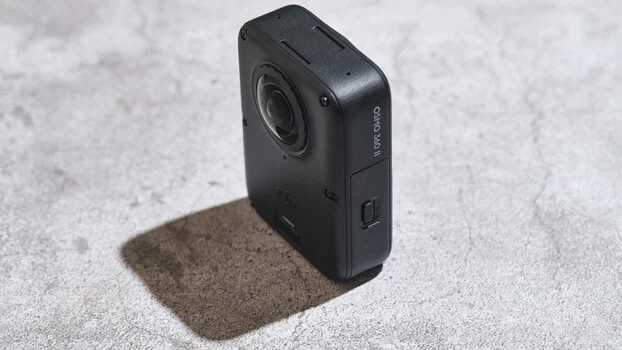
The release of the DJI Osmo 360 II marks a strategic pivot in the landscape of consumer-grade 360-degree cameras. While the first generation established a robust foundation for panoramic capture, the Mark II iteration serves as a case study in iterative engineering. Rather than pursuing radical hardware departures, DJI has focused on refining core image processing, thermal management, and user-centric ergonomics. This assessment explores the technical specifications, real-world utility, and broader implications of the device within the current creative ecosystem.
Architectural Continuity and Structural Refinements
At its core, the Osmo 360 II maintains the successful physical footprint of its predecessor, measuring 61 mm by 36.3 mm by 81 mm and weighing 183 grams. This design choice ensures cross-compatibility with the existing accessory ecosystem, a significant benefit for early adopters of the first-generation model. Despite these identical external dimensions, the chassis has undergone a subtle industrial overhaul. The incorporation of visible exterior screws suggests a focus on modular repairability, a growing trend in consumer electronics aimed at extending device lifespans and reducing e-waste.
A notable structural update is the introduction of a larger rear microphone grille, which serves the dual purpose of enhanced ambient audio capture and passive thermal dissipation. As high-resolution recording—particularly at 8K—generates substantial heat, this integration is critical for maintaining stable performance during extended sessions. Furthermore, the magnetic quick-release adapter has been re-engineered to be omnidirectional, removing the requirement for precise alignment and streamlining the mounting process in fast-paced production environments.
Power Management and Optical Advancements
The Osmo 360 II features an upgraded 2,150 mAh lithium-ion battery, an increase over the 1,950 mAh unit found in the Mark I. Despite the capacity jump, the physical footprint remains unchanged, allowing for up to 100 minutes of continuous 8K/30 fps capture. This optimization is crucial for long-form content creation, where battery swapping can interrupt workflows.
Optically, the device employs dual f/1.9 lenses with scratch-resistant glass. DJI has introduced a user-replaceable front element design, addressing one of the most common failure points in 360-degree cameras. By including an inner protective glass layer that remains sealed while the outer element is removed, the risk of sensor contamination is mitigated. While the addition of an extra layer of glass introduces potential for internal light flaring, the trade-off in field-serviceability is generally considered favorable for professional operators. The camera retains an IP68 rating, ensuring native waterproofing up to 10 meters, extendable to 50 meters with the optional housing.
Sensor Technology and Computational Imaging
The Osmo 360 II utilizes dual 1/1.1-inch square CMOS sensors, characterized by large 2.4 μm pixels. While the hardware specifications mirror the previous generation, the implementation of advanced computational algorithms has yielded a one-stop improvement in dynamic range, now reaching 14.5 stops. This enhancement is achieved through sophisticated exposure merging, which is particularly effective in high-contrast environments.
The inclusion of "Front and Back" metering represents a significant shift in exposure control. By synthesizing light data from both sensors, the camera provides more consistent exposure during transitions between varied lighting conditions, such as moving from direct sunlight into shaded areas. Furthermore, the AI-driven "SuperNight 2.0" mode pushes the usable ISO ceiling to 51,200, leveraging advanced noise reduction algorithms to maintain image integrity in extreme low-light scenarios.
Performance Benchmarks and Data Throughput
Video capabilities have been pushed to 8K/60 fps, supported by a bitrate of 220 Mbps for standard recording and up to 600 Mbps for 16K timelapse modes. The device also introduces 120-megapixel HDR 360-degree JPEGs and, for the first time in the series, DNG raw format support for 30-megapixel stills. This represents a substantial leap in professional flexibility, allowing for more granular control over white balance and shadow recovery in post-production.
However, the transition to a software-centric workflow is evident. The camera utilizes DJI’s proprietary Mimo app and Studio software for the majority of stitching and stabilization tasks. The introduction of the DJI Reframe plugin for DaVinci Resolve is a notable development, offering a more stable and professional-grade alternative to third-party stitching tools. This integration signals DJI’s intent to cater to professional editors who require a seamless pipeline from capture to final color grade.
Contextualizing the Market and Global Availability
The development of the Osmo 360 II occurred against a backdrop of increasing competition in the action-camera market, where manufacturers are shifting from simple hardware specifications toward ecosystem integration. DJI’s decision to prioritize 8K performance and advanced metering over sensor size increases reflects an industry-wide focus on "usable resolution"—the ability to capture and process data efficiently—rather than theoretical pixel counts.
In a statement regarding the exclusion of 5K single-lens mode, which was present in the previous iteration, DJI representatives noted: "With Osmo 360 II, we doubled down on what truly defines a 360 camera: the 360-degree experience itself. We dedicated the chip’s processing power to push the boundaries of 8K/60fps, stitching quality, and low-light imaging." This focus on the "360-degree experience" underscores a strategic choice to optimize the device for its primary intended use case rather than attempting to compete with dedicated wide-angle action cameras.
Implications and Future Outlook
The Osmo 360 II is priced at €589 for the Standard Combo and €739 for the Adventure Combo. A critical factor impacting the global rollout is the current regulatory landscape. As of the launch date, the product is not available in the United States market due to ongoing authorization applications. This reflects the complex regulatory environment surrounding consumer technology imports, particularly for high-bandwidth wireless devices.
From a technical standpoint, the device represents a mature approach to product development. By maintaining a familiar form factor while introducing meaningful software-driven features, DJI has minimized the learning curve for existing users while enhancing the value proposition for new adopters. The emphasis on AI-driven metering and refined color science indicates that the future of 360-degree capture lies not just in the lenses themselves, but in the computational processing that occurs behind the scenes.
In conclusion, the Osmo 360 II demonstrates a calculated refinement strategy. While it may not introduce a revolutionary hardware paradigm, its focus on operational efficiency, thermal management, and improved dynamic range addresses the most pressing concerns of modern content creators. The move toward a deeper integration with professional editing suites like DaVinci Resolve further cements the device’s position as a legitimate tool for production environments, moving the Osmo 360 series closer to the requirements of the high-end creator economy. As the industry continues to evolve, the ability to deliver high-fidelity, high-dynamic-range panoramic footage with minimal friction will likely remain the primary metric of success for manufacturers in this segment.
Related posts: