Why Are Markets Still Relevant: A Deep Dive into the Evolving Landscape of Animation Industry Networking

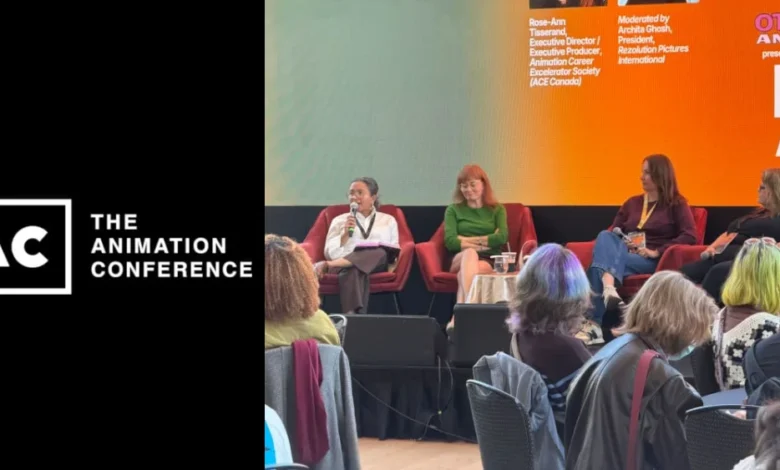
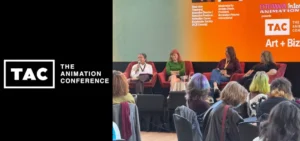
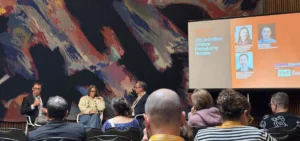
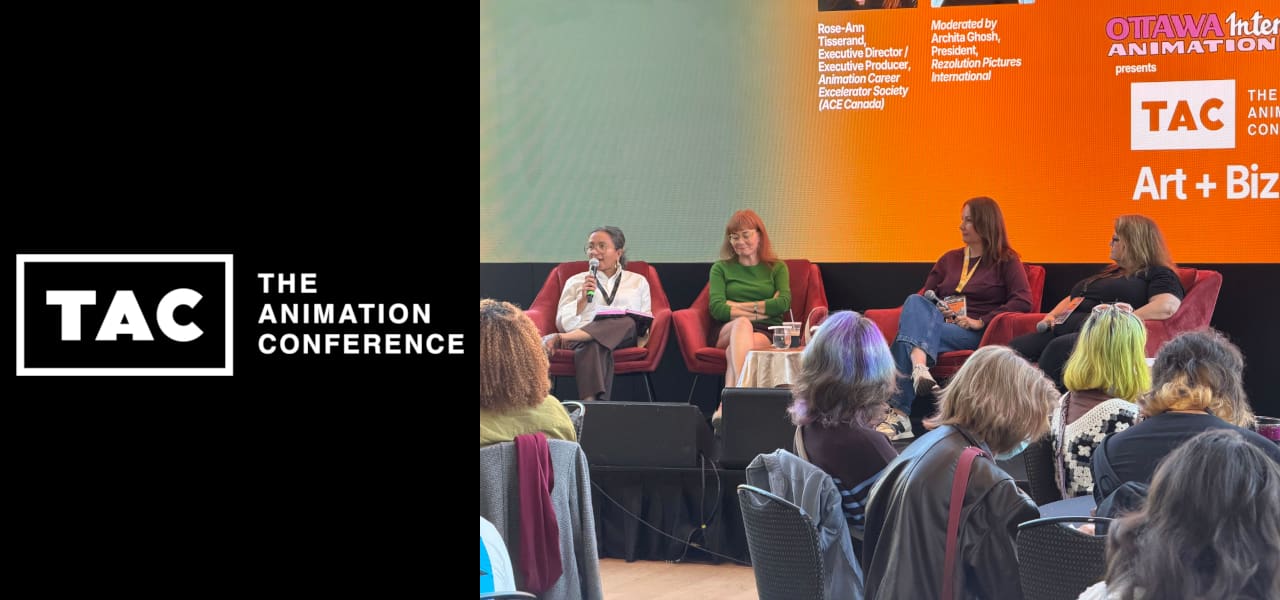
The landscape of professional animation markets has shifted dramatically over the past decade, moving away from the era of "on-the-spot" deal-making toward a model defined by long-term relationship cultivation and strategic patience. At the 2026 edition of the Ottawa International Animation Festival (OIAF), the industry’s premier gathering, a panel discussion hosted at The Animation Conference (TAC) titled "Why Are Markets Still Relevant?" sought to reconcile the high costs of attendance with the changing realities of modern professional development. The session, moderated by industry expert Archita Ghosh, featured insights from Brooke Keesling of ASIFA-Hollywood, Christine Huot of Mainframe Studios, and Rose-Ann Tisserand of ACE Canada, who collectively dismantled the myth of the "instant success" festival encounter.
The Shift from Transactional to Relational Networking
For decades, the standard narrative of an animation market—such as Annecy, MIFA, or Ottawa’s own TAC—involved a producer walking into a meeting, pitching a project, and walking out with a handshake agreement. However, as the industry has become more complex and decentralized, that model has largely evaporated.
Rose-Ann Tisserand of ACE Canada emphasized that the "game" has fundamentally changed. Ten years ago, the environment was arguably more transactional; today, it is a marathon. Tisserand suggests that the modern producer must approach these events not as a series of sales pitches, but as a long-term investment in human capital. The advice to "be curious, not transactional" serves as the new gold standard for industry professionals. When an attendee treats every encounter as a potential pitch, they risk alienating the very executives or creative partners they hope to impress. Instead, the focus has shifted toward building a network that can sustain a career over years, rather than securing a single contract in an afternoon.
Case Studies in Long-Term Connectivity
The validity of this long-term approach is supported by the anecdotal evidence provided by the panel. Christine Huot, representing the production perspective from Mainframe Studios, shared a poignant example of the "slow-burn" hiring process. In 2018, she met a director at a career fair in Ottawa. There was no immediate project, no budget, and no vacancy. Yet, they maintained a digital connection through LinkedIn, observing one another’s professional growth. It was not until 2023—five years after their initial introduction—that the timing aligned for a collaboration.
This chronology underscores a critical truth: the value of a market is not always realized within the 72 hours of the event. Brooke Keesling, a veteran of both the professional industry and the pedagogical side of animation through CalArts, reinforced this by noting that her own hiring decisions often trace back to initial meetings held years prior. For students and emerging artists, the pressure to "get hired" at a festival is often misplaced. The focus, according to Keesling, should remain on the quality of the work produced at home. Networking is not about manufacturing artificial connections; it is about finding genuine peers and mentors with whom one can grow alongside.
The Economic Threshold: Is Attendance Worth the Investment?
A significant portion of the discourse at TAC 2026 addressed the elephant in the room: the prohibitive cost of attending global animation markets. With registration fees, travel, accommodation, and per diems often totaling thousands of dollars, emerging creators with limited capital face a difficult decision.
When asked if an aspiring filmmaker with only $500 to their name should spend it on a market pass, the panel was cautious. Tisserand advised that if that sum represents an individual’s total financial safety net, the risk is likely too high. Markets are not silver bullets for success, and they should never be treated as a substitute for the fundamental work of creating art.
However, for those who choose to attend, the panelists offered several strategies to maximize ROI:
- Volunteering: Many festivals offer free or heavily discounted passes in exchange for volunteer labor. This is not only a cost-saving measure but also an excellent way to see the "behind the scenes" operations of an event.
- Digital Engagement: For those who cannot afford to travel, the panel suggested that the digital ecosystem is a viable alternative. Engaging with a festival’s social media content, following the participants, and initiating thoughtful conversations online can build a rapport that persists until a future in-person meeting becomes possible.
- Pre-Market Preparation: Attendees should arrive with a clear objective, a research-backed list of targets, and a well-maintained digital portfolio.
The Anatomy of a Successful Market Strategy
The work does not conclude when the festival lights dim. In fact, the post-event phase is where the "value" of the market is either captured or lost. The panelists outlined a best-practice protocol for follow-ups:
.png)
- The Immediate Follow-up: Within two weeks of the event, attendees should send a personalized message. The key is to be specific—remind the contact where the meeting took place and what was discussed. Generic "nice to meet you" emails are often discarded, but those that reference a specific creative idea or shared interest are memorable.
- Technological Aids: Simple tools can significantly improve memory. Huot recommended the use of LinkedIn QR codes to ensure a contact is logged immediately, while Tisserand maintains a practice of taking physical notes on the back of business cards.
- Sustainable Maintenance: Once the initial contact is established, the relationship should be maintained through relevant, infrequent updates. Whether it is a new project launch, an availability update, or a genuine comment on a peer’s recent success, these "reasons to reach out" keep the relationship warm without becoming a nuisance.
Analysis: The Changing Role of Industry Gatherings
The 2026 Ottawa session highlights a broader trend in the entertainment industry: the democratization of access via digital tools has made physical markets more exclusive in their function. If one can view a portfolio online, the primary purpose of a market is no longer to "show work," but to "build trust."
The animation industry, characterized by its reliance on collaborative teams and long-term project lifecycles, is inherently built on trust. When a producer or studio head hires someone, they are looking for reliability, artistic alignment, and chemistry—qualities that are difficult to verify through a screen. Therefore, while the cost of attendance remains high, the function of these markets has evolved from a transactional "trade show" into an essential "human relations hub."
Ultimately, the consensus from the TAC panel is clear: industry markets are still vital, but they must be navigated with a change in mindset. For the emerging creator, the message is one of balance. If the funds are available, attending is a strategic investment in long-term relationships, provided the attendee is prepared to play the "long game." If the funds are not available, the work itself remains the most potent networking tool. As Keesling poignantly stated, "Making work is the most important thing." In an era of digital saturation, the quality of one’s output remains the ultimate currency, and a market is merely the place where that currency is eventually exchanged for opportunity. As the industry moves toward 2027 and beyond, the ability to build, maintain, and respect professional relationships will likely remain the defining characteristic of those who find sustainable success in the animation field.
Related posts: