Unlocking Business Value: Key Insights and Strategies from Sprout Social’s Inaugural Social Intelligence Summit


Corporate decision-making has historically relied on lagging indicators, quarterly financial reports, and deliberate focus groups. However, the modern digital ecosystem operates on a vastly accelerated timeline, generating millions of unprompted consumer data points every single day. Recognizing this paradigm shift, Sprout Social hosted its inaugural Social Intelligence Summit, convening industry leaders, data scientists, and marketing executives to discuss how organizations can successfully extract actionable intelligence from everyday social media channels and integrate those insights across entire enterprises.
The primary thesis of the summit addressed a persistent challenge within modern corporations: dismantling the traditional marketing silo. When social data remains confined to a single department, organizations miss critical opportunities to innovate products, refine customer service pipelines, and shape broader business strategy. Through a series of high-level keynote presentations and panel discussions, speakers explored the exact methodologies required to spot early cultural signals, secure cross-departmental buy-in, and execute agile campaigns that resonate with today’s digitally native consumers.
The Cost of Hesitation: Current Realities in Social Listening
To contextualize the urgency of real-time responsiveness, industry analysts frequently point to the widening gap between data availability and operational execution. According to data highlighted during the event from Sprout Social’s Social Intelligence Report, a stark disconnect plagues modern enterprises: a mere 10% of brands possess the operational agility required to act on a social insight within hours. Conversely, an overwhelming 86% of organizations report missed strategic opportunities due to delayed insights or entrenched departmental silos.
This friction often stems from internal bureaucracy—such as prolonged approval cycles involving brand managers, legal counsel, and executive leadership—which can stretch days or weeks. By the time a traditional corporate hierarchy clears a social-led initiative, the cultural moment has typically vanished. The summit’s speakers emphasized that bridging this gap requires structured frameworks, pre-approved brand guidelines, and designated decision-makers empowered to move at the speed of internet culture.
Keynote Analysis: Translating Real-Time Signals into Mid-Funnel Action
Jay Schwedelson, founder of SubjectLine.com and CEO of Guru Media Hub, delivered the opening keynote address with a blunt directive for marketing professionals: stop guessing and start leveraging existing data. Operating approximately 40,000 campaigns annually, Schwedelson argued that consumers and competitors’ customers are continuously broadcasting their preferences, pain points, and unmet needs.

Schwedelson outlined a tactical approach centered on competitor analysis. By auditing the previous 90 days of consumer commentary across three key competitors and categorizing the feedback into operational buckets—such as pricing structures, product failures, and missing features—brands can identify vulnerabilities. The subsequent step involves developing comparative messaging that highlights how the brand’s product directly resolves those specific pain points. Notably, direct naming of competitors is often unnecessary; precise research ensures that target audiences immediately recognize the distinction. Because the individuals engaging with this content are frequently existing customers or active prospects, this strategy effectively bridges mid-funnel and lower-funnel marketing objectives. Furthermore, publishing these comparisons on official corporate websites can enhance visibility within AI-driven search engines, amplifying the overall impact.
Addressing the dimension of timing, Schwedelson noted that platform algorithms frequently favor early adopters of newly released features, granting early movers a distinct visibility advantage. This principle extends directly to cultural phenomena. Brands that integrate themselves into a viral moment within the initial 48 hours establish cultural relevance, whereas delayed participation often yields diminishing returns or renders the brand appear obsolete. To combat internal delays, Schwedelson advocated for a formal trend-to-campaign playbook equipped with pre-established guardrails.
Spotting Cultural Shifts Versus Fleeting Trends
Distinguishing enduring cultural shifts from temporary viral novelties remains a perennial hurdle for global social teams. This challenge served as the focal point for the summit’s first panel, moderated by Cat Anderson, Director of International Marketing at Sprout Social, alongside Josh Rangel, Senior Director of Social Strategy at Ogilvy, and Tulani André, VP of Social Content and Creator at Zalando.
Addressing the panelists, André suggested that strict adherence to speed is secondary to contextual alignment. While short-lived trends can yield high engagement, the critical determinant is whether the trend genuinely aligns with the brand’s core identity, long-term goals, and brand voice. If a brand cannot identify an authentic on-ramp within 24 hours, the trend is likely misaligned.
Rangel reinforced the necessity of operational frameworks, recommending a standardized evaluation checklist to assess relevance, execution speed, and messaging clarity. He noted that passing on an unsuitable trend carries minimal risk, given the constant stream of emerging digital moments. To mitigate approval bottlenecks, Rangel advised proactive education of legal and leadership teams regarding the measurable benefits of trend participation, translating social impact into executive-friendly metrics such as brand sentiment and top-of-mind awareness.
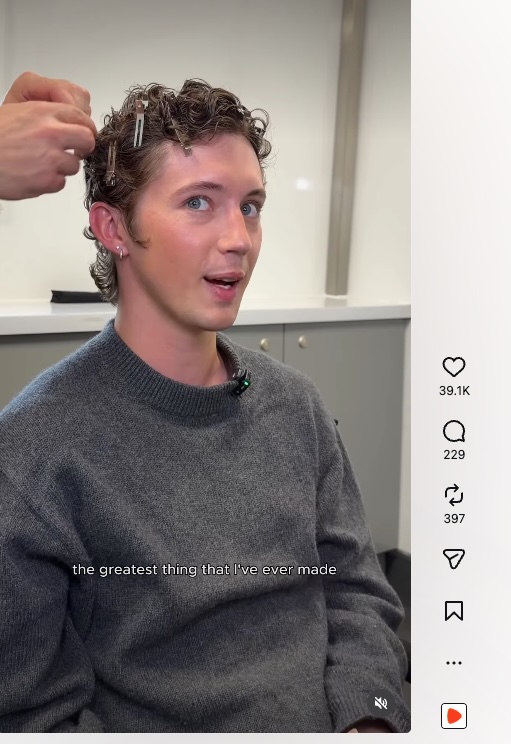
Demonstrating the value of structural readiness, André highlighted an operational example where her team deployed social managers to Scotland with just two days’ notice to capture behind-the-scenes content on the set of a Troye Sivan music video. This agility was made possible by pre-existing content franchises and absolute operational trust. Additionally, Rangel underscored the tangible business outcomes of robust social listening, citing historical examples where unsolicited consumer complaints regarding stale cereal on social media directly catalyzed product innovations, such as the collaborative development of specialized packaging solutions between major brands.
Bridging the Gap: Transforming Social Data into Cross-Functional Strategy
The second panel tackled the mechanics of elevating social insights beyond vanity metrics and positioning them as critical inputs for broader enterprise strategy. Moderated by Ben Nicholson, Content Manager at Sprout Social, the panel featured Curtis Midkiff, Director of Social Media Marketing at Sprout Social; Paige Walker, Manager of Foresight, Consumer and Market Signals at The Hershey Company; and Bianca Shaw, a digital and social strategy advisor specializing in the hospitality sector.
A central theme of the discussion involved validating whether a digital signal warrants institutional action. Walker explained that she evaluates trends by observing cross-network and cross-demographic diffusion. When a trend permeates demographics typically isolated from fast-moving digital subcultures, it signals mainstream viability. Shaw echoed this sentiment, emphasizing the importance of analyzing volume alongside velocity and sentiment, while monitoring influential voices whose authority outweighs raw engagement numbers.
To secure executive buy-in, Walker and Shaw recommended translating complex social metrics into the native language of respective stakeholders—focusing explicitly on commercial risk, market opportunity, and broader business objectives while eliminating specialized marketing jargon. Furthermore, Walker advocated for the "data sandwich" approach, wherein social insights are contextualized alongside search analytics, primary market research, and hard sales data. This evidentiary framework directly influenced strategic decisions at Hershey, such as a limited-run release of 10,000 Dubai-inspired chocolate bars in December 2025 to capitalize on verified digital demand.
Midkiff characterized social media data as an unfiltered, real-time focus group unique to the social discipline. He encouraged practitioners to insert themselves directly into operational environments where business decisions occur—such as integrating social insights into product team Slack channels and aligning social monitoring with the overarching inquiries of the enterprise. For leaner marketing organizations, Walker suggested leveraging human-supervised artificial intelligence to accelerate data processing, supplemented by deliberate cross-departmental outreach to demonstrate the commercial utility of social listening.
Borrowed Trust: The Ascendancy of Creators and Employee Advocacy
The final panel explored the shifting dynamics of consumer trust, contrasting traditional brand messaging with creator-led and employee-generated content. Moderated by Lia Haberman, founder of the ICYMI newsletter, the session featured Ari Berkowitz, Head of Creator Solutions at PMG; Brandon Smithwrick, founder of Content to Commas and Creator in Residence at Sprout Social; and Cory Weaver, Head of Creator Marketing at Gap Inc.
Drawing from Sprout Social’s 2026 Influencer Marketing Report, Haberman highlighted that traditional follower counts influence a mere 17% of consumers today. Over 80% of surveyed consumers express a preference for influencers who have a genuine history of product usage, and 40% report discovering new products through employee-generated content on a monthly basis.

Industry practices are actively adapting to these consumer preferences. Berkowitz noted a structural shift away from one-off transactional influencer agreements toward enduring partnerships that validate authenticity. He described a "K-shaped" creator economy characterized by robust capital allocation toward niche, micro-influencers and top-tier talent, accompanied by a contraction in the middle tier. Weaver noted that Gap employs a structured nine-tier creator matrix, allowing talent flexibility based on campaign objectives.
Regarding employee advocacy, Smithwrick emphasized the importance of lowering barriers to participation by providing pre-approved assets, clear copywriting, and structured incentive programs. Importantly, he advised establishing formal creator partnerships prior to soliciting employee posts, ensuring internal staff do not feel exploited as unpaid marketing instruments. Weaver added that early alignment with legal and compliance departments is essential when incentivizing internal teams, provided employees are empowered to communicate authentically within established corporate boundaries.
Broader Implications and Strategic Outlook
As digital ecosystems continue to mature, the fundamental challenge facing corporate communicators is no longer a scarcity of data, but rather the internal capacity to translate abundant digital signals into coherent, cross-functional business intelligence. Sprout Social’s inaugural summit underscored a definitive truth: modern brand resilience depends on an organization’s ability to listen proactively, eliminate institutional silos, and align marketing execution with the broader strategic objectives of the enterprise. By establishing rigorous verification frameworks, fostering trust across departments, and honoring the authentic voices of consumers, creators, and employees, forward-thinking organizations can successfully convert ephemeral digital moments into sustained commercial advantage.