The Evolution of Personal Branding: How Professionals are Turning Public Perception Into Career Capital


The modern professional landscape has fundamentally shifted, rendering the traditional resume little more than a baseline requirement. Across industries, mentors, recruiters, and career development specialists increasingly emphasize the critical necessity of cultivating a deliberate personal brand. In an era where digital footprints precede professional introductions, individuals are realizing that public perception is formed with or without active management. Consequently, strategic personal branding has transitioned from a vanity exercise utilized strictly by celebrities and public figures into an essential instrument for founders, marketers, job seekers, and corporate employees aiming to navigate an increasingly crowded global marketplace.
Historical Context and Evolution of the Concept
The theoretical foundation of personal branding is not entirely a product of the social media age. Management writer and visionary Tom Peters first popularized the paradigm in a landmark 1997 essay published in Fast Company titled "The Brand Called You." Peters argued that individuals must view themselves in the same manner as major commercial enterprises, actively identifying and projecting distinct attributes that differentiate them from competitors.
For decades, however, executing this philosophy remained difficult for the average professional due to restricted access to mass communication channels. The advent and democratization of social media platforms fundamentally altered this dynamic. Over the past fifteen years, the proliferation of networks such as LinkedIn, X, Instagram, and specialized blogging platforms gave anyone with a smartphone the infrastructure to broadcast expertise, establish authority, and cultivate a distinct professional reputation on a global scale.
Corporate Branding Versus Personal Branding
Understanding the mechanics of personal branding requires examining its parallels and divergences from traditional corporate branding. While corporate branding focuses on building equity around a company, product, or service managed collectively by marketing and leadership teams, personal branding centers entirely on the individual.
Corporate branding typically relies on a standardized, institutionally governed voice shaped by strict style guidelines to drive awareness, customers, and revenue. Conversely, personal branding operates primarily in the first person. It is driven directly by individual experiences, nuanced opinions, and unique perspectives. Yet, the core objective remains structurally similar: building enduring trust, fostering influence, and generating tangible opportunities. Whereas corporate branding lives across commercial social accounts, paid advertisements, and product packaging, personal branding resides on individual social profiles, personal newsletters, public speaking engagements, and independent professional portfolios.
The Strategic Importance in a Content-Driven Economy
The modern impetus for personal branding is amplified by the sheer volume of content circulating daily. In contemporary digital ecosystems, professionals across nearly all sectors function effectively as content creators. Whether an individual is a software engineer, a clinical nurse, or a small business owner, visibility requires cutting through continuous noise.

Audience attention spans are finite, making differentiation vital. According to recent market research, including findings from the 2025 Sprout Social Index, modern audiences prioritize authenticity and relatability among the most critical attributes of compelling content. In an employment and consumer market where institutional messaging can frequently appear homogenized or overly manufactured, an individual’s genuine voice provides a distinct competitive advantage. No competitor can replicate a specific professional’s firsthand experiences, unique industry insights, or lived career challenges.
Furthermore, empirical data underscores the tangible business outcomes associated with visible thought leadership. The 2025 Edelman-LinkedIn B2B Thought Leadership Impact Report highlights that consistent thought leadership builds institutional trust and generates commercial opportunities far more effectively than traditional advertising and conventional sales methodologies. Professionals who articulate their expertise using an authentic voice consistently position themselves as primary authorities that buyers and collaborators seek out proactively.
A Seven-Step Framework for Strategic Brand Development
Establishing a credible and sustainable personal brand requires a deliberate, methodical approach rather than erratic posting habits. Industry strategists recommend a structured framework to transition from passive visibility to active influence.
-
Conducting an Initial Brand Audit
Building a brand inherently presents a classic dilemma: establishing recognition requires an audience, yet attracting an audience requires an established brand identity. Professionals must begin by evaluating their current standing. This involves assessing existing digital footprints, reviewing public profiles, and gathering constructive feedback from colleagues and peers to identify any discrepancies between current public perception and desired professional positioning. Experts advise selecting a single primary platform initially to avoid spreading resources too thin. -
Defining the Target Audience and Platform Selection
A personal brand cannot effectively target every demographic. Success relies on identifying a specific niche and deploying efforts where that target audience actively congregates. B2B professionals and executives typically find maximum utility on LinkedIn, whereas visual creators lean toward Instagram or YouTube. Real-time industry commentary thrives on X, while long-form thought leadership and deeply analytical essays frequently find a home on Substack or dedicated newsletters. -
Delivering Consistent, High-Value Content
Clout and follower counts are rarely accumulated by chance. Sustainable growth is driven by the consistent delivery of unique value. This value manifests in various forms, including original industry research, actionable problem-solving frameworks, curated resource guides, or transparent accounts of professional failures and lessons learned. Data from recent influencer marketing studies demonstrates that contemporary audiences prioritize subject relevance and content utility over raw follower counts. -
Maintaining Consistency and Operational Efficiency
Creating value represents only half the equation; maintaining publishing cadence ensures long-term retention. Irregular posting schedules cause digital assets to stagnate. To manage multi-platform publishing effectively without experiencing severe operational friction, many modern professionals utilize advanced social media management and scheduling tools. These applications enable centralized publishing and cross-platform distribution, significantly reducing the administrative overhead associated with maintaining an active digital presence. -
Prioritizing Trust, Authenticity, and Relatability
An effective personal brand does not necessitate a larger-than-life personality. Introverted or analytical professionals build highly successful brands by focusing on clarity, reliability, and practical utility. Evaluating content against strict standards—ensuring that every post educates, entertains, or inspires—helps maintain consistent quality and alignment with overarching career goals. -
Measuring Performance and Iterating
Strategic personal branding requires continuous refinement. Professionals must routinely analyze performance metrics—such as profile visits, engagement rates, and inbound collaboration inquiries—to determine which content formats resonate most effectively. Utilizing social listening tools enables individuals to monitor broader industry conversations and tracking mentions of their name or specialized niche across public networks.
-
Mitigating Brand Burnout
Because personal branding is a long-term professional investment, pacing is essential. Professionals are advised to batch-create content, establish realistic publishing cadences, and draw clear boundaries between professional visibility and personal life to ensure longevity and sustained enthusiasm.
Organizational Impact: The Rise of Employee Advocacy
The utility of personal brands extends well beyond individual career advancement. Modern enterprises increasingly recognize that when employees and corporate executives cultivate credible, independent voices on social media, the overarching organization gains unprecedented reach and institutional trust.
Recent industry data indicates that a significant percentage of consumers discover new products and services through employee-generated content on a monthly basis. Furthermore, audiences frequently perceive frontline workers and individual employees as substantially more authentic than heavily curated, official corporate accounts.
Forward-thinking organizations have begun formalizing this dynamic through structured employee advocacy programs. For example, enterprise software firm Infor successfully deployed an internal advocacy initiative that onboarded 1,500 employees rapidly, generating measurable earned media value within its first month of operation. These programs demonstrate that individual personal brands, when aligned constructively with corporate values, serve as powerful catalysts for broader organizational growth and market credibility.
Broader Implications and Future Outlook
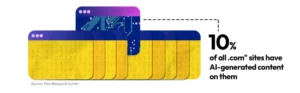
As artificial intelligence and automated content generation continue to flood digital channels with generalized material, the premium on genuine, human-centric expertise will only increase. Personal branding is no longer an optional extracurricular activity for ambitious executives; it is rapidly becoming the primary ledger of professional reputation and intellectual capital.
For professionals willing to invest the requisite time and strategic thought into defining their unique value proposition, the modern digital economy offers unprecedented agency. By transforming passive public perception into an active, managed asset, individuals can successfully insulate their careers against economic volatility, unlock high-value collaborative opportunities, and secure long-term professional resilience.