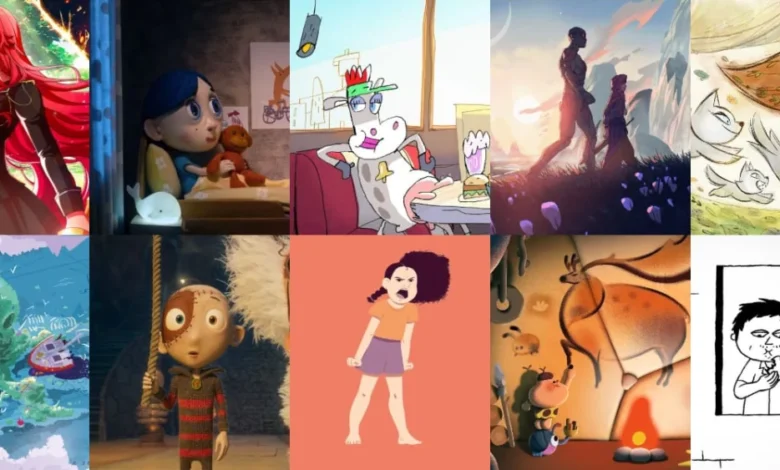
The annual Cartoon Forum in Toulouse, France, serves as the premier nexus for the European animation industry, acting as the primary marketplace for television animation development. As the 2026 edition commences, the industry finds itself at a significant crossroads, balancing the lingering effects of the post-streaming contraction with an influx of fresh, creator-driven intellectual property. This year’s selection of projects represents a pivot toward high-concept storytelling, literary adaptations, and sophisticated animation techniques designed to capture both the global market and the increasingly discerning tastes of younger demographics.
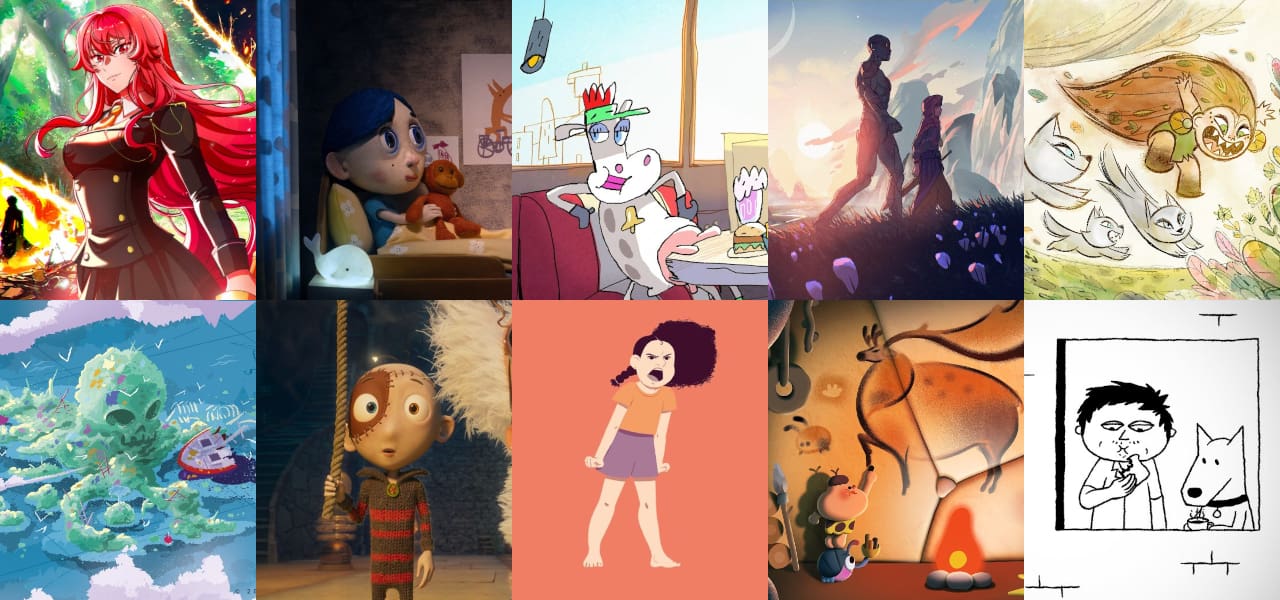
The Landscape of European Animation in 2026
The European animation sector has undergone a period of intense structural adjustment over the last 24 months. Following the rapid expansion and subsequent withdrawal of major U.S.-based streaming platforms from European co-productions, studios are now looking to diversify their funding models. Cartoon Forum remains the barometer for this transition. With hundreds of producers, broadcasters, and investors converging on Toulouse, the event serves as a critical validation point for studios that have pivoted away from reliance on singular streaming deals toward traditional co-production partnerships and public funding support.
Data from the European Audiovisual Observatory suggests that while the volume of overall production has stabilized, the average budget per series has seen a moderate increase, driven by a focus on "premium" animated content. This year’s lineup reflects that trend: projects are increasingly emphasizing high-quality character design and unique visual identities, moving away from the cost-cutting measures that dominated the 2023–2024 period.
.png)
Spotlight on Notable Developments
The ten projects highlighted this year offer a cross-section of current industry trends, ranging from adaptations of established webcomics to experimental series aimed at adult audiences.
1. Adonis
Brain Comet is spearheading an ambitious adaptation of the popular Webtoon Reminiscence Adonis. By tapping into the "reincarnation and political intrigue" genre that has proven highly successful in Asian markets, the studio is signaling a move to capture the teen demographic. Industry insiders note that Webtoon-to-screen pipelines have become a priority for major distributors, as these properties arrive with built-in, pre-validated fanbases.
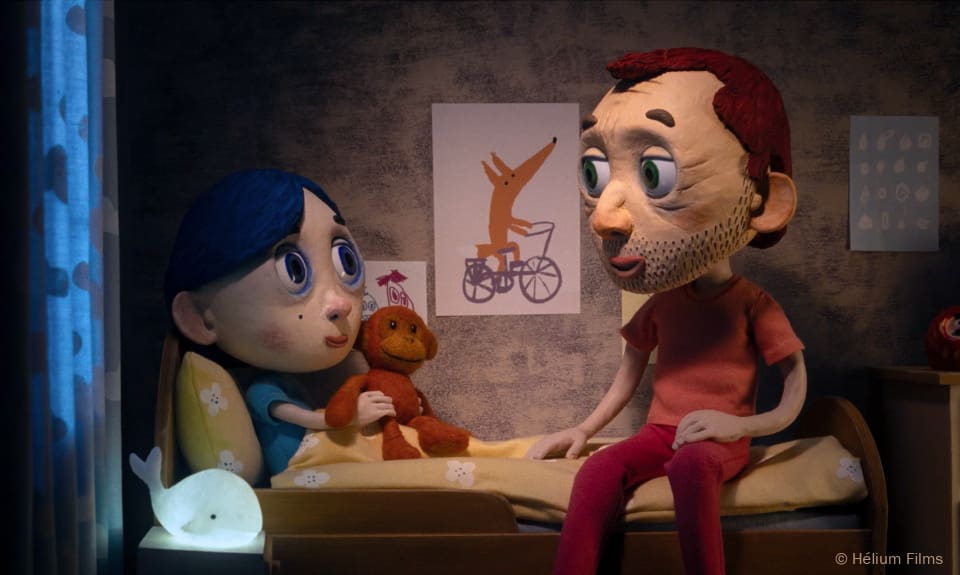
2. Banane Has Questions
The involvement of director Claude Barras—best known for the Academy Award-nominated My Life as a Zucchini—lends this project immediate critical weight. Produced by Haut et Court and Hélium Films, Banane Has Questions utilizes a philosophical premise to tackle existential inquiries for a younger audience. This project serves as a case study in how European studios are leveraging established auteur talent to secure international distribution.
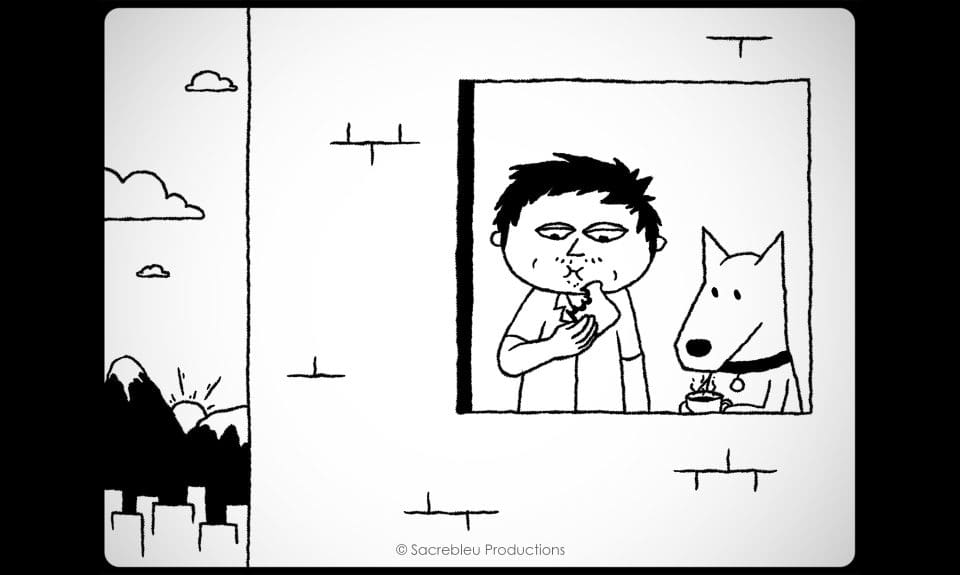
3. Dog and I
Sacrebleu Productions, a powerhouse of the French indie scene, is presenting this adult-oriented comedy. Created by Guy Charnaux, the series adopts a surrealist approach to storytelling. In a market often saturated with formulaic sitcoms, Dog and I represents a risk-heavy, high-reward creative strategy, aiming to differentiate itself through non-linear humor and distinctive visual pacing.

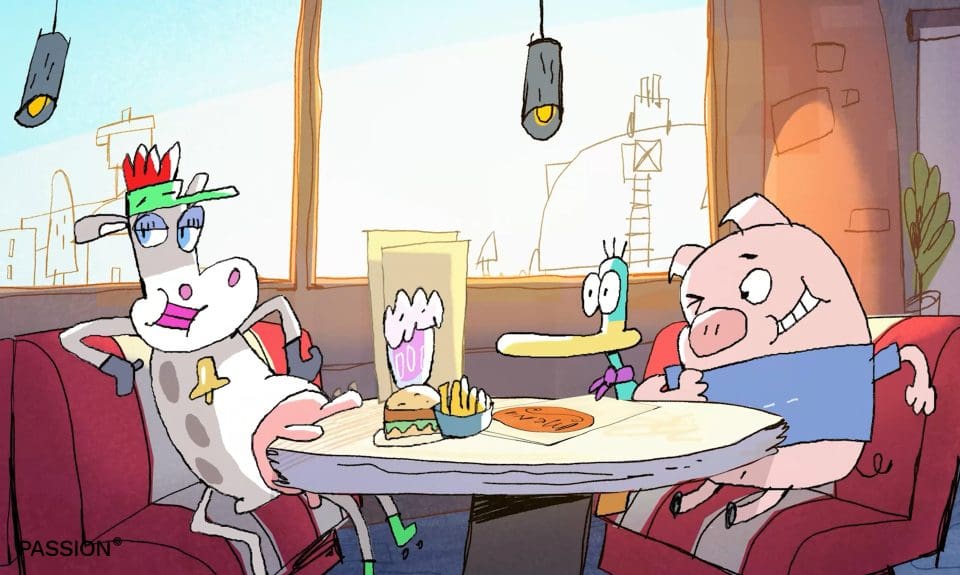
4. Free Range
In an era where celebrity voice talent is often used to secure distribution, Free Range utilizes the high-profile involvement of Simon Pegg and Nick Frost. Adapting the literary source material The Unbelievable Top Secret Diary of Pig, Passion Pictures is positioning this series as a bridge between adult-aimed humor and the tween market. Its success will likely hinge on the studio’s ability to maintain the "anarchic" tone of the source material within the constraints of children’s television.
5. Jasmine
This project, produced by TeamTO, is particularly significant due to its subject matter. By exploring themes of trauma and resilience through a fantasy lens, Jasmine reflects a broader industry trend toward "socially conscious" animation. Following the studio’s recent change in ownership, the project is viewed as a litmus test for the company’s ability to maintain its prestige status in a competitive post-contraction market.
6. Mebh and the Wolf Pups
Cartoon Saloon continues to expand its acclaimed Wolfwalkers universe. By shifting the focus to a preschool-aged audience, the studio is attempting to capitalize on the intellectual property’s established visual identity while broadening its commercial reach. The challenge for the studio will be preserving the intricate, hand-drawn aesthetic of the original feature film within the accelerated production schedules required for a 52-episode series.
7. Plasticland
Dwarf Entertainment’s Plasticland addresses environmental themes, a recurring motif in recent European animation. By turning the global issue of ocean pollution into a narrative device for adventure and comedy, the producers are aiming for the "purpose-driven" content segment, which remains highly sought after by public broadcasters across Europe.
8. Stitch Head
Returning to the world of Guy Bass’s books, Stitch Head aims to build upon the momentum of its feature-film predecessor. With production handled by Gringo Films and Fabrique d’Images, the series is expected to emphasize the gothic, character-driven elements that have made the source material a staple in children’s literature.
9. The Roots of My Hair
Gao Shan Pictures is adapting Lou Lubie’s Racines, an exploration of cultural identity and beauty standards. This project is a clear example of the industry’s increasing focus on inclusive storytelling. By centering the narrative on the emotional and social implications of Black hair, the series is positioned to resonate with contemporary conversations regarding representation in media.
10. Toco Toco
Xilam’s Toco Toco utilizes a classic "discovery" narrative, pairing an impulsive protagonist with a cautious sidekick. This project is aimed at international syndication, relying on a visual-first storytelling approach that transcends linguistic barriers—a key strategy for European studios looking to export content to the global market.
Strategic Implications and Industry Outlook
The projects at Cartoon Forum 2026 underscore a move toward structural stability. In the aftermath of the 2025 market adjustments, where several high-profile streamer deals collapsed, production companies are prioritizing projects with "evergreen" potential. The shift toward intellectual property that can function across multiple platforms—including publishing, merchandise, and digital media—is the primary focus for developers.
Furthermore, the emphasis on auteur-driven projects (such as those involving Claude Barras) suggests that the European industry continues to distinguish itself from U.S. competitors by leaning into artistic specificity. While the market remains challenging due to inflation and rising production costs, the caliber of talent present in Toulouse suggests that the sector is entering a period of qualitative, rather than quantitative, growth.
Conclusion
As the Forum continues, the primary metric for success will be the number of "letters of intent" signed between producers and regional broadcasters. While the days of massive, blanket-coverage streaming acquisitions may have waned, the resilience of these ten projects suggests that European animation remains a vital, evolving force in the global creative economy. The coming days will determine which of these concepts will transition from the pitch stage to the production pipeline, ultimately defining the visual landscape of international television for the 2027–2028 broadcast seasons.