How Grace Slick and Jefferson Airplane Crafted White Rabbit, the Psychedelic Era’s Defining Anthem

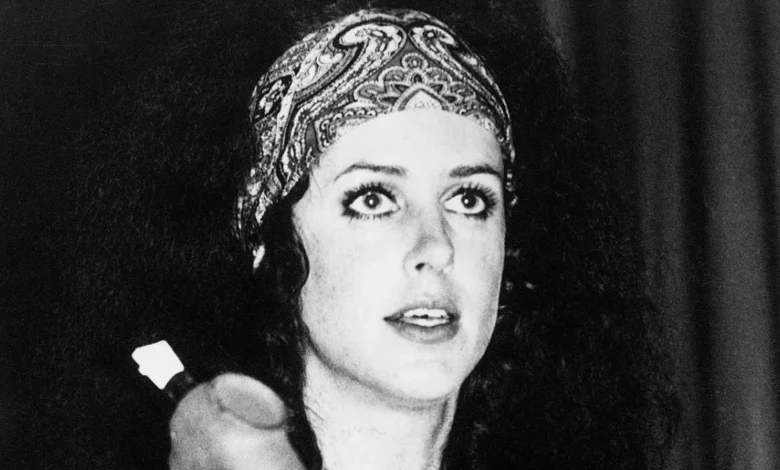
The intersection of classic literature and 1960s counterculture produced some of the most enduring artistic works of the twentieth century. While J.R.R. Tolkien served as the primary literary architect for the burgeoning progressive rock movement, Lewis Carroll held an equally powerful sway over the psychedelic era. Nowhere was this influence more pronounced than in the genesis of Jefferson Airplane’s timeless masterpiece, "White Rabbit." Released as a single in 1967, the track ascended to number eight on the Billboard Hot 100 chart, achieving mainstream commercial success despite its unconventional structure and countercultural themes.
Penned by vocalist Grace Slick in early 1966 while she was a member of her previous band, The Great Society, "White Rabbit" challenged the boundaries of popular music. Constructed around a haunting Spanish bolero rhythm and devoid of a traditional verse-chorus structure, the song builds relentlessly toward a soaring, defiant crescendo. Its lyrics overtly reference hallucinogenic experiences, invoking pills, mushrooms, and "hookah-smoking caterpillars," before culminating in the famous exhortation to "feed your head." The song’s ability to bypass broadcast censorship and achieve widespread radio and television exposure remains a remarkable historical footnote of the era’s shifting social landscape.
The Literary and Musical Roots of a Psychedelic Masterpiece
The conceptual foundation of "White Rabbit" was deeply rooted in Lewis Carroll’s twin masterpieces, Alice’s Adventures in Wonderland and Through the Looking-Glass. Slick drew a direct parallel between the fantastic transformations experienced by Alice and the altered states produced by psychedelic substances. In Carroll’s narrative, objects consumed by the protagonist dictate her physical dimensions—causing her to grow or shrink—metaphors that resonated profoundly with a generation exploring the outer limits of consciousness.
Slick also observed that many classic children’s stories contained subtle pharmacological subtexts long before the counterculture embraced them. She frequently pointed to Peter Pan, where characters utilize fairy dust to achieve flight, and The Wonderful Wizard of Oz, where Dorothy and her companions succumb to a deep slumber after traversing a field of opium poppies.
Musically, the composition was shaped by an unlikely convergence of domestic limitations and avant-garde inspiration. Working on an upright piano purchased for eighty dollars at a San Francisco warehouse—an instrument coated in layers of bright red paint and missing approximately ten upper-register keys—Slick arranged the track in F-sharp minor. She deliberately chose the minor key for its inherent gravity and melancholy.
The distinctly Spanish cadence of the song stemmed from Slick’s intense obsession with Miles Davis’s 1960 landmark album, Sketches of Spain, which she frequently listened to while under the influence of LSD. When the composition transitions to its chorus—highlighted by the iconic lines imploring listeners to "Go ask Alice, when she’s ten feet tall"—Slick shifts purposefully to major chords. This musical transition provided a sense of emotional release and served as a tribute to Alice’s resilience in navigating a disorienting, hallucinogenic world entirely on her own terms, devoid of a traditional rescue narrative.
Chronology of an Era: From The Great Society to Jefferson Airplane
The journey of "White Rabbit" from a nascent home demo to a national chart success spans a critical eighteen-month window during the height of the San Francisco music scene.
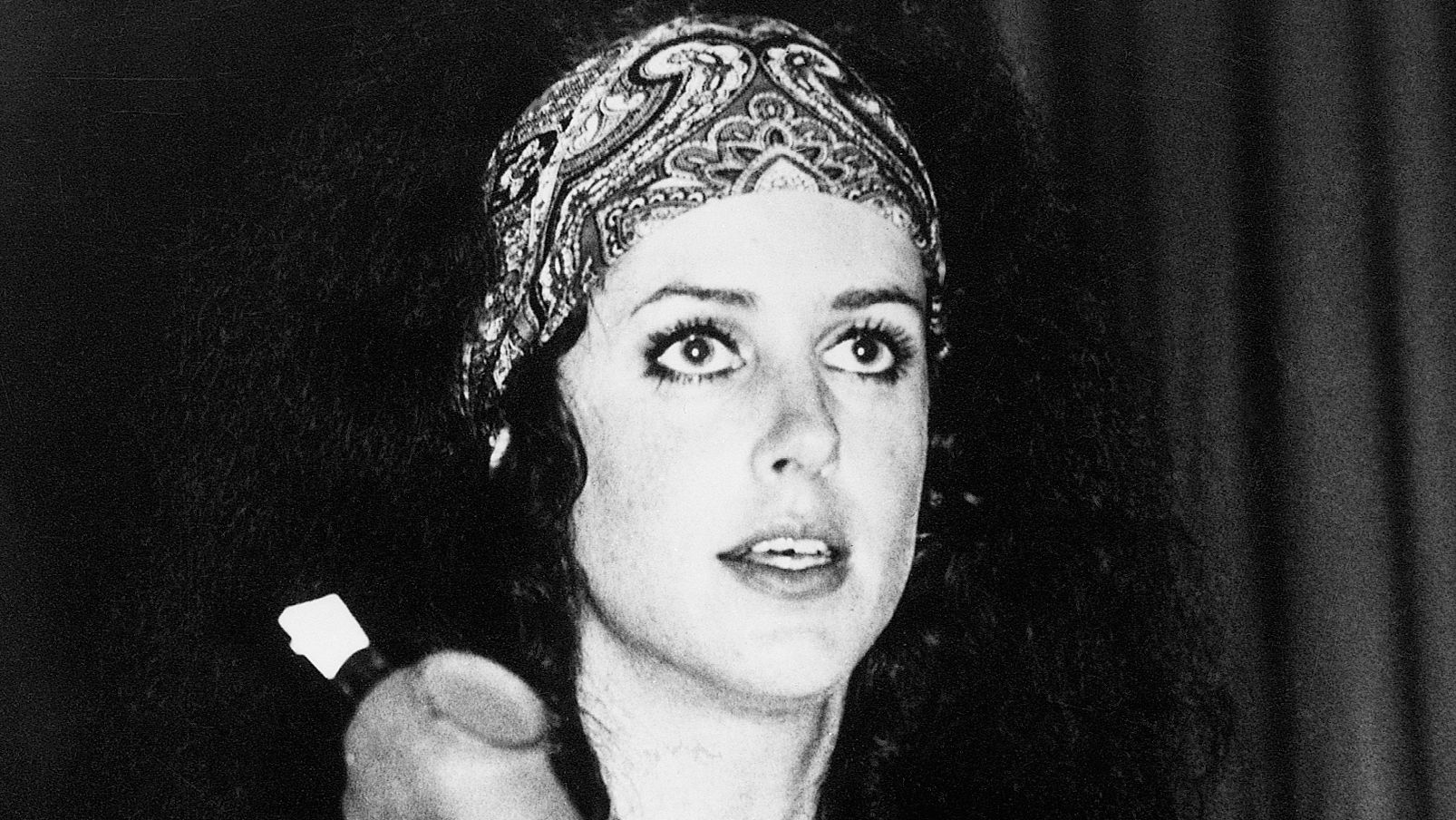
In early 1966, Slick wrote the song in her living room while her husband was away. At the time, she was performing with her first band, The Great Society. During media interviews promoting the group, Slick openly voiced her support for marijuana and LSD. These public statements eventually reached her conservative parents, causing domestic friction. Slick later reflected that her generation’s elders routinely criticized youthful experimentation while casually consuming scotch, remaining entirely oblivious to the drug subtexts embedded in the classic literature of their own youth.
By the summer of 1966, internal tensions led to the dissolution of The Great Society. A troubled recording session with producer Sylvester Stewart—who would later achieve fame as Sly Stone—ended in frustration when Stewart abruptly walked out. As the band fragmented, members began exploring alternative pursuits.
Simultaneously, Jefferson Airplane found themselves in need of a new vocalist following the departure of Signe Toly Anderson, who left the group to raise her newborn child. Bassist Jack Casady and the rest of the band had taken note of Slick’s commanding stage presence, observing how she walked to the edge of the platform to engage audiences directly—a performance dynamic typically reserved for male frontmen.
Slick officially joined Jefferson Airplane in the autumn of 1966, bringing with her two compositions: "White Rabbit" and a Great Society B-side originally titled "Someone To Love," which was subsequently renamed "Somebody To Love." During her initial rehearsals, she taught the complex F-sharp minor chord structure of "White Rabbit" to lead guitarist Jorma Kaukonen and bassist Jack Casady. Despite the intricate fingering required, the musicians adapted swiftly.
Studio Production and the Recording of Surrealistic Pillow
Just two weeks after Slick’s integration into the lineup, Jefferson Airplane entered RCA Victor Studios in Hollywood to record their sophomore studio album, Surrealistic Pillow.
The recording session for "White Rabbit" took place in November 1966 inside a massive tracking room at the RCA facility on Sunset Boulevard and Ivar Avenue, a space historically utilized by large orchestral ensembles like One Hundred And Strings. The band set up their instruments directly in the center of the expansive room and recorded the track live onto a four-track machine. Jack Casady anchored the arrangement with a hypnotic bassline heavily inspired by Maurice Ravel’s Bolero, establishing the slow, atmospheric tension that defined the song’s opening movement.
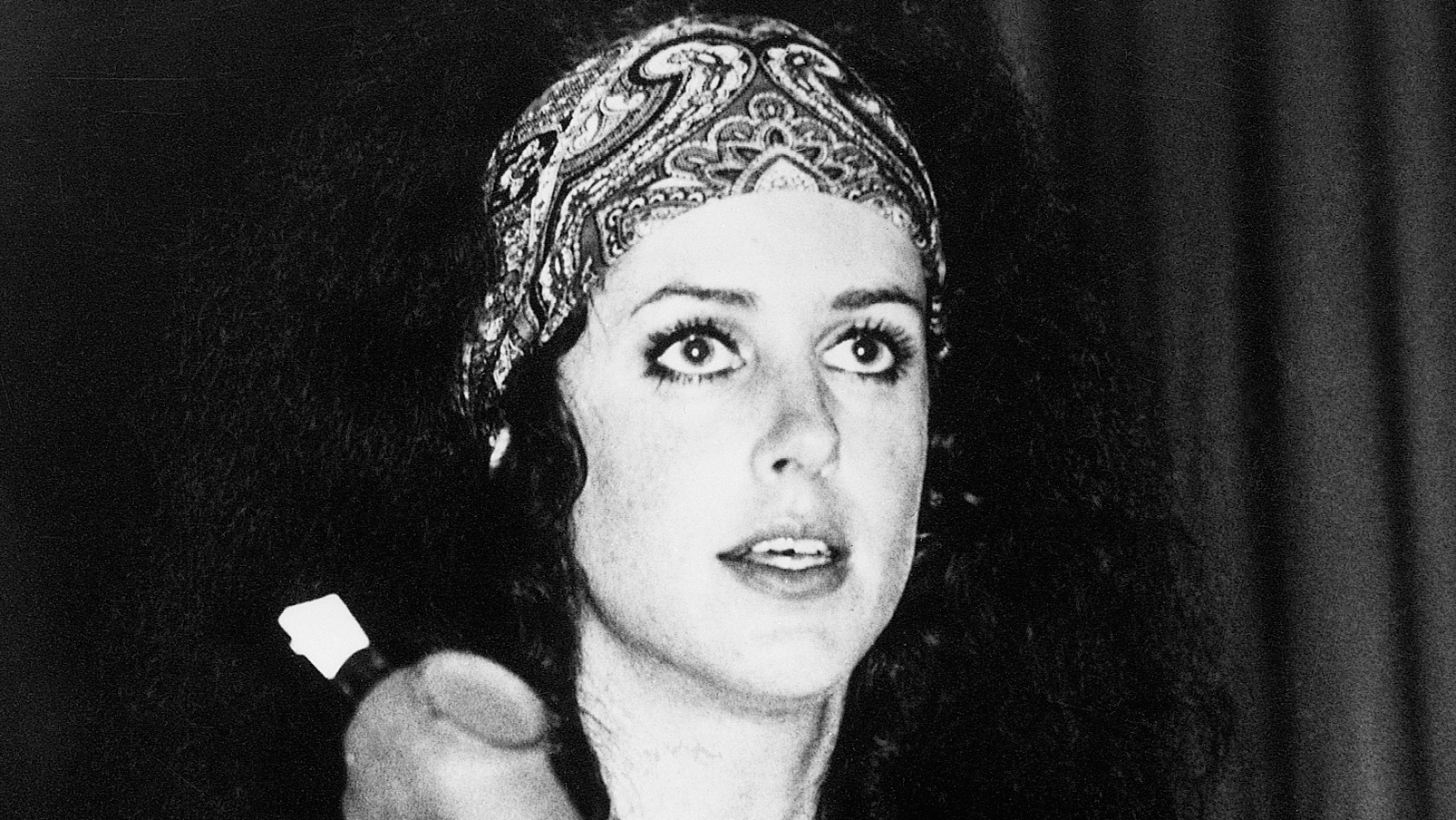
To optimize the track for commercial radio broadcast, the lengthy, raga-inspired introduction utilized by The Great Society was excised. The resulting studio version was a punchy two minutes and twenty-seven seconds. Upon hearing the playback in the control room, Slick was reportedly struck by the sheer power of her own vocal delivery, realizing the impact the recording would have on listeners.
Commercial Impact, Cultural Reception, and Broader Implications
Surrealistic Pillow was released in February 1967. While it earned favorable critical notices, initial commercial momentum was modest. The commercial breakthrough arrived when the re-recorded version of "Somebody To Love" climbed into the Top Five of the national charts, creating a receptive audience for the subsequent release of "White Rabbit" as a single.
In August 1967, "White Rabbit" peaked at Number Eight on the Billboard Hot 100. Despite its success, Slick maintained a pragmatic view of the radio industry, asserting that programmers embraced the track primarily because its concise runtime accommodated commercial advertising blocks. Nevertheless, the single became an indelible auditory artifact of the 1967 "Summer of Love," cementing the Haight-Ashbury counterculture into the American consciousness.
Beyond its immediate commercial footprint, "White Rabbit" served a dual purpose that Slick believed largely eluded contemporary audiences. While many interpreted the lyrics as a straightforward endorsement of illicit substances, Slick intended the song as a pointed critique of the hypocrisy of older generations who condemned youth drug culture while relying on alcohol and prescription medications. The concluding command to "feed your head" was explicitly multifaceted, encouraging both the expansion of consciousness through psychedelics and the rigorous pursuit of knowledge through literature and critical thinking.
Legacy in Music History
Now retired from the music industry, Grace Slick remains a foundational yet occasionally under-recognized figure in rock history. As one of the earliest women to assume a central creative and compositional role within a major rock ensemble, she established a critical precedent for future generations of female artists.
The historical analysis of "White Rabbit" extends far beyond its chart statistics. Musicologists and cultural historians view the track as a pioneering achievement in popular composition—a rare instance where avant-garde modal structures, literary allegory, and countercultural philosophy successfully coalesced into mainstream pop art. By demonstrating that popular music could engage with complex thematic material and sophisticated arrangements, Jefferson Airplane and Grace Slick permanently expanded the creative boundaries of the recording industry.