Versus Appoints Nico Puertollano as Executive Creative Director, Integrating Rezonate’s Commercial Portfolio

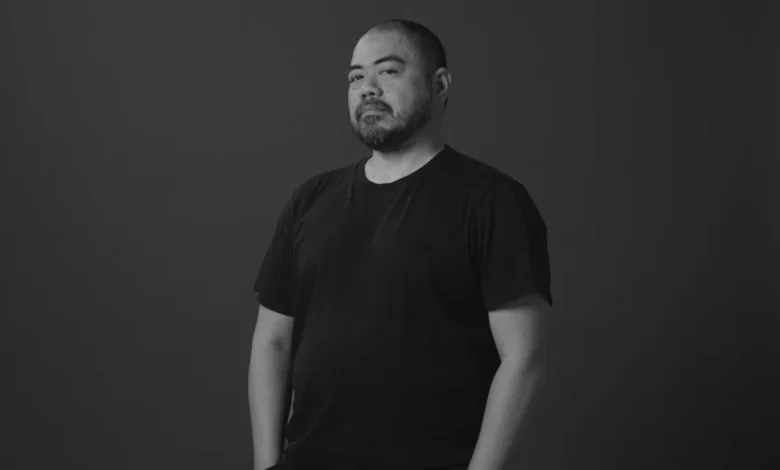
New York, NY – Versus, a renowned creative studio celebrated for its innovative work across brand, entertainment, and innovation sectors, has announced the strategic appointment of Nico Puertollano as its new Executive Creative Director. This significant leadership addition, effective July 21, 2026, is part of a broader strategic initiative that will see the seamless transition and integration of Rezonate’s entire commercial client portfolio into Versus. This move is poised to substantially amplify Versus’s existing creative capabilities, particularly in the realms of advanced design, dynamic animation, compelling storytelling, and immersive brand experiences, solidifying its position as a powerhouse in the competitive creative industry landscape.
A New Chapter for Creative Leadership
Nico Puertollano brings a distinguished career spanning two decades at the forefront of creative innovation. Before joining Versus, he was the visionary founder of Rezonate, an award-winning creative studio that carved out a niche for itself through its exceptional contributions to animation, motion design, sophisticated brand storytelling, and culturally resonant creative campaigns. Under Puertollano’s astute leadership, Rezonate garnered widespread acclaim for its ability to craft narratives that not only captivated audiences but also enabled brands to authentically navigate complex cultural landscapes with genuine intention and impact. His tenure at Rezonate was characterized by a relentless pursuit of excellence and a deep understanding of how to build and nurture high-performing creative teams capable of delivering groundbreaking work. This reputation for fostering deep audience connections and guiding brands with authenticity makes him a particularly valuable asset to Versus’s expanding operations.
At Versus, Puertollano will play a pivotal role in shaping the studio’s creative direction, working intimately across its burgeoning portfolio of brand, entertainment, and innovation clients. His expertise is expected to significantly bolster the studio’s offerings in critical areas such as advanced animation techniques, imaginative world-building, cutting-edge creative direction, and culturally nuanced storytelling. The integration of Rezonate’s commercial projects also means an immediate expansion of Versus’s client roster, adding diversity and depth to its existing relationships and project pipeline.
Strategic Rationale and Industry Context
The strategic decision to bring Puertollano on board and integrate Rezonate’s portfolio reflects a broader trend within the creative industry towards consolidation and the aggregation of specialized talent to offer more comprehensive, full-service solutions. In an increasingly fragmented media landscape, clients are seeking agencies that can deliver integrated campaigns across multiple platforms, from initial concept to final execution, encompassing everything from intricate motion graphics to overarching brand narratives. This move positions Versus to meet these evolving client demands more effectively.
The global animation and motion graphics market, valued at approximately $270 billion in 2023, is projected to grow significantly, driven by the increasing demand for visual content across advertising, entertainment, and digital platforms. Within this dynamic environment, studios that can offer specialized expertise, particularly in areas like culturally driven content and immersive experiences, gain a significant competitive edge. Rezonate’s proven track record in these areas, combined with Versus’s established market presence, creates a formidable synergy. This integration is not merely about acquiring talent; it’s about strategically enhancing Versus’s capacity to deliver complex, high-impact projects that resonate with diverse global audiences.
Furthermore, the creative industry is witnessing a shift towards valuing authentic representation and diverse perspectives in storytelling. Brands are increasingly aware of the need to connect with consumers on a deeper, more personal level, moving beyond generic messaging to embrace narratives that reflect the multifaceted identities of their target demographics. Puertollano’s background and creative philosophy, rooted in his identity as a Filipino immigrant and New Yorker, align perfectly with this paradigm shift, offering Versus a unique lens through which to approach culturally relevant campaigns.
A Philosophy Forged in Identity and Respect
Puertollano’s decision to join Versus is underpinned by a profound respect for the studio’s ethos and a long-standing personal connection to its leadership. He shared, “Justin was one of the first people who encouraged me to embrace my identity as a Filipino immigrant and New Yorker, and to recognize the value that perspective could bring to both the work and the brands behind it. That advice stayed with me and helped shape the creative philosophy behind Rezonate.” This anecdote highlights the deep personal and professional alignment that often drives such significant career transitions, emphasizing the importance of shared values and mentorship in the creative world. The "Justin" referred to is widely understood to be Justin Barnes, a co-founder and Executive Creative Director at Versus, whose early encouragement played a pivotal role in shaping Puertollano’s career trajectory and creative outlook.
Puertollano’s admiration for Versus extends beyond personal connections, encompassing the studio’s reputation for excellence and its distinctive cultural identity. He elaborated, “Versus has always been a studio I admired. Whenever we found ourselves on opposite sides of a pitch, I couldn’t help but respect the work, the culture, and what Filipinos would call the ‘angas’ of the studio, a confidence that comes from knowing who you are and what you stand for. There was a fearlessness in what they built that always resonated with me. To now be joining a team I’ve respected for so long feels incredibly meaningful, and I’m excited for what we’ll create together.”
The term "angas," deeply embedded in Filipino culture, translates to a potent blend of confidence, charisma, and fearless swagger, often signifying a strong sense of identity and an unapologetic approach to one’s craft. Puertollano’s use of this term to describe Versus speaks volumes about the studio’s distinctive brand personality and its commitment to authenticity—qualities that have clearly resonated with his own creative philosophy. This cultural insight not only enriches the narrative of his appointment but also underscores the growing recognition of how diverse cultural perspectives can infuse a creative studio with a unique competitive edge and a powerful sense of purpose. It highlights a shared ethos of boldness and self-assured creativity that promises to define their collaborative future.
Broader Impact and Implications
This strategic appointment and integration are set to yield significant implications for Versus, its clients, and potentially the broader creative industry. For Versus, the immediate benefits include an enhanced market position, a broadened client base, and a deeper pool of creative talent and specialized expertise. The integration of Rezonate’s commercial portfolio ensures continuity for its existing clients while providing them access to Versus’s expanded resources and capabilities. This synergy is expected to foster innovation and open new avenues for impactful collaborations.
In the competitive landscape of creative agencies, such moves demonstrate a commitment to growth through strategic talent acquisition and the expansion of service offerings. It signals to the market that Versus is proactively evolving to meet the complex demands of modern brand building and entertainment content creation. The emphasis on "world-building" and "cultural storytelling" reflects a forward-thinking approach, recognizing that today’s consumers seek immersive narratives and authentic connections with brands.
The appointment also highlights a growing trend in the creative sector towards celebrating and leveraging diverse leadership. Puertollano’s journey as a Filipino immigrant and New Yorker, and his explicit recognition of how this identity shaped his creative philosophy, serves as an inspiring example of how unique perspectives can drive innovation and create more inclusive, resonant work. As the creative industry strives for greater representation and authenticity, leaders like Puertollano are instrumental in shaping a future where diverse voices are not just present, but are actively driving the creative vision. This move by Versus could set a precedent for other studios looking to enrich their creative output through diverse leadership and specialized integrations.
Versus: A Profile in Innovation
Versus has long been recognized as a trailblazer in the creative industry, known for pushing the boundaries of design, animation, and storytelling. The studio has cultivated a reputation for delivering high-impact visual experiences that captivate audiences across various platforms. Its portfolio spans collaborations with leading brands, major entertainment entities, and pioneering innovation companies, consistently producing work that is both visually stunning and strategically effective. The studio’s commitment to fostering a culture of creativity and fearlessness, as noted by Puertollano, has been a cornerstone of its success. With the addition of Puertollano and Rezonate’s expertise, Versus is poised to further elevate its creative output and expand its influence in an increasingly dynamic global market. The studio’s focus on integrating cutting-edge technology with compelling narrative ensures it remains at the forefront of creative innovation.
Looking Ahead: A Unified Creative Vision
The union of Nico Puertollano’s distinctive vision with Versus’s established creative prowess marks a pivotal moment for both entities. It represents a shared commitment to pushing creative boundaries, embracing cultural authenticity, and delivering unparalleled experiences for clients worldwide. This strategic alignment is expected to generate fresh, innovative approaches to brand engagement and content creation, further cementing Versus’s position as a leader in the global creative arena. The excitement expressed by Puertollano for the collaborative potential underscores a future brimming with innovative projects and groundbreaking creative endeavors, all driven by a unified vision of impactful storytelling.
For more information about Versus and its expanded capabilities, please visit:
Website: weareversus.tv
LinkedIn: Versus
Contact: [email protected]