
Top Gun Maverick Star Confirms The Shirtless Cast Were Competitive About Getting Ripped For The Tom Cruise Sequel
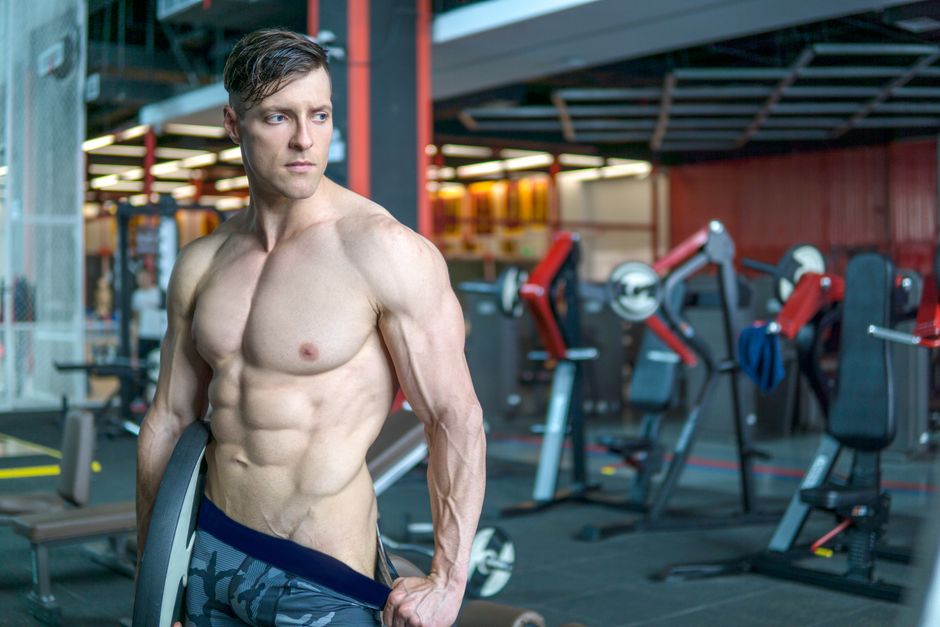
Top Gun: Maverick Cast Competed to Get Ripped for Shirtless Scenes, Star Confirms
The relentless pursuit of peak physical conditioning for Top Gun: Maverick wasn’t just a requirement; it was a fiercely competitive arena among the cast, as confirmed by one of its stars. Miles Teller, who reprises his role as Bradley "Rooster" Bradshaw, revealed that the desire to impress and outdo each other in the gym was a palpable force behind the scenes. This commitment to achieving a ripped physique wasn’t merely for aesthetic purposes; it was deeply intertwined with the film’s DNA, a nod to the original Top Gun‘s iconic shirtless beach volleyball scene that cemented the leading men as symbols of athletic prowess and masculine ideal. For the sequel, this expectation was amplified, demanding a new generation of actors to not only embody the spirit of naval aviators but also to embody their physical readiness.
The pressure to measure up to the formidable physical standards set by Tom Cruise, who himself famously maintains an incredibly rigorous fitness regimen, was immense. Cruise, at 59 during the filming of Maverick, demonstrated an astonishing level of athleticism, performing many of his own stunts and showcasing a physique that defied age. This served as a constant, unspoken benchmark for the younger cast members. Teller candidly admitted that the competition wasn’t just about looking good on screen; it was about embodying the demanding lifestyle of a fighter pilot. "It was definitely a bit of a competition," Teller stated in a recent interview, referring to the cast’s dedication to their fitness. "Everyone wanted to look their best. We’re portraying these elite aviators, and you want to feel like you belong in that world, physically." This competitive spirit, while perhaps born out of a shared desire to excel, undoubtedly contributed to the authentic portrayal of these characters as men at the pinnacle of their physical and mental capabilities.
The narrative of Top Gun: Maverick inherently demands a certain level of physical prowess from its characters. The grueling training, the intense G-forces experienced in aerial combat, and the general high-octane lifestyle of a naval aviator necessitate a body that is both strong and lean. The filmmakers understood that a convincing depiction of these pilots required actors who could visually convey this demanding reality. Thus, the focus on physique wasn’t a superficial marketing ploy; it was an integral part of character development and narrative authenticity. The shirtless scenes, while undeniably a draw for audiences, served as a potent visual shorthand for the dedication, discipline, and physical readiness that defines these elite pilots.
Tom Cruise’s legendary work ethic and unwavering commitment to his craft have always extended to his physical preparation. For Top Gun: Maverick, he reportedly adhered to a strict diet and an intense workout regime that included a combination of cardiovascular exercise, weight training, and flexibility work. This dedication was not just for himself but also to set the tone for the entire cast. His influence permeated the set, inspiring the younger actors to push their own limits. The knowledge that their leading man was leading by example, and doing so with such remarkable vitality, provided a powerful incentive for the rest of the cast to embrace the challenge.
The strategic decision to include shirtless scenes in Top Gun: Maverick was a deliberate echo of the original film’s cultural impact. The iconic beach volleyball scene in the 1986 Top Gun was a masterclass in visual storytelling, showcasing the camaraderie, competitiveness, and sheer physical appeal of its stars. It became an indelible image, contributing to the film’s status as a cultural touchstone. For the sequel, recreating this visual element was a way to pay homage to the legacy while also demonstrating the continued evolution of the franchise and its characters. The shirtless scenes in Maverick served the same purpose: to highlight the physical conditioning of the pilots and to reinforce the themes of competition and excellence.
Miles Teller’s own journey to achieving his ripped physique for the film is a testament to the cast’s dedication. He underwent a significant transformation, working closely with personal trainers and nutritionists to sculpt his body. His commitment was not just about adhering to a plan but about embracing the discipline required. "It’s a lot of early mornings, a lot of focus on what you’re eating," Teller commented when discussing his preparation. "But it’s worth it when you see the result and you feel good about yourself, and you feel like you’re doing justice to the character and the legacy." This sentiment was likely shared by many of his co-stars, including Glen Powell, Lewis Pullman, and Jay Ellis, all of whom showcased impressive physiques in the film.
The competitive aspect among the cast, as highlighted by Teller, likely manifested in various ways. It wasn’t necessarily overt boasting or rivalry, but rather a subtle drive to impress and to meet the high standards set by Cruise and the film’s producers. Perhaps it was a shared glance after a particularly grueling workout, a friendly challenge about who could maintain the strictest diet, or simply the unspoken understanding that everyone was striving for the same goal. This shared commitment to physical excellence created a unique bond among the actors, fostering a sense of team spirit that mirrored the camaraderie of the fighter pilot community they were portraying.
Beyond the aesthetic appeal, the physical conditioning required for Top Gun: Maverick had practical implications for the actors. The filming process involved extensive sequences in actual F-18 fighter jets, experiencing significant G-forces. Pilots are trained to withstand these forces, and actors portraying them needed to have a certain level of core strength, cardiovascular endurance, and overall physical resilience. The rigorous training regimen not only helped them look the part but also prepared them for the physical demands of being in the cockpit. This attention to detail contributed to the film’s overall realism and immersive experience.
The success of Top Gun: Maverick can be attributed to a confluence of factors, and the cast’s commitment to their physical readiness was undoubtedly one of them. The film tapped into a deep well of nostalgia while also delivering a fresh, exhilarating cinematic experience. The visually stunning aerial sequences, combined with compelling character arcs and a powerful emotional core, resonated with audiences worldwide. The actors’ dedication to embodying the physical attributes of naval aviators played a crucial role in making these characters believable and the world of Top Gun feel tangible.
The competitive drive among the cast to get ripped for Top Gun: Maverick underscores a broader trend in Hollywood. As audiences become more discerning and demand greater authenticity, actors are increasingly expected to undergo significant physical transformations for their roles. This is particularly true for action films and franchises that have a strong visual identity. The Top Gun legacy, with its emphasis on physical prowess, set a high bar, and the cast of Maverick rose to meet and exceed it.
The implications of this competitive spirit extend beyond the individual actors. It fosters a culture of excellence within the production. When actors are motivated to push themselves, it often inspires the entire crew to deliver their best work. The shared goal of creating a visually spectacular and thematically resonant film becomes a collective endeavor, with every member of the cast and crew contributing to its success. The story of the shirtless cast competing to get ripped is not just about vanity; it’s about dedication, discipline, and the pursuit of a shared vision.
The emphasis on physical conditioning also contributes to the enduring appeal of the Top Gun franchise. It taps into timeless themes of heroism, courage, and the pursuit of excellence. The visual spectacle of perfectly sculpted bodies engaged in demanding physical activities resonates with audiences on a primal level. It speaks to an aspirational ideal, a depiction of human potential pushed to its limits. The competitive drive among the cast for Maverick simply amplified this inherent appeal, creating a more potent and impactful cinematic experience.
In conclusion, the confirmation by Miles Teller that the cast of Top Gun: Maverick engaged in a competitive drive to achieve ripped physiques for the film offers a fascinating glimpse into the dedication and commitment behind this blockbuster sequel. This pursuit of physical perfection was not merely about vanity but was deeply rooted in the narrative’s demands, the legacy of the original film, and the inspiring example set by Tom Cruise. The competitive spirit fostered a culture of excellence, contributing to the film’s authenticity, visual impact, and ultimately, its resounding success. The shirtless scenes, far from being gratuitous, served as a powerful visual testament to the rigorous training and unwavering discipline of the actors who brought these iconic naval aviators back to the screen.
