Halloween Costume Trends 2026: A Comprehensive Analysis of Cultural Influence and Creative Expression

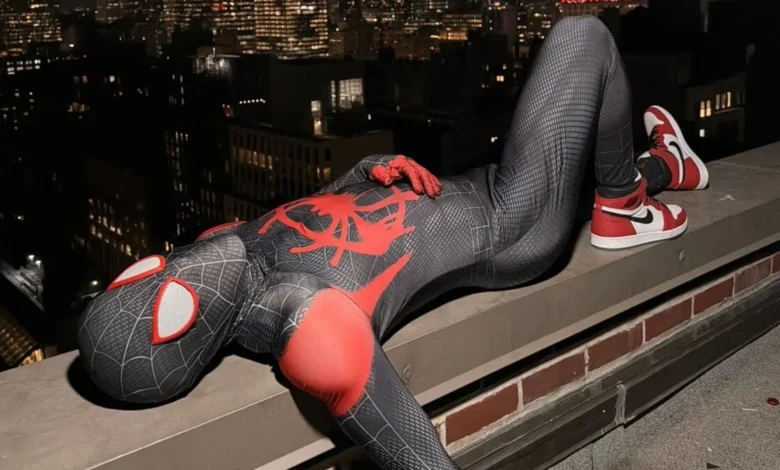
Halloween, once rooted in the ancient Celtic festival of Samhain, has evolved into a global economic and cultural juggernaut that transcends traditional age demographics. While the holiday is traditionally associated with the childhood ritual of trick-or-treating, the modern iteration of Halloween serves as a significant intersection of pop culture, fashion, and social media engagement. In 2026, the tradition has manifested in a sophisticated display of public creativity, with digital platforms playing a pivotal role in the dissemination and validation of elaborate costume design. As millions participate in both private and public celebrations, the focus has shifted toward high-fidelity representations of iconic characters, nostalgia-driven ensembles, and avant-garde aesthetic interpretations.
The Economic and Cultural Context of Halloween 2026
The commercial landscape of Halloween has seen consistent growth over the past decade. According to data provided by the National Retail Federation, consumer spending on costumes, decorations, and candy has reached record levels in 2026. This year, total anticipated spending is projected to exceed $12 billion, reflecting a consumer base that views the holiday as a primary outlet for self-expression.
The shift toward "adult-oriented" Halloween participation is a well-documented phenomenon. Marketing analysts note that the demographic of 18-to-34-year-olds has become the primary driver of costume innovation. Unlike previous eras, where costumes were often mass-produced and standardized, the 2026 season is defined by "DIY" (Do-It-Yourself) excellence and meticulous craftsmanship. This transition is largely fueled by the influence of short-form video platforms and social media, where users compete for social capital through viral costume reveals.
A Chronology of Costume Evolution
To understand the current state of costume design, one must observe the trajectory of pop culture influences over the last year. The transition from early October, characterized by initial planning and sourcing, to the climax on Halloween night, follows a rigid cycle of creative production.
- Early September: The emergence of "micro-trends" on social media. Influencers and creators begin testing concepts, often relying on high-traffic television shows or recent film releases to predict the "it" costume of the season.
- Mid-October: The retail peak. Costume supply chains reach maximum capacity as consumers finalize their attire. Data indicates a marked increase in the search volume for nostalgic media franchises, suggesting a collective yearning for 1990s and early 2000s iconography.
- October 31: The public manifestation. This is the period where physical execution is tested against public reception. As seen across various social media feeds, the 2026 cohort prioritized thematic depth, moving beyond simple attire to include complex makeup, prosthetic integration, and performance art.
Analyzing the Creative Vanguard: Notable Trends
The 2026 costume landscape has been defined by three distinct categories: historical nostalgia, absurdist humor, and technical mastery.
The Persistence of Nostalgia
A significant portion of the most successful costumes in 2026 drew from the cultural artifacts of the early 21st century. Children’s programming from the late 1990s and early 2000s, which formed the bedrock of the current adult consumer’s childhood, served as a primary resource. By repurposing the aesthetics of animated series and cult-classic television shows, participants have successfully bridged the gap between past and present. Analysts suggest this is a defense mechanism against an increasingly complex global landscape, with individuals gravitating toward the "comfort" of familiar media.
The Role of Performance and Streaming
The digital creator economy has transformed the way costumes are presented. Professional streamers and content creators have moved beyond basic dressing, opting for high-production-value reveals. By treating their audience as a theater audience, these individuals have set a high bar for the general public. This professionalization of Halloween costume creation has led to an industry-wide elevation in materials—using professional-grade thermoplastics, silicone, and advanced textile dyeing techniques that were previously reserved for professional film productions.
High-Concept Homage
The homage to cinematic figures—specifically character actors known for their distinctive features and memorable roles—represents a sophisticated level of meta-commentary. By selecting figures such as Willem Dafoe or the "Godfather of Soul" James Brown, participants are engaging in a form of cultural literacy. These costumes require not just the recreation of an outfit, but the embodiment of a persona, demonstrating an evolution in the "trick" component of the holiday.
Supporting Data and Demographic Shifts
The democratization of high-quality costume production is supported by the widespread availability of tutorials and niche marketplaces. E-commerce platforms specializing in custom textiles and prop fabrication have seen a 22% increase in sales compared to 2024. Furthermore, the rise of "slow fashion" movements has prompted a segment of the population to construct costumes from repurposed materials, a trend that aligns with broader environmental consciousness.
Industry experts emphasize that the social aspect of Halloween—specifically the desire to be "seen" online—has fundamentally changed the metrics of success for a costume. It is no longer enough for a costume to be recognizable; it must be "shareable." This has led to the emergence of costumes that feature integrated LED lighting, kinetic elements, or designs that facilitate the creation of high-quality short-form video content.
Official Perspectives and Public Safety
While the creative aspect of the holiday dominates the conversation, municipal authorities and community organizations continue to prioritize public safety. In major metropolitan areas, police departments and civic groups have issued guidelines to manage the influx of crowds in high-traffic zones. The focus is primarily on traffic management and the distinction between realistic prop weaponry and actual threats.
"The creativity we see on display is a testament to the community’s engagement," says a spokesperson for a national community safety coalition. "Our role is to ensure that while citizens express themselves, they remain aware of their environment. The sophistication of these costumes, while impressive, requires that we maintain clear communication regarding safety protocols in public spaces."
Broader Implications for the Creative Economy
The implications of the 2026 Halloween season extend far beyond the night of October 31. The skills cultivated by participants—ranging from sewing and 3D printing to makeup artistry and digital editing—are transferable skills that contribute to the broader creative economy.
As Halloween continues to evolve, it acts as an unofficial barometer for the cultural pulse of the year. The costumes selected by the public reflect the collective consciousness, identifying what is considered "iconic" in a fragmented media environment. By analyzing these trends, social scientists can gain insight into the values and anxieties of the contemporary populace.
In conclusion, the Halloween of 2026 stands as a milestone in the history of the holiday. It represents the successful synthesis of traditional celebration with the requirements of a digital-first society. Whether through the revival of vintage characters or the execution of complex, modern designs, the participants of this year’s celebrations have demonstrated that the holiday remains a vital space for innovation. As we look toward future iterations, it is clear that the standard for creative expression will continue to rise, driven by the dual forces of technological advancement and an unwavering commitment to the art of the costume. Whether one chooses to participate via a local event or through the global lens of social media, the spirit of Halloween in 2026 remains a testament to the human desire to play, transform, and connect.
Related posts: