
Mission Impossible 8 Is Filming In The Arctic Now And It Honestly Looks Amazing
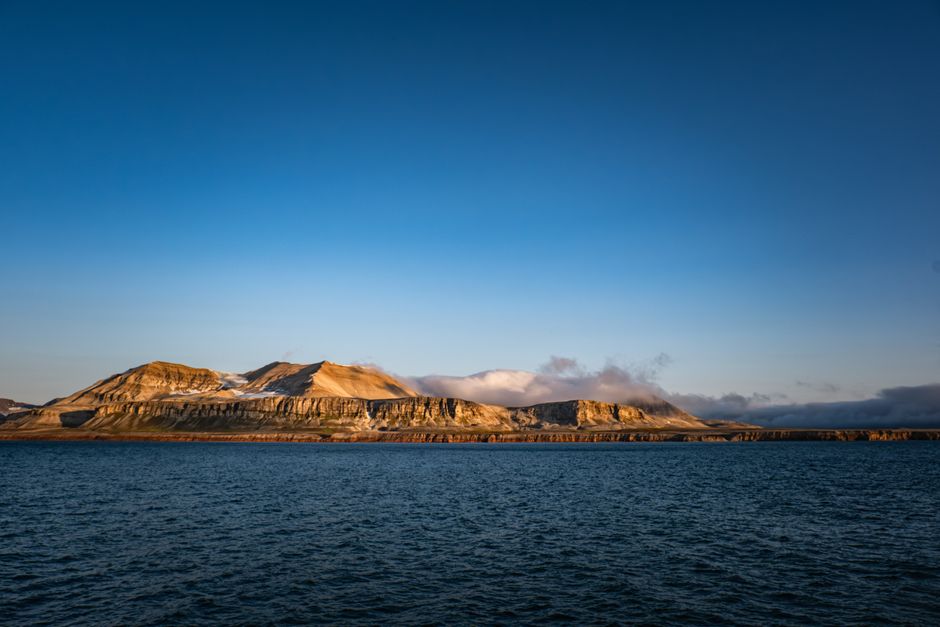
Mission: Impossible 8 Filming in the Arctic: A Visually Stunning Spectacle Unfolds
The frigid, ethereal landscapes of the Arctic are currently serving as the dramatic backdrop for the latest installment of the Mission: Impossible franchise, Mission: Impossible 8. This ambitious production decision is already yielding breathtaking visuals, promising audiences a cinematic experience unlike any seen before in the iconic series. Filming in such an extreme and remote environment presents a unique set of challenges, but early reports and leaked images suggest that the creative team, led by director Christopher McQuarrie, is embracing these difficulties to craft a truly awe-inspiring spectacle. The vast, unforgiving beauty of the Arctic, with its towering glaciers, stark ice formations, and endless expanses of white, is providing a canvas that amplifies the inherent intensity and scale of the Mission: Impossible narrative.
The choice of the Arctic is not merely an aesthetic one; it deeply influences the narrative and the logistical complexities of the film. The inherent dangers of the environment – extreme cold, unpredictable weather, and isolation – inherently elevate the stakes for Ethan Hunt and his IMF team. This setting offers natural obstacles and opportunities for thrilling set pieces that are grounded in a tangible, visceral reality. Imagine high-octane chases across frozen tundra, daring escapes from collapsing ice caves, or aerial sequences against a backdrop of aurora borealis. The raw, untamed nature of the Arctic provides a formidable antagonist in itself, pushing the boundaries of what is physically possible for both the characters and the filmmaking crew. This commitment to location authenticity adds a layer of gravitas to the already high-stakes espionage genre.
For dedicated fans of the Mission: Impossible saga, the filming location in the Arctic is particularly exciting. The franchise has a well-established reputation for pushing the envelope with its practical stunts and exotic filming locations, from the Burj Khalifa in Dubai to the treacherous mountain passes in the Alps. The Arctic represents a logical, albeit more extreme, progression in this ongoing pursuit of cinematic grandeur. The visual potential is immense, offering a stark contrast to the urban jungles and arid deserts that have often featured in previous films. The sheer scale of the Arctic landscape will undoubtedly dwarf the human element, creating a profound sense of isolation and vulnerability for Ethan Hunt, even as he undertakes his most daring mission yet. This visual juxtaposition of the small, determined operative against the immense power of nature is a potent narrative device.
The logistical undertaking of filming in the Arctic is, by all accounts, monumental. Ensuring the safety of cast and crew in sub-zero temperatures requires specialized equipment, extensive training, and meticulous planning. This includes portable heated shelters, advanced cold-weather gear, and robust emergency response protocols. The transportation of equipment and personnel to and from remote filming sites in such an environment is also a significant challenge, often relying on specialized aircraft, ice-strengthened vehicles, and carefully charted routes. The very act of establishing a functioning film set in such a hostile territory is a testament to the dedication and resourcefulness of the production team. This level of commitment often translates directly to the screen, with audiences appreciating the authenticity and grit that such a challenging production process can imbue.
Furthermore, the visual palette of the Arctic offers unique opportunities for cinematography. The soft, diffused light of polar days, the dramatic hues of the Northern Lights, and the stark contrast between snow, ice, and dark rock create a visually arresting environment. Cinematographer Fraser Fraser, known for his work on Blade Runner 2049 and Dune, is likely to harness these elements to create stunning, painterly images. The potential for long, sweeping shots that capture the vastness of the landscape, contrasted with intimate, tense close-ups of the characters, is immense. The interplay of light and shadow on ice formations, the shimmering quality of snow, and the ethereal glow of the aurora borealis all contribute to a visual language that will undoubtedly be a defining characteristic of Mission: Impossible 8.
The incorporation of the Arctic into the Mission: Impossible narrative also opens up possibilities for unique action sequences. Imagine Ethan Hunt navigating a treacherous glacier, a high-speed chase across a frozen lake that threatens to crack under pressure, or a daring infiltration of an Arctic research facility. The environment itself can become an active participant in the action. The sound design will also play a crucial role in immersing the audience in this desolate yet magnificent setting. The creak of ice, the howl of the wind, and the echoing sounds in vast open spaces will contribute to a palpable sense of atmosphere and tension. The sheer silence of some of these locations can be as impactful as any explosion or dramatic confrontation.
The return of Tom Cruise as Ethan Hunt in such a challenging environment is a consistent draw for the franchise. Cruise’s commitment to performing his own stunts, often in increasingly perilous situations, is legendary. Filming in the Arctic will undoubtedly test his mettle further, and the audience will be keenly aware of the inherent risks involved. This dedication to practical filmmaking is a cornerstone of the Mission: Impossible series and is a significant factor in its enduring appeal. Seeing him perform death-defying feats against the backdrop of such a stark and beautiful landscape is an experience that cannot be replicated with CGI alone.
Beyond the visual spectacle and thrilling action, the Arctic setting can also serve to amplify the thematic elements of Mission: Impossible 8. The isolation of the Arctic can mirror the isolation often felt by Ethan Hunt, a man dedicated to a thankless mission, constantly on the run and reliant on a small, trusted team. The harshness of the environment can reflect the moral ambiguities and difficult choices that the characters often face. The vastness can underscore the seemingly insurmountable odds that the IMF must overcome. This environmental symbolism adds a deeper layer to the narrative, elevating it beyond mere popcorn entertainment.
The production’s presence in the Arctic also raises important discussions about environmental impact. Filmmakers are increasingly conscious of their footprint, and a production of this scale in such a sensitive ecosystem will undoubtedly have undergone rigorous environmental impact assessments and implemented mitigation strategies. Sustainable practices, responsible waste management, and minimizing disturbance to local wildlife are crucial considerations. The visual beauty of the Arctic that is now gracing the screen is a reminder of the importance of preserving these pristine environments for future generations. The film itself may serve as a visual plea for the protection of these awe-inspiring natural wonders.
The social media buzz surrounding Mission: Impossible 8‘s Arctic filming has been palpable. Leaked photos and videos showcasing the cast and crew braving the elements, along with glimpses of the dramatic landscapes, have ignited fan anticipation. These behind-the-scenes peeks offer a tantalizing preview of what’s to come, showcasing the sheer scale and ambition of the production. The community of Mission: Impossible fans, known for their dedication and analytical prowess, are dissecting every image, speculating on plot points and the potential for groundbreaking action. This online engagement further fuels the excitement and anticipation for the film’s eventual release.
The challenges of filming in the Arctic extend beyond mere weather. The limited daylight hours during certain times of the year can significantly impact shooting schedules. The constant threat of equipment failure due to extreme cold adds another layer of complexity. However, it is precisely these inherent difficulties that often lead to the most innovative solutions and the most memorable cinematic moments. The dedication to overcoming these obstacles demonstrates the commitment of the entire production to delivering a truly exceptional film. The Arctic is not just a backdrop; it is an active participant in the storytelling process, shaping the narrative and the visual experience in profound ways.
In conclusion, Mission: Impossible 8‘s decision to film in the Arctic is a bold and inspired move that promises a visually stunning and thematically rich cinematic experience. The stark, majestic beauty of the polar landscape provides a formidable and awe-inspiring setting that will undoubtedly amplify the stakes and the intensity of Ethan Hunt’s latest mission. The logistical challenges are immense, but the early indications suggest that the production is meeting them head-on, crafting a film that is as visually breathtaking as it is action-packed. This foray into one of the planet’s most extreme environments marks another significant milestone in the Mission: Impossible franchise’s ongoing quest for cinematic innovation and unparalleled spectacle. The Arctic is not just a filming location; it is an integral part of the film’s identity, promising a visually unforgettable journey for audiences worldwide. The dedication to authenticity and pushing the boundaries of what’s possible is what has always defined Mission: Impossible, and the Arctic filming is poised to be its most ambitious chapter yet.
