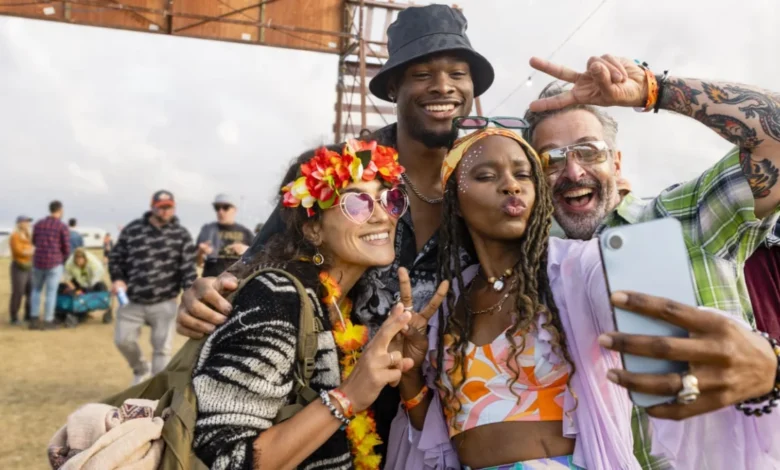
The political landscape of the United States shifted significantly on November 3, 2026, as the Democratic Party secured decisive victories in both the House of Representatives and the Senate. These results, which saw Democratic candidates flip long-standing Republican strongholds in states such as Texas and Kansas, have triggered an unexpected cultural phenomenon across social media platforms. Observers and participants alike are characterizing this collective mood as a resurgence of "millennial optimism," a nostalgic revival of the political and aesthetic sensibilities that defined the early-to-mid 2010s during the Obama administration.
The Anatomy of a Cultural Resurgence
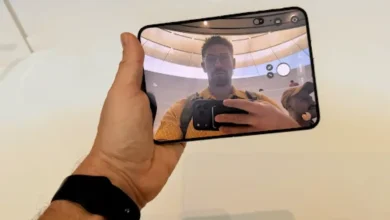
The term "millennial optimism" has transitioned from a niche descriptor on TikTok to a breakout search trend on Google, recording a 5,000 percent increase in interest within twenty-four hours of the election results. This phenomenon is not merely political; it is deeply rooted in the aesthetics of the late 2000s and early 2010s. Social media feeds have been inundated with content featuring Apple Photo Booth-style imagery, vintage fashion staples like flower crowns and statement necklaces, and soundtracks featuring the earnest indie-folk anthems of that era, such as The Middle East’s 2009 track "Blood."
For many, this digital aesthetic serves as a proxy for a specific emotional state: the belief in a "promised future." Younger Gen Z users, who experienced the Obama years as children or early adolescents, are projecting a sense of longing for a period they perceive as more hopeful and less governed by the hyper-fragmented, algorithmic nature of today’s social media landscape. By adopting the signifiers of that era, these users are attempting to recapture a feeling of civic engagement that feels aspirational rather than defensive.
Chronology of the 2026 Midterm Shift
The lead-up to the 2026 midterms was defined by intense national debate over inflation, climate policy, and reproductive rights. Historically, midterm elections often result in losses for the party occupying the White House. However, the 2026 cycle defied conventional polling models.

- September 2026: Initial polling suggests a narrow margin in key swing states, with significant voter fatigue reported across demographics.
- October 2026: A coordinated "Get Out The Vote" campaign, bolstered by viral social media initiatives, begins to move the needle among younger voters.
- November 3, 2026: Election Day. Early results show unexpected strength for Democratic candidates in historically red districts.
- November 4, 2026: As the "blue tsunami" becomes official, the internet begins to aggregate the victory with the cultural markers of the 2010s, cementing the "millennial optimism" trend.
Data and Digital Sentiment Analysis
The sudden explosion of this sentiment is supported by quantitative shifts in social media discourse. Sentiment analysis of platforms such as X and Instagram reveals a marked transition from "doomscrolling"—the habit of consuming negative news—to "hope-posting."
Search data confirms that the interest in "millennial optimism" correlates directly with the announcement of electoral victories in regions previously considered unreachable for the Democratic ticket. This suggests that the electorate is not just celebrating a policy win, but a psychological release from a period of prolonged political anxiety. The return of the Hamilton soundtrack to the collective consciousness of the internet serves as a symbolic marker for this; the musical, which gained cultural prominence during the 2015-2016 period, is being used as a soundtrack for the current electoral shift, framing the political outcome as a narrative triumph.
Official Responses and Institutional Acknowledgment
The trend has reached such a scale that even corporate entities are participating. BuzzFeed, a digital media company that rose to prominence during the era currently being romanticized, publicly engaged with the trend by jokingly offering to update its branding to reflect the "blue" election results. This move underscores the cyclical nature of digital culture, where media companies are incentivized to align with the nostalgia cycles of their core demographic.
While there have been no formal statements from the White House regarding this specific cultural trend, political strategists note that the alignment of youth-driven social media trends with actual electoral turnout is a significant indicator of shifting political power. The ability of the Democratic Party to capture the enthusiasm of younger, digital-native voters appears to have been the decisive factor in the 2026 midterms.
Analysis of Implications: Beyond the Memes
While the "millennial optimism" trend is currently being driven by memes, music, and fashion, it carries serious implications for the future of American politics. The nostalgia for the Obama era is not merely a superficial longing for old technology or fashion; it is a manifestation of a desire for effective governance and the belief that the political system can function to produce positive societal outcomes.

However, historians and political analysts caution that this nostalgia risks oversimplifying the past. The era being romanticized was not without its own severe challenges, including the lingering effects of the 2008 financial crisis, high levels of student debt, and a deeply polarized Congress. By focusing on the "hope" of that time, younger voters may be inadvertently glossing over the systemic failures that necessitated the political activism of the following decade.
The true test for the current administration will be whether they can transform this viral energy into long-term policy success. The "optimism" observed on social media is inherently fragile; it is tethered to the hope of a "promised future." If the legislative outcomes of the 2026-2028 term do not meet the high expectations set by this surge in enthusiasm, the trend could quickly revert to cynicism.
The Intersection of Nostalgia and Civic Duty
The phenomenon demonstrates a clear trend in how modern democracy functions: the merging of personal identity with political outcomes. For the generation currently driving this discourse, voting is no longer a detached civic obligation but a component of their digital persona. By sharing videos of themselves celebrating in clubs or posting about their newfound hope, they are validating the efficacy of their participation.
As the dust settles on the 2026 midterms, the "millennial optimism" movement serves as a reminder that political momentum is often fueled by emotion as much as it is by data. Whether this cycle of hope will sustain itself through the realities of governing remains to be seen. For now, however, the digital landscape suggests that a significant portion of the electorate is eager to believe that the political trajectory of the country has fundamentally changed, and they are using the cultural tools of their past to define their vision for the future.
In the coming months, the challenge for political leaders will be to bridge the gap between the meme-ready, optimistic energy of the internet and the concrete, often slow-moving processes of federal legislation. If they fail to do so, the current wave of optimism may be remembered as a brief, aesthetic departure from an otherwise difficult political era. If they succeed, they may find themselves at the helm of a genuine, generation-defining shift in the American political psyche.