HP Omen Max 16 review: bridging the gap between professional creative workstations and high-performance gaming hardware

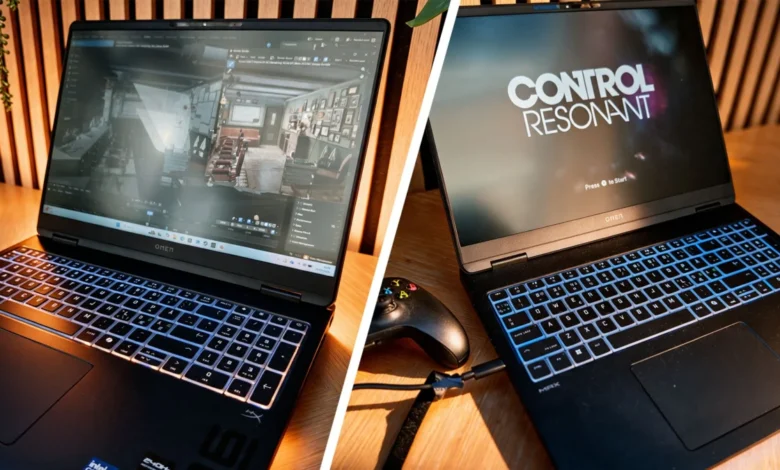
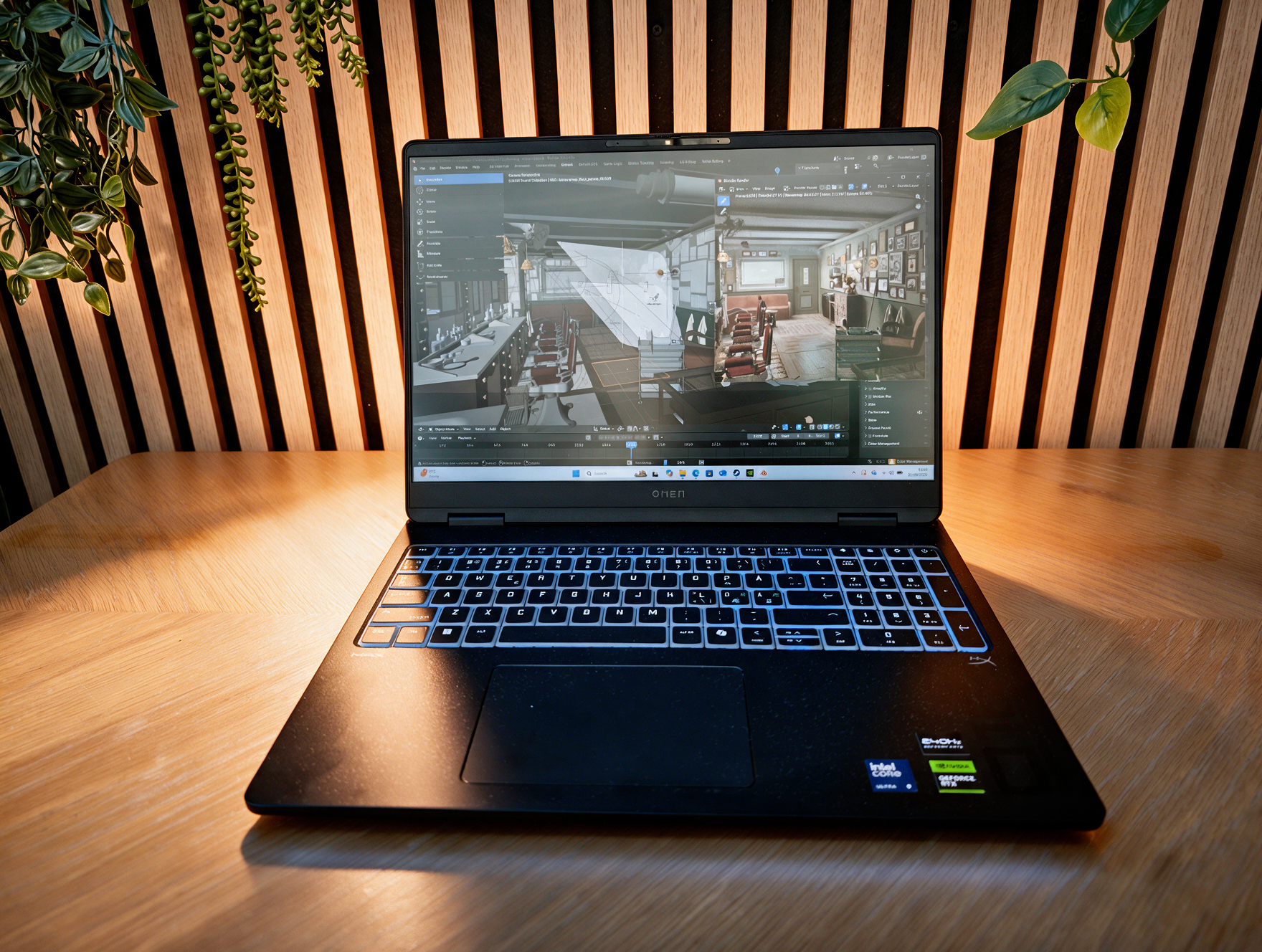
The modern computing landscape is increasingly defined by the convergence of two traditionally distinct user bases: high-end digital creators and competitive gamers. With the release of the HP Omen Max 16, equipped with the formidable Nvidia GeForce RTX 5080 and the Intel Core Ultra 9 275HX processor, Hewlett-Packard is making a definitive statement that a singular chassis can cater to both professional 3D workflows and intensive gaming requirements. While the aesthetic retains the signature "gamer" identity—complete with customizable RGB lighting and aggressive thermal management—the machine’s internal architecture is engineered to handle professional-grade rendering tasks that typically necessitate a dedicated workstation.
The emergence of the Omen Max 16 follows a broader industry trend where laptop manufacturers are moving away from the "mobile workstation" archetype, which was historically bulky and aesthetically industrial, in favor of high-performance gaming chassis that offer greater portability. This shift is supported by Nvidia’s dual-driver strategy, which allows users to switch seamlessly between "Game Ready" drivers for optimized frame rates and "Studio" drivers for stable, performance-oriented workflows in applications like Blender, Maya, and Unreal Engine 5.
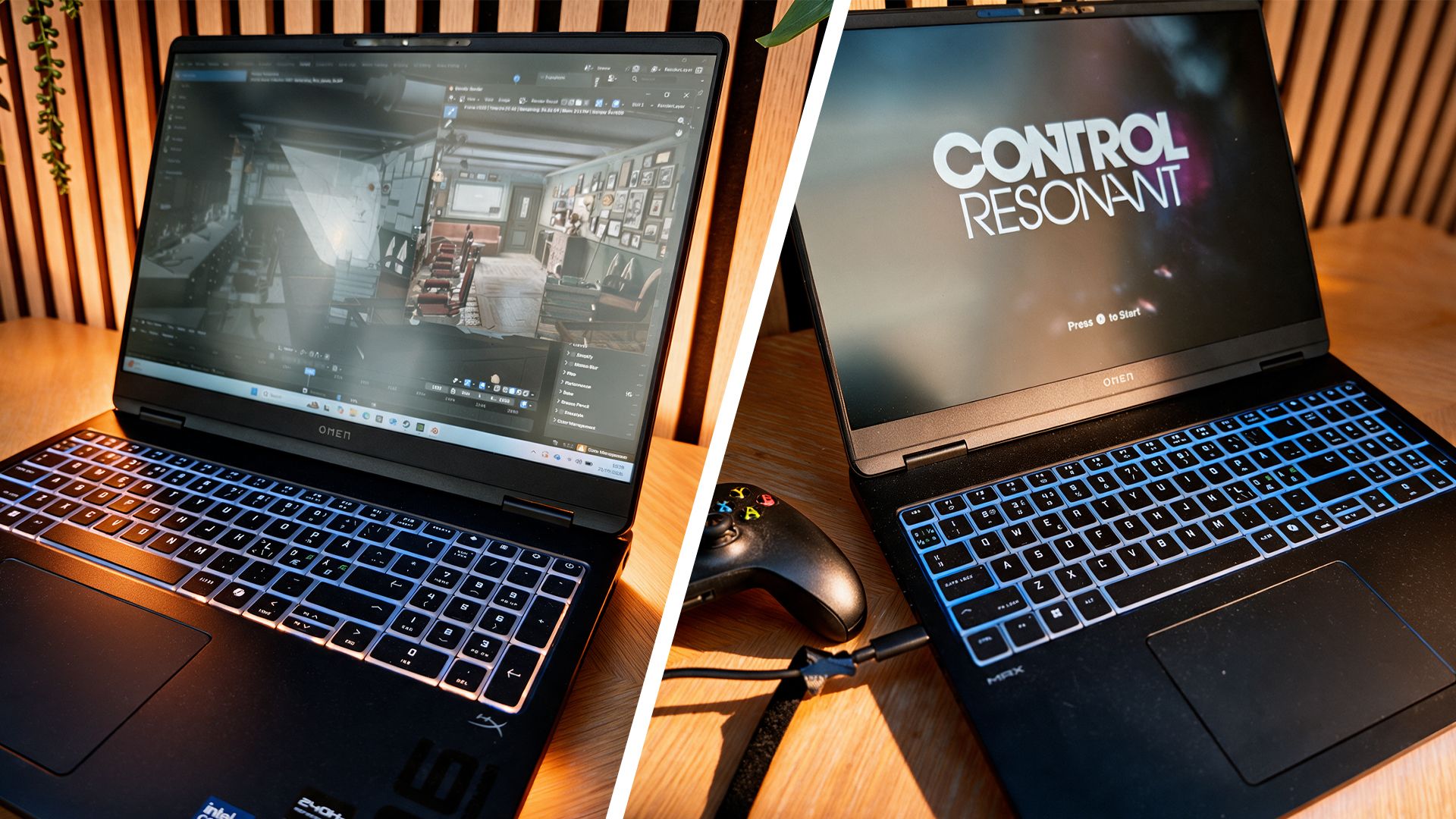
Technical Specifications and Performance Metrics
At the heart of the Omen Max 16 lies the Nvidia GeForce RTX 5080 GPU, paired with 16GB of GDDR7 VRAM. This specific memory allocation is a critical differentiator in the current market. While many mid-tier gaming laptops offer 8GB of VRAM, the 16GB threshold serves as a performance ceiling for complex 3D scenes. In professional settings, such as rendering ray-traced lighting or managing high-resolution texture sets, 8GB of VRAM often leads to memory bottlenecks and system stalls.
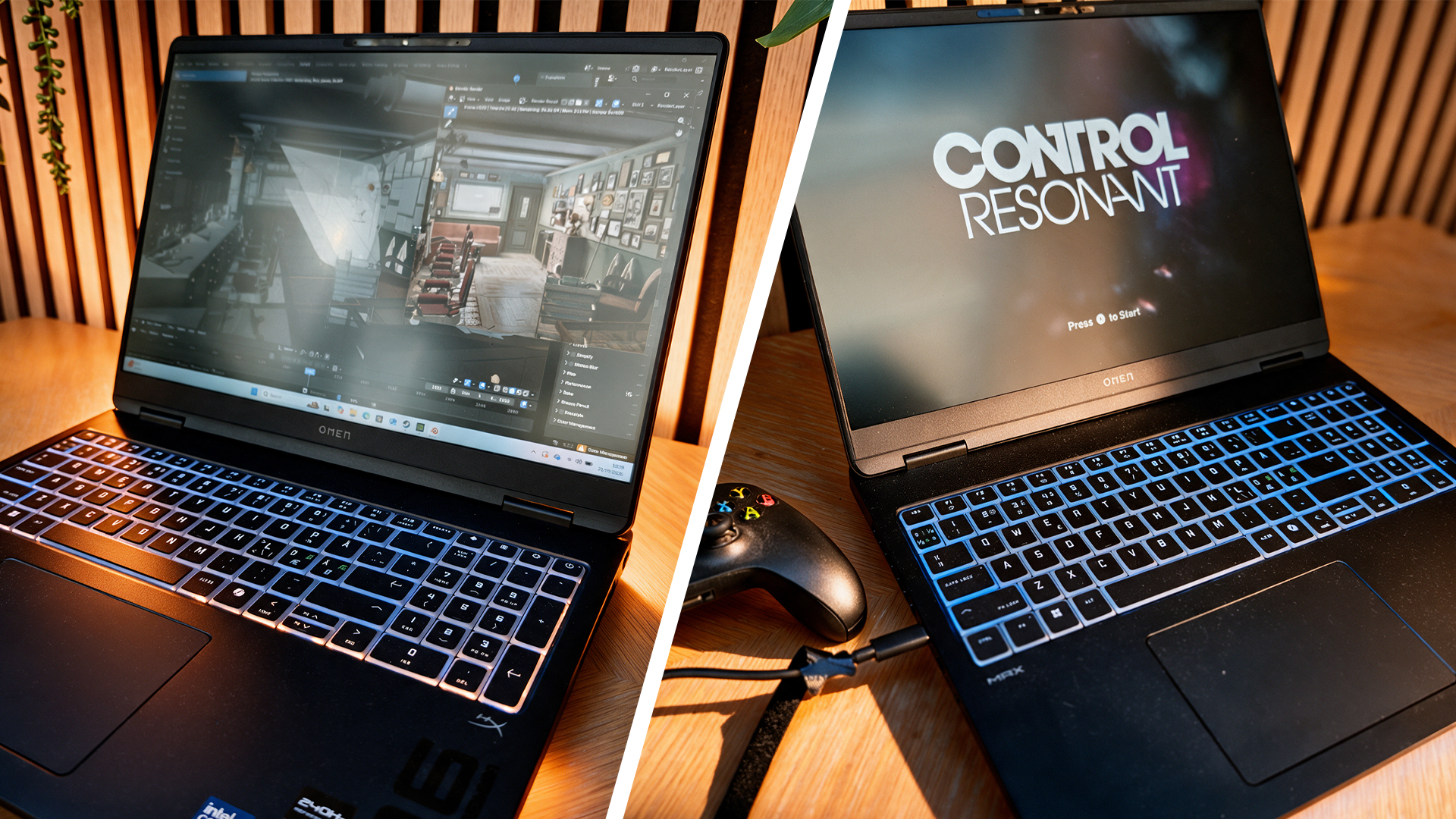
The Intel Core Ultra 9 275HX processor provides 24 cores of computational power, enabling efficient multi-threaded performance. During stress tests involving complex Blender cycles, the system maintained fluid viewport navigation, a hallmark of effective thermal dissipation and high-bandwidth data handling. The integration of 32GB of RAM and a 1TB SSD provides a baseline for professional productivity, though the chassis allows for future storage and memory expansion—a rarity in the current era of soldered-component laptops.
The Evolution of the Hybrid Laptop
The evolution of these devices can be traced back to the early 2010s, when the "gaming laptop" was a niche product defined by excessive weight and poor battery life. Over the last decade, advancements in mobile architecture—specifically the efficiency of the RTX 50-series and the miniaturization of vapor chamber cooling systems—have allowed for a 16-inch form factor that does not compromise on power.
In 2024, the "creative-gamer" demographic has become a primary target for OEMs. Industry analysts note that game artists, animators, and digital designers often require hardware that mirrors the performance of their office or studio desktops. The Omen Max 16 fits into a timeline where portability is no longer an afterthought. For students entering degree programs in game design or 3D modeling, the ability to carry a device that can compile code, render assets, and play modern, ray-traced titles at maximum settings is a significant value proposition.
Market Positioning and Financial Implications
The Omen Max 16 arrives with a premium price tag, retailing at an RRP of approximately £2,999. While market fluctuations and retail promotions—such as those currently seen at outlets like Very—can reduce this figure, the machine remains a significant investment. This high barrier to entry raises important questions regarding accessibility and the financial burden placed on students and young professionals.
Financial experts often caution against utilizing high-interest credit or "buy now, pay later" (BNPL) schemes to finance depreciating assets like consumer electronics. With some retail credit options carrying representative APRs exceeding 40%, the true cost of ownership for a student purchasing this machine on credit could balloon significantly over the repayment period. Consequently, while the machine offers professional-grade utility, it is not a "budget" choice. A lower-specced Omen 16, featuring an RTX 5060, is available for approximately £1,299, offering a more accessible entry point for those whose workflows do not yet demand the 16GB VRAM capacity of the Max model.
Comparative Analysis: Is the Premium Justified?
The decision to invest in the Omen Max 16 over a lower-tier alternative rests on the concept of "future-proofing." A student who purchases a laptop with 8GB of VRAM may find that by their third year, as their projects scale in complexity—incorporating Nanite-heavy geometry or massive Megascans libraries—the hardware will reach a performance ceiling. The extra £1,300, while substantial, functions as an insurance policy against premature hardware obsolescence.
Furthermore, the integration of Nvidia’s DLSS (Deep Learning Super Sampling) technology has changed the landscape for developers and artists. The ability to utilize AI-driven frame generation not only improves the gaming experience but also aids in the real-time visualization of 3D environments. This synergy between gaming technology and creative tools is the defining characteristic of the Omen Max 16’s value.
Industry Outlook and User Experience
While the Omen Max 16 excels in performance, it is not without its trade-offs. Power consumption remains a significant hurdle; users should expect limited battery life during high-performance tasks, necessitating the proximity of a power source. Additionally, the aggressive "gamer" aesthetic, while popular, may not be suitable for all professional environments. However, the ability to disable the RGB lighting allows for a more subdued, professional appearance, mitigating this concern.
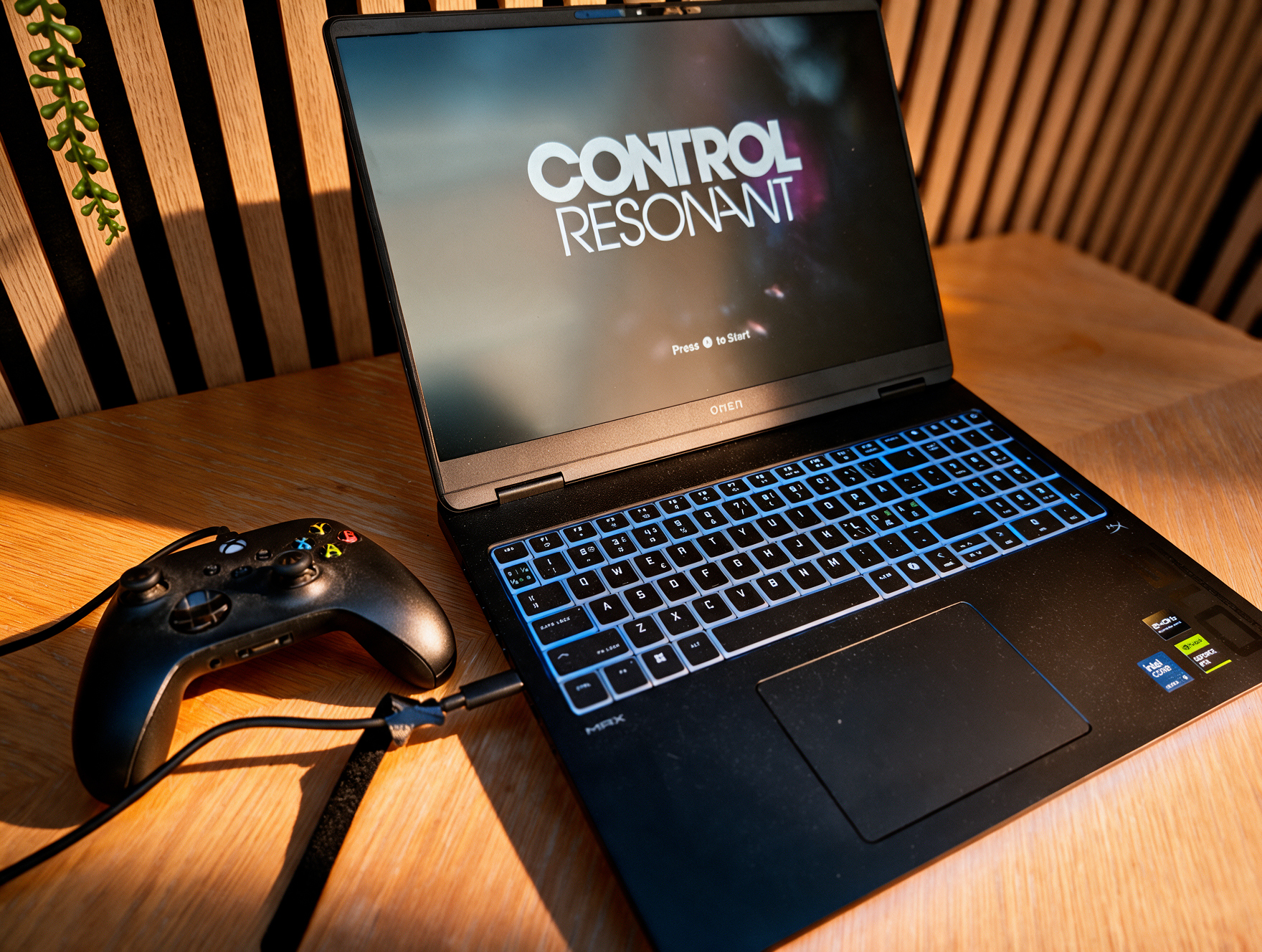
The industry response to such high-performance, thin-and-light gaming machines has been largely positive. Tech reviewers and industry professionals have noted that the "dual-purpose" nature of these laptops has effectively blurred the lines between the workstation and the console. As the demand for mobile content creation tools continues to rise, the Omen Max 16 stands as a benchmark for what is possible when high-end gaming hardware is optimized for professional utility.
Ultimately, the Omen Max 16 represents a shift in how we categorize hardware. It is no longer sufficient to label a laptop as simply a "gaming machine" or a "workstation." The modern professional requires a device that can pivot instantly from the technical rigors of rendering a 3D scene to the high-fidelity graphical demands of modern gaming. For those who are committed to a path in digital arts or software development, the Omen Max 16 provides the necessary overhead to grow, provided the user is prepared for the financial commitment required to own such a high-performance, future-ready tool. Whether this justifies the premium cost remains a subjective decision, but from a purely technical standpoint, it is a formidable machine that bridges two worlds with relative ease.