How Bullet For My Valentine Redefined Modern Metal, Simplified Their Sound, and Paid Homage to Dimebag Darrell

As one of the most commercially successful and enduring heavy metal acts to emerge from the United Kingdom during the early 2000s, Bullet For My Valentine (BFMV) carved a permanent niche in the global rock pantheon. Originating from Bridgend, Wales, in 1998—initially under the moniker Jeff Killed John—the band mastered the art of fusing classic heavy metal archetypes with contemporary melodic sensibilities, aggressive thrash riffs, and emotionally resonant post-hardcore undertones. Over a career spanning more than two decades, they have shared stages with monumental icons such as Metallica, Iron Maiden, and Slayer, steadily bridging the gap between underground extreme metal and mainstream radio accessibility.
This evolution reached a defining creative juncture in 2018 with the release of their sixth studio album, Gravity. Marking a distinct stylistic departure from the breakneck technicality and sprawling guitar heroics of their earlier releases, the record prioritized streamlined songwriting, atmospheric textures, and direct melodic hooks. In an in-depth archival interview discussing the creative philosophy behind Gravity, frontman Matt Tuck and lead guitarist Michael “Padge” Paget offered rare insight into their evolving studio methodologies, the psychological dynamics of their enduring musical partnership, and their reverence for the foundational guitar tones of the past.
The Evolution of BFMV’s Studio Craft: From Technical Overload to Minimalist Impact
When Bullet For My Valentine entered the studio to record Gravity, both Tuck and Paget were acutely aware that fans expected the blistering speed and intricate dual-lead harmonies that defined breakthrough albums like 2005’s The Poison and 2008’s Scream Aim Fire. However, the creative principals felt that persistently chasing technical complexity had become creatively restrictive rather than liberating.
“[Gravity] is a lot more simple and foundation-based, rather than the crazy riffs and solos and technical stuff, which we’ve done to death,” Matt Tuck explained during the 2018 retrospective. According to the frontman, moving away from hyper-complex guitar arrangements transformed the recording process from a stressful endurance test into an enjoyable, creatively fulfilling experience.
For career guitarists who spent decades obsessing over tonal nuances and intricate fretboard acrobatics, pulling back required a deliberate psychological shift. “Being a guitar nerd, you really want to get into nuances and put your own identity into it all. But that brings stresses, so this time round a lot of it was more straightforward chords and riffs and clean patterns. It was a much more relaxed way of recording guitars,” Tuck added.
This minimalist philosophy extended directly into how the band handled multi-tracking in the studio. Rather than burying the mix under layers of densely stacked guitar tracks—a common practice in modern metal production designed to artificially inflate wall-of-sound density—BFMV embraced radical restraint.
“There’s one on the left and one on the right, that’s it! We didn’t double-track anything,” Tuck noted, contrasting the setup with their previous recording sessions. He pointed out that their third album, 2010’s Fever, was the last time they utilized a "quad" setup, which involved layering two distinct guitar tracks on the left channel and two on the right.
By the time they recorded 2013’s Temper Temper, the band began intentionally scaling back the arrangement density. Paradoxically, Tuck discovered that removing extraneous layers often makes the final mix sound larger and more impactful, while simultaneously cutting the tracking workload in half and doubling production efficiency.
The Chemistry of the Last Two Standing
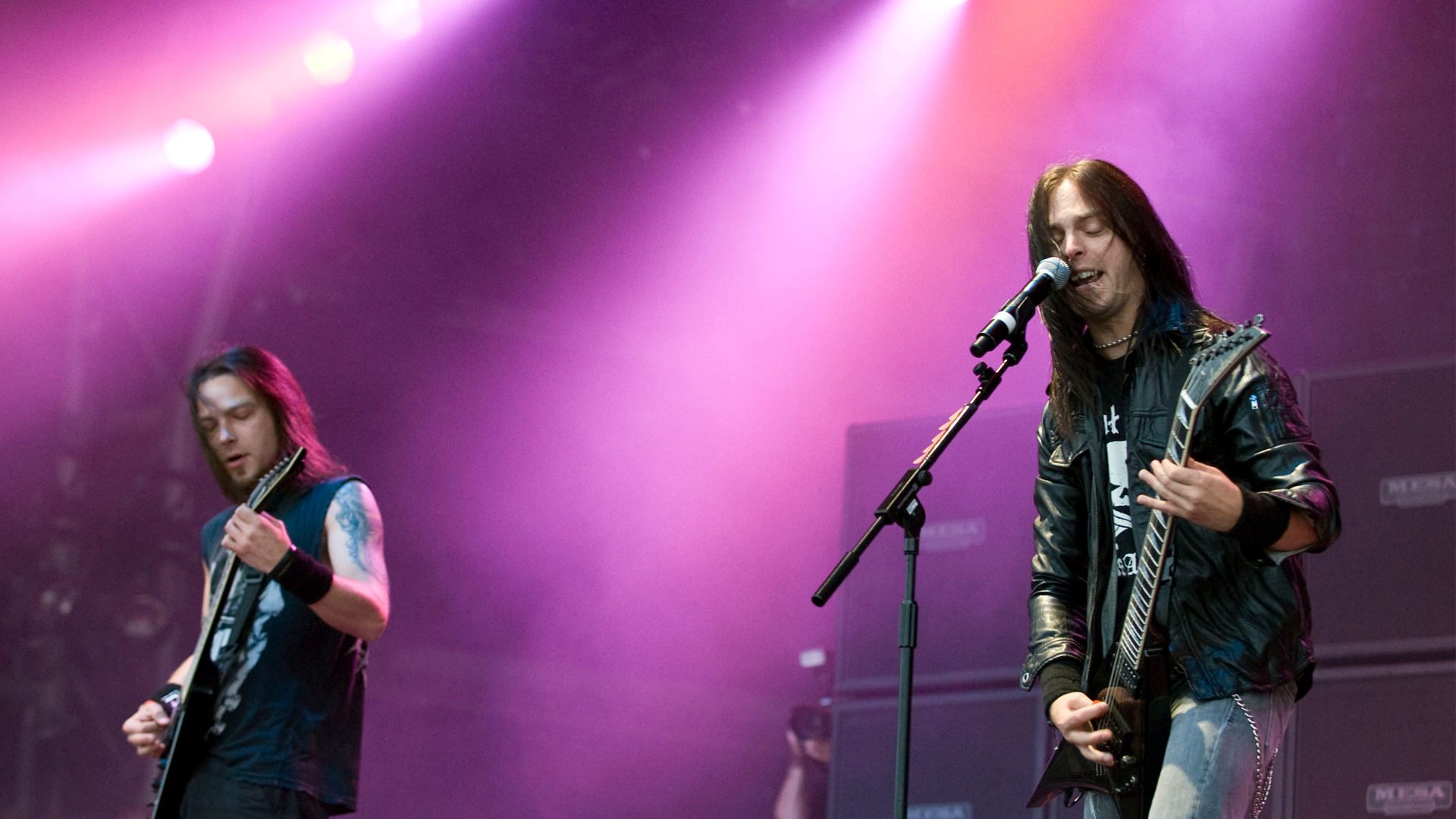
As the sole remaining original founding members of Bullet For My Valentine, Matt Tuck and Michael Paget represent the institutional heartbeat of the organization. Through numerous lineup shifts over the years—including the departures of founding bassist Nick Crandall, replacement bassist Jason James, and longtime drummer Michael Thomas—the dynamic between Tuck and Paget has remained the anchor keeping the band anchored and operational.
Reflecting on the secret to their long-term chemistry, Paget attributed their synchronized performance style to years of silent observation and mutual trust. “It probably comes from the time we’ve spent together. I’m a keen watcher! All the years we’ve been together means we know each other well,” Paget remarked. He recalled the realization hitting him during an isolated promotional playthrough video filmed in New York City without the rest of the touring lineup: “It blew me away when I heard how f**kin’ tight we were. Without nothing else going on around, we were both just hearing guitars—it’s quite magical whenever it sinks in.”
Tuck echoed this sentiment, emphasizing that shared professional endurance and mutual alignment of career goals created a functional yin-and-yang partnership. Because both musicians occupy parallel sonic roles within the ensemble, competition is replaced by collaboration. Over years of touring and recording, both artists matured past individual ego, prioritizing what serves the overarching composition rather than seeking personal technical validation. “We’ve both progressed massively over the years; we both want what’s best for the song rather than the individual,” Tuck stated.
The Holy Grail of Guitar Tone: Paying Homage to Dimebag Darrell

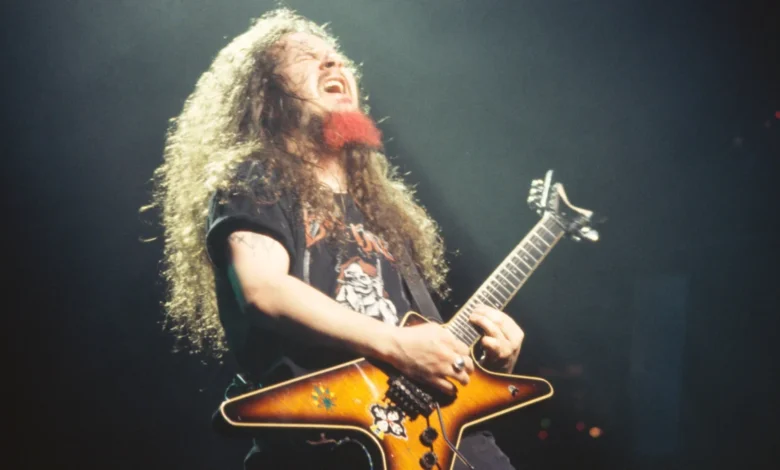
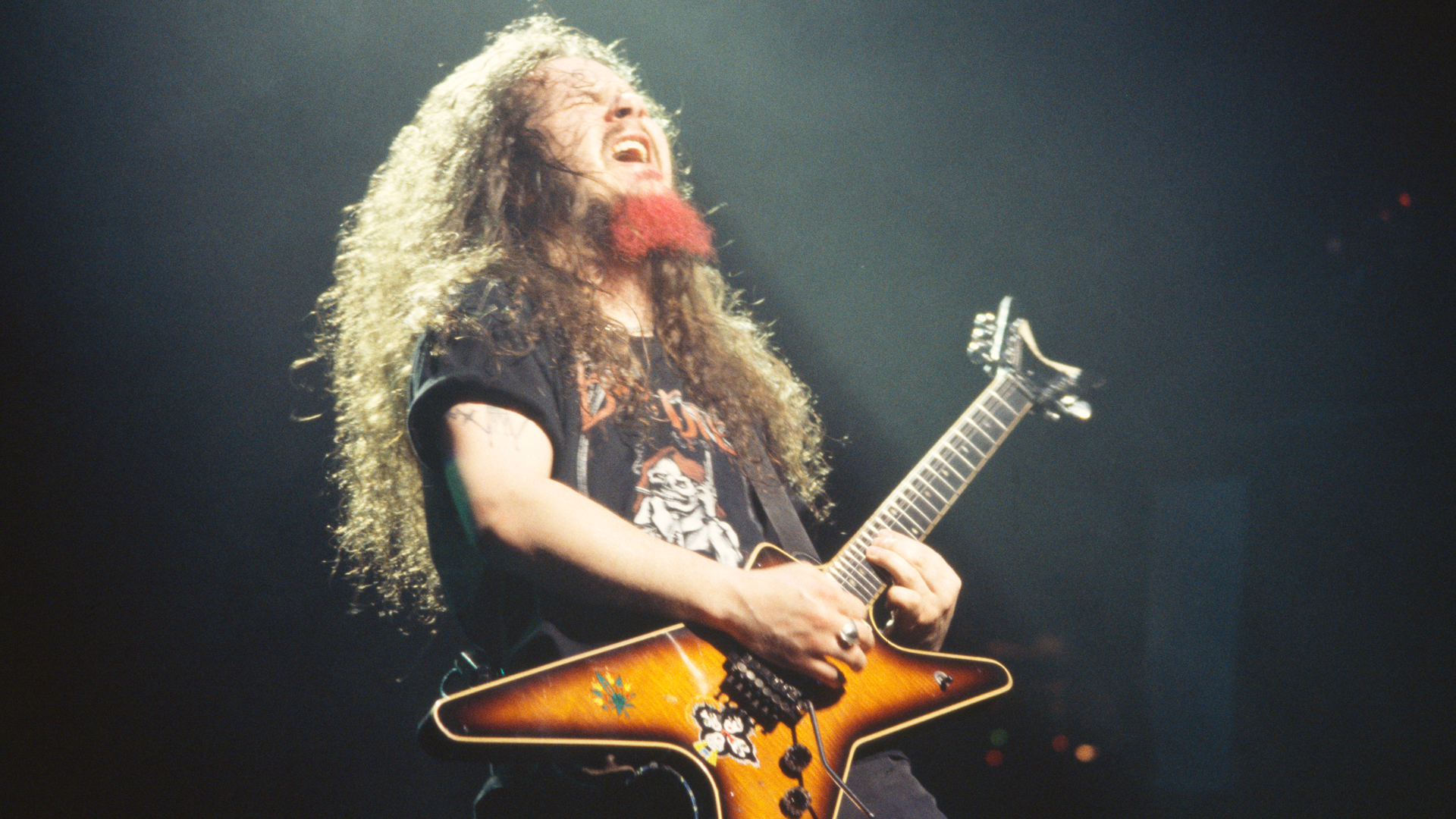
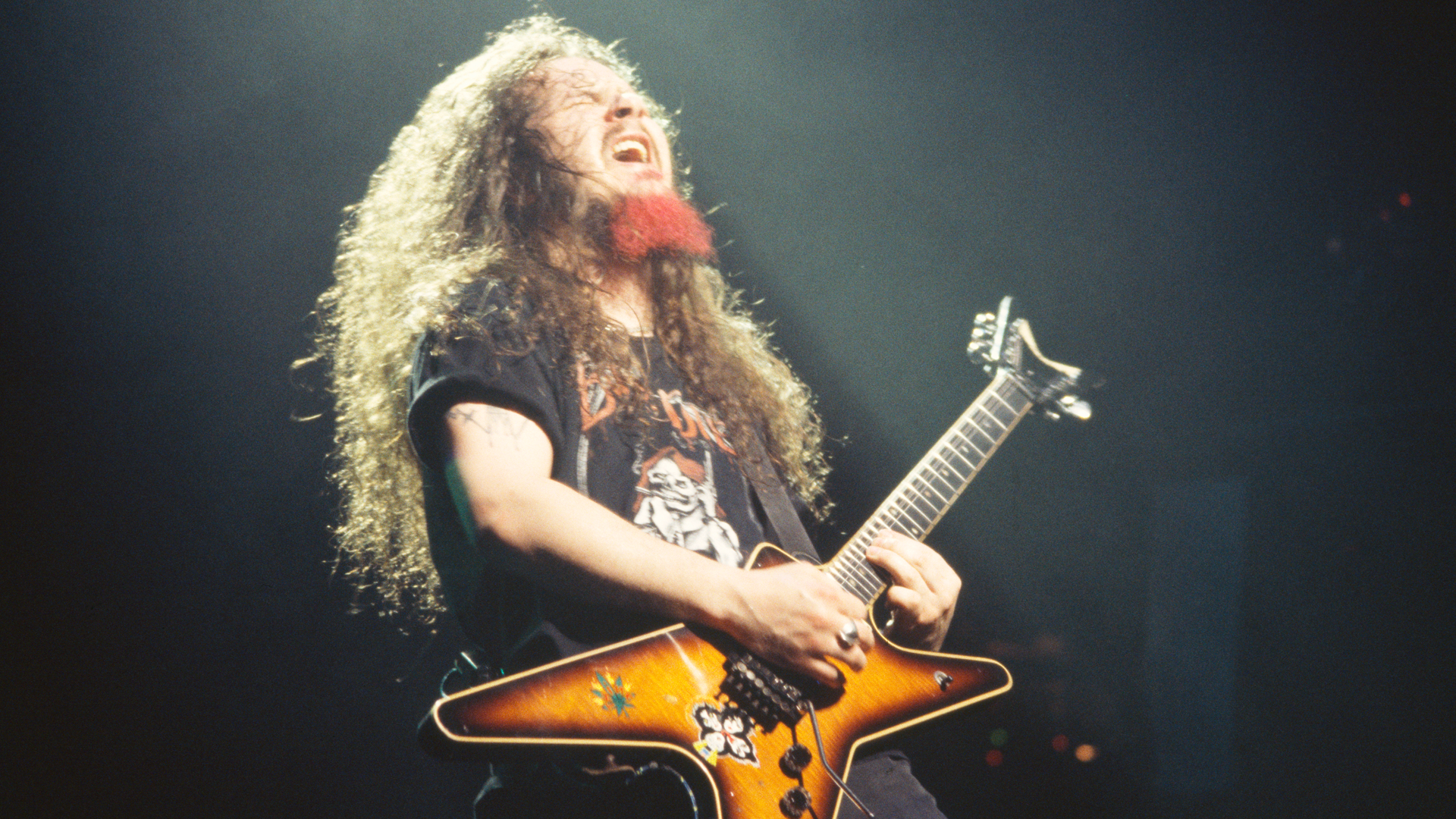
Towards the conclusion of their 2018 retrospective, the discussion pivoted from internal band mechanics to broader historical perspectives on rock music, specifically regarding the most iconic guitar tones of all time. For Matt Tuck, the definitive pinnacle of guitar tone belongs firmly to the late Pantera icon Dimebag Darrell (Darrell Lance Abbott), specifically on the Texas groove metal pioneers’ landmark 1992 major-label breakthrough, Vulgar Display of Power.
Released via Atco Records, Vulgar Display of Power is widely regarded as a watershed moment in heavy music history, shifting the genre away from late-80s thrash toward a heavier, down-tuned, groove-oriented sound. At the center of that sonic revolution was Dimebag Darrell’s aggressive, instantly recognizable guitar work.
“The most iconic guitar tone of all-time for me is on Pantera’s Vulgar Display of Power. It’s just crushing… though not a regular sounding tone, it’s very honky and scooped,” Tuck explained. He highlighted the distinctive midrange characteristics and unique frequency profile that allowed Darrell’s rhythms and soaring, harmonized lead lines to cut through dense mix environments with razor-sharp precision. “The lead tones that Dimebag had on that album were beautiful and so individual. No-one else sounded like that, which made him very rare.”
Furthermore, Tuck emphasized that Darrell’s tone was fundamentally inseparable from his physical touch, refuting the common misconception that legendary guitar sounds can be easily replicated simply by purchasing identical gear.
“Players don’t usually have that much identity. You could give someone else his guitar through his amp and it would sound like dogs**t—a lot of it was in the hands. That’s the holy grail of guitar playing… identity over anything else.”
Broader Implications and Legacy
The creative pivot documented during the 2018 Gravity era highlights a broader evolutionary trend within the heavy metal landscape of the 21st century. As legacy acts mature, many face the commercial and artistic dilemma of either replicating their early-career formulas indefinitely or risking alienation from purist fanbases by exploring mainstream accessibility, electronic textures, and simplified songwriting structures.
For Bullet For My Valentine, leaning into concise songwriting, efficient studio workflows, and mature melodic structures proved essential for long-term viability. By shedding the pressure to perpetually out-shred their past work, Tuck and Paget secured their creative freedom, demonstrating that true longevity in rock music relies less on relentless technical velocity and more on structural identity, emotional resonance, and unwavering musical chemistry.