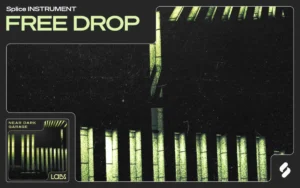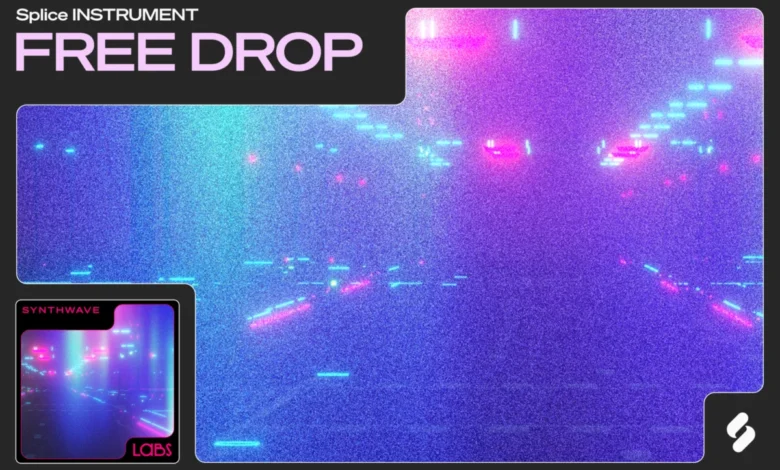
Splice has officially expanded its library of complimentary sound design assets with the latest arrival of "Free Drops" within the Splice INSTRUMENT ecosystem. As of September 18, 2026, the platform has released a new collection of textured timbres, headlined by the "Pastel Dusk Pad"—an 80s-inspired preset designed to integrate the warmth of analog-era synthesis into contemporary digital production workflows. This release marks a continuation of Splice’s strategy to lower the barrier to entry for professional-grade sound design tools by offering high-quality, royalty-free presets that users can claim and retain indefinitely during the monthly promotional window.
The integration of these drops into the Splice INSTRUMENT plugin reflects a broader industry trend toward subscription-based or platform-integrated sound management. By providing users with direct access to curated sounds within their digital audio workstation (DAW), Splice aims to streamline the creative process, reducing the friction often associated with external sample management and sound library organization.
The Evolution of the Free Drop Initiative
The "Free Drop" initiative is a strategic component of the Splice INSTRUMENT platform, which was designed to serve as a versatile instrument engine for modern producers. Since the platform’s inception, the focus has shifted from simple sample distribution to the provision of complex, playable instrument presets. These drops are not merely static audio files but are instead intricate patch configurations that allow for real-time manipulation of parameters, enabling producers to customize the timbre, envelope, and modulation of each sound.
Historically, Splice’s business model relied heavily on its cloud-based sample library. However, the move toward the INSTRUMENT plugin signals a pivot toward providing proprietary synthesis tools. This evolution mirrors a significant shift in the music technology market, where the demand for "plug-and-play" professional sounds has grown as the demographic of music creators has expanded to include more hobbyists and independent bedroom producers who require high-quality tools without the need for extensive synthesis expertise.
Technical Analysis: The Pastel Dusk Pad
The centerpiece of this month’s release, the Pastel Dusk Pad, represents a deep dive into retro-futuristic sound aesthetics. From a technical standpoint, the patch utilizes layered oscillators to simulate the characteristic drift and saturation of 1980s hardware synthesizers. The preset is calibrated to provide a wide stereo image, making it particularly suited for cinematic scoring and the increasingly popular synthwave and dream-pop genres.
According to the design specifications provided by the platform, the patch includes carefully mapped macros that allow users to alter the brightness and resonance of the pad without requiring a deep knowledge of the underlying synthesis engine. This design philosophy—prioritizing accessibility alongside sonic depth—is a cornerstone of Splice’s current development roadmap. The inclusion of the "Synthwave" pack, which accompanies the free drop, provides additional leads and keys, suggesting that Splice is focusing on cohesive, genre-specific bundles to ensure that users have a comprehensive toolset for their productions.
Chronology of the September Release
The deployment of the September 2026 update follows a consistent release cadence established earlier this year.
- Early September 2026: Initial testing of the new preset configurations within the beta channel of the INSTRUMENT plugin.
- September 15, 2026: Final quality assurance checks conducted on the integration of the "Free Drop" water-droplet icon, ensuring seamless user interface (UI) transitions.
- September 18, 2026: Official public release of the Pastel Dusk Pad and the associated industrial drum patches.
- Post-Release: Ongoing monitoring of server traffic and user engagement data to determine the efficacy of the "Free Drop" incentive program in increasing monthly active users (MAU).
Market Context and Industry Implications
The music software industry is currently undergoing a period of intense competition. Major players such as Native Instruments, Arturia, and Plugin Alliance have all intensified their efforts to provide "value-add" content to their existing customer bases. Splice’s decision to offer free, high-fidelity presets acts as both a user acquisition tool and a method for increasing retention.
Industry analysts note that the democratization of high-end sound design tools has significantly lowered the cost of entry for professional production. A decade ago, a producer would have required thousands of dollars in hardware synthesizers and rack units to achieve the sonic quality now available through a single Splice INSTRUMENT preset. This shift has led to a saturation of high-quality content, where the competitive advantage has moved from the ability to create a sound to the ability to curate the right sound quickly.
The implications for independent artists are significant. By providing tools that are "production-ready," platforms like Splice are effectively shortening the time between an initial creative impulse and a final master. However, this also raises questions regarding the homogenization of modern music. With thousands of users accessing the same "Free Drop" presets, there is a risk that the sonic palette of contemporary electronic music may become increasingly standardized. Splice has countered this argument by emphasizing that their presets are designed as starting points, intended to be manipulated and transformed by the user’s individual creative choices.
Access and Implementation
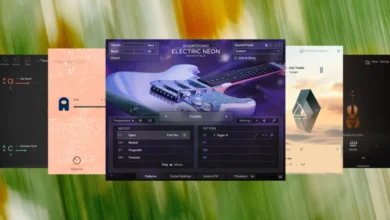
To access the new content, users must download the latest version of the Splice INSTRUMENT plugin. The software operates as a VST, AU, or AAX plugin, making it compatible with major industry-standard DAWs including Ableton Live, Logic Pro, FL Studio, and Pro Tools.
The "Free Drop" feature is explicitly identified within the plugin interface by a distinct water-droplet icon. Once the user clicks this icon, the drop-down menu populates with the current month’s offerings. This system is designed to incentivize regular engagement with the platform, as users must check back monthly to ensure they do not miss out on time-limited assets. Once claimed, the files are stored in the user’s cloud account, ensuring that they remain accessible for future projects regardless of changes to the subscription status of the user’s broader Splice account.
Future Outlook for Splice INSTRUMENT
Looking toward the remainder of 2026 and into 2027, it is anticipated that Splice will continue to expand the scope of its INSTRUMENT plugin. Observers expect to see the introduction of more complex synthesis engines, potentially incorporating machine learning or AI-driven sound design features that could further differentiate the platform from its competitors.
The company’s focus on industrial drums, cinematic synths, and retro-inspired textures indicates a strategic attempt to cover the most popular sub-genres within the current electronic music landscape. By staying aligned with these trends, Splice maintains its position as an essential utility for modern music production. As the industry continues to evolve, the ability to balance the technical demands of professional sound design with the ease-of-use required by the mass market will remain the defining challenge—and opportunity—for the platform.
For current users, the September release serves as a reminder of the platform’s ongoing commitment to expanding the library without additional costs. For prospective users, the "Free Drop" initiative acts as a risk-free introduction to the Splice INSTRUMENT ecosystem, providing a tangible example of the platform’s sonic capabilities and its potential to enhance the creative workflow. Whether used as a foundational layer in a complex arrangement or as the primary texture in a minimalist composition, the Pastel Dusk Pad is emblematic of the current state of digital music production: accessible, high-quality, and increasingly integrated into the cloud-native infrastructure of the modern studio.