Buffer vs Later A Comprehensive Analysis of Social Media Management Platforms for Modern Brands

The landscape of digital marketing has shifted from simple chronological updates to complex, cross-platform ecosystems requiring sophisticated management tools. For creators, agencies, and enterprise marketing teams, the selection of a social media management platform is no longer merely a matter of convenience; it is a fundamental decision that impacts workflow efficiency, budget allocation, and audience engagement metrics. As the industry matures, Buffer and Later have emerged as two of the most prominent contenders, yet they offer distinct architectural philosophies that cater to different operational needs.
Evolution and Market Positioning
Buffer, founded in 2010, initially launched as a minimalist scheduling tool designed to solve the problem of content distribution. Over the past decade, it has evolved into a comprehensive suite that emphasizes platform agnosticism and flexible, user-centric pricing. Its primary value proposition lies in its broad API integration and its ability to provide high-value features—such as basic analytics and AI-assisted content generation—to users on free or low-cost tiers.
Later, originally branded as "Latergramme," began its journey in 2014 with a singular focus: visual planning for Instagram. This heritage remains central to its identity today. Later is frequently favored by brands that prioritize the aesthetic cohesion of their social feeds, particularly on visual-heavy platforms like Instagram and Pinterest. While it has expanded its capabilities to include multi-channel support, its core infrastructure remains optimized for the "grid-first" workflow that defines modern influencer and lifestyle marketing.
Comparative Infrastructure and Pricing Models
The most significant divergence between these two platforms lies in their pricing structure. Buffer employs a channel-based model, allowing organizations to select and pay for only the specific accounts they need to manage. This granular approach provides high cost-predictability for solopreneurs and small businesses, as the price is tethered to the number of active channels rather than a bundled package.
Conversely, Later utilizes a "social set" architecture. A social set typically includes one profile per supported network. This bundled approach simplifies management for brands that have a presence on every major platform, but it can introduce inefficiencies for niche brands that may require, for example, three LinkedIn pages but no Instagram presence. Because Later mandates these bundles, users with specific platform requirements may find themselves paying for unused capacity.
User seat management further differentiates the two. Buffer’s "Team" plan allows for unlimited users, a feature that has made it a preferred choice for growing organizations looking to avoid "seat tax." Later implements a tiered user-seat policy, where additional users beyond the base allotment must be purchased at a monthly rate. This makes Later’s cost-to-scale ratio significantly higher for larger marketing teams compared to Buffer’s flat-fee structure.
Technical Capabilities and Platform Support
As of 2025, the breadth of platform support serves as a key differentiator. Buffer maintains a broader footprint, currently supporting 11 platforms, including professional and decentralized networks such as LinkedIn, X (formerly Twitter), Bluesky, Mastodon, and Google Business Profile. This makes Buffer the more versatile choice for organizations focused on thought leadership, B2B engagement, and news dissemination.
Later supports eight platforms, concentrating heavily on visual-first networks: Instagram, TikTok, YouTube, Snapchat, and Pinterest. By excluding platforms like X and Mastodon, Later intentionally narrows its focus to the "creative economy," where high-fidelity visual content is the primary driver of engagement.
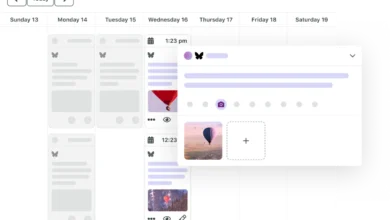
Regarding automation and scheduling, both platforms have adapted to the technical constraints imposed by social media APIs. Both tools offer auto-publishing for most professional accounts; however, they remain subject to the limitations of the underlying social networks. For instance, the transition of Instagram toward creator-friendly tools has influenced how both platforms handle Stories and Reels. Buffer provides a more robust notification-based system for personal profiles, while Later offers an advanced visual drag-and-drop calendar that remains the industry benchmark for grid-planning precision.
The Role of Artificial Intelligence in Content Operations
The integration of generative AI has become a baseline requirement for social management tools. Buffer has opted for a democratization strategy, providing unlimited AI content generation across all plans, including its free tier. This approach serves to lower the barrier to entry for creators who may lack the resources to hire dedicated copywriters.
Later’s implementation of AI is more strategic and credit-limited. By tying AI features to a credit system on paid plans, Later manages the computational load while encouraging users to utilize AI as a supplementary tool for ideation rather than a primary content factory. This reflects a broader philosophy where the tool acts as a curator of visual assets rather than a generator of text-based volume.
Engagement and Analytics: A Data-Driven Perspective
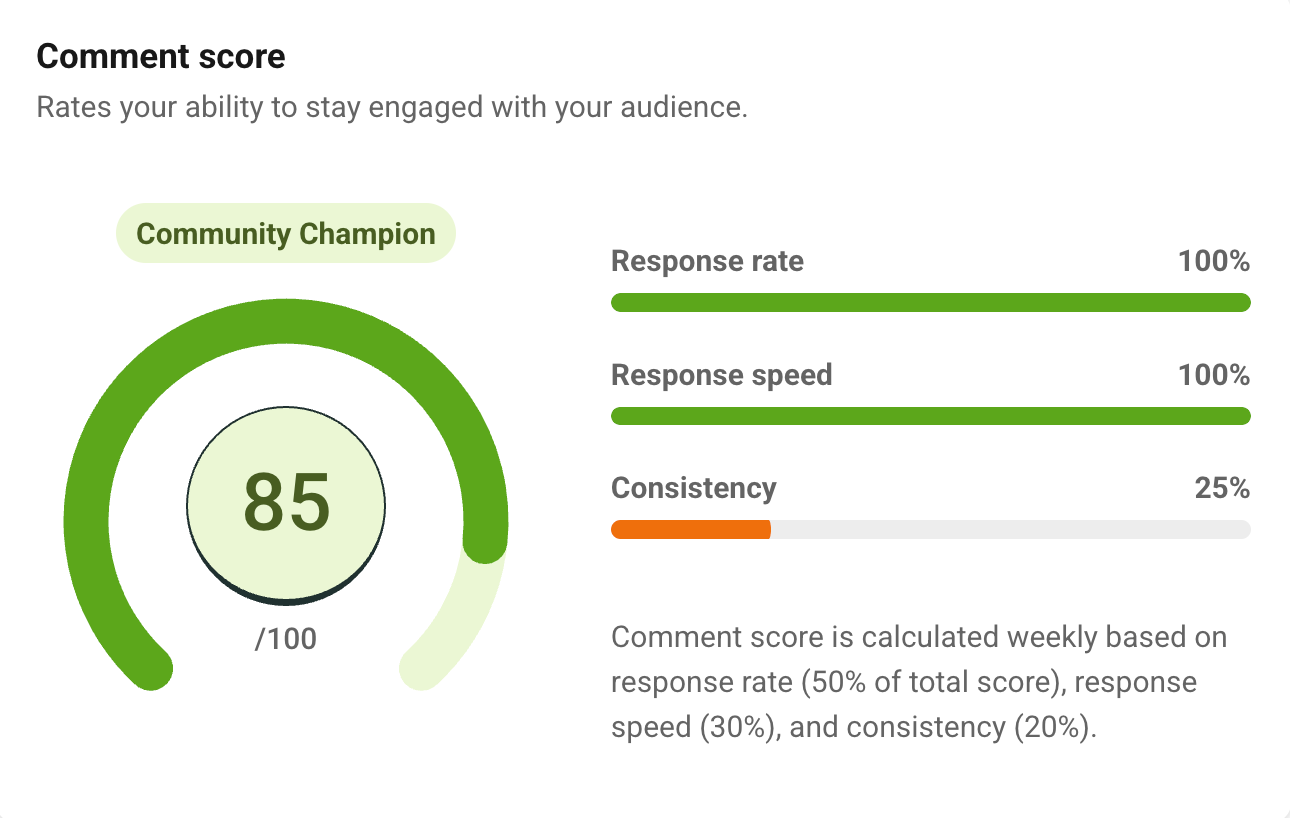
Effective social media management requires not only the distribution of content but also the interpretation of performance data. Buffer provides a "Community" inbox that aggregates interactions across its 11 supported platforms. The inclusion of a "comment score"—a metric that tracks response time and consistency—provides actionable data for teams seeking to improve their social customer service.
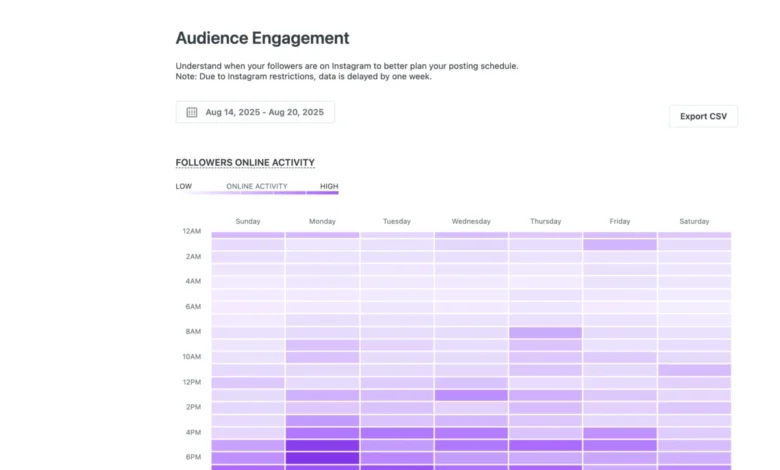
Later’s social inbox is reserved for its team-oriented tiers, focusing heavily on visual feedback loops. Its analytics suite excels in demographic breakdowns and "best time to post" algorithms, which are highly tuned for Instagram and TikTok. While Later lacks the broad, cross-platform reporting depth found in some enterprise tools, it provides highly granular insights for its supported visual platforms.
Strategic Implications for Organizations
The choice between Buffer and Later depends on the organizational priority. Data-driven organizations, B2B entities, and those requiring extensive team collaboration without per-seat overhead often find that Buffer’s flexibility and expansive platform support align better with their operational objectives. The ability to use a public API and connect to diverse networks makes Buffer a more modular component in a broader tech stack.
Conversely, brands that operate primarily as visual content creators—such as e-commerce shops, lifestyle influencers, and visual arts studios—often find Later’s specialized environment superior. The ability to manage an Instagram grid, utilize Linkin.bio features for Shopify conversions, and lean into influencer marketing modules provides a distinct advantage for brands where visual engagement is directly correlated to revenue.
Industry Outlook
As social media platforms continue to evolve—particularly with the rise of decentralized networks and the increasing demand for short-form, high-velocity video content—the gap between these two tools is likely to widen. Buffer is positioned to capitalize on the fragmentation of the social web, offering a stable "home base" for disparate accounts. Later is positioned to dominate the visual commerce sector, integrating deeper with e-commerce platforms and influencer relationship management tools.
For any brand, the selection of a management platform should follow an audit of current channel performance and team composition. For those who prioritize cost-efficiency and wide-reaching, multi-platform presence, Buffer offers a transparent, scalable solution. For those for whom the visual feed is the primary storefront, Later offers a specialized, albeit higher-cost, environment designed to convert visual interest into actionable metrics. The decision remains a trade-off between the versatility of a generalist platform and the precision of a specialist tool.
Related posts: