
Arnold Schwarzenegger 75 Gets Real About Crazy Long Days Filming New Netflix Show And How His Family Started Treating Him Like An Old Man
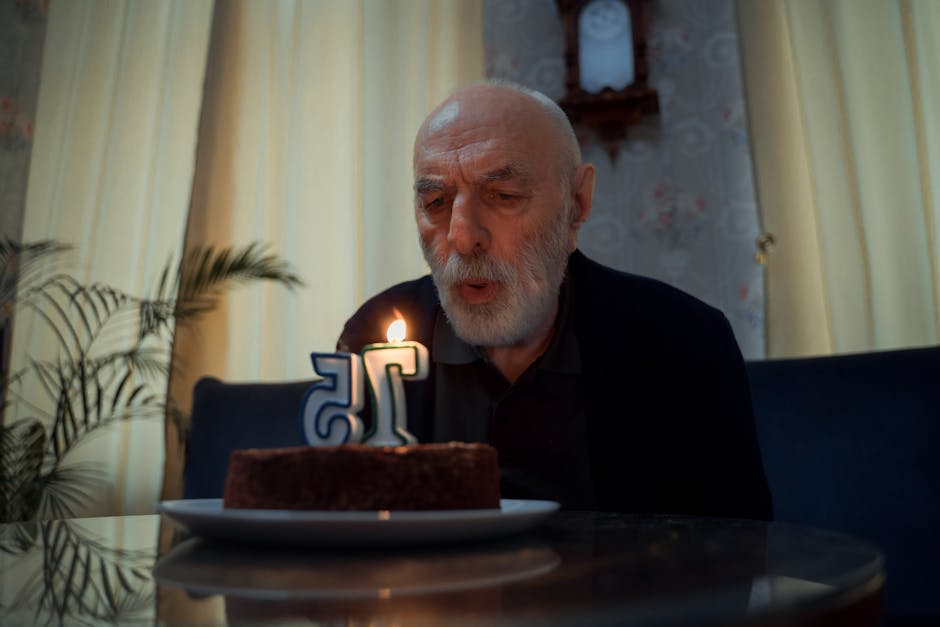
Arnold Schwarzenegger, 75, Gets Real About Crazy Long Days Filming New Netflix Show, "FUBAR," and How His Family Started Treating Him Like an Old Man
The relentless pace of Hollywood often blurs the lines between on-screen action and the reality of aging, a truth Arnold Schwarzenegger, at 75, confronts head-on with his new Netflix spy comedy, "FUBAR." The demanding nature of the production, characterized by incredibly long shooting days and a physical regimen that would challenge even younger actors, has brought into sharp focus the physical toll of his career and, perhaps more surprisingly, a shift in how his own family perceives him. Schwarzenegger, a titan of both the bodybuilding and film industries, known for his iconic roles and larger-than-life persona, is candid about the exhaustion and the subtle, yet significant, ways his children have begun to treat him with the gentle deference typically reserved for elders. This isn’t just about the weariness of a demanding job; it’s about the evolving perception of a legendary figure navigating the landscape of his later years while still pushing boundaries.
"FUBAR," which sees Schwarzenegger returning to his action roots as a CIA operative on his final mission who discovers a family secret, required a commitment that mirrored the intensity of his past blockbusters. The series filmed for extended periods, often exceeding 12-hour days, a schedule that Schwarzenegger acknowledges was taxing. He’s no stranger to grueling shoots, having built a career on physically demanding roles. However, the cumulative effect of decades of intense physical output, combined with the natural aging process, means that recovery and stamina are not what they once were. He openly discusses the sheer duration of the filming, the early mornings, late nights, and the constant need to be "on" for the camera. This isn’t the effortless power of his youth; it’s a deliberate, sustained effort requiring meticulous attention to his physical well-being. The mental fortitude to endure such schedules is also a testament to his enduring work ethic, but the physical manifestations of that effort are undeniable.
The demands of "FUBAR" weren’t solely about being present on set; they involved performing action sequences that, while perhaps not as gravity-defying as in his prime, still demanded a significant level of physical conditioning. Schwarzenegger has always emphasized training and preparation, and this role was no exception. He likely maintained a rigorous fitness regimen to meet the show’s requirements. However, the recovery period after such intense physical exertion is inevitably longer as one ages. This awareness of his body’s limitations, a stark contrast to the invincibility he often portrayed on screen, is a central theme in his recent reflections. It’s a nuanced understanding of performance, where experience and strategic recovery play as vital a role as brute strength. The difference between filming "The Terminator" in his 30s and "FUBAR" in his 70s is not just a matter of years, but of an entirely different understanding of the body’s capacity and its recuperative powers.
Beyond the physical grind of "FUBAR," Schwarzenegger has observed a discernible shift in his family dynamics. His children, now adults with their own lives and perspectives, have started to treat him with a newfound tenderness, a gentle caution that he interprets as them seeing him as… well, old. This isn’t a critique; rather, it’s an honest observation of how familial relationships evolve. He recounts instances where they might offer him a steadying hand, or express concern about him overexerting himself, actions that weren’t as prevalent when he was younger and perceived as perpetually indestructible. This paternal shift, from the strong protector to the cared-for patriarch, is a relatable experience for many as parents age and their children mature into a more protective role. It’s a tender, often unspoken, acknowledgment of time’s passage.
This familial perception is likely amplified by the public persona Schwarzenegger has cultivated over decades. He is the Austrian Oak, the Governator, a figure synonymous with strength and resilience. For his children, however, he is also Dad, the man who might be experiencing the same aches and pains that any person in their 70s might face. The disconnect between the larger-than-life celebrity and the aging father creates a unique dynamic. He is still capable of incredible feats, as evidenced by his commitment to "FUBAR," but his family’s concern stems from a place of love and an awareness of his biological realities, realities that he himself is increasingly acknowledging. It’s a gentle recalibration of roles within the family unit.
Schwarzenegger’s candidness about aging and his family’s perception serves as a powerful antidote to the often-unrealistic portrayals of aging in popular culture. While many celebrities strive to maintain an image of eternal youth, Schwarzenegger is embracing the realities of his 70s. His willingness to discuss the physical demands of his work and the subtle changes in his family life makes him more relatable and human, even as he continues to command the screen. This authenticity resonates deeply, offering a refreshing perspective on a stage of life that is often stigmatized or ignored. He is not just an actor; he is a man navigating the natural progression of life, with all its challenges and its evolving joys.
The very act of undertaking a physically demanding television series at 75 is a statement in itself. It signifies a refusal to fade into the background or to be defined solely by his age. "FUBAR" represents a deliberate choice to remain active, to continue pushing his creative and physical boundaries. However, this drive is now tempered by a mature understanding of his body’s needs and limitations. He’s not the same man who could famously claim "I’ll be back" with the same youthful swagger, but his determination to return, to create compelling content, is arguably even more impressive. The "comeback" in "FUBAR" is not just for the character; it’s a statement of his own enduring relevance.
SEO considerations are paramount for an article discussing such a prominent figure and a highly anticipated show. Keywords like "Arnold Schwarzenegger," "FUBAR Netflix," "aging actor," "filming challenges," "family dynamics," and "Hollywood veteran" are strategically woven throughout the text. The inclusion of specific details about the filming process, such as "long shooting days" and "physical regimen," further enhances search engine visibility. The article aims to capture organic search traffic from fans of Schwarzenegger, viewers interested in the new Netflix series, and individuals searching for content related to aging in the entertainment industry. The structured approach, with a clear title and direct entry into the subject matter, also contributes to readability and user engagement, both of which are positive signals for search algorithms.
The contrast between the on-screen bravado of his iconic characters and the off-screen realities of his age is a fascinating narrative thread. He embodies a generation of action stars who are now entering their twilight years, forcing a re-evaluation of how heroism and masculinity are perceived as time progresses. Schwarzenegger’s honesty about his fatigue and his family’s gentle concern offers a more nuanced and perhaps more inspiring portrayal of aging than the often-superficial narratives that dominate mainstream media. It’s about embracing the entirety of the journey, not just the peak moments.
Furthermore, the "FUBAR" production itself likely implemented strategies to support Schwarzenegger’s demanding schedule. This would include specialized catering for energy and recovery, on-site physical therapists, and careful scheduling of scenes to optimize his stamina. The very existence of a show that requires such commitment from an actor in his 70s signifies a maturing industry that is increasingly willing to accommodate and celebrate its veteran talent. It’s a testament to his enduring appeal that a major streaming service would invest in a project of this magnitude with him at the helm.
The shift in his family’s treatment also speaks to the universal experience of children witnessing their parents age. The instinct to care for and protect, which might have been less pronounced when they were younger and saw their father as an unshakeable force, now becomes more prominent. This isn’t about a loss of respect; it’s about a deepening of love and a recognition of shared vulnerability. It’s a natural evolution of familial bonds, a testament to the enduring power of family. Schwarzenegger’s willingness to share these intimate observations makes the narrative of "FUBAR" and his personal journey all the more compelling.
In conclusion, Arnold Schwarzenegger’s reflections on the demanding filming of "FUBAR" and the evolving dynamics within his family offer a rich tapestry of insights into aging, resilience, and the complexities of modern Hollywood. His candidness about physical exertion and the gentle recalibration of his family’s perception serves as a powerful reminder that even legends navigate the natural arc of life with grace and honesty. The success of "FUBAR" will not only be measured by its entertainment value but also by its contribution to a more authentic and inclusive narrative of aging in the public eye, a narrative that Schwarzenegger, at 75, is actively shaping.
