
As Swarm Stirs Up Beyonce Comparisons Its Creator Reveals She Wrote Singer A Letter This Is Not A Crusade To Tear Down Anyones Reputation
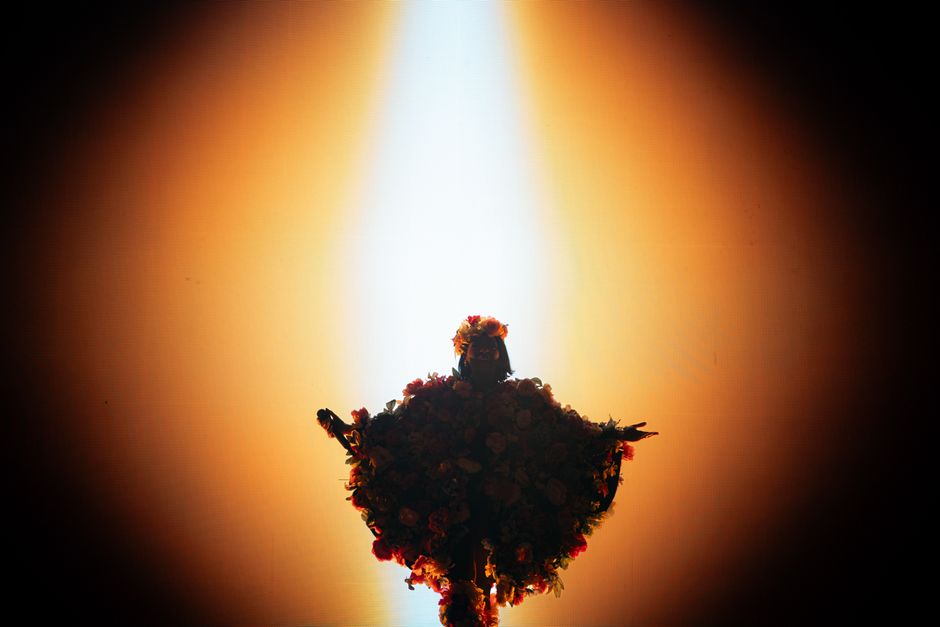
The Beyhive Buzzes: Artist’s "Swarm" Sparks Beyoncé Comparisons, Creator’s Letter Revealed
The art world is abuzz, and a particular online community, the Beyhive, is feeling the seismic tremors. A recent art installation, aptly titled "Swarm," has ignited a firestorm of discussion, drawing immediate and insistent comparisons to the visual aesthetic and conceptual underpinnings of global superstar Beyoncé. The creator of "Swarm," a multidisciplinary artist known for their immersive and thought-provoking work, has now come forward to reveal a personal connection to the singer, admitting to having written her a letter regarding the project. This revelation has only amplified the discourse, shifting the conversation from mere aesthetic parallels to a deeper exploration of artistic influence, interpretation, and the very nature of originality in a hyper-connected cultural landscape. It is crucial to state upfront that this exploration is not a crusade to tear down any individual’s reputation, be it the artist’s or the singer’s, but rather an examination of the intricate web of inspiration and reception that defines contemporary art and celebrity.
"Swarm," upon its unveiling, presented a visceral and overwhelming sensory experience. Visitors described being enveloped by a dense, pulsating mass of meticulously crafted elements, evoking a sense of both awe and unease. The use of repetitive forms, a specific color palette often associated with regal power and ephemeral beauty, and the sheer scale of the installation immediately drew parallels to Beyoncé’s meticulously curated visual albums and her stage performances, which are renowned for their intricate choreography, symbolic imagery, and commanding presence. Online forums and social media platforms quickly lit up with users dissecting the similarities, pointing to specific motifs, textures, and even the emotional resonance of "Swarm" as being remarkably aligned with Beyoncé’s artistic output. The term "Beyoncé-esque" was bandied about with increasing frequency, a testament to the pervasive and powerful imagery the singer has cultivated throughout her career.
The artist, who has requested anonymity while the initial wave of discussion subsides, confirmed in a recent statement that they had, in fact, penned a letter to Beyoncé prior to the public reveal of "Swarm." The content of this letter remains undisclosed, adding an enigmatic layer to an already compelling narrative. However, the artist’s decision to reach out directly to the subject of such potent comparisons suggests a complex relationship with the influence they are perceived to embody. It indicates a level of intentionality, perhaps a desire to acknowledge, engage with, or even preempt the inevitable discussions surrounding their work. The act of writing a letter, in this context, transcends a simple fan-artist interaction; it signals a deliberate engagement with the larger cultural conversation that their art has initiated.
The "swarm" metaphor itself is rich with potential interpretations. In nature, a swarm signifies collective action, unified purpose, and an overwhelming, almost unstoppable force. This resonates deeply with the organized and dedicated fanbase of Beyoncé, the Beyhive, who are known for their unwavering support and their powerful online presence. The installation’s ability to evoke a similar sense of collective energy and impact has undoubtedly contributed to the strength of the comparisons. The artist’s choice of title, therefore, might be seen as a deliberate nod to this very phenomenon, a recognition of the power of a unified collective, whether it be a hive of insects or a dedicated fandom.
Delving deeper into the artistic parallels, one can observe the strategic use of symbolism in both "Swarm" and Beyoncé’s visual language. The repetitive, organic forms in the installation can be interpreted as mirroring the intricate patterns found in nature, reminiscent of the visual motifs that often underpin Beyoncé’s explorations of femininity, heritage, and empowerment. The artist’s meticulous craftsmanship and the sheer labor involved in creating "Swarm" also echo the dedication and attention to detail that are hallmarks of Beyoncé’s album rollouts and touring productions. It is this shared commitment to immersive, multi-layered artistic experiences that fuels the perception of a profound connection.
The question of influence versus appropriation is, of course, at the heart of any discussion when such strong aesthetic and thematic parallels emerge. Is "Swarm" an homage, a deliberate reinterpretation, or a case of artistic subconscious bleeding into conscious creation? The artist’s letter to Beyoncé suggests a willingness to engage with these questions directly, rather than allowing them to be debated solely in the public sphere. It implies a potential desire to clarify their intentions, to offer their perspective on the relationship between their work and the cultural impact of the singer. This proactive approach is unusual and adds a compelling layer of introspection to the unfolding narrative.
Beyoncé herself has consistently pushed the boundaries of artistic expression, utilizing her platform to explore complex themes of race, gender, identity, and power. Her visual albums, in particular, have set a new standard for narrative filmmaking within the music industry, blending music, dance, fashion, and visual art into cohesive and impactful statements. The very nature of her work encourages deep analysis and interpretation, making it a fertile ground for other artists to draw inspiration from. "Swarm," in its ambition to create a similarly enveloping and thematically resonant experience, can be seen as a testament to Beyoncé’s influential position as a cultural architect.
It is vital to reiterate that this analysis is not intended to diminish the unique artistic vision of the creator of "Swarm" or to suggest any form of artistic impropriety on their part. The history of art is replete with examples of artists influencing and being influenced by their contemporaries and predecessors. The question is not whether influence exists, but rather how that influence is acknowledged, transformed, and integrated into new creative outputs. The artist’s decision to write to Beyoncé suggests a nuanced understanding of this dynamic, a recognition that their work, in its current form, has entered into a dialogue with the broader cultural landscape shaped by the singer.
The "swarm" concept also allows for an exploration of the individual within the collective. While the installation engulfs the viewer, it is composed of countless individual elements. Similarly, the Beyhive, while a powerful collective, is comprised of millions of individuals with their own interpretations and experiences of Beyoncé’s art. The artist’s work, therefore, can be seen as reflecting this duality – the overwhelming power of a unified force and the intricate beauty of its constituent parts. This resonates with Beyoncé’s own artistic trajectory, which often celebrates the strength of the individual within the context of community and shared experience.
The psychological impact of "Swarm" is another crucial element contributing to the Beyoncé comparisons. Both the installation and Beyoncé’s artistic presentations often evoke strong emotional responses, ranging from empowerment and joy to introspection and even a sense of catharsis. The artist’s ability to tap into this emotional resonance, to create an experience that elicits such profound feelings in the viewer, is a testament to their artistic skill. This shared capacity for emotional impact further solidifies the perceived connection between "Swarm" and the work of Beyoncé, who is a master of crafting experiences that connect with audiences on a deeply personal level.
The artist’s future engagement with this situation, particularly in relation to the letter they sent, will be keenly observed. Will they offer further clarification on their intentions? Will Beyoncé respond, either directly or indirectly? The very existence of the letter opens up a new avenue for understanding the artist’s process and their relationship to the cultural figure they have inadvertently, or perhaps intentionally, invoked. It transforms the narrative from one of passive observation to one of active engagement, adding a compelling human element to the discourse surrounding "Swarm."
Ultimately, the "Swarm" installation and its creator’s correspondence with Beyoncé offer a fascinating case study in contemporary art and cultural influence. The comparisons to Beyoncé are not merely superficial observations but are rooted in a shared understanding of impactful visual storytelling, symbolic language, and the creation of immersive, emotionally resonant experiences. The artist’s proactive communication suggests a desire to navigate this complex terrain with integrity and transparency. This is not a situation designed to detract from anyone’s achievements, but rather an opportunity to appreciate the intricate ways in which art, inspiration, and cultural figures interact and shape our collective understanding of creativity. The Beyhive’s heightened awareness is a testament to their engagement with art and culture, and "Swarm" has undeniably provided them with a new and thought-provoking subject for their discerning gaze. The conversation surrounding "Swarm" is far from over, and its creator’s direct outreach has only added fuel to an already captivating fire.
