A Photographer’s Guide to Capturing the Nuances of Asian Wedding Tea Ceremonies

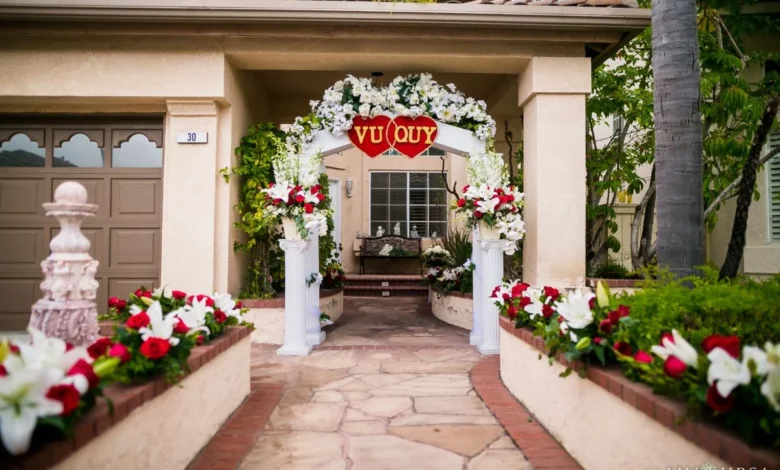
The tea ceremony, a cornerstone of traditional weddings in many East and Southeast Asian cultures, including Chinese and Vietnamese communities, is a profound ritual steeped in respect, family honor, and the solemn commitment of a new union. Far more than a simple beverage service, it symbolizes the couple’s gratitude towards their elders and their pledge to each other. Typically held at the bride’s family residence, the ceremony can also unfold in diverse settings such as elegant hotel ballrooms, serene gardens, or dedicated wedding venues. For photographers and cinematographers tasked with documenting this significant event, a deep understanding of its cultural context, intricate details, and logistical demands is paramount to producing evocative and enduring imagery. This comprehensive guide offers insights and practical advice for capturing the essence of this cherished tradition.

Understanding the Significance and Variations of the Tea Ceremony
The tea ceremony serves as a formal introduction of the bride and groom to their respective families, demonstrating filial piety and the exchange of blessings. It is a moment where the couple, often dressed in traditional attire, serves tea to their parents, elder relatives, and sometimes close family friends. This act of serving tea is a gesture of profound respect, acknowledging the sacrifices and guidance provided by their elders. In return, the elders offer words of wisdom, blessings, and often gifts or red envelopes (hongbao) containing money, symbolizing good fortune.

The specific execution of the tea ceremony can vary significantly between families and regions. Some Vietnamese couples, for instance, may observe two distinct ceremonies: one at the bride’s home and another at the groom’s. In other instances, a single ceremony may suffice, or in some modern interpretations, particularly when a couple bridges different cultural backgrounds, the tea ceremony might be seamlessly integrated into the main wedding ceremony itself, rather than being a standalone event. This adaptability underscores the ceremony’s core values, allowing it to be embraced within diverse contemporary wedding structures. For example, a growing trend involves couples who have already legally married incorporating a tea ceremony to honor their families and traditions before a larger reception.
Navigating the Wedding Day Timeline: A Photographer’s Strategic Approach

As with any significant cultural event, the timeline of a tea ceremony is subject to the unique customs of each family and the specific choices made by the couple. Flexibility and meticulous planning are crucial for photographers and cinematographers. Understanding that some ceremonies may involve multiple outfit changes for the couple, especially if separate ceremonies are held at both the bride’s and groom’s residences, is vital for allocating adequate coverage time. Each outfit change can necessitate additional time for preparation, makeup, and hair, which must be factored into the overall schedule.
The logistical challenges of urban environments cannot be overstated. Travel time between venues, particularly in densely populated cities, can significantly impact the day’s flow. Consequently, Chinese and Vietnamese wedding coverage often extends beyond a typical 8-10 hour workday, frequently spanning 12 to 18 hours to ensure comprehensive documentation from the initial preparations to the final farewells.

A generalized chronology of a tea ceremony often unfolds as follows:
- Pre-Ceremony Preparations: The bride and groom, often in separate locations, don their traditional wedding attire. This is a critical period for capturing intimate moments of dressing and anticipation.
- Arrival at the Bride’s Residence: The groom’s family, often accompanied by the wedding party, arrives at the bride’s home. This arrival is a significant visual moment, often marked by processions and the presentation of gifts.
- The Serving of Tea: The core of the ceremony. The couple, usually kneeling or standing before their elders, serves tea from a ceremonial set. This is a deeply symbolic act requiring focused attention from the photographer.
- Receiving Blessings and Gifts: Elders offer their blessings, advice, and often present red envelopes. Capturing the emotional exchange between generations is paramount.
- Family Portraits: Formal portraits with the bride and groom and their respective families are typically taken during this phase.
- Exchange of Rings and Vows (if applicable): In some modern interpretations, rings may be exchanged during or immediately following the tea ceremony.
- Feast or Meal: Often, a celebratory meal follows the ceremony, providing an opportunity for guests to mingle and the couple to interact with their families.
Mastering the Environment: From Humble Homes to Grand Settings

Tea ceremonies can unfold in a wide array of environments, each presenting unique photographic challenges and opportunities. While some families meticulously decorate their homes or venues with traditional motifs, auspicious colors like red and gold, and floral arrangements, others may opt for a more understated setting. The reality of many tea ceremonies is that they take place in everyday living rooms, which may contain elements like televisions, children’s toys, or other domestic items that could detract from the visual narrative.
Photographers must possess the skill to adapt to any environment. This involves utilizing composition techniques to frame the subjects effectively, drawing attention to the ceremony’s focal points while minimizing distractions. Strategic use of lighting, whether natural or artificial, can transform even the most ordinary space into a visually compelling backdrop. Understanding how to work with available light, even in dimly lit rooms, or how to create flattering light with external flashes, is essential. For example, using a softbox to create a controlled, gentle light can elevate the ambiance of a home setting.

Navigating Tight Spaces: Assertiveness and the Right Gear
The intimate nature of family gatherings often means that tea ceremonies are attended by a large number of relatives and friends. This can lead to crowded spaces, particularly in smaller homes or hotel suites. Photographers must be adept at maneuvering through these tight quarters to secure optimal vantage points without disrupting the flow of the ceremony.

Polite assertiveness is key. Communicating with family members and wedding coordinators about the need for clear access to capture key moments can be effective. Investing in versatile lenses, such as a 24-70mm zoom, provides the flexibility to capture both wider scene-setting shots and intimate close-ups without constant lens changes. A prime lens with a wider aperture, like a 50mm f/1.4 or 85mm f/1.4, can also be invaluable for low-light situations and for creating beautiful background blur, isolating the subjects.
Strategic Angles and Storytelling Through Perspective

The choice of camera angles significantly impacts the narrative conveyed in the photographs. If working solo, prioritizing shots that emphasize the interaction between the couple and the elders they are serving is often more impactful. These images tell the story of respect and gratitude. However, when a second shooter is available, the opportunity to capture multiple perspectives simultaneously is invaluable. One photographer can focus on the couple’s actions, while the other can document the reactions and emotions of the family members.
Consider shooting from various levels: eye-level, slightly elevated, and even low angles can offer unique perspectives. Wide shots can establish the scene and the scale of the gathering, while medium shots capture the interactions, and close-ups highlight the emotions and details. The goal is to create a cohesive visual story that immerses the viewer in the experience.

The Art of the Detail Shot: Capturing the Intangible
Beyond the main events, the subtle details often hold the most profound emotional resonance. Tight crops of hands gently holding tea cups, the placement of jewelry, the textures of traditional attire, or the solemn expressions of elders can add depth and intimacy to the photographic collection. These close-up shots can be particularly impactful when the overall environment is less visually appealing or cluttered. They serve as visual anchors, allowing viewers to connect with the ceremony on a more personal level.

These details can include:
- Ceremonial Utensils: The intricate design of the tea set, the serving trays, and any auspicious decorations.
- Attire: The rich fabrics, embroidery, and symbolic elements of the traditional wedding garments worn by the couple.
- Jewelry: The ornate gold or jade jewelry often worn by the bride, symbolizing wealth and prosperity.
- Expressions: Subtle smiles, tears of joy, or moments of quiet reflection on the faces of the couple and their families.
- The Tea: The color and steam rising from the meticulously prepared tea itself.
Embracing Emotion: The Heart of the Tea Ceremony

For many couples, the tea ceremony marks the official commencement of their marital journey, often signifying the bride’s transition from her natal home to her new life with her husband. This transition can evoke a complex tapestry of emotions, from profound joy and excitement to bittersweet sadness as families acknowledge this significant change. Photographers must be attuned to these emotional currents, anticipating moments of vulnerability and tenderness.
The act of serving tea is often a profoundly moving experience for both the couple and their parents. Capturing the tears of a mother watching her child embark on a new chapter, the proud smile of a father, or the quiet embrace between siblings can create exceptionally poignant images. Photojournalistic storytelling, where the photographer acts as an unobtrusive observer, is particularly effective in capturing these authentic emotional exchanges.

Strategic Portraiture: Preserving Memories Beyond the Ceremony
The transition from traditional attire to Western-style wedding dresses is a common occurrence following the tea ceremony. This shift presents a critical window of opportunity for capturing formal portraits of the couple and their families before they change. Photographers should proactively discuss portraiture needs with the couple well in advance.

If the tea ceremony is followed by a luncheon or reception, this period can also be an ideal time to discreetly pull the couple aside for dedicated portrait sessions. These moments, often occurring while other guests are engaged in dining, allow for more controlled lighting and composition, resulting in timeless and cherished images of the newlyweds. Planning for these portrait sessions ensures that essential family and couple photographs are secured, complementing the candid documentary coverage of the ceremony itself.
Conclusion: Crafting a Lasting Visual Legacy

The tea ceremony is a rich and multifaceted tradition that offers photographers a wealth of opportunities to create deeply meaningful and visually compelling images. By understanding its cultural significance, embracing its inherent variability, and employing strategic planning and technical skill, photographers can effectively document this pivotal moment in a couple’s life. The ability to navigate diverse environments, manage tight spaces, choose impactful angles, and capture the subtle details and profound emotions ensures the creation of a photographic narrative that honors tradition, celebrates family, and immortalizes the commitment of love. For those seeking to deepen their expertise in capturing such significant cultural events, comprehensive wedding photography education systems offer invaluable resources and advanced techniques.