Bambu Lab Enters the Laser Cutting Market with the High-Performance R1 CO2 Laser Cutter

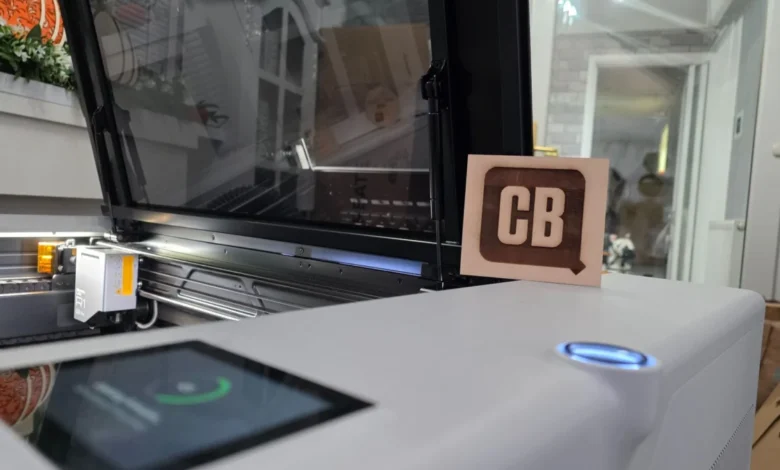
Bambu Lab, a company that has fundamentally altered the landscape of consumer-grade 3D printing over the past five years, has officially announced its expansion into the laser engraving and cutting industry with the launch of the R1 CO2 laser cutter. This move represents a significant strategic pivot for the manufacturer, marking the first time the company has introduced a standalone product outside of its additive manufacturing ecosystem. Priced at $2,499.00, the R1 is positioned to challenge established players like xTool and Glowforge by offering industrial-grade features at a competitive price point.
A New Strategic Direction for Bambu Lab
For the better part of half a decade, Bambu Lab has been synonymous with rapid, high-speed 3D printing, consistently pushing the boundaries of what home-based makers could achieve. By introducing the R1, the company is signaling that its ambitions extend beyond 3D printing, aiming to consolidate the "maker" workspace into a unified software and hardware environment.
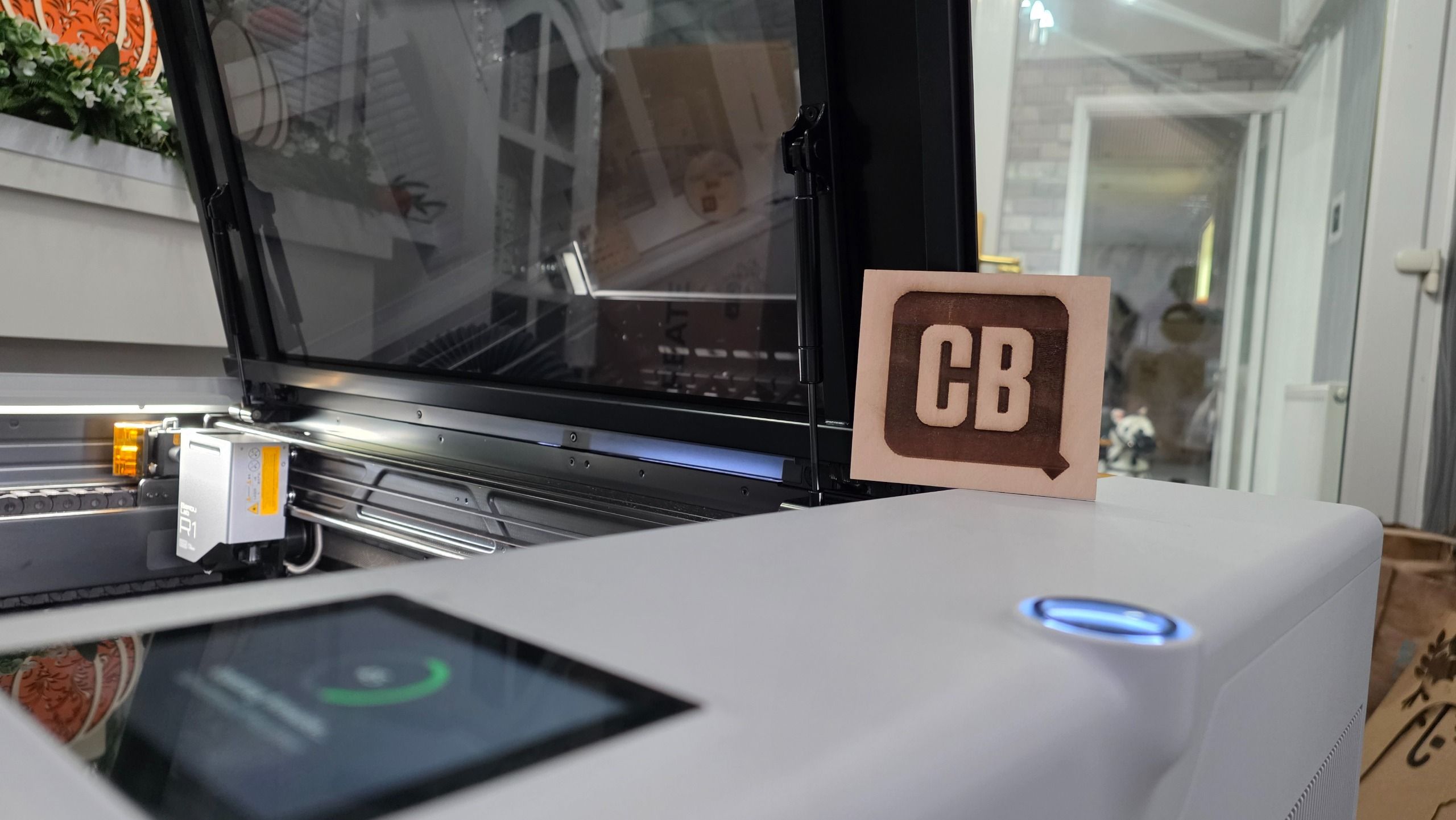
The R1 is a 55-watt CO2 laser, a specification that places it firmly in the mid-to-high performance category for desktop machines. While the company has previously experimented with modular laser heads on its H-series 3D printers—allowing users to swap print heads for engraving modules—the R1 is a dedicated, purpose-built laser cutter designed for a broader range of materials, including wood, acrylic, leather, paper, fabric, glass, and coated metals.
Technical Innovations and the TriSense System
The most notable technical advancement in the R1 is the integration of the TriSense System. In traditional CO2 laser setups, the user is often required to perform complex manual optical alignment, a process involving the use of thermal paper and the physical adjustment of mirror mounts to ensure the beam path remains consistent. This process is notoriously difficult for beginners and prone to human error.
The R1’s automated optical path alignment is designed to eliminate this barrier to entry. Through its internal sensors, the machine detects the placement of materials, calculates the surface height, and automatically maps the tool head’s trajectory in a single click. This level of automation is rare at this price point and reflects Bambu Lab’s broader philosophy of "appliance-like" usability, prioritizing ease of operation alongside industrial capability.
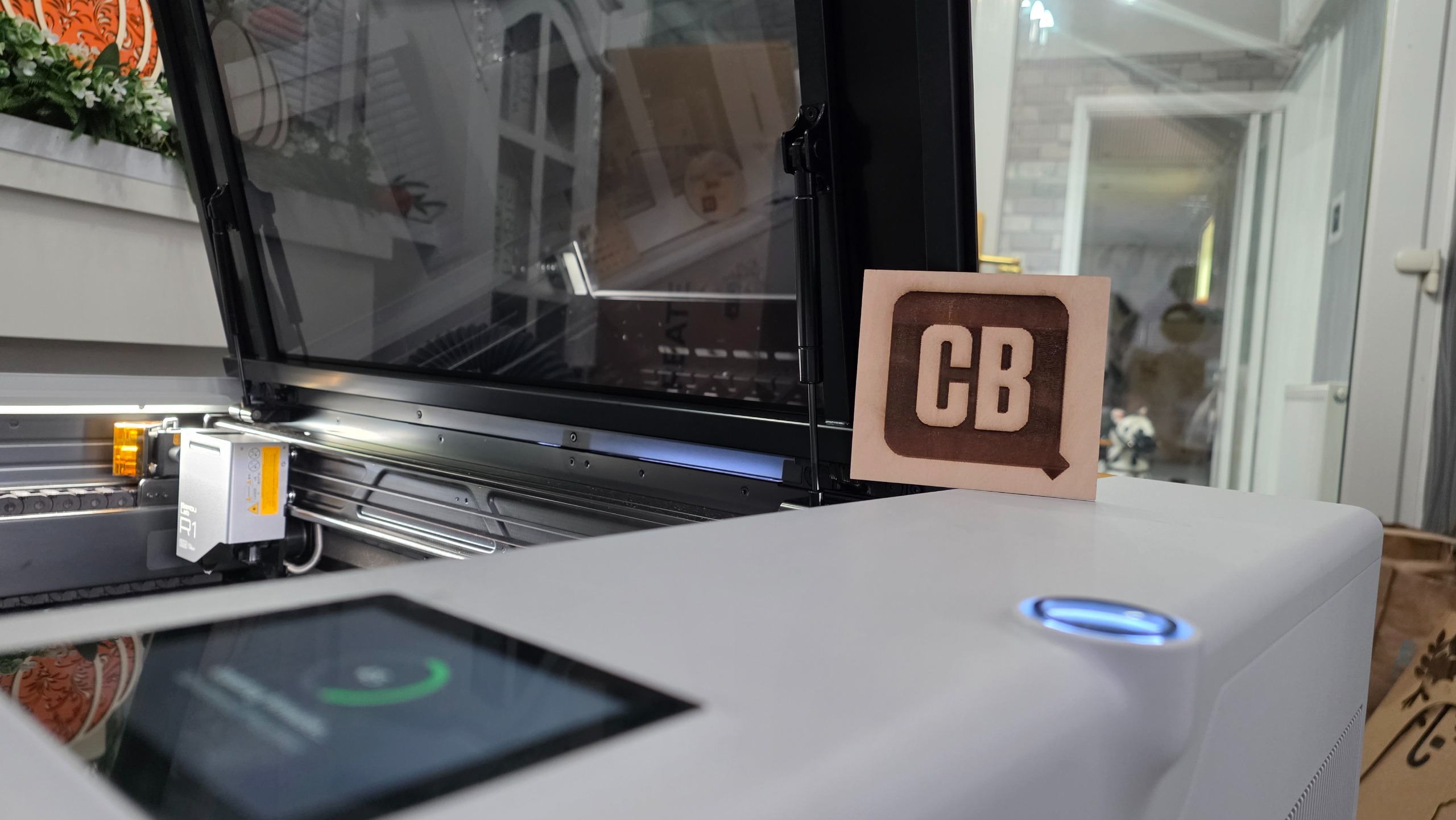
Furthermore, the machine supports an optional Vision Encoder, a calibration accessory that monitors and corrects for mechanical drift over time. This ensures that the laser’s precision remains intact even after hundreds of hours of operation, addressing one of the primary concerns regarding long-term maintenance in consumer laser hardware.
Design and Hardware Specifications
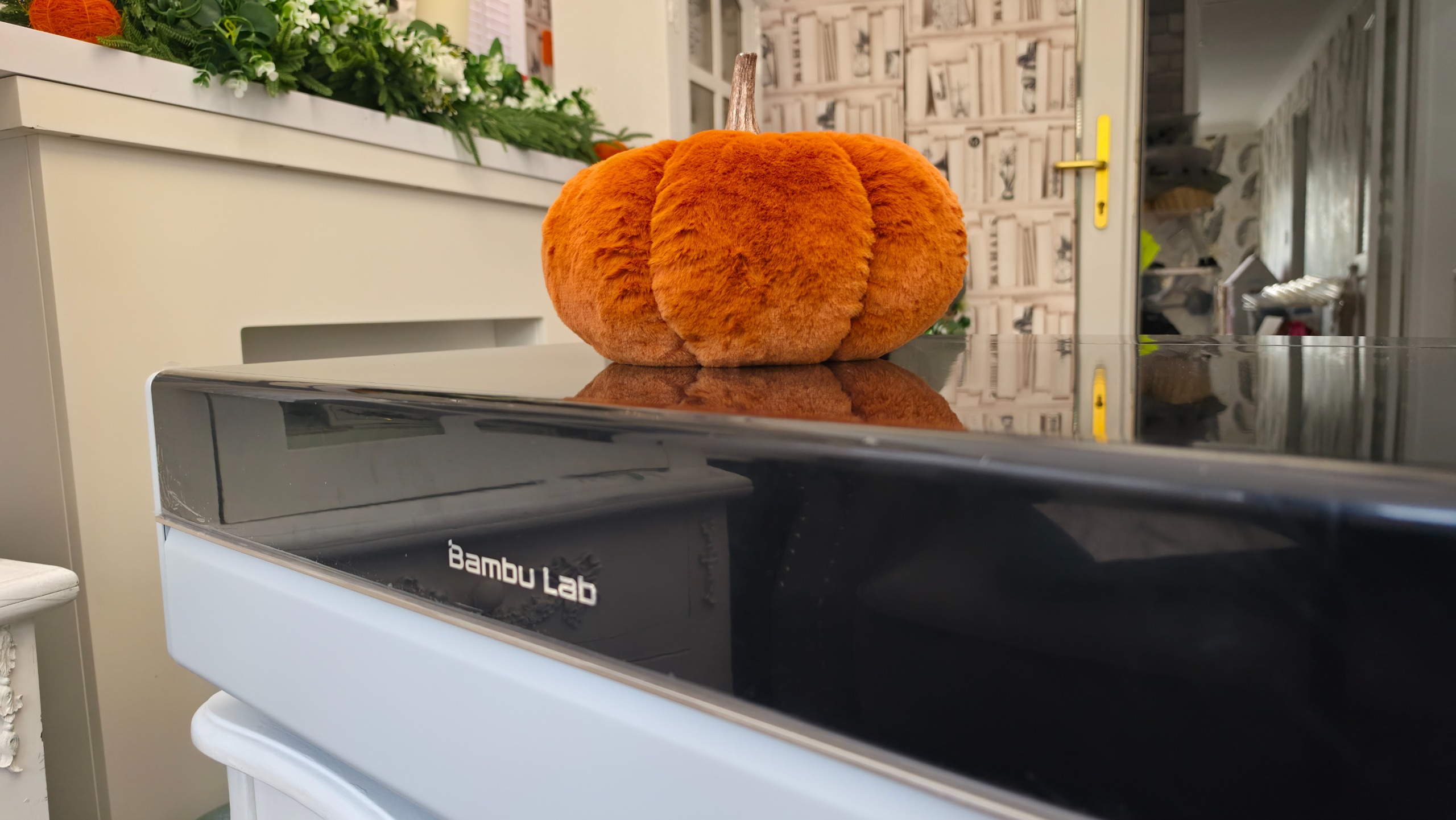
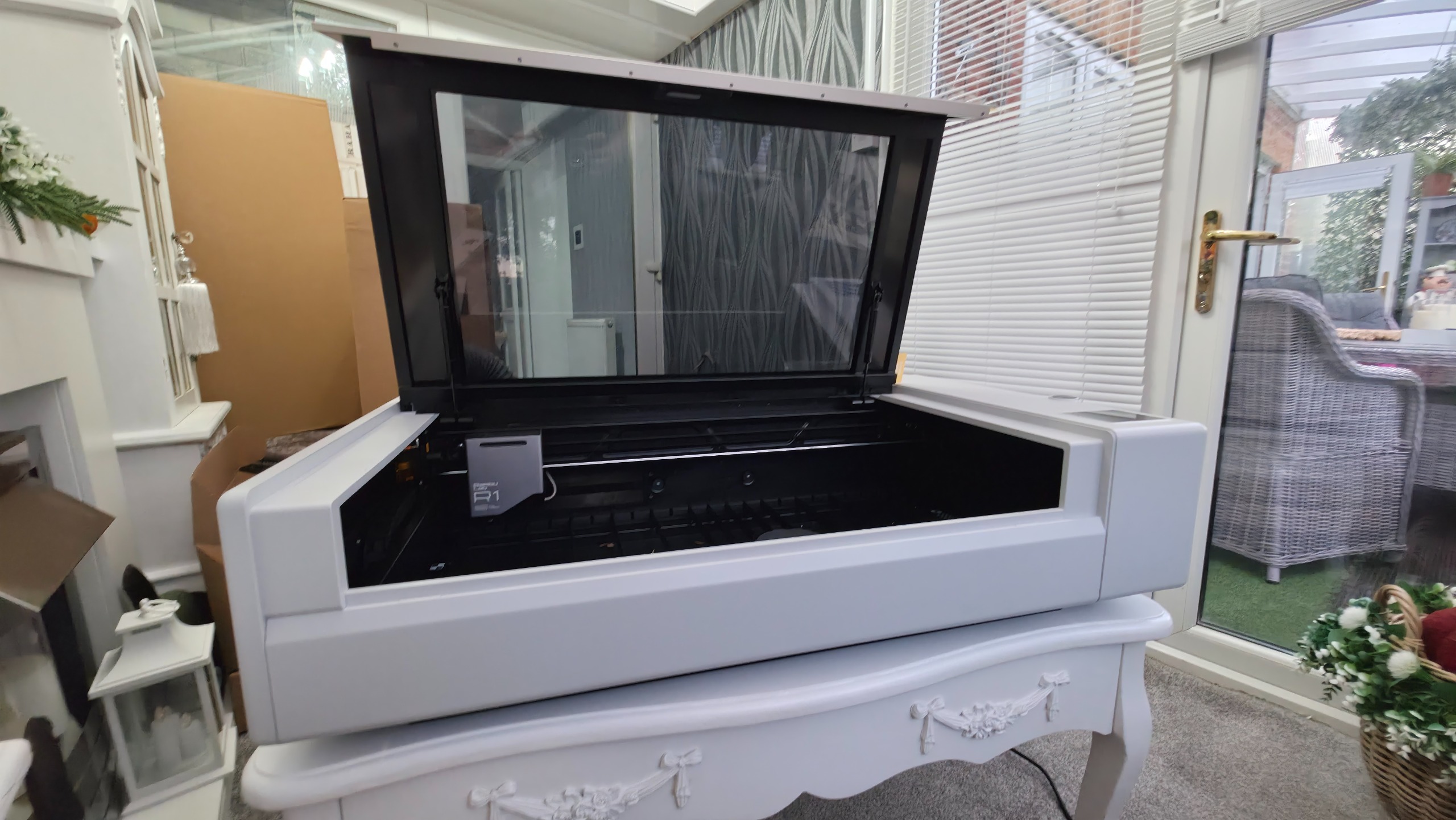
The R1 arrives with a substantial footprint, a necessity for a 55-watt CO2 laser that must house internal ventilation, cooling systems, and a rigid chassis. While it is larger than many entry-level desktop diode lasers, Bambu Lab emphasizes that it offers a significantly more efficient spatial footprint compared to traditional industrial CO2 machines of similar power output.
The device provides a standard working area of 600 x 300 mm. For users requiring larger output, such as furniture makers or those working on oversized signage, the system supports a conveyor attachment (sold separately) that enables processing of materials up to 3,000 mm in length. The machine is Class 1 safety certified, featuring a suite of integrated protections:
- Automatic Lid Interlock: Instantly ceases operation when the lid is opened.
- Emergency Stop: A physical, high-visibility button for immediate power-down.
- Flame Detection: Sensors that monitor for combustion, capable of triggering an optional Auto Fire Extinguishing System.
Software Ecosystem: Bambu Suite
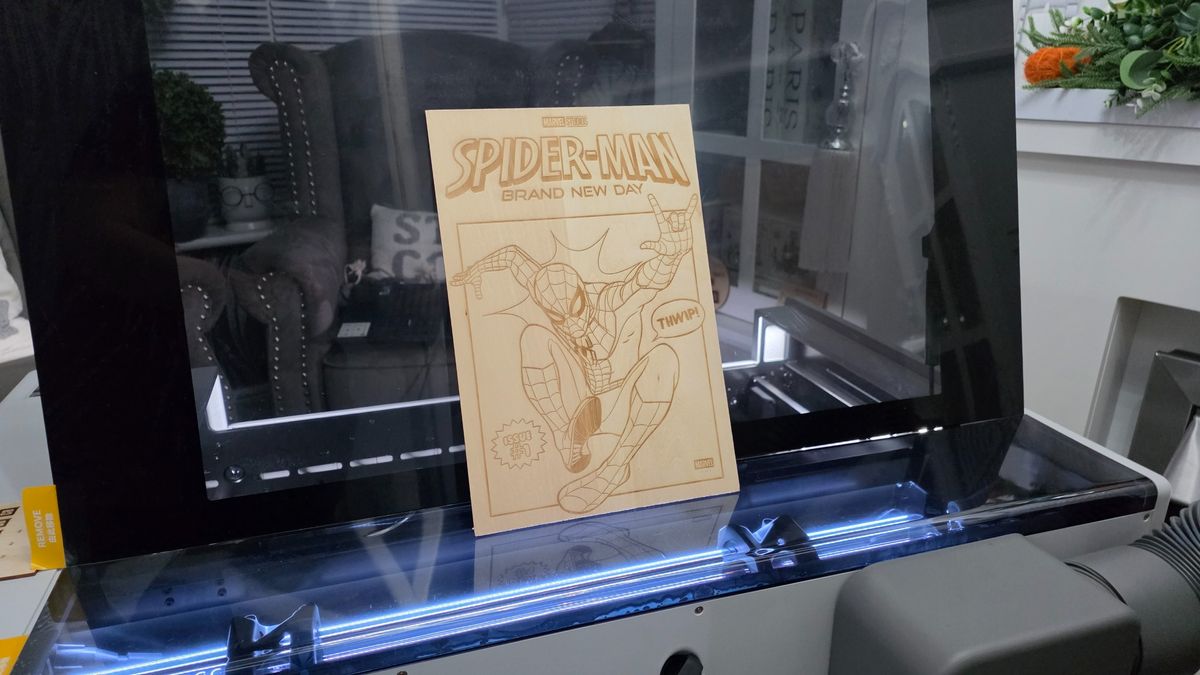
Unlike the company’s 3D printing operations, which utilize the well-known Bambu Studio, the R1 introduces "Bambu Suite." This software is a dedicated, free-to-use desktop application designed for laser-specific workflows. It includes features for background removal and vector tracing, allowing users to convert raster images into cut-ready SVGs with minimal effort.
Crucially, the software operates without the need for AI credits or subscription models, maintaining a barrier-free experience that will likely be welcomed by the maker community. While mobile integration is provided via the Bambu Handy app, current functionality is limited to status monitoring and control, with the primary design and slicing operations remaining tethered to the desktop environment.
Market Implications and Competitive Landscape
The launch of the R1 is expected to disrupt the market for mid-tier laser cutters. By entering at a price point of $2,499.00, Bambu Lab is undercutting several high-end competitors whose flagship CO2 models frequently retail for significantly more. The xTool P2S, for instance, launched with an MSRP near $4,299, placing the R1 in a strong position for consumers who want industrial power without the professional-tier price tag.
Industry analysts suggest that Bambu Lab’s primary advantage is not just the hardware, but the "ecosystem lock-in." By bringing laser cutting into the same interface and workflow that millions of 3D printing enthusiasts already use, the company has lowered the learning curve. Users already familiar with the UI of a Bambu printer will find the transition to the R1 nearly seamless.
Future Outlook and Availability
As of late 2024, the R1 is available for pre-order through the official Bambu Lab store. Initial testing suggests the machine is robust and highly capable, though as with any first-generation product, the company will likely rely on software updates to refine material compatibility and edge-case performance. Shipping is scheduled to begin in October, with the company expected to provide further updates on software optimizations in the following months.
The introduction of the R1 is more than a simple product launch; it is a declaration of intent. Bambu Lab has successfully transitioned from a 3D printing startup to a diversified consumer electronics company. Whether this strategy will lead to further expansions into other digital fabrication tools remains to be seen, but for now, the R1 establishes the company as a major force in the desktop laser cutting industry.
For potential users, the primary consideration remains the spatial requirements of the machine and the necessity of being in proximity during operation, as current safety protocols emphasize that—despite the high level of automation—laser systems require active human supervision. As the community begins to receive units, the industry will be watching to see if the R1’s "plug-and-play" promise holds up to the rigors of heavy, daily use in diverse creative environments.