Bridging the Gap Between Jedi and Sith: Inside the Craftsmanship of Star Wars: Visions Presents – The Ninth Jedi

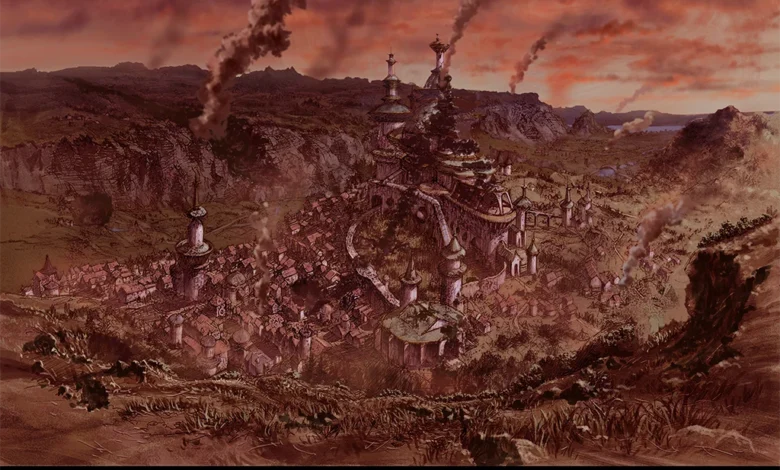
The evolution of the critically acclaimed animated anthology series Star Wars: Visions has reached a significant milestone with the premiere of Star Wars: Visions Presents – The Ninth Jedi. Spanning an eight-episode limited anime run, the new series represents the first time a short film from the franchise has been successfully expanded into a full-fledged standalone narrative spinoff. Originally introduced in Volume 1 and subsequently expanded in Volume 3 with The Ninth Jedi: Child of Hope, the storyline centered around the sabersmith Lah Zhima and his resolute daughter, Kara, has now evolved into a complex, multi-layered epic. Directed and supervised by industry veterans Kenji Kamiyama and Shunsuke Tada, the production delves deep into the complex mechanics of the Force, challenging traditional binary perceptions of the Light and Dark Sides while establishing a fresh aesthetic standard for anime set within a galaxy far, far away.
Chronology and Narrative Expansion
The journey from a standalone 15-minute short to an eight-episode limited series required a meticulous approach to world-building and character progression. During the development of the initial shorts, creators Kenji Kamiyama and his team deliberately mapped out extensive backstories, interpersonal dynamics, and historical lore that never made it onto the screen. This robust foundational material served as the bedrock for the expanded series, which reunites Lah Zhima and Kara while exposing the deep-seated motivations of the primary antagonist, General Nawaam.
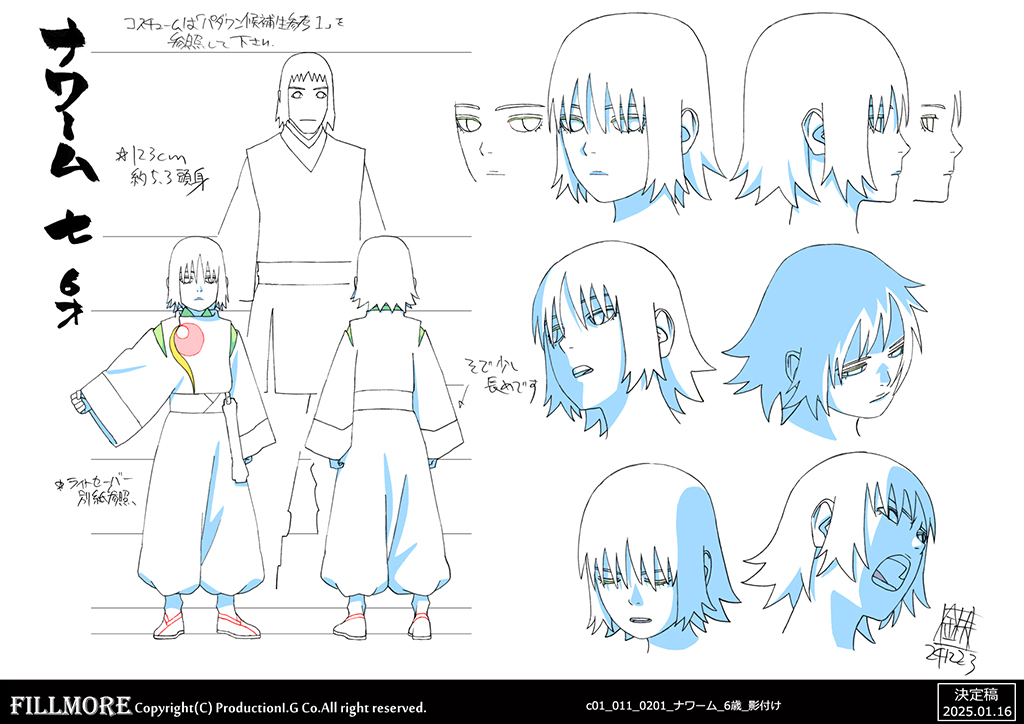
Set approximately two centuries after the eras of Luke and Leia Skywalker, the series takes place in a galaxy where neither the traditional Jedi Order nor the Galactic Empire holds sway. The narrative arc is specifically designed to dismantle simplistic notions of good versus evil. As Kara embarks on her perilous journey—fleeing Jedi Hunters and navigating the derelict expanses of a drifting starship—she uncovers the turbulent history of her father, Zhima. This discovery forces her to confront the reality that the historic conflict between the Jedi and Sith cannot be summarized through simple moral dualism.
In a departure from traditional hero tropes, Kara is introduced as inherently strong and capable, reflecting the invisible hardships she endured prior to the events of the series. Her narrative trajectory involves a dramatic fall to the Dark Side—fueled by intense rage toward Nawaam’s forces—before she ultimately achieves a state of selfless clarity. This pivotal transformation allows her to reach a spiritual and tactical breakthrough that neither her father nor Master Juro could attain.
Visual Artistry, Technical Execution, and Hybrid Animation
The production of Star Wars: Visions Presents – The Ninth Jedi required an innovative approach to blending 2D and 3D animation techniques. According to Director Shunsuke Tada, the choice of medium was driven entirely by directorial intent and thematic necessity.
"We used 2D animation for elements that intentionally required stylization or exaggeration, such as the characters, while using 3D animation for elements where we didn’t want to convey organic warmth," Tada explains. This hybrid framework allowed the creative team to handle complex technical challenges, most notably in a devastating sequence involving a misfired kyber crystal cannon—a weapon of mass planetary destruction engineered by General Nawaam.
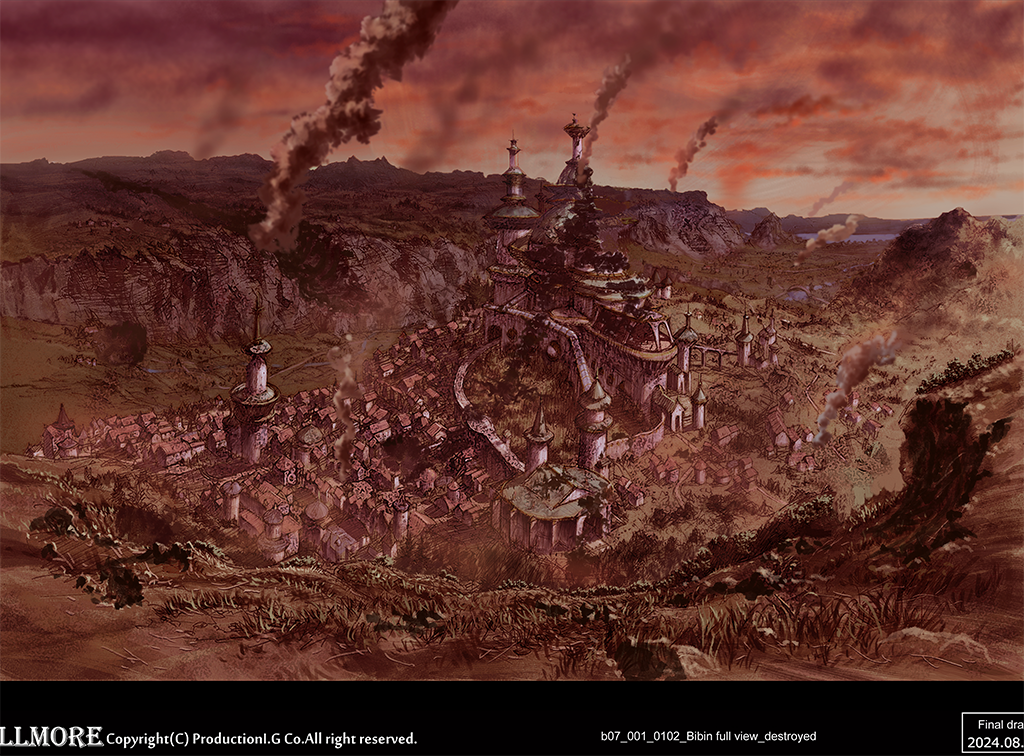
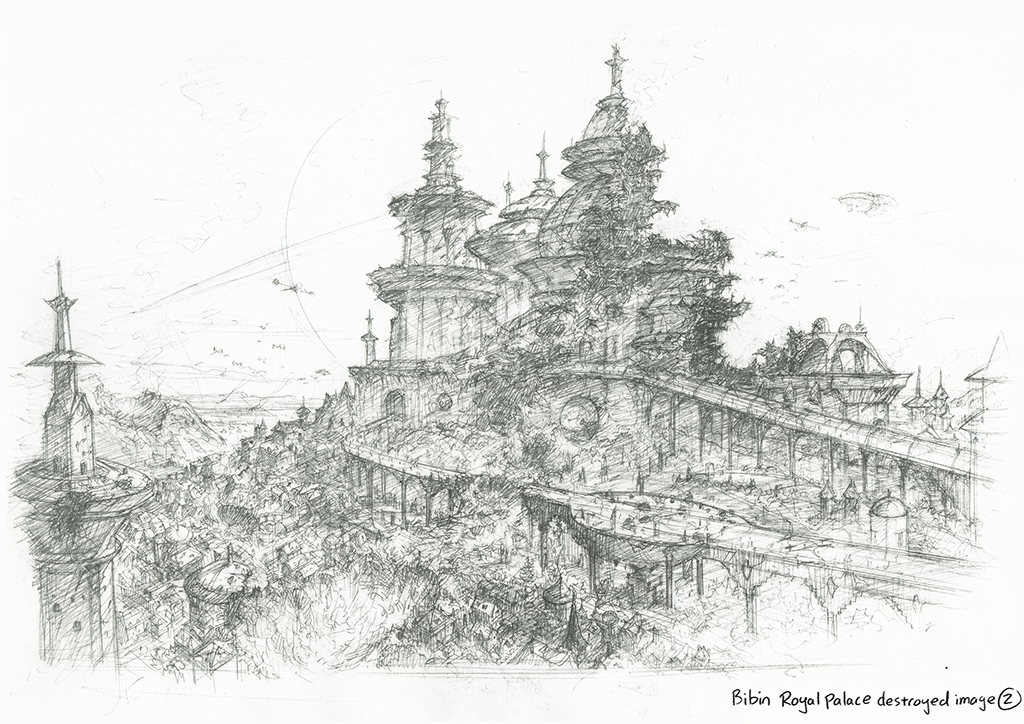
The catastrophic event resulted in severe collateral damage to the mining planet Bibin, located in orbit around a massive gas giant. To visualize the disaster, animators depicted atmospheric gas solidifying in the vacuum of outer space and precipitating down onto the planet’s surface like a toxic rain. Rendering the physical transformation of gaseous elements into solid fallout proved to be one of the project’s most technically demanding visual effects milestones.
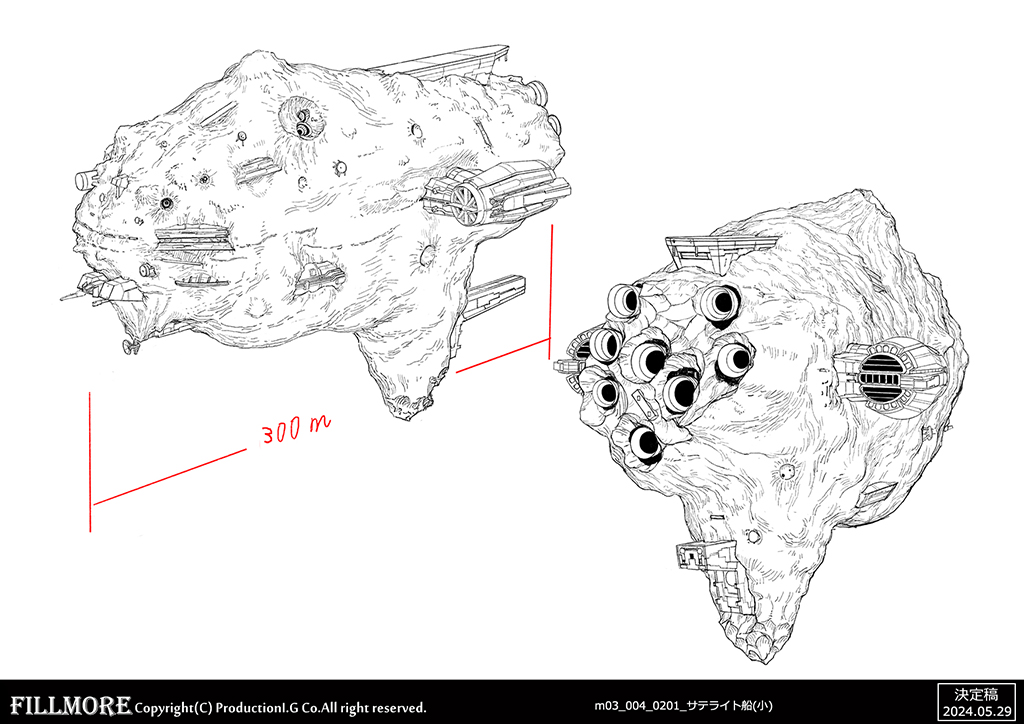
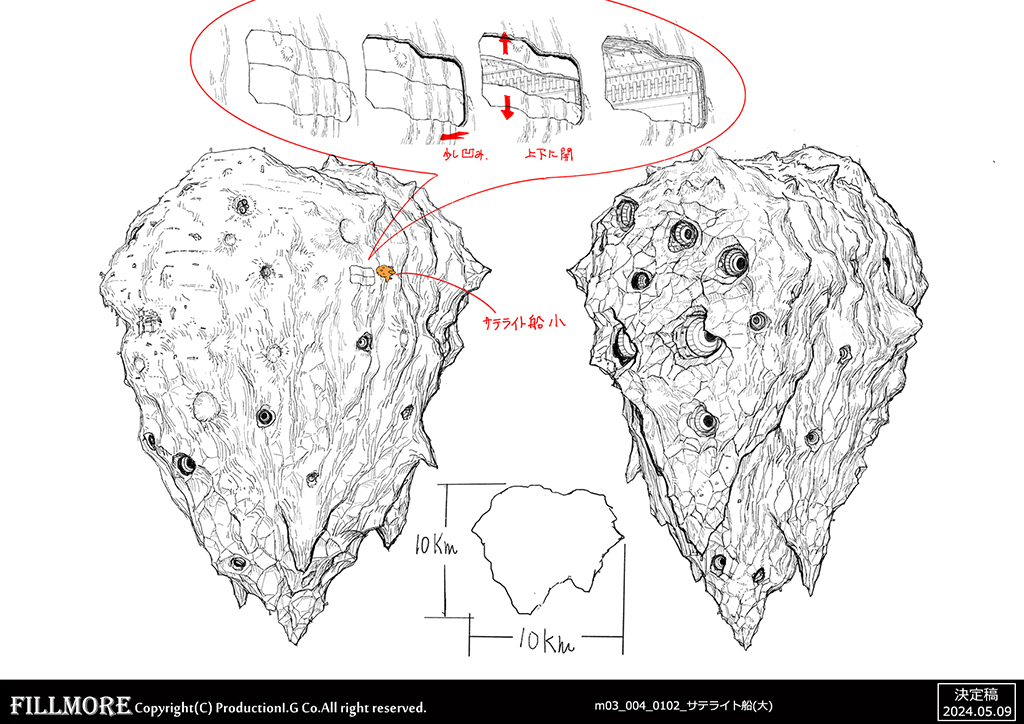
In addition to large-scale planetary destruction, the production team paid meticulous homage to the original 1977 Star Wars film. Holographic communication devices utilized throughout the series were intentionally modeled after the low-tech, monochromatic aesthetic of the Episode IV era. Furthermore, the design of the spacecraft reflects rigorous functional logic; the striking asteroid-based vessels were conceived by exploring what kind of mobile architecture would realistically suit a subterranean mining culture.
Choreography and the Philosophy of the Lightsaber
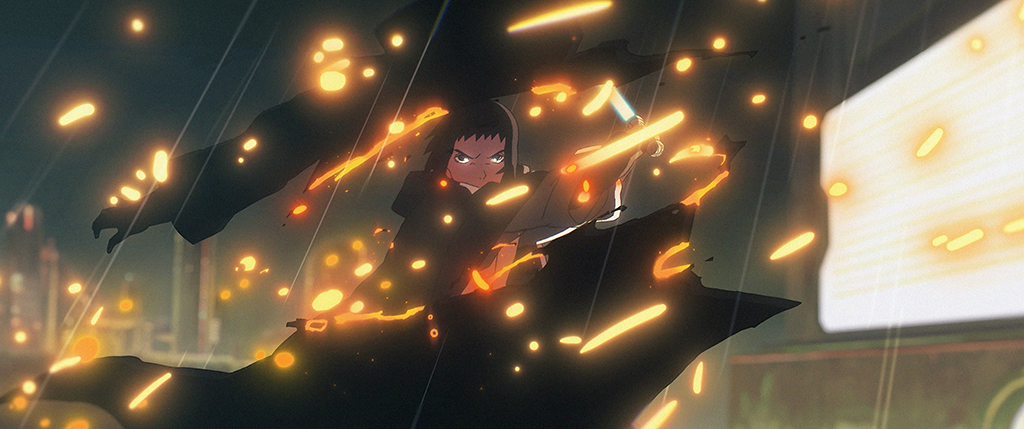
The heart of any Star Wars narrative featuring force-users remains lightsaber combat, and The Ninth Jedi approached this element through a lens heavily inspired by traditional Japanese martial arts and weaponry. Director Shunsuke Tada collaborated closely with prop designers to craft new lightsaber hilts that draw aesthetic and structural inspiration from historical katanas and spears.
Central to the combat choreography is the philosophical weight assigned to the blade colors, particularly the rare silver lightsaber. Within the lore established for the series, a wielder’s inner state directly shapes the hue of the blade through the kyber crystal. The silver blade symbolizes mu no kyōchi—a state of selfless clarity.
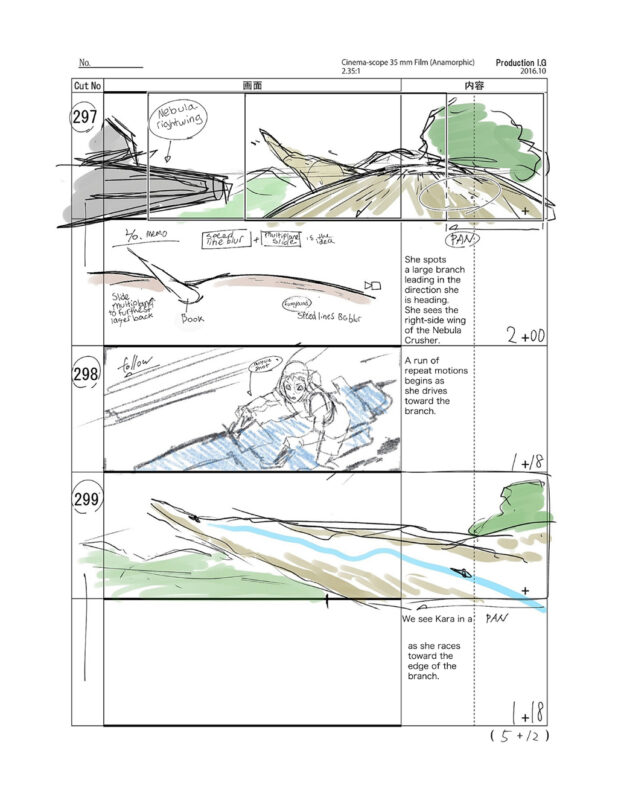
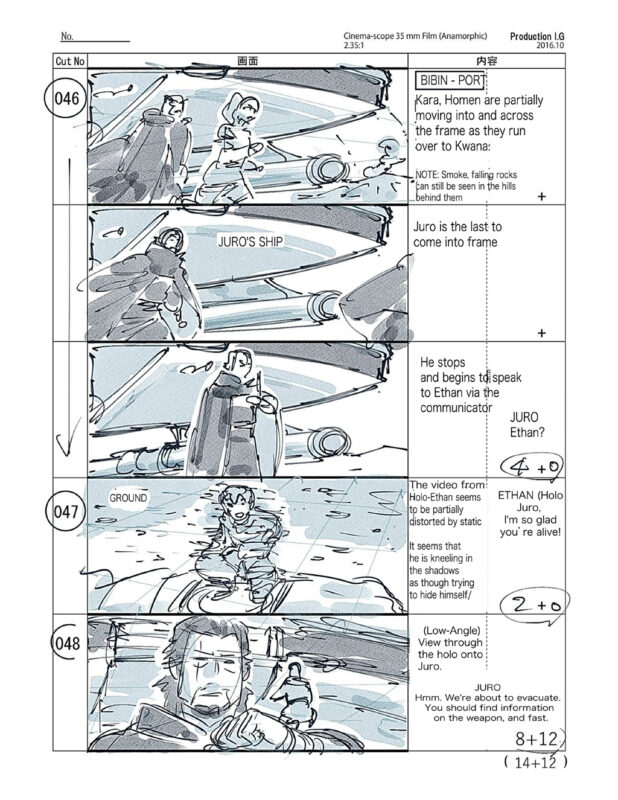
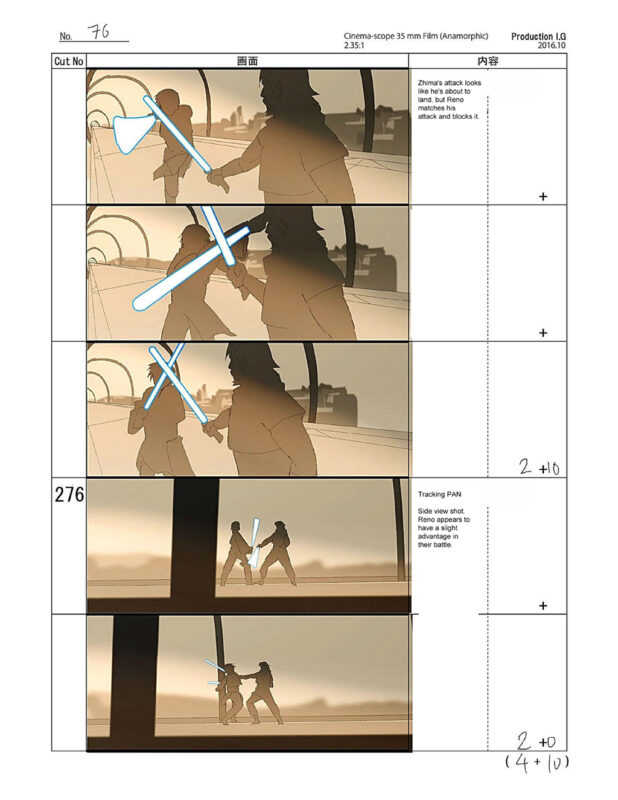
"As a fundamental rule, the characters assume a mid-level posture [seigan no kamae] when confronting each other," Tada notes. "Once the distance between them closes, I directed the action in a way that incorporated each animator’s individual ideas, while the overall progression of the duel was carefully mapped out during the storyboarding stage."
This rigorous attention to choreography culminates in the climactic duel between Kara and General Nawaam. Nawaam’s design and combat style were specifically crafted to project the aura of the ultimate knight and charismatic young general, serving as a direct foil to Kara’s evolution from emotional turbulence to absolute clarity.
Thematic Implications and Reimagining the Jedi
Beyond technical and visual achievements, Star Wars: Visions Presents – The Ninth Jedi addresses heavy philosophical themes regarding justice, governance, and redemption. Supervising Director Kenji Kamiyama notes that the overarching goal was to re-examine modern narratives where good and evil are frequently conflated or oversimplified.
"Justice can sometimes become evil, and there are moments when evil appears to be justice," Kamiyama observes. "In modern times, where good and evil can no longer be discussed in simple dualistic terms, we need to re-examine our past actions, even if that means making choices that temporarily look like taking the side of evil."
This philosophical outlook directly influenced the depiction of the Jedi within the series. Rather than portraying them as figures bound by rigid, bureaucratic rules that impede active heroism, the creators sought to restore the Jedi to authoritative, decisive figures reminiscent of Japanese samurai generals. These enforcers are depicted as capable of delivering definitive judgments to maintain universal fairness, even when forced to strike down formidable adversaries.
Reception and Broader Impact on the Franchise
The premiere of Star Wars: Visions Presents – The Ninth Jedi marks a watershed moment for the Visions anthology model, proving that the vibrant, auteur-driven shorts produced by external animation studios possess the narrative depth and fan engagement necessary to sustain long-form storytelling. By integrating distinct cultural art styles with classic Star Wars mythos, the series has expanded the boundaries of what is possible within the intellectual property.
Industry analysts note that the success of this spinoff could pave the way for other popular shorts within the Visions catalog to receive similar serialized treatments. For Kamiyama, Tada, and the hundreds of artists who poured their efforts into the project, the series stands as a testament to the collaborative potential of global creative partnerships. As audiences continue to explore the eight-episode arc, the series solidifies its place as a bold, philosophical expansion of the Star Wars universe, offering a mature meditation on legacy, conflict, and the true meaning of the Force.
Related posts: