DaVinci Resolve 21.1 adds AI assistant integration, over 100 improvements to editing and grading

The Evolution of the DaVinci Resolve Ecosystem
Since its acquisition of da Vinci Systems in 2009, Blackmagic Design has transformed a high-end color grading suite into an industry-standard platform used on the majority of major motion pictures and television series. The trajectory from version 17 through 21 has been defined by a focus on "all-in-one" capability. The release of version 21.1 represents a refinement of the major structural shifts introduced in the 21.0 cycle, focusing on stability, hardware optimization, and the integration of the DaVinci Neural Engine, which leverages machine learning to automate labor-intensive tasks.
For professional editors and colorists, the shift toward version 21.1 is not merely cosmetic; it represents a commitment to the "Blackmagic ecosystem" philosophy. By bringing together disparate workflows—editing, color, effects, and sound—under a single unified architecture, Blackmagic has significantly reduced the friction associated with round-tripping files between applications. This reduces the risk of data corruption, metadata loss, and the overhead associated with maintaining multiple software licenses.
Chronology and Release Strategy
The development cycle of DaVinci Resolve is characterized by high-frequency updates. Historically, Blackmagic Design follows a pattern of a major release in the spring or summer, followed by incremental point updates that address user feedback and hardware compatibility.
- 2009: Blackmagic Design acquires da Vinci Systems, signaling a move into software.
- 2014: The introduction of version 11 marks the beginning of the integrated NLE and color suite.
- 2017: Version 14 introduces the Fairlight audio post-production page.
- 2018: Version 15 integrates the Fusion visual effects and motion graphics suite.
- 2023-2024: The rollout of version 21 focused on AI-based tools, including voice isolation, dialogue leveling, and improved object tracking.
- Current Date: The official deployment of DaVinci Resolve 21.1 provides enhanced performance for Apple Silicon and NVIDIA-based hardware acceleration.
This consistent release schedule has allowed Blackmagic to maintain a competitive edge against Adobe Premiere Pro, Avid Media Composer, and Apple Final Cut Pro. By providing a free, feature-rich version, they have successfully captured a large share of the "prosumer" and indie filmmaker market, creating a pipeline of users who eventually graduate to the Studio version as their professional needs scale.
Supporting Data and Industry Standing
The professional video editing software market has seen a steady Compound Annual Growth Rate (CAGR) of approximately 5-7% over the last five years. Blackmagic Design’s aggressive pricing strategy—avoiding the recurring subscription fees utilized by Adobe Creative Cloud—has resonated with a demographic of independent creators and small-to-medium-sized post-production houses.
Internal performance metrics shared by the company indicate that version 21.1 provides up to a 20% increase in rendering speeds for H.265/HEVC codecs on systems equipped with current-generation GPUs. This optimization is critical as production workflows shift toward 8K resolution and high-frame-rate RAW formats, which demand immense computational throughput. Furthermore, the expansion of the DaVinci Neural Engine in this release targets specific pain points in the VFX and grading pipelines, including rotoscoping and "magic mask" object isolation, which can reduce manual task time by as much as 40% in complex sequences.
Official Responses and Product Philosophy
In technical briefings surrounding the launch of version 21.1, Blackmagic Design leadership has emphasized that the platform’s development is driven by the requirements of the high-end film industry, which then trickles down to the general user base. Grant Petty, CEO of Blackmagic Design, has frequently noted that the goal is to "democratize" post-production by removing financial barriers to entry.
Industry analysts suggest that this strategy serves a dual purpose: it creates a massive user base that is loyal to the Blackmagic brand, and it forces competitors to defend their market share by justifying the costs of their subscription services. While competitors rely on cloud-based collaboration tools, Blackmagic has doubled down on local hardware performance and high-speed network storage (Blackmagic Cloud and Cloud Store), positioning themselves as the premier choice for professionals who require data sovereignty and offline editing capabilities.
Broader Impact and Implications for Post-Production
The arrival of DaVinci Resolve 21.1 carries several implications for the future of the industry:
- AI Integration as Standard: With the refinements in 21.1, AI is no longer a "plugin" feature but a core element of the workflow. The ability to use machine learning for automated subtitle generation, audio cleaning, and object isolation has moved from a "nice-to-have" to a "must-have" requirement for professional output.
- Hardware-Agnostic Performance: By heavily optimizing for both Metal (Apple) and CUDA (NVIDIA), Blackmagic has ensured that users can achieve near-identical performance regardless of the OS. This platform neutrality is a significant factor in the software’s adoption in multi-OS environments.
- The Decline of Round-Tripping: The continued stability of the integrated pages (Cut, Edit, Fusion, Color, Fairlight, Deliver) confirms that the era of moving projects between separate applications—like Adobe After Effects for motion graphics and Pro Tools for audio—is waning in favor of monolithic, integrated suites.
Analysis of the Studio Version Value Proposition
The $295 price tag for the DaVinci Resolve Studio version remains one of the most disruptive pricing models in the technology sector. In an era where software-as-a-service (SaaS) models are the norm, a one-time perpetual license that includes free lifetime updates for the major version cycle creates immense value for the consumer.
From a financial analysis perspective, the Studio version is designed to act as a loss leader for Blackmagic’s hardware division. By keeping the software costs low, the company encourages users to invest in their proprietary hardware, such as the DaVinci Resolve Speed Editor, Advanced Panels, and DeckLink capture cards. This hardware-software synergy creates a "locked-in" ecosystem that is difficult for competitors to penetrate.
Technical Enhancements and User Experience
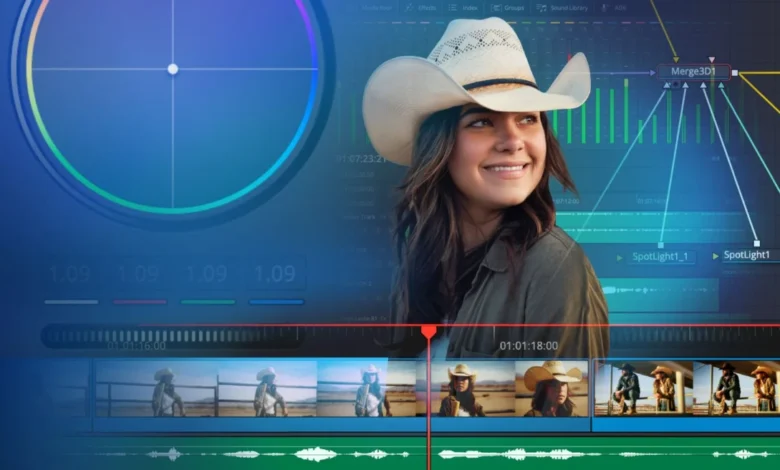
While the press release highlights a broad range of updates, the specific focus in 21.1 has been on the "user experience" (UX) of the color page and the efficiency of the Fusion compositing tools. Users will find that the node-based workflow—once considered intimidating to beginners—is now significantly more intuitive thanks to improved UI overlays and better documentation. The integration of enhanced color management tools ensures that the transition from SDR to HDR workflows is seamless, a requirement for modern streaming distribution (Netflix, Disney+, etc.).
For audio engineers, the Fairlight improvements in this release focus on better integration with external control surfaces and improved latency management for real-time monitoring. This ensures that the audio post-production phase remains competitive with dedicated Digital Audio Workstations (DAWs).
Conclusion and Availability
DaVinci Resolve 21.1 is now available for download through the official Blackmagic Design website. The software supports macOS, Windows, and Linux, providing a robust, high-performance environment for creators ranging from independent YouTube content producers to high-end feature film colorists.
As the industry continues to move toward higher resolution formats, faster turnaround times, and more complex VFX requirements, the platform’s focus on stability and AI-assisted automation positions it to remain a dominant force in the coming years. For those who have yet to migrate from other NLEs, the release of 21.1 serves as a compelling entry point into a professional-grade suite that prioritizes performance and affordability in equal measure. Whether for a small-scale social media project or a large-scale theatrical release, the latest updates ensure that DaVinci Resolve remains the primary contender for the future of professional video editing.