Mastering the Art of Wedding Group Portraits A Comprehensive Professional Guide

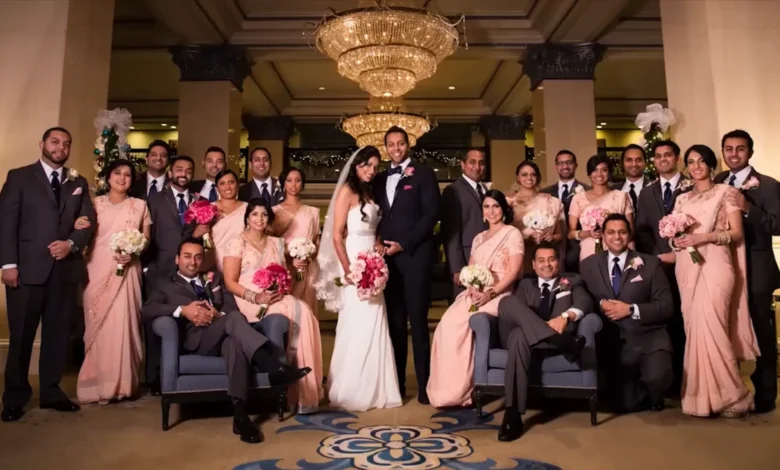
The execution of formal group portraits remains one of the most logistically demanding segments of a wedding day, requiring a photographer to balance technical precision with the authoritative coordination of large crowds. As part of an ongoing series on the fundamentals of wedding photography, this report examines the strategic workflow necessary to transition from chaotic assembly to polished, high-end portraiture. Drawing from data-backed methodologies established by industry leaders such as Lin and Jirsa Photography, the following analysis breaks down the essential components of managing family formals and large-scale group shots.

The Strategic Importance of Group Portraiture
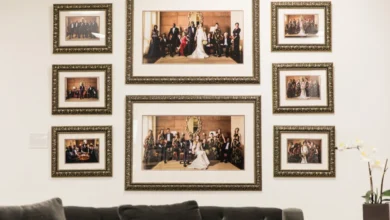
Group portraits serve as the historical record of a wedding, documenting the attendance and familial structure of the event. Despite the evolution of wedding photography toward candid, photojournalistic styles, the formal portrait remains a mandatory contractual expectation for most couples. Research into client satisfaction surveys consistently indicates that while couples value candid moments, they prioritize the quality of family formals to preserve legacy images. When handled inefficiently, these sessions can cause significant delays, potentially disrupting the carefully curated timeline of the wedding day and creating unnecessary stress for the subjects.
Pre-Production: The Foundation of Efficiency
Successful portrait sessions are rarely the result of on-the-spot improvisation; they are the byproduct of meticulous pre-production. Professional photographers often suggest a site visit, or "scouting," to identify specific zones within a venue that offer adequate space and favorable lighting.
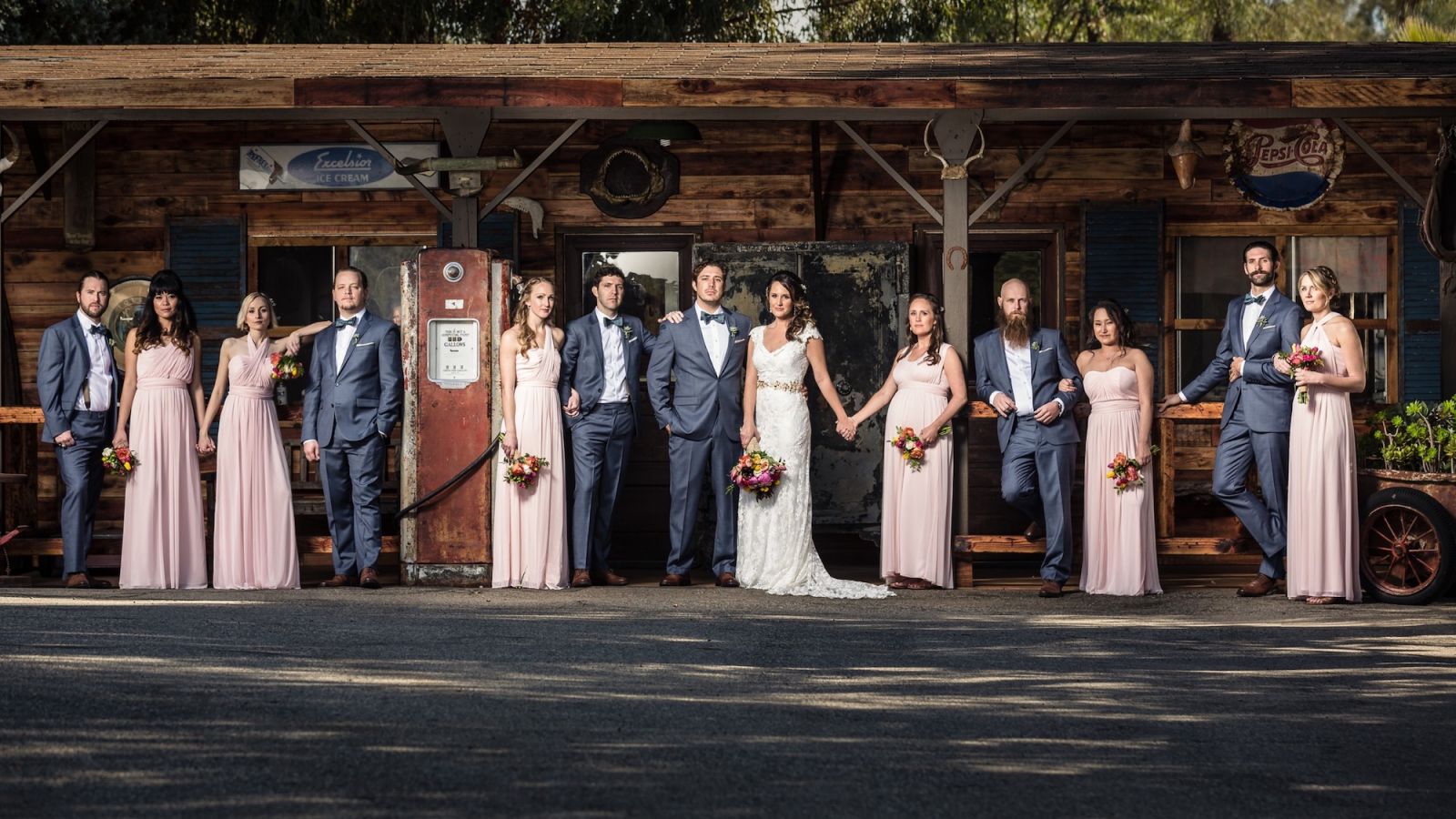
Data from professional workshops suggest that scouting reduces session duration by approximately 20% to 30%. By selecting a location close to the ceremony site, photographers minimize transit time for elderly relatives and large bridal parties. Furthermore, cultural nuances—such as the specific placement required for an Indian mandap or a Jewish chuppah—must be integrated into the planning phase. Establishing a clear shot list with the couple weeks before the event is a standard operational requirement. This document should categorize groups by their relationship to the couple, ensuring that no essential family member is omitted from the final archive.
The Role of Managed Coordination
Managing a group of 20 or more individuals requires a shift from photography to project management. The most effective approach involves delegating the organization of the subjects to a designated family member or a member of the bridal party. By appointing a liaison who is familiar with the family dynamic, the photographer can focus entirely on the technical aspects of the shoot—lighting, composition, and aperture—rather than attempting to identify or locate individual guests.

This delegation process transforms the photographer into a director. Industry experts advise that the photographer should physically set the camera aside during the initial assembly phase to establish clear verbal communication. Engaging the subjects directly creates a more cooperative atmosphere, which is essential for maintaining the energy and pace of the session.
Technical Requirements: Lighting and Gear
Consistent lighting across a large group is the hallmark of professional-grade work. When shooting indoors or in low-light environments, the use of external lighting gear becomes mandatory. A standard kit typically includes a high-output strobe, a reliable remote trigger, and a diffusion modifier to soften the light and minimize harsh shadows.
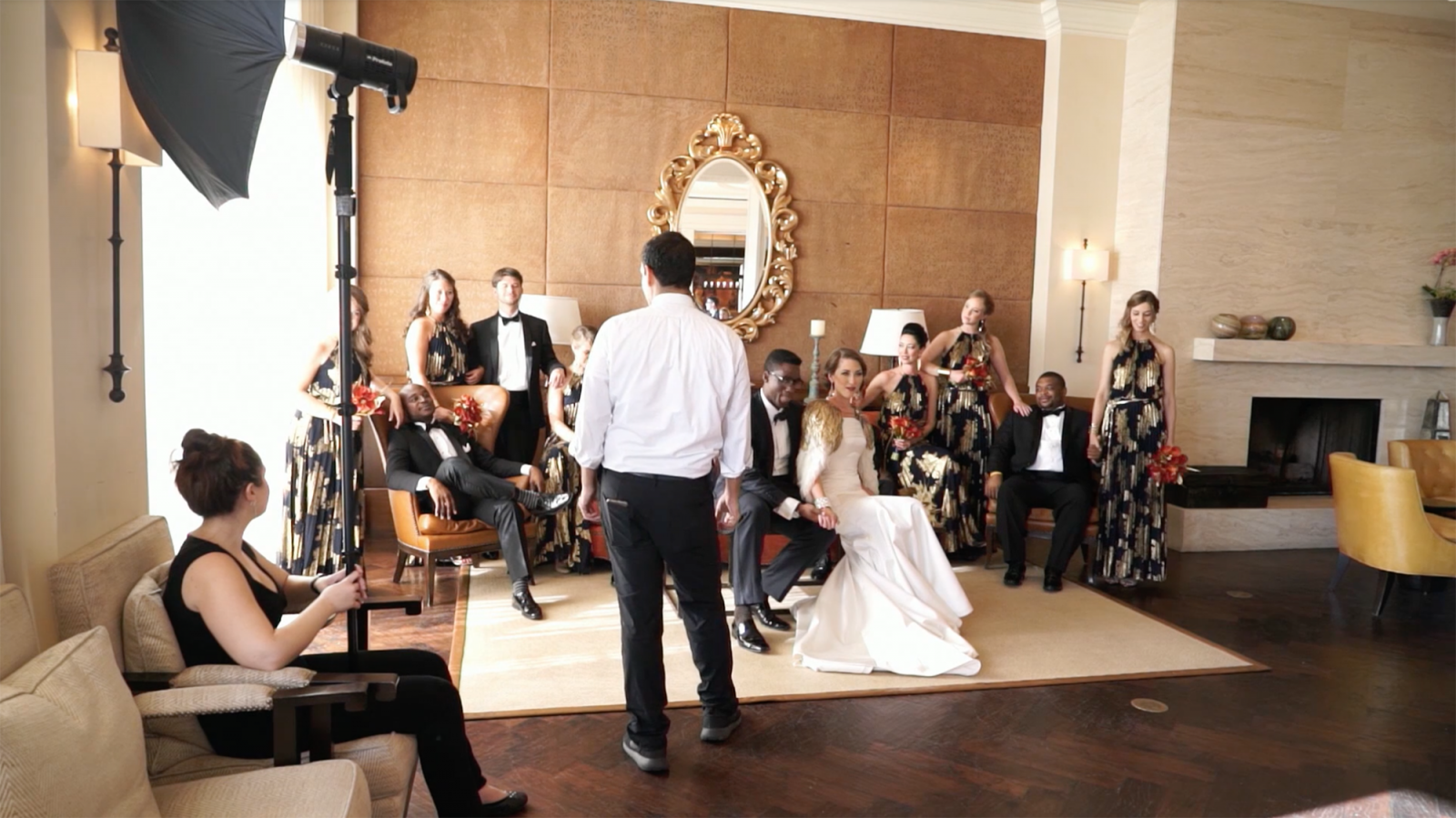
The application of a CTO (Color Temperature Orange) gel is often necessary when balancing the color temperature of artificial strobes with ambient tungsten light common in banquet halls. To achieve optimal results, photographers should utilize light stands that allow for elevated positioning. Placing lights at a higher angle helps prevent shadows from being cast onto subjects positioned behind others, a common issue in large, multi-row configurations.
Symmetrical vs. Editorial Composition
The choice between a symmetrical (classic) pose and an editorial pose depends largely on the time constraints and the desired aesthetic.
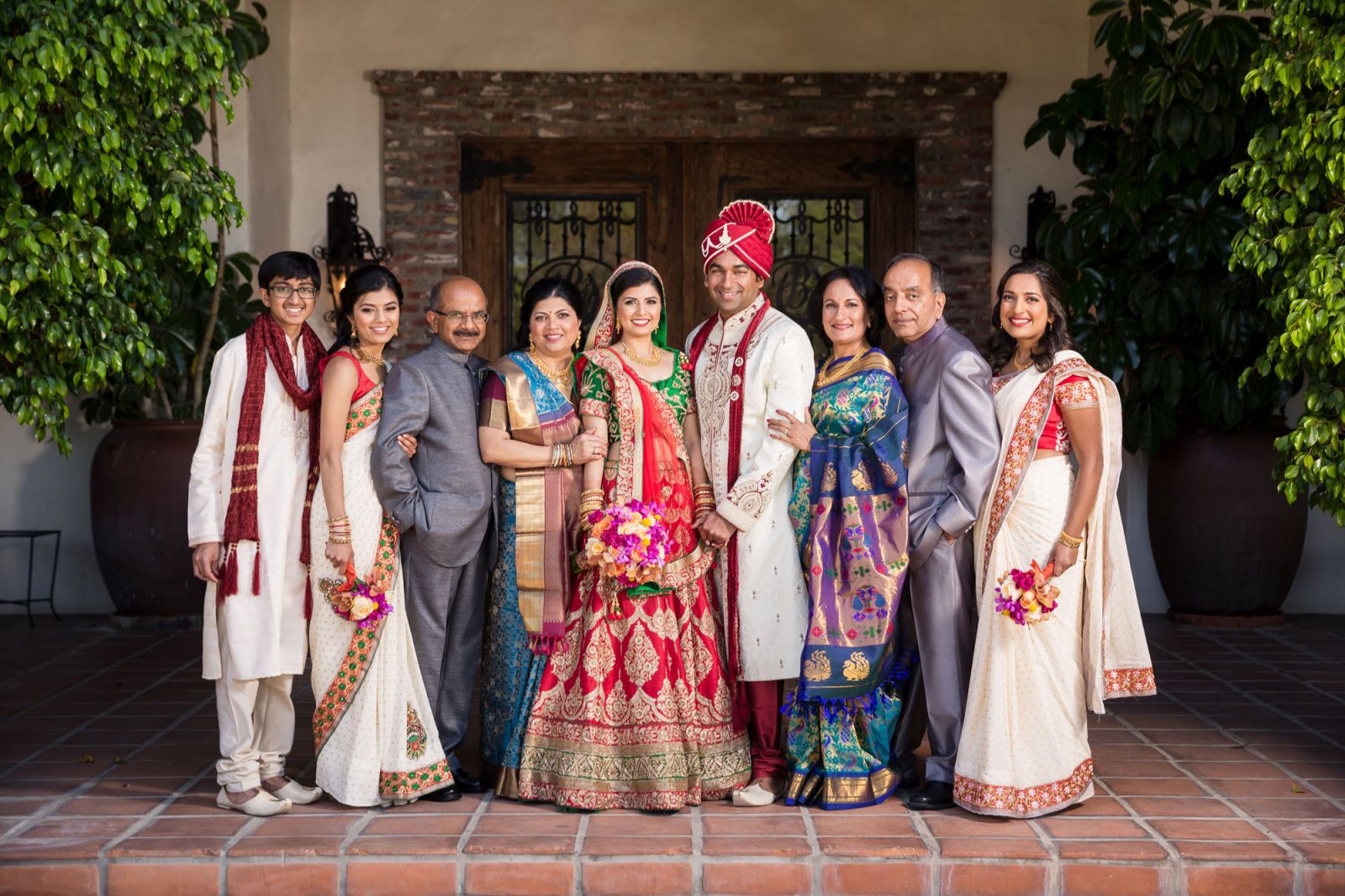
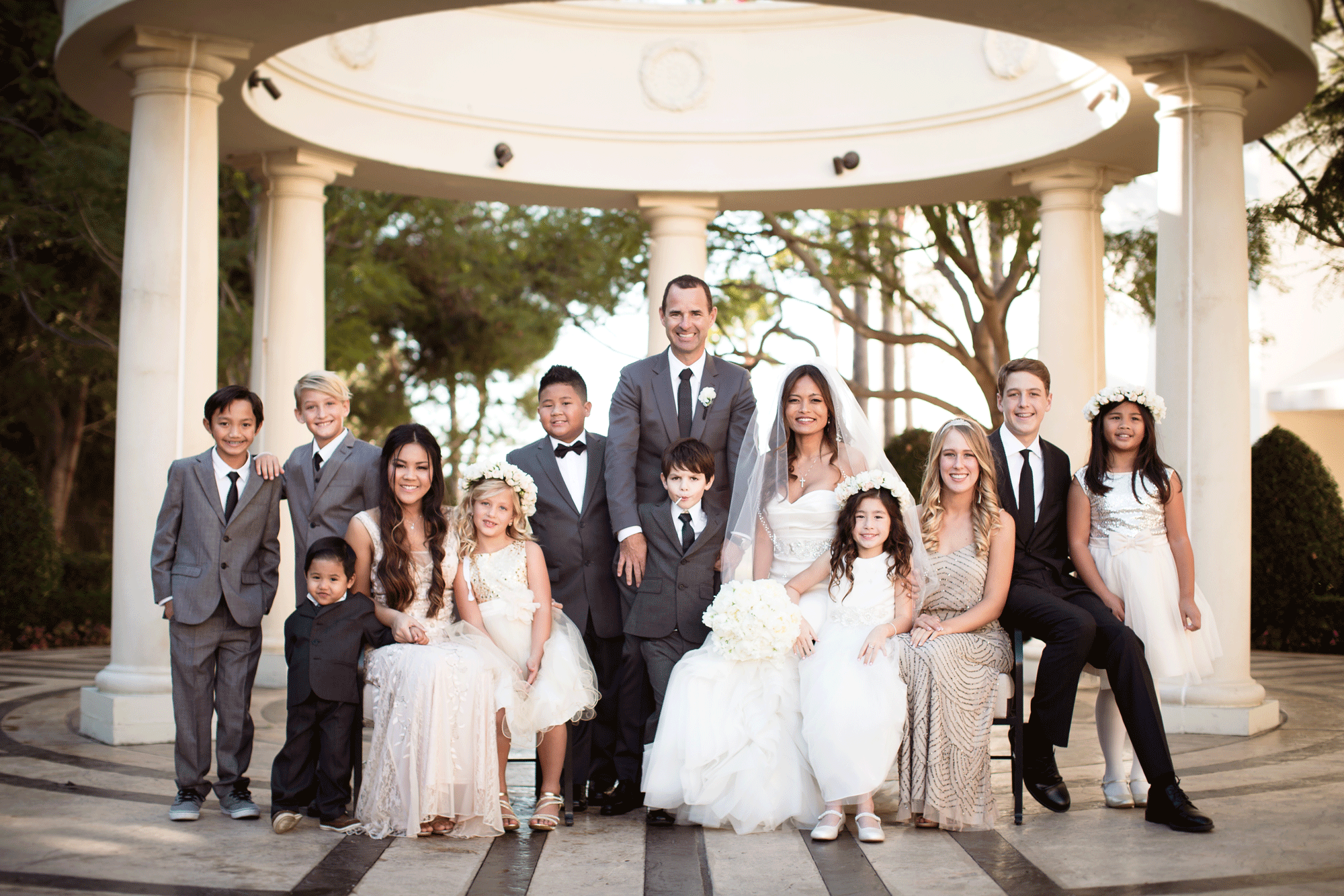
- The Symmetrical Approach: This method relies on a center-weighted composition with the couple acting as the focal point. It is highly efficient and predictable, making it the standard for large family groups where speed is critical. Subjects are typically arranged in a V-shape, pointing toward the center.
- The Editorial Approach: This style utilizes asymmetrical balance and more complex posing, such as having subjects lean, weave arms, or interact with one another. While this approach requires more direction and time, it frequently results in higher engagement rates on social media platforms and provides a modern, high-fashion aesthetic.
Regardless of the style, creating visual connections is paramount. By directing subjects to overlap their bodies slightly—no more than 20% to 30%—photographers can create a sense of intimacy and cohesion. Physical touchpoints, such as hands resting on shoulders or interlocked arms, serve as visual cues of the relationships within the group.
Managing Layers and Depth of Field
When dealing with exceptionally large groups, the use of elevation is non-negotiable. Utilizing a step-stool or ladder allows the photographer to look down upon the group, preventing the "blocking" effect where back-row subjects are obscured by those in front.
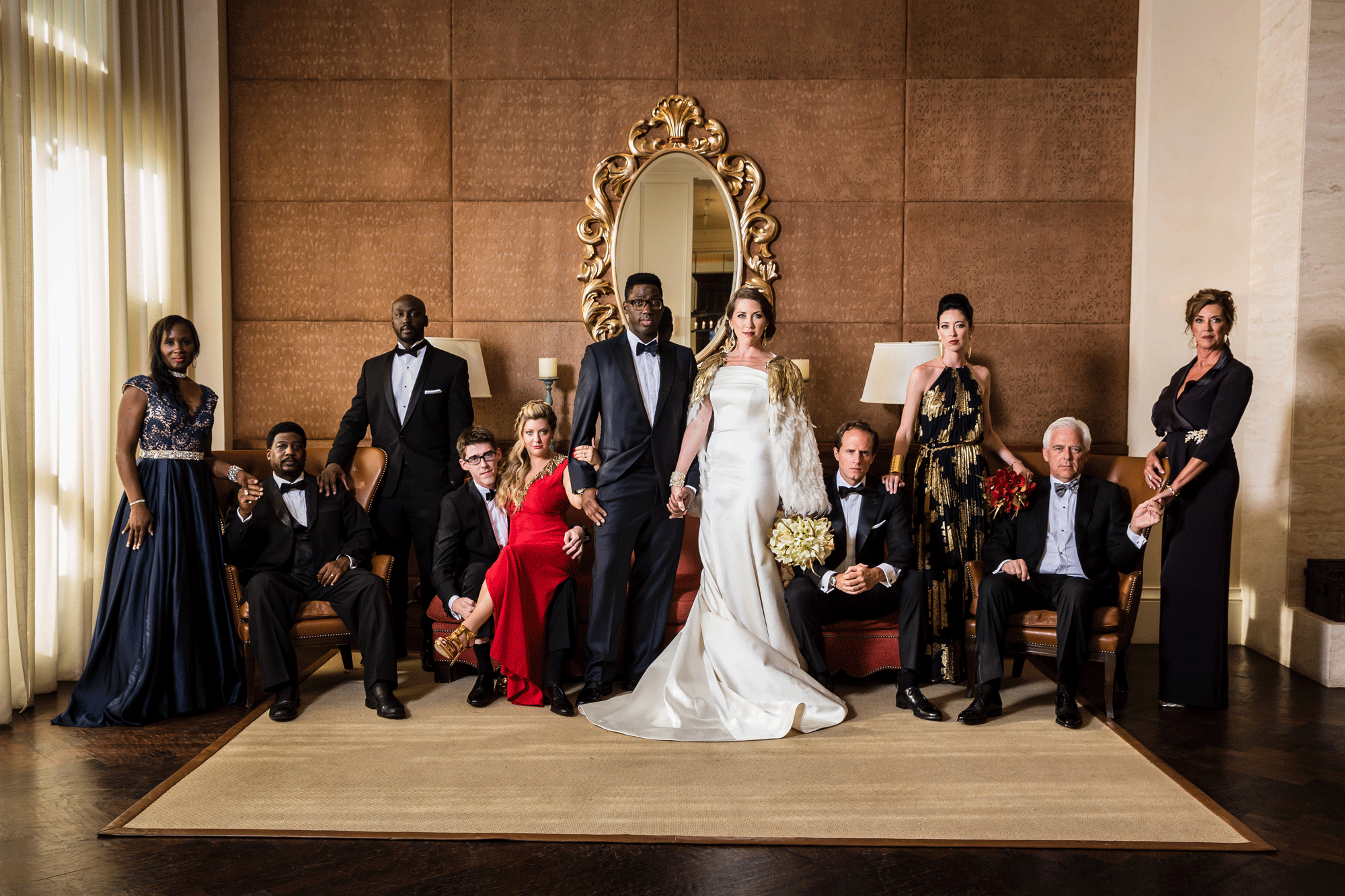
To manage depth, photographers should organize the group into rows, using chairs or benches for the front row and utilizing standing positions for the back. This tiered structure ensures that every face is visible. Crucially, as the depth of the group increases, the photographer must adjust the aperture to a higher f-stop (typically f/5.6 to f/8) to ensure that the entire group remains in sharp focus.
The Evolution of the "Director" Role
In the modern era, the role of the wedding photographer has expanded to include a high degree of public speaking and behavioral management. The photographer must manage not just the light, but the mood of the room. A common technique for maximizing efficiency is to capture multiple variations of the same setup. Once the "safe" shot—where everyone is looking at the camera and smiling—is secured, the photographer should pivot to "action-oriented" shots. Encouraging the group to lean in, laugh, or interact allows for a more authentic, less clinical look. This practice provides the client with a broader variety of images from a single, time-consuming setup.
Lighting Challenges: The Diffusion Factor
When working with a single light source for a large group, the primary challenge is the "inverse square law," which dictates that light intensity drops off significantly as distance increases. To light a group evenly, the light source must be placed far enough away from the subjects so that the light fall-off across the width of the group is minimized. While this requires a more powerful light source, it ensures that the subjects on the edges of the frame are as well-illuminated as those in the center.
Broader Implications and Industry Standards
The professional standard for group photography is continuously evolving, with an increasing emphasis on efficiency and emotional storytelling. As wedding timelines tighten, the ability to execute these photos with speed and technical accuracy has become a primary differentiator between amateur and professional service providers.

The industry’s move toward "The Wedding Photography Training System" and similar standardized educational models reflects a growing consensus: the technical mastery of lighting and posing is only half of the equation. The other half is the ability to lead, manage, and facilitate a seamless experience for the wedding party. Ultimately, the successful group portrait is a synthesis of logistical preparation, technical prowess, and the ability to maintain a positive, directed, and efficient environment under the pressures of a high-stakes event. Photographers who prioritize these pillars will consistently produce work that serves both the aesthetic needs of the couple and the long-term historical requirements of the family.