In the ever-evolving digital landscape, creators on platforms like YouTube invest significant time and resources into producing content. However, the terms and conditions that govern these platforms often remain a complex labyrinth for many. A recent examination of YouTube’s Terms of Service (ToS) for creators sheds light on critical aspects of content ownership, the scope of Google’s usage rights, and the intricacies of monetization, particularly in light of emerging legal challenges. This deep dive aims to demystify these agreements, offering creators a clearer understanding of their rights and obligations on the world’s largest video-sharing platform.
The question of who truly owns the content uploaded to YouTube is a foundational concern for every creator. While the platform’s ToS unequivocally states that creators "retain ownership rights in your Content," this ownership is qualified by the broad license granted to YouTube upon uploading. This license, described as "worldwide, non-exclusive, royalty-free, sublicensable and transferable," empowers YouTube and its partners to utilize content in ways that extend beyond simple playback. The extent of this license, especially in the context of emerging technologies like artificial intelligence, has become a focal point of legal scrutiny, prompting creators to re-evaluate the agreements they often accept without thorough review.
A pivotal moment that underscored the significance of these terms occurred in June, when Google faced a lawsuit concerning its AI music generator, Lyria 3. Independent musicians alleged that their recordings were used without consent to train the AI model. In its motion to dismiss the case, Google’s legal team argued that by uploading their music to YouTube, the artists had implicitly granted a license broad enough to encompass such use. This defense strategy, rooted in a specific clause within the ToS, highlighted how seemingly minor stipulations can carry substantial legal weight, particularly when interpreted by the platform provider. This argument suggests that the license granted is not merely for displaying or distributing content, but also for repurposing it in ways not explicitly anticipated by the creator at the time of upload.
The complexity of these agreements often leads creators to bypass a detailed reading, clicking "Agree" on a dense wall of legal text. However, as the Lyria case illustrates, understanding these terms is paramount. Creators are building their digital presence on a platform owned by Google, and the ToS represents the governing contract. This article aims to break down these critical clauses into plain language, providing context and analysis for creators. It is crucial to note that this information is intended for educational purposes and does not constitute legal advice. For definitive legal counsel, consulting with a qualified attorney is always recommended.
YouTube’s Broad License for Content Utilization
The core of the discussion revolves around the explicit license creators grant to YouTube. The ToS states: "By providing Content to the Service, you grant to YouTube a worldwide, non-exclusive, royalty-free, sublicensable and transferable license to use that Content (including to reproduce, distribute, prepare derivative works, display and perform it)…" This multifaceted license grants YouTube significant latitude in how it can utilize uploaded material.
Breaking down the key components of this license reveals its expansive nature:
- Worldwide: The license is not restricted to a specific geographic region, meaning YouTube can use the content globally.
- Non-exclusive: While you grant this license to YouTube, you are also free to license your content to other platforms or entities, provided those agreements do not conflict with the YouTube ToS.
- Royalty-free: YouTube is not obligated to pay you royalties for every instance of use under this license, which is a standard practice for user-generated content platforms to facilitate widespread content availability.
- Sublicensable: This is perhaps the most significant and controversial aspect. It means YouTube can grant licenses for your content to third parties. This clause is central to Google’s defense in the Lyria case, as it implies that YouTube can sublicense the right to use content for purposes such as training AI models.
- Transferable: YouTube can transfer these rights to its affiliates or in the event of a merger or acquisition.
The "sublicensable and transferable" aspects of this license are particularly crucial. They form the bedrock of Google’s argument that training AI models on creator content falls within the scope of the agreement. If a judge upholds this interpretation, it could set a precedent for how extensively platforms can leverage user-generated content for technological development and commercial ventures without direct, per-use compensation to the original creators. This interpretation pushes the boundaries of what creators might have envisioned when they first uploaded their videos, often years prior to the widespread development of advanced AI technologies.
Retention of Ownership, But Not Absolute Control
Despite the broad license granted, the ToS reiterates a fundamental point: "You retain ownership rights in your Content." This means that the intellectual property rights, the fundamental ownership of the creative work, remains with the creator. However, this ownership is not absolute. The ToS clearly states, "However, we do require you to grant certain rights to YouTube and other users of the Service…" These "certain rights" encompass the extensive license previously detailed.
Therefore, creators own their work, but they cede a wide-ranging, ongoing license to YouTube for its use in connection with the platform and its business operations. The exact limits of this license are continuously being tested, and the Lyria case is a significant battleground for defining these boundaries. Whether this license implicitly includes the training of commercial AI models is the central question that legal proceedings will seek to answer. This ongoing legal debate underscores the dynamic nature of digital rights and the platform’s evolving interpretation of user agreements.
Monetization Rights and Creator Compensation
It is widely understood that YouTube monetizes videos, with creators in the YouTube Partner Program (YPP) receiving a significant portion of ad revenue. For long-form videos, creators typically receive 55% of the ad revenue generated. However, a less understood aspect of the ToS is that YouTube reserves the right to monetize content even if the creator is not part of the YPP.
The ToS explicitly states: "You grant to YouTube the right to monetize your Content on the Service (and such monetization may include displaying ads on or within Content or charging users a fee for access). This Agreement does not entitle you to any payments." This clause means YouTube can display advertisements on any video uploaded to the platform, regardless of the uploader’s monetization status. In such instances, the revenue generated accrues to YouTube, not the creator.
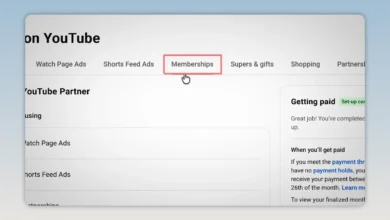
Eligibility for revenue sharing is contingent upon admission into the YPP, which comes with its own set of terms and policies. For creators in the YPP, any earnings are treated as royalties for tax purposes, a detail that necessitates careful financial planning. The platform’s ability to monetize content independently of creator participation is a standard practice for many online platforms, but it underscores the platform-centric nature of revenue generation. The revenue-sharing model is a separate agreement, distinct from the fundamental license granted upon upload.
Platform Discretion: Content Removal and Channel Termination
YouTube retains the right to remove content or terminate creator channels at its discretion. While this might seem like an extreme measure, it is a standard provision for online platforms to manage content and maintain community standards. The ToS outlines the conditions under which this can occur:
"If we reasonably believe that any of your Content (1) is in breach of this Agreement or (2) may cause harm to YouTube, our users, or third parties, we reserve the right to remove or take down that Content in accordance with applicable law."
The phrase "reasonably believe" provides YouTube with considerable latitude. While the platform generally acts with justification, the subjective nature of this standard means that creators do not have absolute control over their presence on the platform. Beyond content removal, YouTube can suspend or terminate an entire account if a creator breaches the agreement, if legally mandated, or if their conduct is deemed to create liability or harm.
Despite this broad discretion, creators do have recourse. Content removals and strikes can be appealed. Furthermore, updates to YouTube’s creator policies have introduced more robust tools for content detection and management. However, the overarching reality is that creators do not "own" their channel in the same way they own their content. This dependency on a third-party platform emphasizes the importance of maintaining an independent content archive and exploring strategies to diversify audience reach and ownership, such as building email lists or establishing presence on alternative platforms.
Navigating the Use of Third-Party Content
The ToS places significant liability on creators for the content they upload, with YouTube explicitly disclaiming responsibility for copyright infringements. Creators are solely accountable for ensuring they have the necessary rights to any material they use. This includes understanding the nuances of copyright law and the concept of "fair use," which is often misunderstood and offers limited protection if misapplied.
Copyright strikes are issued by rights holders, while Community Guidelines strikes are imposed by YouTube for policy violations. Both types of strikes carry consequences, and accumulating three strikes can lead to permanent channel termination. The safest approach to incorporating third-party content is to utilize materials that creators have explicitly cleared for reuse, such as through YouTube’s Remix features, which leverage content designated for such purposes. This proactive approach mitigates the risk of infringement claims and strikes, safeguarding the creator’s channel and livelihood.
Implications for AI Training and Content Deletion
The Lyria case brings the implications of the broad license into sharp focus. Google’s argument hinges on the "worldwide, non-exclusive, royalty-free, sublicensable and transferable" nature of the license. If this interpretation prevails in court, it could significantly broaden the scope of how platforms can utilize user-generated content for AI development. The outcome of this case is keenly awaited, as it has the potential to reshape the landscape of digital content rights in the age of artificial intelligence.
A critical question arises regarding content deletion: does removing a video revoke the licenses granted to YouTube and its partners? The ToS addresses this by stating: "The licenses granted by you continue for a commercially reasonable period of time after you remove or delete your Content from the Service. You understand and agree, however, that YouTube may retain, but not display, distribute, or perform, server copies of your videos that have been removed or deleted."
This provision means that deleting a video does not instantaneously revoke the license. The license persists for a "commercially reasonable period," a flexible legal term that typically implies a limited duration, such as days or weeks, rather than months. Crucially, this revocation is forward-looking. It stops future uses of the license but does not retroactively nullify actions that have already taken place. For instance, if an AI model has already been trained on a deleted video, the deletion does not undo that prior use. This nuanced approach to license termination highlights the lasting impact of content on platforms, even after its removal.
Conclusion: Navigating the Creator-Platform Relationship
The YouTube Terms of Service for creators, while seemingly one-sided, reflect the operational realities of a large-scale digital platform. While the platform’s stance generally favors its own interests, YouTube has historically demonstrated a commitment to fostering a creator-friendly environment. However, the ongoing legal challenges, such as the Lyria case, are critical in defining the evolving relationship between creators and platforms. The interpretation of the "worldwide, non-exclusive, royalty-free, sublicensable and transferable" license will have far-reaching implications for the future of content utilization, particularly in the context of artificial intelligence.
Ultimately, creators retain ownership of their content, but it is essential to manage their presence and audience strategically. Diversifying platform presence and seeking ways to directly own and engage with their community are prudent measures for creators seeking greater control and long-term sustainability in the digital space.
Frequently Asked Questions About YouTube’s Terms of Service for Creators
Does YouTube own my videos?
No, YouTube’s Terms of Service confirm that you retain ownership rights to your content. The act of uploading grants YouTube a broad license to use your videos in connection with its services and business, but ownership remains with you.
Can YouTube use my videos to train AI?
This is currently a contested issue. Google’s legal defense in the Lyria 3 lawsuit argued that the standard upload license is broad enough to permit AI training. However, no court has definitively ruled on this interpretation. Creators should monitor ongoing legal developments for clarity.
Can I revoke the license by deleting my video or channel?
Deleting content revokes the license going forward after a "commercially reasonable period of time." YouTube may also retain server copies. However, this does not undo uses that have already occurred, such as AI training on the content prior to deletion.
Are there separate terms of service for creators?
No, all users agree to the same Terms of Service. The sections most relevant to creators, concerning content ownership, licensing, monetization, and account management, are found within the "Your Content and Conduct" section.
Can YouTube run ads on my videos if I’m not monetized?
Yes. The ToS grants YouTube the right to monetize your content, and this does not entitle you to payments unless you are accepted into the YouTube Partner Program (YPP).
What can lead to my channel being terminated?
Channel termination can occur if you materially or repeatedly breach the ToS, if legally required, or if your conduct is deemed to create liability or harm to users or YouTube. Common triggers include repeated copyright or Community Guidelines strikes.