The Dual-Lens Xtra Muse 2 Pro Undercuts Insta360 with Sub-$700 Price, But FCC Crackdown Casts Doubt on Availability

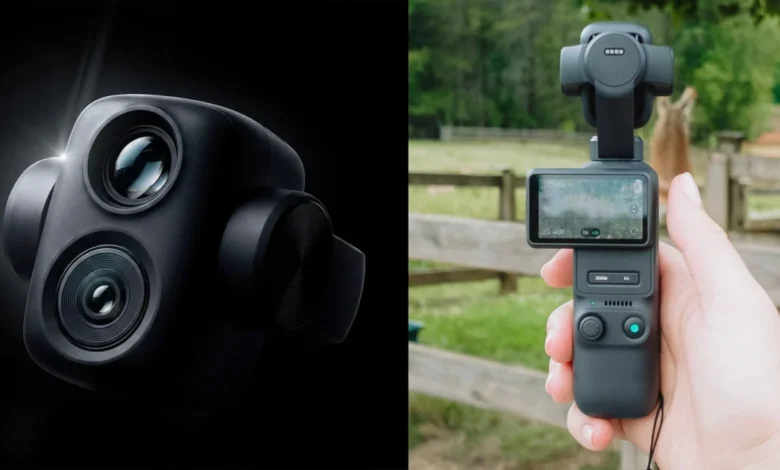
Days after the Federal Communications Commission (FCC) signaled a significant regulatory tightening against companies allegedly importing and distributing technology that mirrors or utilizes banned DJI components, Xtra, a company that has drawn scrutiny for its product similarities to DJI’s offerings, has abruptly pulled its Muse 2 Pro camera from its website and halted all preorders. The company also announced that it would begin refunding customers who had placed orders for the device. This development follows a series of actions by the FCC aimed at preventing the circumvention of existing bans on certain DJI products within the United States.
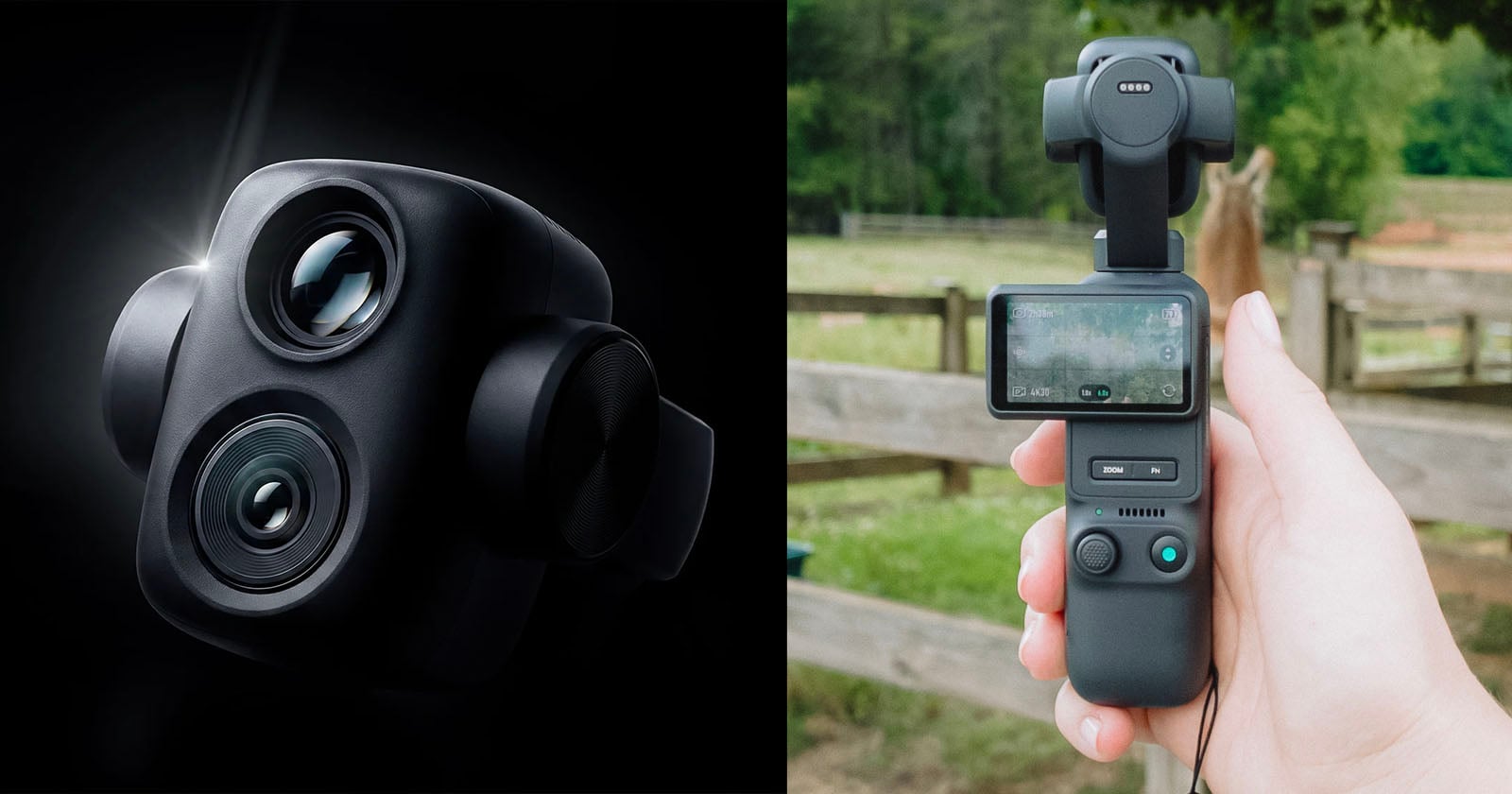
The Xtra Muse 2 and Muse 2 Pro have been widely perceived as direct competitors, or even clones, of DJI’s Osmo Pocket 4 and Osmo Pocket 4P models. While Xtra claims minor design and feature alterations, the striking resemblance has led many observers to believe these devices are designed to leverage DJI’s technological advancements without adhering to the same regulatory frameworks that have restricted DJI’s latest offerings in the US market. Xtra has a history of introducing products that bear a strong visual and functional likeness to popular DJI cameras, which have previously reached American consumers despite the ongoing restrictions on DJI’s most recent models.
However, the FCC’s intensified scrutiny this month appears to have significantly impacted Xtra’s operational strategy. The regulatory body initially imposed fines on several companies, including Xtra, which it identified as potentially distributing technology derived from banned DJI equipment without proper disclosure of the source. This was followed by a more comprehensive announcement of proposed bans on the import and sale of new products associated with these alleged circumvention tactics.
While the newly announced bans are not immediately enforceable, requiring a 30-day public comment period before official implementation, Xtra’s swift reaction suggests the company is unwilling to risk further entanglement with the FCC. The sudden withdrawal of the Muse 2 Pro and the cessation of preorder activities indicate a proactive, albeit potentially defensive, response to the evolving regulatory landscape.
Chronology of Events Leading to Xtra’s Decision
The situation has unfolded rapidly over the past month, with the FCC’s actions escalating from cautionary measures to more direct enforcement.
- Early October 2025: PetaPixel reports on Xtra’s previous product introductions, noting their strong resemblance to DJI cameras and their availability to American customers, suggesting a pattern of introducing DJI-like products without facing the same import restrictions.
- July 10, 2026: The FCC announces fines against multiple companies, including Xtra, alleging they are bringing banned DJI technology into the U.S. disguised as their own products. The core of the FCC’s concern is the failure of these companies to adequately explain the origin of their technology, leading to the presumption that it is derived from banned DJI components.
- July 21, 2026: The FCC’s actions escalate as it proposes broader bans targeting companies like Xtra. This move signals a more aggressive stance against what it views as deliberate attempts to circumvent existing import restrictions.
- Present Day (Implied Date of Article Publication): Xtra removes the Muse 2 Pro from its website, halts preorders, and begins processing refunds for existing orders. This decision is directly linked to the FCC’s recent regulatory actions. Photographer Francis Alvarez, who had preordered the Muse 2 Pro, shared on Threads that he received an email from Xtra confirming the pause on their Early Bird program for the device.
Xtra’s Official Statement and Customer Communication
The email received by customers like Francis Alvarez outlines Xtra’s reasoning for pausing the Muse 2 Pro’s Early Bird program. The company cites an "inability to confirm a reliable launch timeline at this stage" as the primary driver for this decision. This phrasing leaves open the possibility that Xtra may attempt to reintroduce the product in the U.S. at a later date, contingent on navigating the regulatory hurdles.
However, in the immediate term, Xtra is prioritizing customer satisfaction by refunding all deposits. The company’s concluding statement to customers, as reported, is: "We have not announced a new product launch timeline at this time. Further information will be shared separately once the relevant plans are confirmed." This communication suggests a period of internal assessment and strategic recalibration for Xtra as it grapples with the FCC’s enforcement actions.
The FCC’s Stance and the "Banned DJI Tech" Allegation
The FCC’s actions against companies like Xtra are rooted in Section 8 of the National Defense Authorization Act (NDAA) for Fiscal Year 2020, which prohibits the use of federal funds by government agencies to procure or obtain telecommunications equipment and services produced by certain Chinese companies, including Huawei and ZTE. While the initial focus was on these specific companies, subsequent interpretations and enforcement actions have broadened to address the alleged distribution of technology that benefits from or is derived from banned Chinese entities, particularly in sectors like consumer electronics where dual-use technologies are prevalent.
In the case of Xtra and similar companies, the FCC’s investigation centers on their failure to provide transparent documentation regarding the manufacturing and sourcing of their product components. The implication is that these companies are importing and selling devices that are functionally identical to DJI products, which are subject to restrictions due to concerns about data security and national security, or are directly utilizing components from banned manufacturers. By not disclosing the origin of their technology, these companies, in the FCC’s view, are attempting to circumvent import bans and sell products that would otherwise be prohibited.
The FCC’s fines were levied under statutes that penalize entities for failing to comply with import regulations and for making misrepresentations to federal agencies. The subsequent proposed bans aim to create a more robust barrier against the future importation and sale of such products. The 30-day public comment period is a standard administrative procedure that allows interested parties, including companies like Xtra, to voice their concerns or provide additional information before the rules are finalized.
Broader Implications for the Market and Consumers
The FCC’s aggressive stance has significant implications for the competitive landscape of the consumer electronics market, particularly in the burgeoning drone and portable camera sectors. Companies that have relied on manufacturing or sourcing components from China, and have historically operated in a gray area regarding intellectual property and regulatory compliance, now face increased scrutiny.
For consumers, this crackdown could lead to several outcomes:
- Reduced Product Availability: The immediate consequence is a reduction in the availability of certain camera and drone models that were positioned as more affordable alternatives to established brands like DJI.
- Price Increases: With fewer competitors and increased regulatory compliance costs, the prices of remaining and future products in these categories may rise.
- Emphasis on Transparency: The FCC’s actions could force manufacturers to be more transparent about their supply chains and technological origins, potentially leading to greater consumer trust in the long run.
- Innovation and Genuine Competition: While disruptive, regulatory clarity can also foster genuine innovation. Companies will need to develop unique technologies and business models rather than relying on replicating existing designs to gain market share.
The future of Xtra and companies operating in a similar fashion remains uncertain. Without a clear and compliant path to market in the U.S., their business models are under severe pressure. The company’s decision to pause the Muse 2 Pro’s launch and issue refunds is a pragmatic move in the face of escalating regulatory challenges. It underscores the growing importance of compliance and transparency in the global electronics market, especially when dealing with technologies that carry national security considerations.
Xtra’s recent silence in response to inquiries from publications like PetaPixel further suggests a company in a precarious position, reassessing its strategy and potentially seeking legal or technical counsel to navigate the complex regulatory environment. The FCC’s commitment to enforcing these regulations indicates that the crackdown on alleged circumvention tactics is likely to continue, reshaping how technology products are brought to the American market. The precedent set by these actions will undoubtedly influence the strategies of numerous companies operating in similar niches, pushing for greater adherence to international trade and regulatory standards.