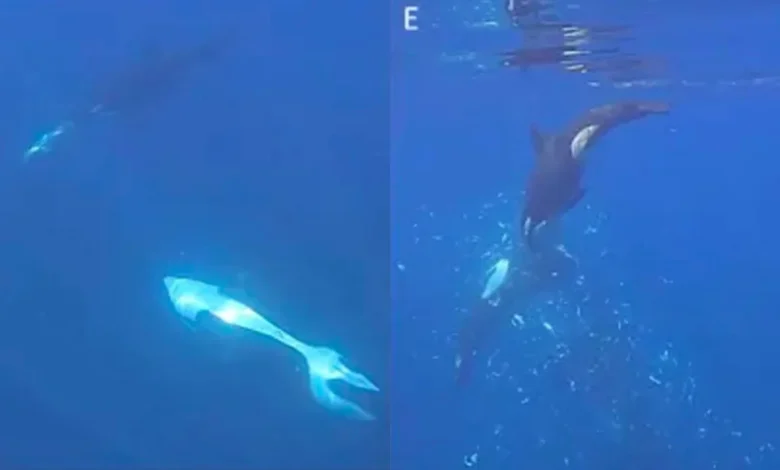
The ocean depths have yielded a remarkable spectacle, captured by marine biologist Kathryn Ayres, showcasing the sophisticated and perhaps playful hunting tactics of orcas. In July 2024, while conducting shark dives in the bountiful waters of the Gulf of California, Ayres documented an astonishing interaction: a pair of orcas systematically dismembering a large sunfish through a high-impact ramming maneuver that resulted in the fish literally exploding into countless fragments. This extraordinary event, now detailed in a peer-reviewed scientific journal, sheds new light on the predatory strategies and cognitive abilities of these apex predators.
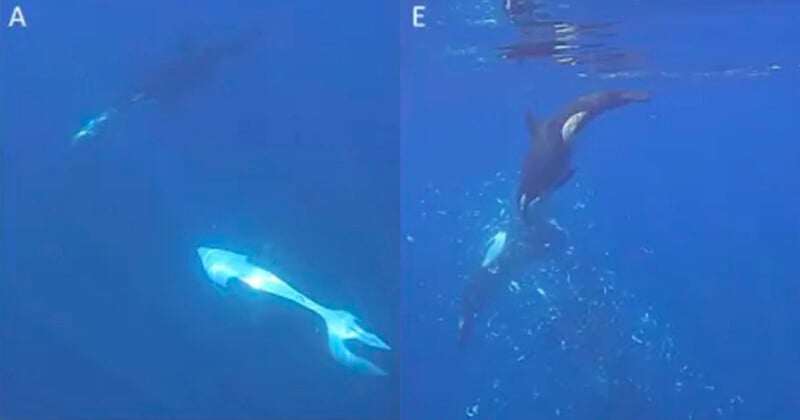
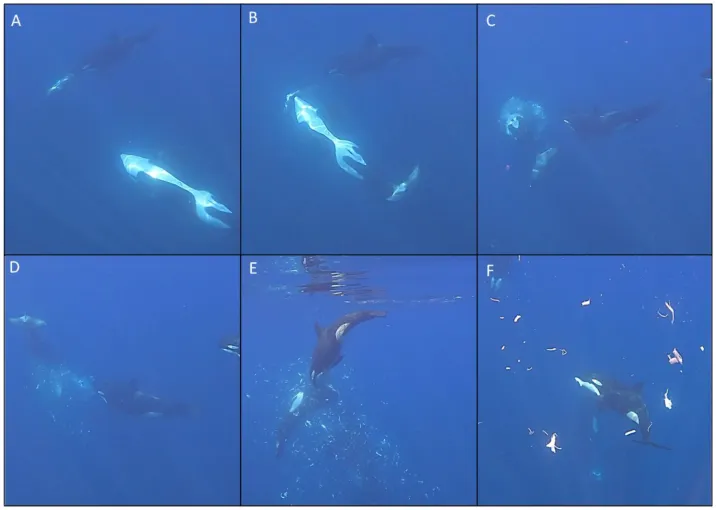
The incident unfolded when Ayres, drawn by the presence of marine life, entered the water for a closer observation. She witnessed a coordinated effort by two orcas, one of which appeared to be immobilizing a dead sharptail sunfish. The second orca then approached at considerable speed, striking the sunfish with a forceful, belly-up ram. The impact was so profound that it produced an audible crunch, disintegrating the sunfish, identified as one of the ocean’s largest bony fish, into thousands of small pieces. Ayres’s audible reaction of astonishment in the footage underscores the sheer unexpectedness and dramatic nature of the event.
A Predatory Display: Beyond Mere Consumption
Initial analysis suggests that the orcas had already extracted the nutrient-rich internal organs of the sunfish prior to this destructive finale. According to Scientific American, the internal organs are typically the most calorific and essential parts of a prey animal. This observation leads researchers to question the primary motivation behind such an extreme method of dismemberment. While efficient feeding strategies are paramount for any predator, the extent of the sunfish’s fragmentation implies that other factors might be at play.
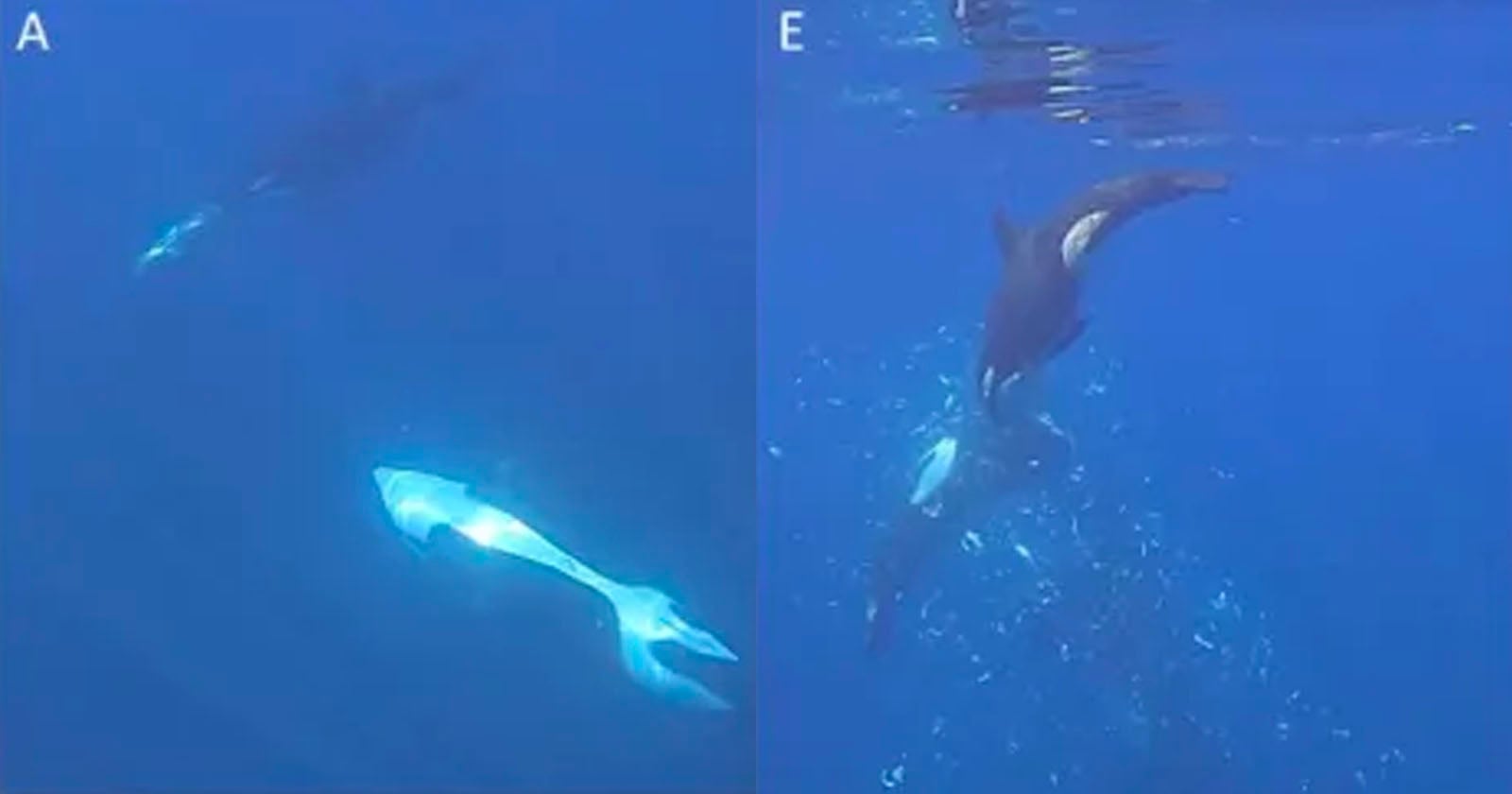
Kathryn Ayres, along with her fellow researchers, published their findings in the esteemed journal Frontiers in Ethology on Thursday. Their report delves into the potential reasons behind this seemingly excessive display of force. One hypothesis presented is that the ramming behavior could facilitate easier distribution of the prey among the entire orca pod. In large social groups, breaking down large prey into smaller, manageable pieces can ensure that all members, including younger or less dominant individuals, have access to the meal. This cooperative feeding strategy is a hallmark of orca social structure, where communal hunting and resource sharing are crucial for survival and group cohesion.
However, the research team also acknowledges the well-documented propensity for orcas to engage in behaviors that appear to go beyond immediate nutritional necessity. These intelligent marine mammals are renowned for their complex social dynamics and cognitive abilities, which often manifest in playful interactions with their environment and prey. Anecdotal evidence and photographic records have previously shown orcas tossing seals in the air or, in a particularly striking instance, adorning themselves with dead salmon, wearing them like "hats." These behaviors suggest a capacity for play and possibly even a form of ritualistic interaction with their kills, hinting at a cognitive complexity that extends beyond the purely utilitarian.
Ayres elaborated on this point in a statement to CNN, emphasizing the state of the sunfish after the initial feeding. "They had already consumed the sunfish’s internal organs, which are the most nutrient-rich parts of the prey," she explained. "This suggests that causing the sunfish to explode may not have served an immediate feeding purpose and could have just been for fun." This interpretation introduces the compelling notion that the explosive fragmentation of the sunfish could be an outlet for the orcas’ inherent playfulness and sophisticated social signaling, rather than solely a means of accessing sustenance.
Anatomical Predisposition and Behavioral Adaptations
The unique anatomical structure of the sunfish may also play a role in the efficacy of this ramming technique. The researchers posit that the sunfish’s unusually large and flattened body shape could make it more susceptible to explosive rupture when subjected to high-impact force. "Their bodies are laterally compressed," Ayres noted. "Once the nutrient-rich internal organs have been removed, the remaining tissues may be more accessible to rupture under high-impact ramming." This anatomical characteristic, combined with the orcas’ powerful and precise hunting techniques, creates a perfect storm for such a dramatic dismemberment.
The sharptail sunfish ( Masturus lanceolatus ), the species observed in this encounter, is a formidable creature. These fish can reach impressive lengths of up to 10 feet (three meters) and weigh more than 4,000 pounds (1,800 kilograms), solidifying their status as among the heaviest bony fish in the ocean. Their sheer size and robust build would typically make them a challenging prey item. However, the orcas’ ability to overcome these physical defenses through such a specialized method highlights their evolutionary adaptation and predatory prowess.
A Recurring Phenomenon in the Gulf of California
The remarkable footage captured by Ayres is not an isolated incident. A second video, documenting a similar behavior, was recorded by a tour operator in the same region, the Gulf of California, in September of the previous year. This independent observation strengthens the hypothesis that this ramming behavior is a recognized, albeit rarely witnessed, hunting strategy employed by orcas in this particular locale. The video from September follows a pattern consistent with Ayres’s footage: one orca holds the sunfish stationary while another delivers a high-speed ramming blow. The presence of multiple documented instances in a relatively short timeframe suggests that this behavior may be more prevalent than previously understood, particularly within specific orca populations or in areas where sunfish are a common food source.
The Gulf of California, also known as the Sea of Cortez, is a biodiversity hotspot, renowned for its rich marine life and a significant population of various whale and dolphin species, including several distinct ecotypes of orcas. These waters provide a complex and dynamic environment that supports a wide array of prey, from small fish to large marine mammals. The consistent observation of specialized hunting techniques, such as the sunfish ramming, underscores the intricate ecological relationships that exist within this vibrant marine ecosystem.
Broader Implications for Marine Research and Conservation
The scientific documentation of this explosive sunfish fragmentation by orcas offers valuable insights into the ethology and cognitive capabilities of these highly intelligent marine mammals. The research published in Frontiers in Ethology contributes to a growing body of evidence that highlights the complexity of orca social structures, hunting strategies, and potentially their capacity for play. Understanding these behaviors is crucial for effective marine conservation efforts.
The findings suggest that orcas may possess a nuanced understanding of their prey’s anatomy and physics, enabling them to develop and refine such specialized hunting techniques. The possibility that this behavior serves a dual purpose – facilitating prey distribution and providing an outlet for social interaction or play – opens new avenues for research into the emotional and cognitive lives of these animals.
Furthermore, the study underscores the importance of continued long-term observation and data collection in marine environments. The Gulf of California, with its high biodiversity and the presence of specialized predator-prey interactions, serves as a critical natural laboratory for understanding the intricacies of marine ecosystems. The detailed analysis of such events can inform conservation policies, identify potential threats to these populations, and contribute to a deeper appreciation of the wild and wonderful behaviors that unfold beneath the ocean’s surface. The ongoing study of orca behavior in this region promises to reveal even more about the sophisticated lives of these magnificent marine predators.