Walt Disney Company Initiates Third Major Layoff Round of 2026, Pixar Significantly Affected Despite Strong Box Office Performance

The Walt Disney Company has reportedly commenced its third significant round of job cuts this year under the leadership of CEO Josh D’Amaro, with the acclaimed animation studio Pixar, a division that has already garnered over $1.4 billion at the global box office in 2026, experiencing some of the most substantial reductions among the company’s film operations. The latest workforce adjustment, which saw approximately 150 staff impacted according to an update from The Wrap, is slightly fewer than the 175 record layoffs observed in 2023 but marks another critical step in D’Amaro’s ongoing corporate restructuring efforts.
A Broad Restructuring Effort Across Disney’s Portfolio
The comprehensive nature of these layoffs extends beyond Pixar, impacting various facets of the entertainment conglomerate. Reports from The Hollywood Reporter indicate that the cuts are distributed across corporate functions, the sports media giant ESPN, Disney Entertainment Television, and the company’s broader film studios. While Pixar is facing the most significant impact within the film division, the exact number of positions eliminated at the legendary animation studio was not initially disclosed but later approximated. Employees across the affected divisions were notified of their status on Tuesday morning, July 21, 2026, marking a somber day for many within the organization.
The internal restructuring at Pixar itself has been a point of focus. An anonymous, verified source within the studio revealed that the company had earlier in the year announced an upcoming shift to a "long and lean" production schedule. This strategic pivot translates into a tangible reduction in labor allocation for future films. Another long-term employee elaborated on this, explaining that the new production model would restrict upcoming projects to a maximum of 16,500 person-weeks of labor. This represents a notable decrease from the 18,500 to over 20,000 person-weeks that were typical for previous Pixar productions, signaling a fundamental change in how films will be developed and executed at the studio. This current wave of job eliminations follows closely on the heels of the largest round of layoffs in Pixar’s history, which occurred just two years prior in 2024, highlighting a persistent pattern of workforce adjustments at the Emeryville-based studio.
Pixar’s Paradox: Box Office Success Amidst Workforce Reductions
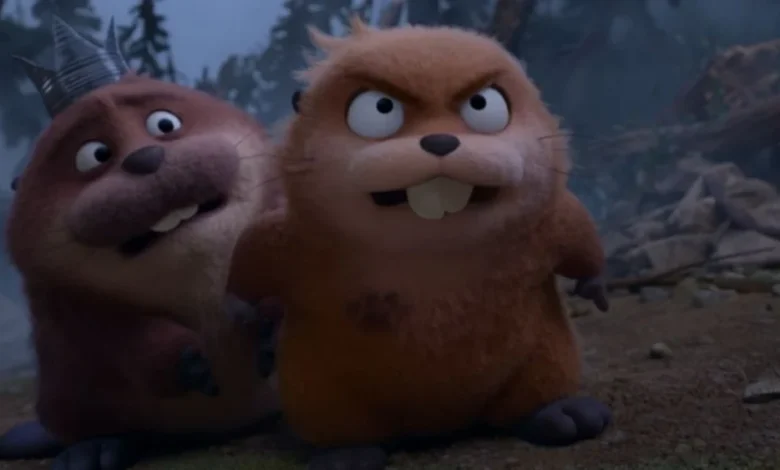
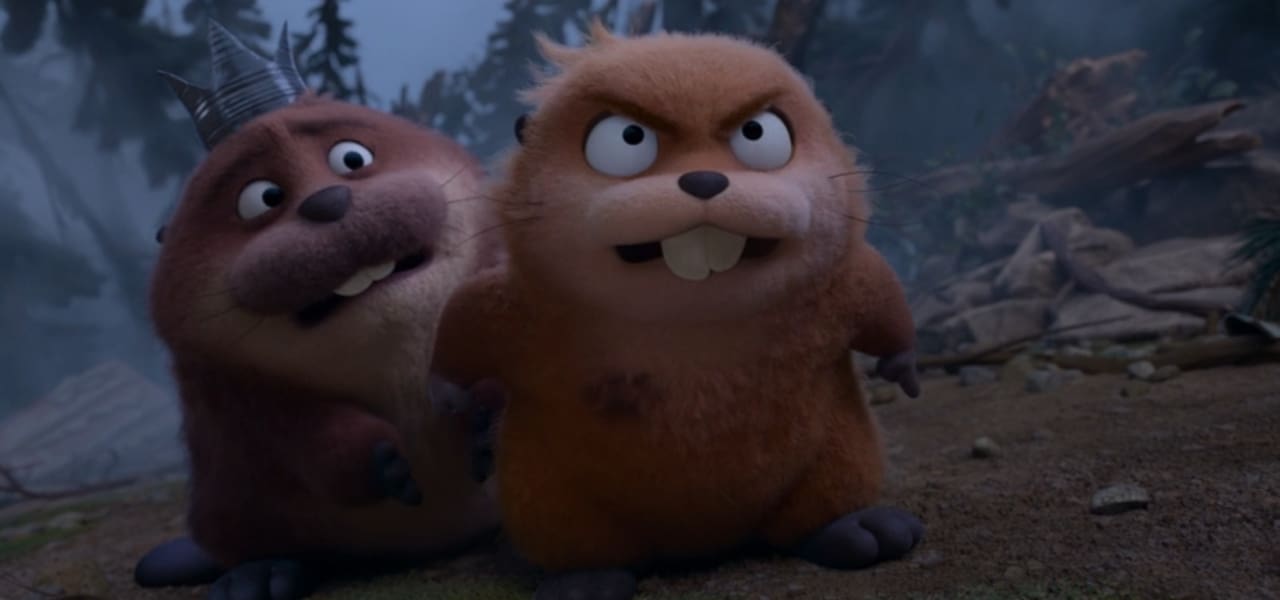
The timing of these layoffs at Pixar presents a striking paradox. 2026 has been a remarkably strong year for the studio financially, defying a broader narrative of industry challenges. In the first half of the year, Pixar released two commercially successful feature films. The original animated title, Hoppers, captivated audiences and generated a robust $389.5 million globally. Even more impressively, the highly anticipated franchise sequel, Toy Story 5, emerged as one of the year’s biggest cinematic successes to date, raking in an astounding $958 million worldwide and continuing its strong theatrical run. Collectively, these two films pushed Pixar’s box office gross beyond the $1.4 billion mark, a testament to its enduring creative appeal and market power.
This juxtaposition of significant financial success with substantial workforce reductions raises questions about the underlying drivers of Disney’s decisions. Traditionally, a studio’s strong box office performance is a buffer against such measures. However, in the context of a massive corporate entity like Disney, divisional performance is often weighed against broader company-wide financial imperatives, cost-saving targets, and investor expectations for profitability and efficiency across all segments. It suggests that these layoffs are less about a lack of success at Pixar and more about a strategic re-evaluation of resource allocation and operational models across the entire Disney enterprise.
The "One Disney" Vision: A Chronology of D’Amaro’s Restructuring
The current layoffs are not isolated incidents but rather integral components of CEO Josh D’Amaro’s overarching strategy to streamline operations and reconfigure The Walt Disney Company around what he terms the "One Disney" model. D’Amaro, who assumed the CEO position in a period of significant industry flux, inherited a sprawling conglomerate facing intense competition in the streaming wars, evolving consumer habits, and increasing pressure from activist investors demanding greater financial discipline. His tenure has been characterized by a proactive and sometimes aggressive pursuit of efficiency and synergy across the company’s diverse segments.
The chronology of D’Amaro’s restructuring efforts in 2026 illustrates this commitment:
- January 2026: The year began with the unification of Disney’s various marketing departments under the leadership of Asad Ayaz. This consolidation was intended to create a more cohesive and efficient marketing strategy across the company’s brands but inevitably led to job losses as redundant positions were eliminated.
- April 2026: A more extensive round of layoffs followed, impacting approximately 1,000 positions across various departments within the company. This move was framed by D’Amaro as a necessary step to examine ways to streamline operations and foster "a more agile and technologically-enabled workforce."
- July 2026: The latest round, while numerically smaller than the April reductions, still eliminates hundreds of jobs and significantly impacts creative powerhouses like Pixar. The continuous nature of these cuts underscores a sustained effort to reshape Disney’s operational framework.
During previous layoff announcements, D’Amaro had publicly articulated his vision, emphasizing the creation of a more agile, efficient, and technologically advanced workforce capable of navigating the complexities of the modern entertainment landscape. While there was no immediate company-wide memo from the CEO specifically addressing the Tuesday cuts, his prior statements provide insight into the strategic rationale guiding these decisions. The "One Disney" model aims to break down silos between divisions, encourage cross-functional collaboration, and eliminate redundancies, ultimately seeking to optimize resource utilization and enhance shareholder value.
Broader Financial Context and Industry Pressures
Disney’s aggressive restructuring must be viewed within the broader financial and industrial context of the mid-2020s. The entertainment industry has been undergoing a seismic shift, with the rise of streaming services fundamentally altering traditional business models. While Disney+ initially saw rapid subscriber growth, the focus has increasingly shifted from pure subscriber numbers to achieving profitability in the direct-to-consumer segment. This pivot necessitates stringent cost controls across all content creation divisions, including animation.
Furthermore, traditional linear television, where Disney has significant holdings through ESPN and various cable channels, continues to face headwinds from cord-cutting. The declining viewership and advertising revenues in this segment place additional pressure on the company’s overall profitability. While Disney’s theme parks have largely rebounded from the pandemic, providing a stable revenue stream, the content creation divisions are under immense scrutiny to deliver efficient, high-quality output.
The global economic climate, characterized by inflationary pressures and cautious consumer spending, also plays a role. Large corporations like Disney are often compelled to demonstrate fiscal prudence to investors, who increasingly prioritize lean operations and strong profit margins. These external pressures, combined with internal strategic goals, create an environment where even highly successful divisions like Pixar are not immune to workforce adjustments if they can contribute to broader cost efficiencies. Analysts like Sarah Jenkins from Media Insights Group have noted that "Disney’s moves reflect a broader industry trend where legacy media giants are forced to re-evaluate every aspect of their business to compete in a fragmented, digital-first landscape. Efficiency is the new growth metric."
.png)
Implications for Pixar’s Creative Trajectory and Employee Morale
The "long and lean" production model at Pixar, characterized by reduced person-weeks of labor, carries significant implications for the studio’s creative output and its renowned culture. Pixar has historically been celebrated for its meticulous animation, innovative storytelling, and a collaborative environment that fostered groundbreaking original content. The extended development cycles and iterative processes that allowed for such quality might now be challenged under tighter resource constraints.
Industry observers and animation veterans express concern that such measures, while financially prudent, could stifle the experimental spirit and creative freedom that have been hallmarks of Pixar. A reduction in person-weeks could mean less time for iteration, fewer exploratory artistic pathways, or a greater reliance on established formulas rather than risky original concepts. While Hoppers demonstrated a capacity for successful original content, the pressure to deliver hits under a leaner model might naturally steer the studio towards safer, franchise-driven projects like Toy Story 5.
The impact on employee morale is also a critical consideration. Repeated rounds of layoffs, even if justified by corporate strategy, can create an atmosphere of uncertainty and anxiety among remaining staff. Pixar has long been lauded for its employee-centric culture, often cited as one of the best places to work in animation. These consistent workforce reductions, following the largest layoffs in its history just two years prior, could erode trust and dampen the creative spirit crucial for a studio of its caliber. Anonymous employee statements often highlight concerns about workload increases for remaining staff and the potential for burnout. While Disney aims for an "agile" workforce, the human cost of such agility is a palpable concern within creative industries.
Looking Ahead: Disney’s Balancing Act
The ongoing restructuring at The Walt Disney Company, spearheaded by CEO Josh D’Amaro, represents a profound transformation aimed at positioning the entertainment giant for long-term success in a rapidly evolving global market. The layoffs, particularly those affecting a creatively vital and commercially successful entity like Pixar, underscore the depth of this commitment to efficiency and strategic realignment.
Disney faces a delicate balancing act: satisfying investor demands for profitability and streamlining operations while simultaneously nurturing the creative talent and innovative spirit that are the bedrock of its brand. The success of the "One Disney" model will ultimately be judged not just by its financial metrics but also by its ability to maintain the high quality and cultural impact of its content, particularly from beloved studios like Pixar. The coming years will reveal whether these aggressive cost-cutting measures empower Disney to thrive in the new media landscape or inadvertently diminish the very creative magic that has defined it for decades. The industry watches closely as one of its titans navigates this complex and often painful transition.