João Vaz Oliveira’s Reel 2026: A Paradigm Shift in Real-Time Motion Design and Audiovisual Interaction

The unveiling of João Vaz Oliveira’s Reel 2026 marks a significant milestone in the realm of experimental motion design, presenting a groundbreaking audiovisual piece where sound intrinsically and dynamically shapes visual output in real-time. This innovative project, which first captivated audiences during its live premiere at the prestigious Atlas Festival in Lisbon, transcends traditional notions of a design reel, evolving into a living, responsive artistic system. Oliveira’s work not only showcases technical prowess but also delves deep into the symbiotic relationship between auditory and visual perception, offering a compelling glimpse into the future of interactive digital art.
The Genesis: Live Debut at Lisbon’s Atlas Festival
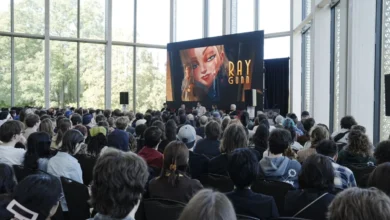
The journey of Reel 2026 began on a vibrant stage at the Atlas Festival in Lisbon, an event renowned for its commitment to showcasing cutting-edge digital arts, experimental music, and immersive technologies. The festival, which annually draws a diverse audience of artists, technologists, and enthusiasts, serves as a crucial platform for the convergence of various creative disciplines. It is within this fertile ground of innovation that João Vaz Oliveira chose to introduce the nascent concept of Reel 2026, opting for a live performance format that underscored the project’s core principle: real-time interaction.
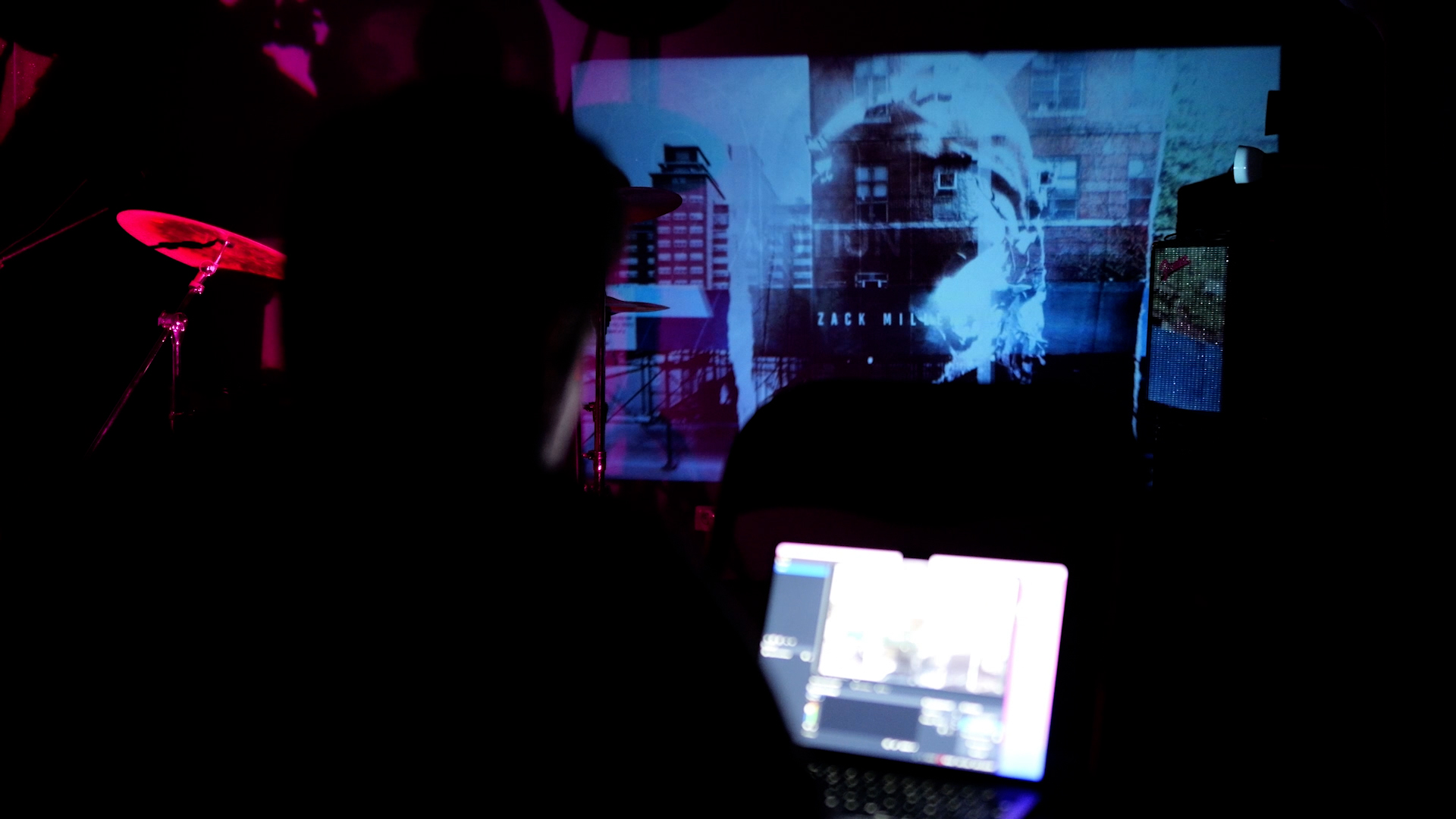
The initial presentation featured a live drummer, whose percussive interpretations served as the primary catalyst for the unfolding visual narrative. This setup was not merely an accompaniment but a fundamental element of the artwork, demonstrating immediately the profound influence of live musical input on the visual aesthetic. Audiences at the Atlas Festival were treated to an experience where every beat, every dynamic shift, and every rhythmic pattern from the drums instantaneously translated into complex, evolving visual compositions. This direct, unmediated connection between sound and image created an immersive spectacle, challenging conventional understandings of how a motion design portfolio might function. The live environment provided an ideal crucible for testing the system’s robustness and the audience’s reception to such a direct and fluid interplay of senses. The success of this initial live iteration confirmed the project’s potential and paved the way for its subsequent expansion and refinement.
Chronology of Innovation: From Performance to Studio Refinement
Following its impactful live debut, Reel 2026 embarked on a meticulous phase of studio refinement, a critical step in elevating the experimental performance into a more polished and versatile artistic offering. The transition from a dynamic live setting to a controlled studio environment allowed Oliveira and his collaborators to meticulously fine-tune the visual system, explore a broader spectrum of musical interpretations, and encapsulate the project’s essence in a more accessible format.

This studio phase represented a deliberate strategic decision to push the boundaries of the original concept. While the live performance was invaluable for proving the real-time interaction, the studio provided the ideal conditions for detailed calibration, comprehensive testing, and the exploration of nuanced artistic expressions. The objective was to transform a singular, transient live experience into a replicable yet perpetually unique showcase of the system’s capabilities.
A pivotal aspect of this refinement involved inviting three distinct musicians, each proficient in a different instrument: drums, piano, and handpan. This choice was far from arbitrary; it was a carefully considered decision to explore how diverse timbres, attack envelopes, harmonic structures, and dynamic ranges would translate through the visual system.
- Drums: Building upon the initial live performance, the drum interpretation further explored percussive impacts, rhythmic complexities, and dynamic swells, generating visuals that were often sharp, energetic, and highly responsive to transient sounds.
- Piano: The piano offered a rich palette of melodic lines, harmonic progressions, and varying velocities. This allowed the system to interpret sustained notes, chordal structures, and more nuanced dynamic shifts, likely resulting in visuals that were fluid, evolving, and perhaps more geometrically complex or organically flowing in response to pitch and harmony.
- Handpan: The handpan, with its unique resonant and ethereal qualities, presented a distinct challenge and opportunity. Its shimmering overtones, sustained notes, and gentle percussive taps would prompt the visual system to generate visuals characterized by subtle undulations, intricate light patterns, and perhaps more organic, ambient forms, reflecting the instrument’s meditative and intricate sonic texture.
Each musician’s performance generated a unique visual outcome, demonstrating the profound adaptability and interpretative capacity of Oliveira’s system. This approach fundamentally redefined the concept of a "reel," transforming it from a static, pre-rendered sequence of best works into a dynamic, evolving, and intrinsically performative piece. It underscored the idea that the "reel" itself is not a fixed product, but a living demonstration of a generative artistic process, where the output is always a direct reflection of the input.
The Technological Core: Harnessing TouchDesigner for Real-Time Audiovisual Synthesis
At the heart of Reel 2026’s groundbreaking capabilities lies its sophisticated visual system, meticulously developed within TouchDesigner. This powerful node-based visual programming environment, revered in the fields of real-time interactive media, projection mapping, art installations, and live performance visuals, proved to be the ideal platform for Oliveira’s ambitious vision. TouchDesigner’s robust architecture allows for complex data flows, advanced audio analysis, and GPU-accelerated rendering, making it uniquely suited for projects that demand instantaneous responsiveness and high-fidelity visual output.
The technical brilliance of Reel 2026 resides in its ingenious method of translating auditory information directly into visual parameters. Within TouchDesigner, the incoming audio signal from the musicians is subjected to a sophisticated analysis pipeline. This involves:
- Frequency Analysis: Deconstructing the sound into its constituent frequency bands (e.g., low-end bass, mid-range presence, high-frequency clarity). Each band can be mapped to different visual attributes.
- Amplitude and Dynamics: Measuring the overall loudness and variations in volume, which can control parameters like the intensity of light, the scale of visual elements, or the speed of animations.
- Transient Detection: Identifying sharp attacks in the audio (like drum hits or piano key presses), which can trigger immediate visual events, flashes, or abrupt changes in visual state.
- Rhythmic Analysis: Extracting tempo and rhythmic patterns to synchronize visual pulses, looping animations, or structural changes within the visual composition.
These extracted audio parameters are then dynamically mapped to a myriad of visual behaviors and attributes within the system. For instance:
- Low frequencies might drive the expansion of foundational geometric shapes or the propagation of deep, resonant colors.
- Mid-range frequencies could influence the complexity of textures, the density of particle systems, or the oscillation of intricate patterns.
- High frequencies might control the sharpness of edges, the brightness of highlights, or the speed of subtle, flickering details.
- The overall amplitude could dictate the luminosity of the entire scene, creating moments of intense brightness during crescendos and receding into softer tones during decrescendos.
- Sudden transients could trigger explosive visual effects, momentary distortions, or rapid transitions between different visual states.
This intricate mapping ensures that the visual output is not merely reactive but genuinely generative, reflecting the nuances of the musical performance in real-time. The final result, as Oliveira describes, reflects a delicate "balance between control and unpredictability." The artist meticulously designs the underlying visual grammar and the rules of interaction within TouchDesigner, establishing a structured framework. However, the live, performative input from the musicians introduces an inherent element of unpredictability, ensuring that each iteration, each performance, and each reel is genuinely unique. This fusion of structured design with spontaneous performative input is what elevates Reel 2026 beyond a mere technical demonstration into a profound artistic statement.
Broader Implications: Reshaping Motion Design and Interactive Art
João Vaz Oliveira’s Reel 2026 is more than just an impressive technical achievement; it represents a significant contribution to the evolving landscape of motion design, interactive art, and the broader creative industries. Its implications resonate across several domains:
1. Redefining the Motion Design Reel: Traditionally, a motion design reel serves as a curated compilation of an artist’s best pre-rendered works, showcasing their skill in animation, visual effects, and storytelling. Reel 2026 challenges this paradigm by presenting a generative system rather than a fixed portfolio. It demonstrates a capacity for live creation, adaptability, and dynamic responsiveness, suggesting a future where designers might present not just finished pieces, but the very systems that create them. This shifts the focus from static output to dynamic process, potentially influencing how future motion designers construct and present their portfolios.
2. Advancing Interactive Art and Performance: The project stands as a testament to the growing trend of real-time interaction in art. It blurs the lines between visual artist, musician, and technologist, fostering a new model of collaborative performance. In an era where immersive experiences and audience engagement are paramount, projects like Reel 2026 highlight the potential for art to be a two-way conversation, where inputs from one discipline directly inform the output of another. This could pave the way for more sophisticated live visuals (VJing), interactive installations, and multi-sensory performances that respond organically to environmental factors or audience participation.
3. The Convergence of Art and Technology: Reel 2026 exemplifies the synergistic relationship between artistic vision and technological innovation. Tools like TouchDesigner are empowering artists to move beyond traditional rendering pipelines, enabling them to sculpt experiences in real-time. This project serves as a compelling case study for how advanced software can become an extension of the artist’s hand, allowing for complex algorithmic aesthetics to be controlled with intuitive, performative gestures. It underscores the importance of technological literacy for contemporary artists seeking to push creative boundaries.
4. Educational and Industry Influence: The detailed exploration of sound-to-visual mapping and the use of a powerful platform like TouchDesigner offers invaluable insights for students and professionals in motion graphics, interactive design, and new media art. It provides a tangible example of how abstract concepts like synesthesia can be translated into concrete, engaging digital experiences. The project could inspire new curricula focused on real-time generative art, fostering a generation of artists skilled in dynamic content creation. Industry-wise, it could spur demand for developers and designers capable of building similar responsive systems for events, branding, and experiential marketing.
5. Exploring Synesthesia in Digital Mediums: While not explicitly stated, Reel 2026 inherently taps into the concept of synesthesia – the neurological phenomenon where stimulation of one sensory or cognitive pathway leads to automatic, involuntary experiences in a second sensory or cognitive pathway. By creating a direct, intuitive link between auditory input and visual output, Oliveira’s work allows the audience to experience a form of induced synesthesia, making the sound "visible" and the visuals "audible." This deepens the immersive quality of the artwork and offers a unique perspective on how digital art can explore fundamental human sensory experiences.
Artist’s Vision and Future Outlook
While João Vaz Oliveira’s direct statements regarding Reel 2026 are succinct, the work itself speaks volumes about his artistic philosophy. It suggests a keen interest in pushing the boundaries of what constitutes a "reel" and a dedication to exploring the dynamic interplay between different artistic mediums. His choice of TouchDesigner and the meticulous approach to mapping audio to visual parameters indicates a desire for both technical precision and creative freedom. The emphasis on a "balance between control and unpredictability" hints at an artistic temperament that values structured experimentation and embraces the spontaneous magic that emerges from live interaction.
Looking ahead, the success and innovative nature of Reel 2026 suggest numerous potential avenues for future development. One could envision further collaborations with an even broader array of musicians and instruments, exploring how different cultural sounds or vocal performances might translate into unique visual lexicons. The system could be integrated into larger-scale installations, perhaps within architectural spaces or public art displays, offering dynamic visual responses to ambient soundscapes or audience interaction. Furthermore, the underlying generative framework could be adapted for live concerts, theatrical productions, or even interactive educational tools, where sound-driven visuals enhance understanding and engagement.
Conclusion
João Vaz Oliveira’s Reel 2026 stands as a compelling testament to the power of innovation at the intersection of art and technology. From its captivating live debut at the Atlas Festival in Lisbon to its refined studio iterations, the project consistently demonstrates a forward-thinking approach to motion design and audiovisual interaction. By meticulously crafting a visual system in TouchDesigner that translates the intricate nuances of musical performance into dynamic visual outputs, Oliveira has not only created a series of mesmerizing artworks but has also offered a profound commentary on the future of interactive media.
The exploration with diverse instruments – drums, piano, and handpan – showcases the system’s remarkable adaptability and its capacity to generate genuinely unique visual narratives from varied sonic inputs. This innovative approach redefines the conventional motion design reel, transforming it into a living, breathing demonstration of creative process and technological prowess. As the digital arts continue to evolve, projects like Reel 2026 serve as critical benchmarks, inspiring artists and technologists alike to explore new frontiers in sensory experience and redefine the very essence of artistic expression in the digital age. The complete collection of these groundbreaking reels, along with invaluable behind-the-scenes insights, is accessible for exploration on vazoliveira.com, offering a rich resource for those interested in the vanguard of real-time audiovisual art.